
If you’re looking for the best recycling practices for businesses, you’re likely trying to reduce costs, stay compliant, and build a more sustainable brand.
The truth is, most businesses generate large amounts of waste—but only a fraction gets recycled properly. I’ve seen companies invest in recycling bins but still fail because they lack a clear system.
In this guide, I’ll walk you through practical, proven recycling strategies that businesses should follow to reduce waste, improve efficiency, and move toward a circular economy.
Key Takeaways (Quick Summary)
- You should focus on reducing waste at the source first
- You should follow the 5 R’s: Refuse, Reduce, Reuse, Repurpose, Recycle
- You should conduct regular waste audits
- You should train employees to prevent contamination
- You should track and improve recycling performance over time
Why Recycling Practices Are Important for Businesses
Businesses today are under increasing pressure to operate sustainably. Customers, regulators, and stakeholders expect companies to reduce their environmental impact.
According to Earth.Org, effective recycling strategies can significantly reduce waste disposal costs while improving environmental outcomes.
But here’s what many businesses overlook: recycling alone is not enough. You need a structured approach that starts with waste reduction and ends with proper disposal.
Best Recycling Practices Every Business Should Follow
1. You Should Conduct Regular Waste Audits
You cannot improve what you don’t measure. That’s why the first step is understanding your waste.
You should analyze what types of waste your business generates—whether it’s paper, plastic, food waste, or electronic waste. This helps you identify inefficiencies and areas where you can reduce waste.
In my experience, businesses often discover that a large portion of their waste is avoidable once they conduct a proper audit.
2. You Should Reduce Waste at the Source
The most effective recycling strategy is to generate less waste in the first place.
You should eliminate single-use plastics, switch to digital documentation, and choose suppliers that use sustainable packaging. Reducing waste at the source not only helps the environment but also lowers operational costs.
This is the foundation of all best recycling practices for businesses.
3. You Should Implement the 5 R’s Strategy

To build a strong recycling culture, you should follow the 5 R’s.
You should refuse unnecessary materials, reduce consumption, reuse items whenever possible, repurpose materials creatively, and recycle what cannot be reused.
This approach ensures that recycling is not treated as the only solution, but as part of a broader sustainability strategy.
4. You Should Set Up an Optimized Waste Sorting System
One of the biggest reasons recycling fails in businesses is poor sorting.
You should place clearly labeled bins across your workspace for different types of waste such as paper, plastic, metal, and e-waste. This reduces contamination and improves recycling efficiency.
You should also ensure that bins are easily accessible so employees actually use them correctly.
5. You Should Train and Engage Employees
Even the best recycling system will fail if your employees are not involved.
You should train your staff on proper recycling practices and explain why it matters. Awareness campaigns, workshops, and even small competitions can encourage participation.
In my experience, businesses that actively engage employees see much higher recycling rates.
6. You Should Partner with Professional Recycling Services
Some types of waste require specialized handling.
You should work with certified recycling companies to manage complex materials such as e-waste, hazardous waste, and industrial by-products. This ensures compliance with regulations and proper disposal.
Partnering with experts also helps streamline your waste management process.
7. You Should Track and Report Recycling Performance
Tracking your progress is essential for long-term success.
You should use digital tools or simple tracking systems to monitor how much waste your business generates and how much is recycled. Sharing this data with your team can motivate continuous improvement.
Regular reporting also helps you set measurable sustainability goals.
8. You Should Adopt Circular Procurement Practices
Sustainability doesn’t end with waste disposal—it starts with what you purchase.
You should choose products made from recycled materials and prioritize suppliers that follow eco-friendly practices. You should also invest in durable, repairable products to reduce waste over time.
This helps your business move toward a circular economy, where resources are reused instead of discarded.
Common Waste Streams Businesses Should Focus On

Businesses generate different types of waste, and you should target the most impactful ones first.
E-waste, such as old computers and electronic devices, requires specialized recycling. Paper and cardboard waste can be reduced significantly by going digital and setting up proper recycling systems. Organic waste from cafeterias or food services can be composted to create useful by-products. Scrap metal is another valuable material that can be recycled efficiently.
Focusing on these waste streams can deliver quick and measurable results.
Benefits of Implementing Recycling Practices in Your Business
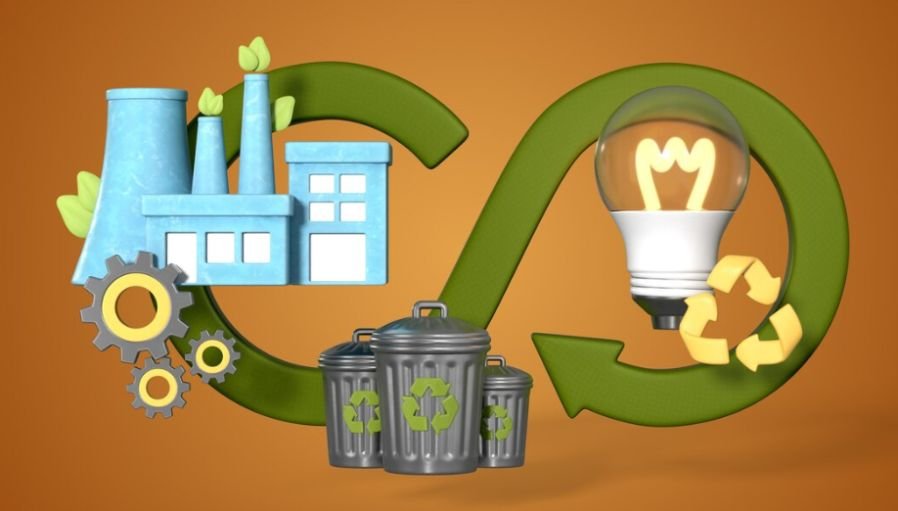
When you follow the best recycling practices for businesses, the benefits go beyond environmental impact.
You reduce waste disposal costs, improve operational efficiency, and ensure compliance with regulations. At the same time, you strengthen your brand image and appeal to environmentally conscious customers.
Over time, these practices also create a culture of sustainability within your organization.
Frequently Asked Questions
1. What are the best recycling practices for businesses?
The best practices include waste audits, source reduction, proper waste segregation, employee training, and partnering with recycling experts.
2. How can businesses reduce waste effectively?
Businesses should focus on reducing waste at the source by eliminating single-use materials and adopting digital solutions.
3. Why is employee involvement important in recycling?
Employees play a key role in proper waste sorting and reducing contamination, which directly impacts recycling success.
4. What is the 5 R’s strategy in waste management?
It stands for Refuse, Reduce, Reuse, Repurpose, and Recycle, forming a complete sustainability approach.
5. How can businesses track recycling performance?
Businesses can use digital tools or internal tracking systems to monitor waste generation and recycling rates.
Build a Sustainable Business: Start Recycling Smarter Today
Recycling is not just a responsibility—it’s an opportunity.
If you implement the right systems, train your employees, and track your progress, you can turn waste management into a strategic advantage. Start with small changes and recycling tips for sustainable living, stay consistent, and scale your efforts over time.
The goal is not just to recycle—but to build a business that wastes less and operates smarter.