
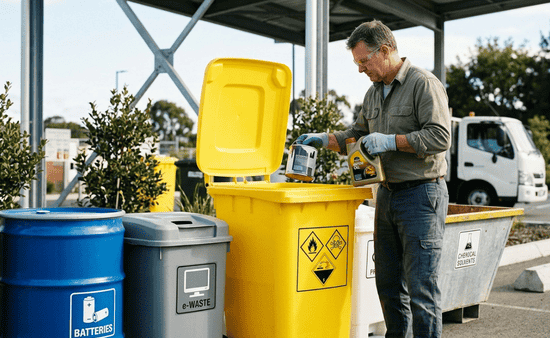
If you’re wondering how to dispose of hazardous waste legally, you’re asking the right question. Improper disposal is not just harmful—it can lead to environmental damage, health risks, and even legal penalties.
Many people still assume that items like paint, batteries, or chemicals can go into regular trash. That’s a serious mistake. Hazardous waste requires specific handling, whether you’re a household or a business.
In this guide, I’ll walk you through exactly how to dispose of hazardous waste safely and legally, along with clear examples of different materials and what you should do with each.
Key Takeaways (Quick Summary)
You should never throw hazardous waste into regular trash or drains
Must use authorized collection centres or licensed handlers
Identify and segregate waste properly before disposal
Follow legal rules, especially for industrial waste
Always check labels and local regulations
Why Proper Hazardous Waste Disposal Is Important
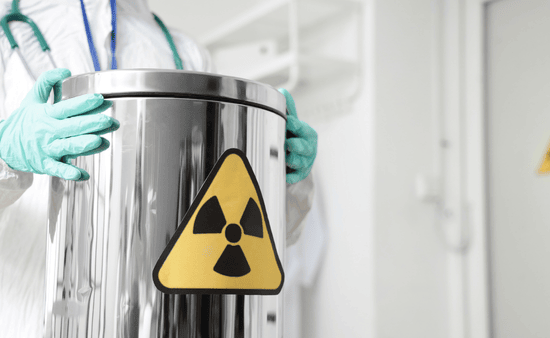
Hazardous waste includes materials that are toxic, flammable, corrosive, or reactive. If handled incorrectly, they can contaminate soil, water, and air.
For example, pouring chemicals down the drain can pollute water systems, while throwing batteries in the trash can release harmful metals into the environment. In industrial settings, improper disposal can also result in heavy fines or legal action.
That’s why legal disposal is not optional—it’s necessary for safety, compliance, and environmental protection.
1. How You Should Identify Hazardous Waste
Before disposing of anything, you need to confirm whether it is hazardous.
Common hazardous materials include used motor oil, batteries, electronic waste, paints, solvents, pesticides, and cleaning chemicals. These items often contain substances that can harm people or the environment.
You should always check product labels or Material Safety Data Sheets (MSDS). Labels usually include warnings like “toxic,” “flammable,” or “corrosive,” which indicate special handling requirements.
Identifying waste correctly is the first step toward safe and legal disposal.
2. How Households Should Dispose of Hazardous Waste Legally
If you are managing waste at home, the process is simpler but still requires care.
You should start by separating hazardous waste from regular garbage. Mixing them increases risk and makes recycling difficult. Once separated, you should store these materials in their original containers with labels intact.
Most cities provide Household Hazardous Waste (HHW) collection centres or organize periodic collection events. These facilities are designed to handle hazardous materials safely.
You can also use retailer take-back programs. For example, automotive shops often accept used motor oil, and some electronics stores collect batteries or e-waste.
If you are unsure where to go, you should check local government websites or use location-based tools to find certified disposal centres near you.
3. How Businesses Should Dispose of Hazardous Waste Legally
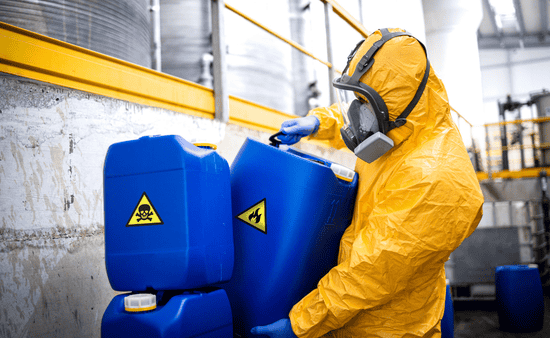
For businesses and industries, hazardous waste disposal involves stricter regulations.
In India, you must obtain authorization from the State Pollution Control Board under the Hazardous and Other Wastes Rules, 2016. Without this approval, disposal is considered illegal.
You should classify waste based on its properties, such as toxic, flammable, or corrosive. Each type must be stored in leak-proof, clearly labeled containers.
You must also hire licensed waste handlers and send waste to authorized Treatment, Storage, and Disposal Facilities (TSDFs). These facilities are equipped to process hazardous materials safely.
Another important requirement is maintaining a manifest system. Every movement of hazardous waste must be documented using official forms to ensure traceability and compliance.
You should also keep records of disposal activities for at least three years, as they may be required during audits or inspections.
4. General Methods Used for Hazardous Waste Disposal
Once collected, hazardous waste is treated using specialized methods depending on its type.
Secure landfills are used for waste that cannot be recycled or treated further. These landfills are engineered to prevent leaks and groundwater contamination.
Incineration involves burning waste at high temperatures to reduce volume and destroy harmful substances. This method requires strict emission controls to prevent air pollution.
Recycling and co-processing allow certain materials to be reused or converted into fuel for industries such as cement manufacturing. This reduces waste while recovering value.
Neutralization is used for acids and bases. Through chemical reactions, these substances are made less harmful before final disposal.
Each method is chosen based on safety, environmental impact, and regulatory requirements.
5. How You Should Dispose of Common Hazardous Materials
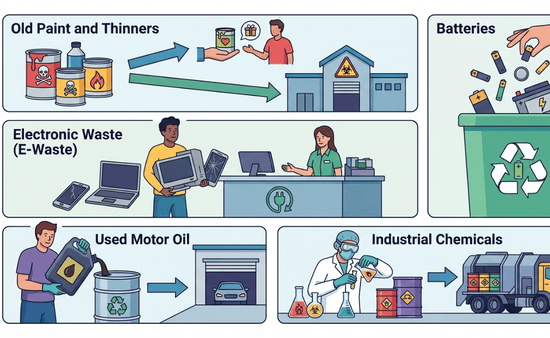
Let’s break down how you should handle specific types of hazardous waste.
Old Paint and Thinners
Paints and solvents are flammable and contain harmful chemicals. You should never pour them down drains or throw them in regular trash.
If the paint is still usable, consider donating it. Otherwise, you should take it to a hazardous waste collection centre. Some areas also allow dried latex paint to be disposed of in regular trash, but you should always confirm local guidelines.
Batteries
Batteries contain heavy metals like lead and mercury, which can leak into the environment.
You should never throw batteries in household garbage. Instead, you should use designated battery recycling bins available at electronics stores, supermarkets, or recycling centres.
Rechargeable batteries and car batteries often have dedicated take-back programs.
Electronic Waste (E-Waste)
To responsibly dispose of electronic waste, it is important to recognize that old phones, laptops, and appliances contain hazardous components such as lead and cadmium.
You should take e-waste to certified recycling centres or use manufacturer take-back programs. Many brands offer exchange or recycling options.
Improper disposal of e-waste can release toxic substances into the environment.
Used Motor Oil
Used oil is highly polluting and should never be dumped on the ground or into drains.
You should store it in a clean, sealed container and take it to automotive shops or recycling facilities that accept used oil.
Recycled oil can be refined and reused, making this an environmentally friendly option.
Industrial Chemicals
Industrial chemicals require the highest level of care.
You must classify, label, and store them properly before disposal. You should only use licensed transporters and authorized facilities for handling these materials.
Improper disposal can lead to severe legal consequences and environmental damage.
6. Safety Practices You Should Always Follow
Handling hazardous waste safely is just as important as disposing of it correctly.
You should always wear protective gear such as gloves when handling hazardous materials. You should avoid mixing different types of waste, as this can cause dangerous reactions.
Containers should be sealed tightly and stored in a safe area away from children, pets, and heat sources.
You should also wash your hands thoroughly after handling any hazardous material.
These precautions help prevent accidents and exposure.
7. Common Mistakes You Should Avoid
Many people unknowingly make mistakes that can be dangerous.
You should never throw hazardous waste in regular trash or pour it down drains. You should not mix different types of chemicals, as this can create toxic reactions.
Another common mistake is ignoring product labels or disposal instructions. These guidelines are there for a reason and should always be followed.
Avoiding these errors ensures safer and legal disposal.
8. How to Check Local Hazardous Waste Disposal Rules
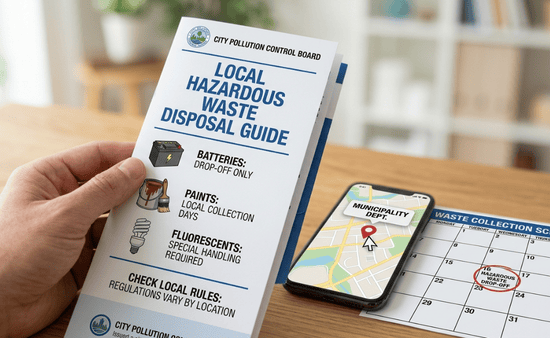
Hazardous waste regulations vary depending on your location.
You should always check with your local municipal authority or pollution control board for specific rules. Some areas have strict guidelines, while others provide convenient collection programs.
Following local regulations ensures compliance and reduces environmental risk.
9. Benefits of Legal Hazardous Waste Disposal
When you dispose of hazardous waste legally, you protect both people and the environment.
You reduce the risk of contamination, prevent health hazards, and ensure safe handling of dangerous materials. For businesses, compliance also avoids legal penalties and improves operational credibility.
Proper disposal is not just about following rules—it’s about responsible living and sustainable practices.
Frequently Asked Questions
1. How should you dispose of hazardous waste legally?
You should identify the waste, separate it, and take it to authorized collection centres or licensed disposal facilities.
2. Can hazardous waste go in regular trash?
No, you should never dispose of hazardous waste in regular garbage or drains.
3. Where can you take hazardous waste?
You can take it to household hazardous waste centres, recycling facilities, or authorized disposal sites.
4. How do businesses handle hazardous waste?
Businesses must follow regulations, use licensed handlers, and maintain proper documentation.
5. Why is hazardous waste dangerous?
It can cause environmental pollution, health risks, and chemical hazards if not handled properly.
Build Safe and Legal Disposal Habits
Learning how to dispose of hazardous waste legally is not complicated, but it requires awareness and consistency.
You should develop simple habits like identifying hazardous materials, storing them properly, and using authorized disposal methods. Over time, these practices become routine and significantly reduce risks.
The goal is not just disposal—it’s safe, responsible, and compliant waste management.