
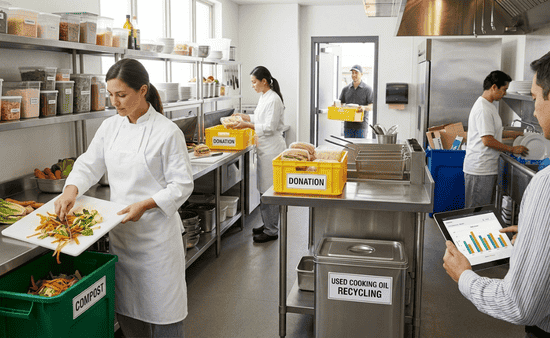
If you’re looking into food waste management for restaurants, you’re already thinking in the right direction. Food waste is not just an environmental issue—it directly impacts your daily costs, kitchen efficiency, and overall profitability.
Many restaurant owners assume waste is unavoidable, but that’s not entirely true. With the right systems, you can significantly reduce waste, recover costs, and even create new revenue streams.
In this guide, I’ll walk you through practical, step-by-step strategies to manage, reduce, and recycle food waste effectively in your restaurant.
Key Takeaways (Quick Summary)
You can reduce food waste by up to 30% with proper systems and planning
You should combine prevention strategies with recycling solutions
You should use inventory methods like FIFO to minimize spoilage
You can turn waste into value through composting and resale
You should train staff consistently to ensure long-term success
Why Proper Food Waste Management for Restaurants Is Important

Food waste is one of the most overlooked cost leaks in restaurant operations. When we analyze kitchen performance, we often find that a noticeable portion of purchased ingredients never reaches the customer.
This leads to increased food costs, higher waste disposal fees, and lower profit margins. At the same time, wasted food contributes to environmental damage, including greenhouse gas emissions and landfill overflow.
Customers today are also more conscious of sustainability. When you actively manage food waste, you not only reduce costs but also strengthen your brand image and customer trust.
1. How You Should Identify Different Types of Food Waste
Before you fix the problem, you need to understand what kind of waste your restaurant produces.
Pre-consumer waste includes items like vegetable peels, expired ingredients, and preparation scraps. This type of waste is usually easier to control because it happens in the kitchen.
Post-consumer waste comes from uneaten food left on plates or buffet leftovers. This is often influenced by portion sizes and menu design.
Packaging waste includes plastic containers, cardboard, and glass. While not food, it still plays a major role in your overall waste management system.
Identifying these categories helps you apply the right solution to each type.
2. How You Should Reduce Food Waste at the Source
The most effective strategy is always prevention. If you stop waste from happening in the first place, you save both money and effort.
You should start with inventory management using the First In, First Out method. This ensures older ingredients are used before newer ones, reducing spoilage. Proper labeling and organized storage are essential for this to work.
You should also review your portion sizes. Large servings often result in leftovers, which means wasted food. Offering flexible portion options can help reduce plate waste while improving customer satisfaction.
Menu engineering is another powerful approach. When you design your menu with shared ingredients across multiple dishes, you reduce the risk of unused stock. You can also repurpose scraps creatively, such as using vegetable trimmings for stocks or sauces.
3. How You Should Use Composting for Food Waste Recycling
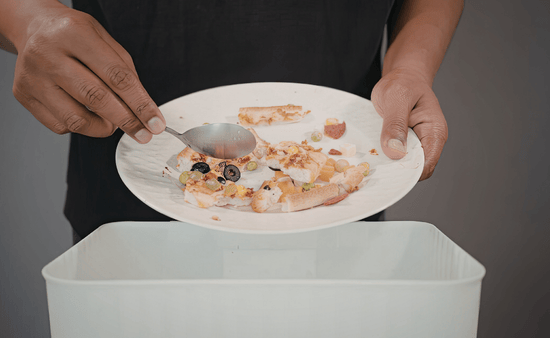
Composting is one of the simplest and most effective ways to handle organic waste.
You can choose on-site composting if your restaurant has enough space and waste volume. Modern composting machines are compact, efficient, and designed to control odors.
If on-site composting is not feasible, you should partner with local farms, composting services, or community gardens. These partnerships allow you to divert waste from landfills while supporting local ecosystems.
It is important to train your staff to separate compostable waste properly. Even small contamination can reduce the quality of compost.
4. How You Should Implement Food Donation Programs
A large portion of food waste is still safe to eat. Instead of throwing it away, you should consider donating it.
You can partner with food banks, shelters, or local organizations to distribute surplus meals. Setting up a regular donation schedule makes the process easier to manage.
You should always follow food safety guidelines, including proper storage and timely distribution. Once these systems are in place, donation programs become a reliable and impactful solution.
This approach not only reduces waste but also strengthens your reputation within the community.
5. How You Should Recycle Cooking Oil and Other Waste
Used cooking oil is often ignored, but it can be recycled effectively.
You should work with recycling services that collect and convert used oil into biodiesel. This reduces environmental harm and keeps your kitchen cleaner and safer.
For other types of waste that cannot be composted or donated, you can explore industrial solutions like anaerobic digestion. This process converts food waste into energy and fertilizer, making it a sustainable option for large-scale operations.
6. How You Should Use Technology to Manage Food Waste

Technology can help you make smarter decisions.
AI-powered waste tracking tools allow you to monitor what gets thrown away and why. These insights help you adjust purchasing, preparation, and portion sizes.
When we implement these systems, we often see quick improvements because decisions are based on actual data rather than assumptions.
Even simple digital tools for inventory and ordering can reduce errors and prevent overstocking.
7. How You Should Reduce Packaging and Non-Food Waste
Food waste management is not complete without addressing packaging.
You should switch to eco-friendly options such as compostable containers and biodegradable cutlery. Reducing unnecessary items, like providing straws only on request, can also make a difference.
Moving to digital menus and receipts helps cut down paper waste. Bulk purchasing is another effective strategy, as it reduces the amount of packaging entering your restaurant.
8. Safety Practices You Should Always Follow
Handling food waste requires proper safety measures.
You should ensure staff wash their hands after handling waste and use gloves when necessary. Waste bins should be clearly labeled and separated to avoid confusion.
You should also store waste securely to prevent contamination, odors, and pest issues. Keeping waste areas clean and organized is essential for maintaining hygiene.
9. Common Mistakes You Should Avoid
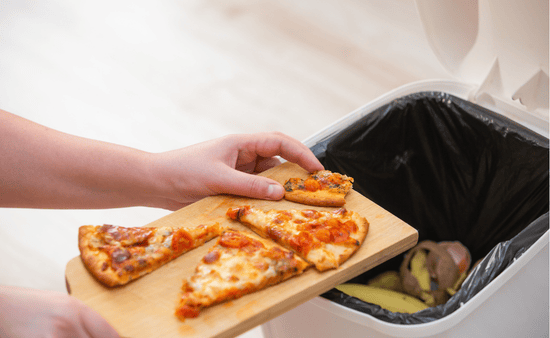
Many restaurants struggle with waste management because of simple mistakes.
You should avoid mixing different types of waste, as this reduces recycling efficiency. You should not ignore staff training, as improper handling can undo your efforts.
Another common mistake is over-ordering inventory without proper tracking. This often leads to spoilage and unnecessary losses.
Avoiding these issues can significantly improve your results.
10. Benefits of Effective Food Waste Management for Restaurants
When you implement proper food waste management systems, the benefits are immediate and long-term.
You reduce food costs, lower disposal expenses, and improve kitchen efficiency. At the same time, you build a stronger brand image and attract environmentally conscious customers.
Over time, these improvements contribute to better profitability and more sustainable operations.
Frequently Asked Questions
1. How can restaurants manage food waste effectively?
You should combine prevention strategies like inventory control with recycling methods such as composting and donation.
2. What is the best way to reduce food waste in restaurants?
You should focus on FIFO inventory management, portion control, and menu optimization.
3. Can restaurants donate leftover food safely?
Yes, you can donate surplus food if you follow proper food safety and storage guidelines.
4. How does food waste management reduce costs?
It reduces unnecessary purchases, minimizes spoilage, and lowers waste disposal fees.
5. Is composting suitable for all restaurants?
Yes, either through on-site systems or external partnerships, composting can work for most restaurants.
Build a Smarter Food Waste System in Your Restaurant
Food waste management for restaurants is not about making drastic changes overnight. It is about building simple, consistent habits that reduce waste over time.
You should start by identifying your waste sources, improving inventory control, and introducing recycling solutions gradually. As these practices become part of your daily operations, you will see noticeable improvements in both cost savings and efficiency.
The goal is not just to reduce waste, but to run a more responsible and profitable restaurant.