If you’ve ever stood in front of a bin wondering what materials can be recycled, you’re not alone. One of the biggest challenges in recycling is confusion—people want to recycle correctly but aren’t sure what actually belongs in the recycling bin.
Here’s the truth: not everything is recyclable in your local program. Even items that look recyclable can end up in landfills if they’re contaminated or not accepted in your area.
In this guide, I’ll clearly explain what materials you can recycle, what requires special handling, and how you should prepare items to ensure they actually get recycled.
Key Takeaways (Quick Summary)
- You should focus on paper, plastic, glass, and metals for regular recycling
- You should clean and prepare materials before recycling
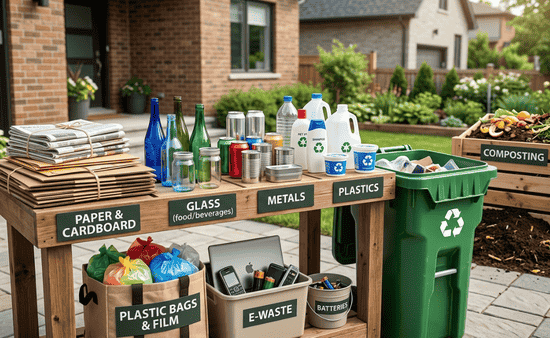
- You should handle e-waste, batteries, and plastic bags separately
- You should compost organic waste instead of throwing it away
- You should always check local recycling rules for accuracy
Why It’s Important to Know What Can Be Recycled
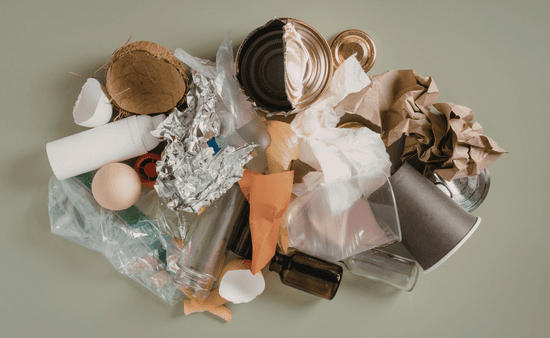
Recycling only works if materials are sorted correctly. According to the United States Environmental Protection Agency , contamination is one of the main reasons recyclable materials are rejected.
If you put the wrong items in your recycling bin, entire batches can be sent to landfills.
That’s why understanding what materials can be recycled is essential for effective waste management.
1. Paper and Cardboard (Most Widely Recycled Materials)
Paper and cardboard are among the easiest and most commonly recycled materials.
You should recycle items like newspapers, magazines, office paper, envelopes (even with plastic windows), cereal boxes, and shipping cartons. Cardboard boxes should always be flattened before placing them in the recycling bin to save space and improve processing efficiency.
However, you should avoid recycling paper that is contaminated with food or grease. For example, pizza boxes can only be recycled if they are clean. If they have oil stains or leftover food, they should go into compost or general waste.
In my experience, keeping paper dry and clean is the simplest way to ensure it gets recycled properly.
2. Metals (Highly Valuable and Infinitely Recyclable)
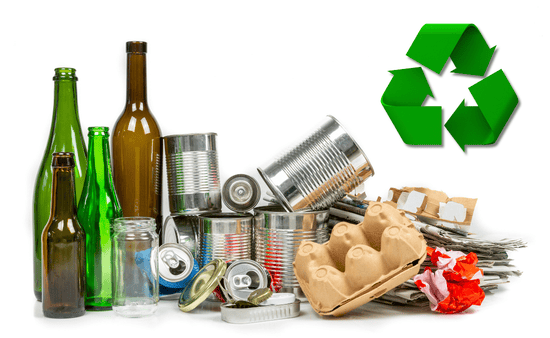
Metal is one of the most valuable materials in recycling because it can be reused indefinitely without losing quality.
You should recycle aluminum cans, steel cans, and tin containers. These materials are widely accepted and have strong recycling markets.
Before recycling, you should rinse metal containers to remove food residue. Crushing cans is optional but can help save space.
Recycling metals not only reduces waste but also saves significant energy compared to producing new metal from raw materials.
3. Glass (Reusable and Easy to Recycle)
Glass is another material that can be recycled repeatedly without losing its quality.
You should recycle glass bottles and jars used for food and beverages. These are widely accepted in most recycling programs.
However, you should not include items like mirrors, window glass, or heat-resistant glass such as Pyrex. These have different chemical compositions and can disrupt the recycling process.
You should also rinse glass containers before recycling and remove lids if required by your local guidelines.
4. Plastics (Selective but Important)
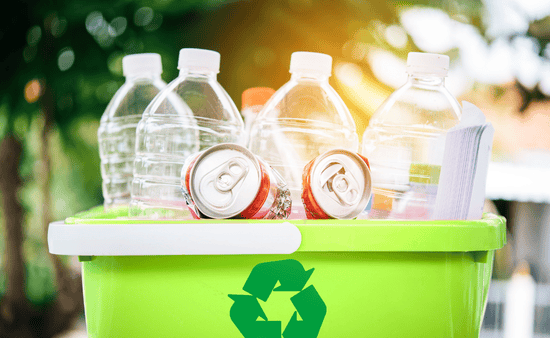
Plastics are one of the most confusing categories when it comes to recycling.
You should focus on rigid plastics such as bottles, containers, and jugs. Plastics labeled #1 (PET) and #2 (HDPE) are the most widely accepted.
You should always check the recycling symbol on plastic items and follow local rules. Not all plastics are recyclable, and some may require special handling.
You should also rinse plastic containers and flatten them if possible to save space.
Avoid placing plastic wrappers, multi-layer packaging, and foam products in your recycling bin, as these are usually not accepted.
5. Organic Waste (Recycled Through Composting)
Organic waste is not recycled in the traditional sense, but it can still be reused through composting.
You should compost food scraps such as fruit and vegetable peels, eggshells, coffee grounds, and yard waste like leaves and grass clippings.
Composting converts organic waste into nutrient-rich soil, which can be used for gardening.
A significant portion of household waste can be composted instead of being sent to landfills.
6. Items That Require Special Recycling Methods
Some materials can be recycled but should not go into your regular recycling bin.
Electronic waste, such as phones, laptops, and televisions, contains valuable materials but also hazardous substances. You should take these items to authorized e-waste recycling centers.
Batteries are another category that requires special handling. They contain chemicals that can be dangerous if not disposed of properly. Many stores and collection centers accept used batteries for safe recycling.
Plastic bags and film should never be placed in curbside bins. These items can jam recycling machines. Instead, you should return them to designated collection points at retail stores.
Automotive waste, such as used motor oil and tires, can also be recycled but must be taken to specialized facilities.
7. Items You Should Avoid Recycling
Knowing what not to recycle is just as important as knowing what you can recycle.
You should avoid placing items like greasy paper, food-contaminated containers, plastic wrappers, and mixed-material packaging in your recycling bin.
Broken glass, ceramics, and certain plastics are also not accepted in most programs.
When in doubt, it’s better to check local guidelines rather than risk contaminating the recycling stream.
8. How You Should Prepare Materials for Recycling
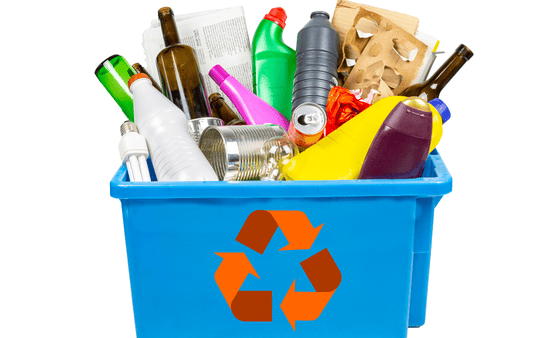
Proper preparation is key to successful recycling.
You should always clean items to remove food residue. Containers do not need to be perfectly clean, but they should not contain visible waste.
You should flatten cardboard boxes and crush bottles to save space. You should also separate materials according to local recycling rules.
A simple rule I follow is: if an item is dirty, mixed, or unclear, you should double-check before recycling it.
9. How to Check Local Recycling Rules
Recycling programs vary depending on location.
You should always check your local municipality guidelines or use online tools to find out what materials are accepted in your area.
Some regions have advanced recycling facilities, while others accept only limited materials.
By following local rules, you can ensure that your recycling efforts are effective.
10. Build Better Recycling Habits
Understanding what materials can be recycled is just the first step.
You should make recycling a daily habit by following smart recycling tips at home, such as separating waste, cleaning materials, and staying informed about local guidelines.
Over time, these habits become automatic and significantly reduce the amount of waste sent to landfills.
Consistency is the key to making recycling work.
Frequently Asked Questions
1. What materials can be recycled at home?
You can recycle paper, cardboard, glass bottles, metal cans, and certain plastics like #1 and #2.
2. Can all plastics be recycled?
No, only specific types of plastics are accepted in most recycling programs.
3. Should you clean items before recycling?
Yes, you should rinse items to remove food residue and prevent contamination.
4. Can you recycle plastic bags?
No, plastic bags should be taken to special collection points, not placed in curbside bins.
5. What should you do with electronic waste?
You should take e-waste to authorized recycling centers for safe disposal.
Make Better Recycling a Daily Habit
Recycling works best when you understand what materials can be recycled and follow the right steps consistently. By choosing the correct items, preparing them properly, and avoiding common mistakes, you make your efforts truly effective.
Start small, stay consistent, and improve over time—every correct choice helps create a cleaner, more sustainable environment.