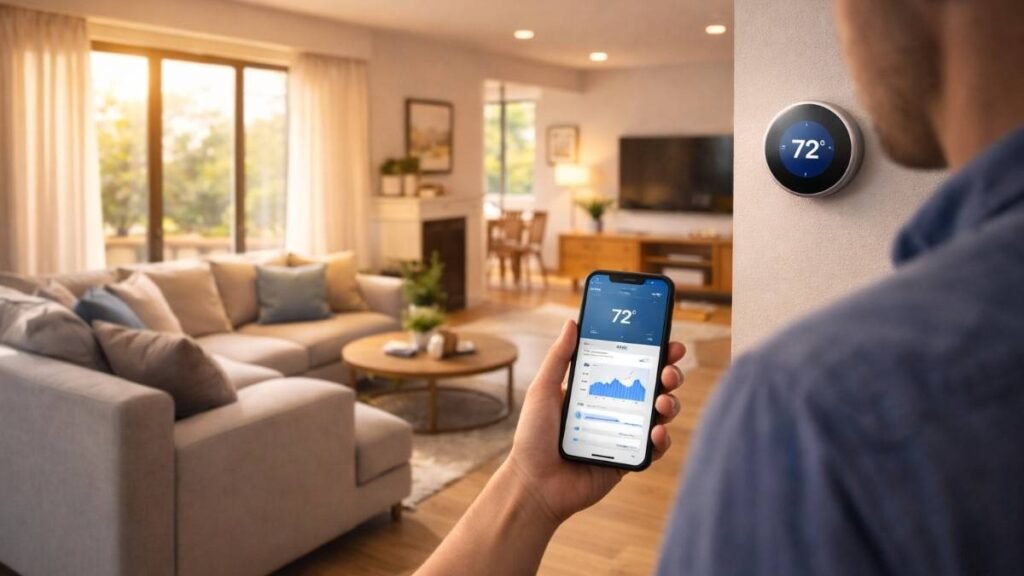

Summer bills creeping up used to feel unavoidable, even after upgrading to an energy saving AC unit. The surprise came from learning that efficiency is not just about the machine but how well it matches your space and habits. Small changes in selection and usage can cut energy costs dramatically while keeping your home comfortable.
What Makes An Energy Saving AC Unit Efficient?
Understanding what drives efficiency helps you avoid overpaying for features you do not need.
SEER And CEER Ratings Simplified
Higher SEER and CEER ratings indicate better performance and lower electricity usage. Modern systems with higher ratings consume less energy for the same cooling output, which directly lowers your monthly bill. Many efficient systems today exceed 20 SEER, making them ideal for long-term savings.
Energy efficiency ratings of room AC units also help compare models across brands. Instead of focusing only on price, looking at these ratings gives a clearer picture of lifetime operating cost. This is one of the most overlooked factors when choosing an energy saving AC unit.
Inverter Technology Is A Game Changer
Inverter technology allows the compressor to run at variable speeds rather than switching on and off. This reduces energy spikes and maintains a steady indoor temperature. It also extends the lifespan of the unit since it avoids constant strain.
For 2026, inverter ACs are considered the most efficient option. They can reduce energy usage by up to 40 percent compared to traditional systems, making them a smart investment for both comfort and savings.
Energy Star Certification Matters
Energy Star certified units use around 23 percent less energy than standard models. These certifications ensure that the AC meets strict efficiency standards. Choosing certified models gives you peace of mind and consistent performance.
They also often qualify for rebates or incentives in many regions. This makes them not just energy efficient but cost effective in the long run.
Top Energy Saving AC Models 2026
Choosing the right model helps translate energy efficiency at home into real savings.
Best Overall Window Unit
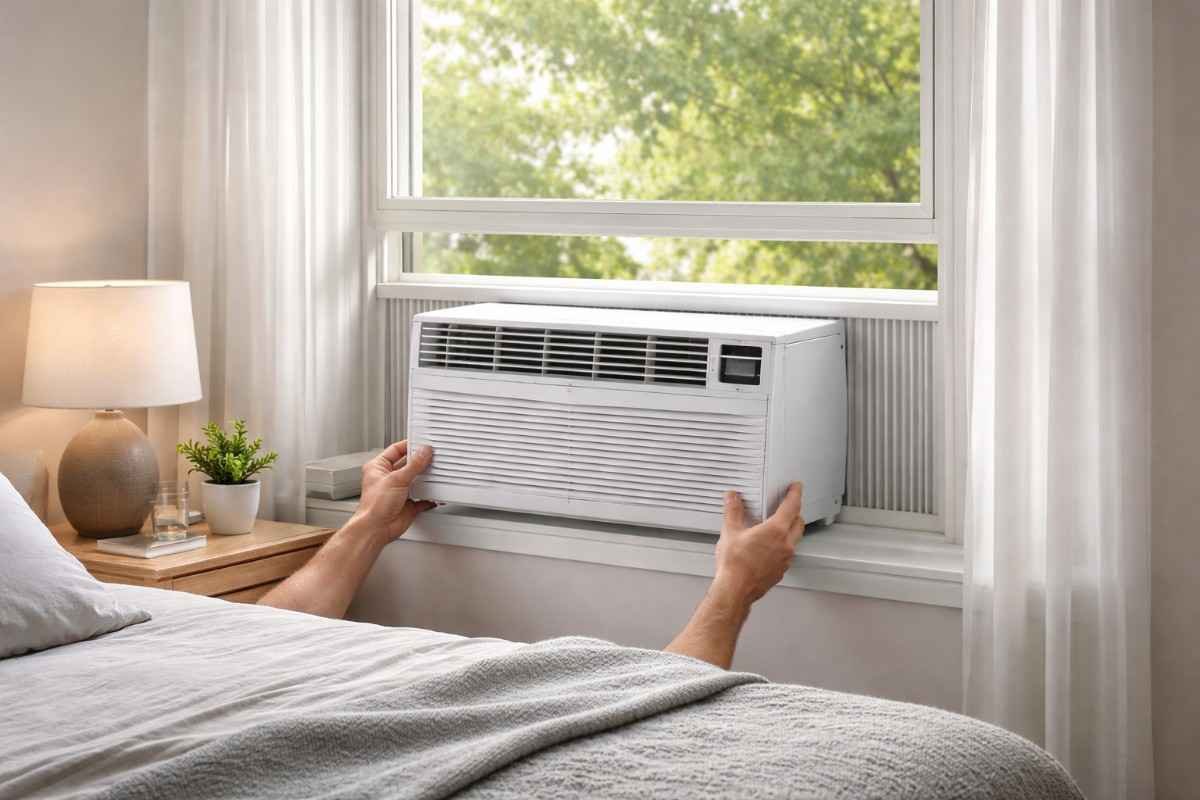
The Midea 8,000 BTU U+ Smart Inverter stands out for its impressive efficiency. It uses variable speed technology and saves up to 45 percent energy compared to older window units. Its quiet operation and flexible window design make it ideal for bedrooms and apartments.
It also includes smart controls and eco mode, which help optimize cooling without wasting electricity. This makes it a strong choice for anyone looking for an energy saving AC unit in a compact form.
Best Design Forward Window Unit
The Windmill 10,000 BTU Smart Inverter blends performance with modern design. It offers up to 40 percent energy savings and uses eco-friendly refrigerant. The sleek design fits well in contemporary homes.
Beyond looks, it features smart controls and efficient airflow management. This combination ensures both comfort and reduced electricity consumption.
Most Efficient Mini Split System
The MRCOOL DIY 5th Gen 12,000 BTU mini split offers one of the highest efficiency levels available. With a SEER2 rating above 23, it significantly outperforms traditional systems. It also allows easy installation without professional help.
Its zoned cooling capability ensures that only occupied rooms are cooled. This reduces unnecessary energy use and maximizes savings over time.
Efficiency Comparison By Type
Choosing the right AC type is just as important as selecting the model.
| AC Type | Typical Efficiency | Energy Saving Highlights |
| Ductless Mini Split | Very High (20+ SEER2) | No duct loss and zoned cooling |
| Window Unit | High (12 to 15 EER) | Uses less electricity than portable units |
| Through The Wall | Moderate | Permanent installation with saver modes |
| Portable AC | Low | Less efficient due to heat exhaust inside |
Mini split systems are generally the most efficient option. They avoid energy loss through ducts and allow precise control over cooling zones.
Window units offer a balance between affordability and efficiency. Portable units, while convenient, tend to consume more energy and should be used selectively.
Key Features To Look For In An Energy Saving AC Unit
Knowing what features matter helps you make a smarter purchase.
Smart Controls And Automation
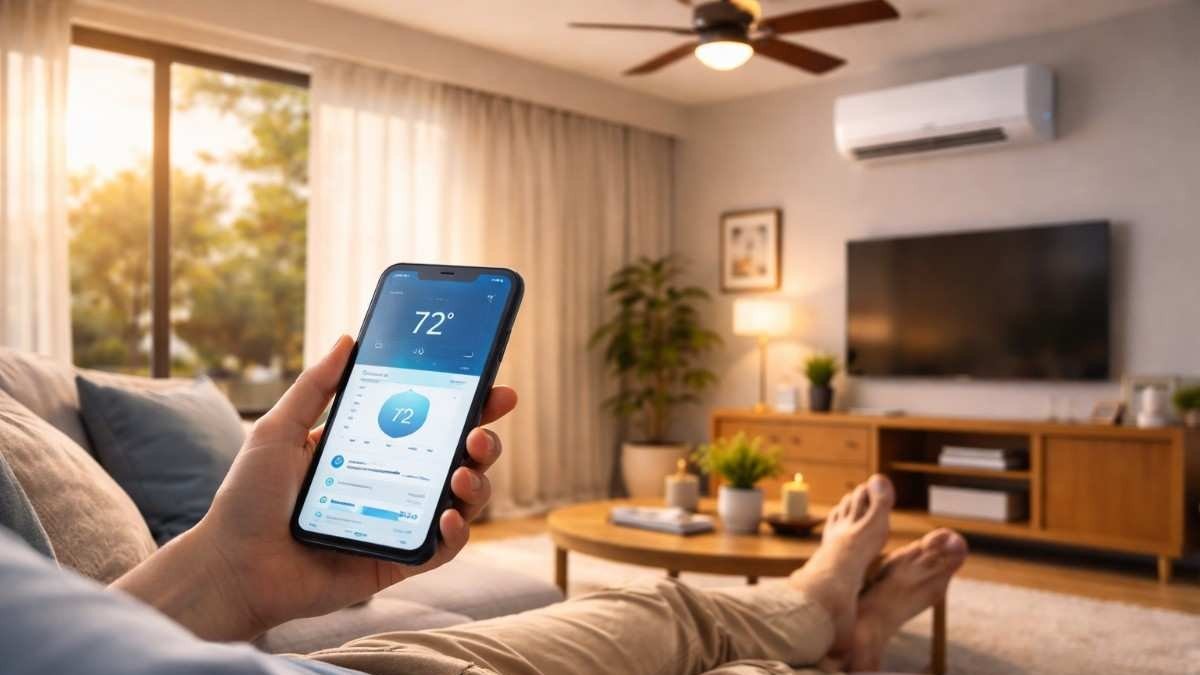
Smart ACs allow you to control temperature remotely through apps. This helps reduce energy waste when you are not at home. Scheduling and automation features also improve overall efficiency.
These systems adapt to your routine, ensuring cooling only when needed. Over time, this can significantly reduce electricity consumption.
Eco Mode And Sleep Settings
Eco mode automatically adjusts cooling to maintain comfort with minimal energy use. Sleep mode gradually increases temperature during the night to avoid unnecessary cooling.
These features work together to balance comfort and efficiency. They are especially useful for reducing overnight energy consumption.
Correct BTU Sizing
Choosing the right BTU capacity is crucial. A unit that is too powerful wastes energy, while an underpowered unit struggles to cool effectively.
Room size plays a key role here. Small rooms need lower BTU units, while larger spaces require higher capacity systems for optimal performance.
How To Use An Energy Saving AC Unit Effectively
Using your AC properly can make as much difference as the unit itself.

Start by setting the thermostat at a moderate temperature, ideally between 24 and 26 degrees Celsius. This ensures comfort without overloading the system. Keeping doors and windows closed helps maintain cooling efficiency and prevents energy loss.
Regular maintenance is essential. Cleaning filters and ensuring proper airflow keeps the unit running efficiently. Using ceiling fans alongside your AC can also reduce the workload on the system and improve air circulation.
Finally, avoid running the AC continuously. Use timers and smart settings to control usage. This not only saves energy but also extends the life of your energy saving AC unit.
Common Mistakes That Waste Energy
Avoiding simple mistakes can improve efficiency significantly.
Overcooling Your Space
Setting extremely low temperatures increases energy consumption without improving comfort. Gradual cooling is more efficient and effective.
Skipping Maintenance
Dirty filters and blocked vents force the AC to work harder. Regular cleaning ensures smooth operation and better energy savings.
Poor Placement Of Units
Outdoor units placed in direct sunlight or blocked airflow areas consume more energy. Proper placement improves efficiency and performance.
Frequently Asked Questions
1. What AC uses the least electricity?
Mini split inverter systems with high SEER ratings use the least electricity among all AC types.
2. Which AC is best for an electricity bill?
Energy Star certified inverter AC units are best for reducing electricity bills.
3. Can a mini AC help with allergies?
Yes, many mini split systems include filters that reduce allergens and improve indoor air quality.
4. Which is better R410 or R32?
R32 is more efficient and environmentally friendly compared to R410 refrigerant.
Take Control Of Your Cooling Today
Choosing the right energy saving AC unit is not just about specs, it is about making a smarter lifestyle upgrade. Now is the time to pick a system that fits your home, lowers your bills, and improves your comfort every day. Still wondering what is the $5000 AC rule, can a mini AC help with allergies, is AC good for heart patients, or which AC is best for an electricity bill? Use these questions to guide your decision, take action today, and start enjoying efficient, stress-free cooling all summer.