
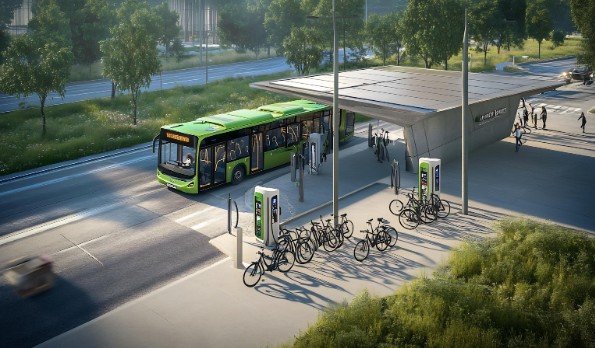
I started comparing greener travel options and assumed the answer would be simple. I thought one option would clearly beat the other in every situation. But the more I looked into it, the more I realized that travel sustainability depends on context, daily habits, and how efficiently people actually move from one place to another.
That said, there is still a clear pattern. Electric Vehicles vs Public Transport: What’s Greener? In most everyday situations, public transport comes out ahead because it moves more people with fewer resources per passenger.
But that does not mean electric vehicles have no place in a cleaner future. They remain one of the better alternatives to traditional gas-powered cars, especially where reliable shared transit is limited.
Why Public Transport Usually Comes Out Ahead
Public transport is often the greener option because it spreads energy use across many passengers instead of one or two people in a private vehicle. A full train or bus can carry dozens or even hundreds of people on the same trip. That changes the environmental math quickly.
I think this is the part many people miss. A single electric car may feel efficient, and compared with a fuel-powered car, it usually is. But when a train carries a large number of riders at once, the emissions per person drop dramatically. The same logic applies to buses, subways, and light rail systems, especially on busy routes.
Another major advantage is infrastructure efficiency. Public transport reduces traffic congestion, lowers the need for massive parking spaces, and supports denser communities where daily travel distances can be shorter. That broader impact matters when we talk about what is truly greener over time.
Where Electric Vehicles Still Make a Strong Case
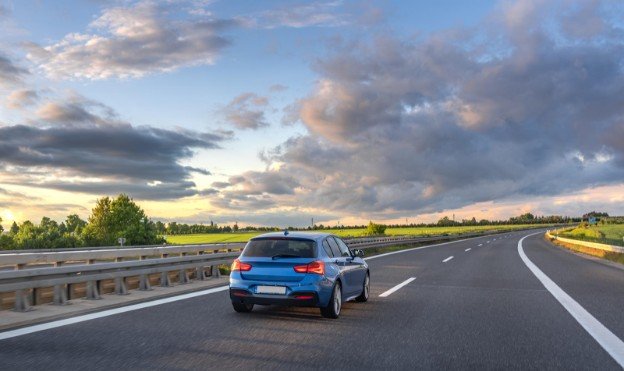
Electric vehicles still deserve credit. I do not see them as the problem. I see them as a cleaner version of private transportation. If someone is choosing between a gasoline car and an electric vehicle, the electric option usually creates fewer emissions over its lifetime, even after battery production is considered.
This matters most in areas where people do not have dependable buses, trains, or safe walkable routes. In those cases, expecting everyone to rely on public transport is not realistic. An electric vehicle can lower tailpipe emissions, reduce local air pollution, and improve energy efficiency compared with older car models.
The Real Difference Comes Down to Per-Person Impact
The greenest answer becomes clearer when we stop comparing machines and start comparing people moved per trip. That is where public transport has a built-in edge. A single rider in a private electric vehicle still uses an entire car for one journey.
A packed bus or train uses more total energy, but far less per passenger. This is why the question Electric Vehicles vs Public Transport: What’s Greener? should always be answered through occupancy, notconvenience alone.
I have found that this is the strongest point to make in a blog like this because it adds nuance without making the topic confusing. The issue is not whether electric vehicles are good or bad. The issue is whether moving people individually is greener than moving them together. In most cases, shared travel wins.
Does Battery Manufacturing Change the Answer?
Battery production does increase the ecological footprint of electric vehicles at the start of their life cycle. That part is real and worth acknowledging. Mining materials, manufacturing batteries, and building larger vehicles all require energy and resources.
Still, that does not erase the long-term gains many electric vehicles make once they are on the road. Over time, lower operating emissions can offset much of that early impact, particularly where electricity becomes cleaner.
Even so, public transport often remains greener overall because one bus or train can serve far more people than one private car ever could. That is why battery concerns should be part of the discussion, but not the only discussion.
When the Greener Choice Depends on Daily Life

I always think the most helpful articles are the ones that match real life, not just theory. The greener option depends on what kind of trip a person takes every day.
If someone travels through a well-connected city with regular trains or buses, public transport will usually be the greener choice. If someone lives in a low-density residential area with limited service and long travel distances, an electric vehicle may be the more practical low-emission option.
Trip distance matters too. So does how full the bus or train is. So does the electricity source used to charge vehicles. A cleaner power grid improves the environmental case for electric vehicles, but it does not automatically make them greener than efficient shared transit.
What I Believe Is the Most Honest Answer
I think the strongest content on this topic avoids oversimplifying the issue. It is easy to write a dramatic article that says public transport is always right or electric vehicles are always the future. But that kind of writing usually misses what readers actually need.
People want a clear answer with context. My honest answer is this: public transport is usually greener on a per-passenger basis, while electric vehicles are the greener private-car option. That distinction matters because it helps readers make better decisions without forcing the topic into a false choice.
Frequently Asked Questions
1. Electric Vehicles vs Public Transport: What’s Greener?
Public transport is usually greener per passenger because it carries more people in one trip. Electric vehicles are still a cleaner option than traditional private cars.
2. Are electric vehicles bad for the environment because of batteries?
Not necessarily. Battery production has an environmental cost, but electric vehicles often lower emissions over time compared with fuel-powered cars.
3. Is public transport always the best option?
Not always. It depends on access, route quality, trip distance, and how many people actually use the service.
4. What is the greenest option for someone without transit access?
If reliable transit is not available, an electric vehicle is often a more sustainable option than a gasoline-powered car.
A Smarter Way to Think About Greener Travel
When I look at the full picture, I do not see this as a fight between two sides. I see it as a question of matching the cleanest realistic option to the way people actually live. Public transport usually leads when it is efficient, available, and well-used. Electric vehicles become important when private travel is still necessary.
That is why I think the better question is not just which option sounds greener in theory. It is which option reduces impact most effectively in everyday life. And in that conversation, both choices matter, but they do not play the same role.