I started making greener choices at home, I thought I needed a full lifestyle reset. I assumed I had to replace everything, spend more money, and follow a perfect routine to make any real difference. That mindset made the whole idea feel stressful. What helped me most was shifting my focus from perfection to consistency.
Once I began making smaller changes that fit naturally into daily life, everything felt easier to maintain. That is exactly how I now think about sustainable living for families. It works best when it feels realistic, flexible, and built around everyday habits.
What Does It Really Mean to Live More Sustainably as a Family?
At its core, a sustainable family lifestyle means reducing waste, using resources more thoughtfully, and building habits that support a healthier home environment over time. It does not require a zero-waste pantry, expensive upgrades, or a picture-perfect routine. It simply means making better choices where you can and repeating them often enough that they become part of family life.
The most effective approach is to look at the areas that shape your daily routine the most. In many homes, that includes food, laundry, energy use, shopping habits, transportation, and the way children learn household values. Instead of treating sustainability like a separate project, I find it more useful to treat it like a family rhythm.
Why Small Changes Make the Biggest Difference
One mistake many people make is assuming big change must happen fast. In reality, lasting results usually come from smaller habits repeated over time. A reusable water bottle used daily matters more than a one-time dramatic decluttering session. A habit of meal planning once a week often does more than buying a shelf full of eco-labeled products.
Small actions also lower resistance. When a habit feels easy, families are more likely to keep doing it. That matters because consistency creates long-term impact. Children also learn best from repeated routines. If they see food scraps getting composted, lights being switched off, and reusable bags kept by the door, those behaviors begin to feel normal rather than forced.
How I Build a Practical Family Routine That Lasts
The easiest way I have found to make greener habits stick is to connect them to routines that already exist. Morning, meal prep, laundry day, school prep, and bedtime all offer natural places to simplify waste and lower resource use.
In the kitchen, I start with meal planning. Planning even a few dinners helps reduce food waste, random grocery trips, and unused ingredients. I also keep leftovers visible and easy to grab, which makes them more likely to be eaten. Food storage containers, cloth towels, and a simple compost setup can make a noticeable difference without making the kitchen feel complicated.
Laundry is another area where simple adjustments add up. Washing full loads, using cold water when possible, and skipping unnecessary rewashes all support a more efficient routine. I also try to buy durable basics that last longer, because fewer replacements usually mean less waste and less spending in the long run.
Shopping habits matter too. Before buying anything for the home, I like to pause and ask whether we need it, whether we already own something similar, and whether a longer-lasting version would serve us better. That short pause prevents impulse purchases and keeps clutter from building up.
How to Make It Easier for Kids to Participate
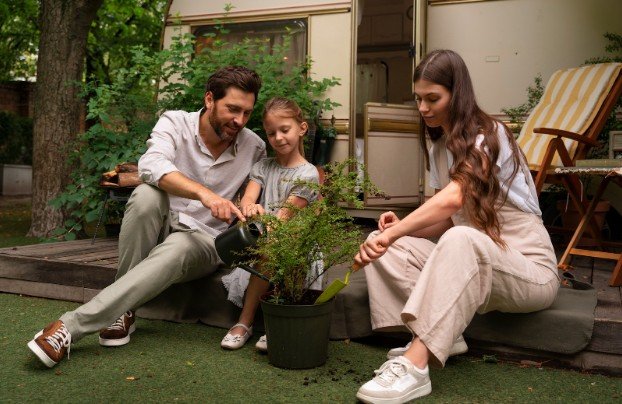
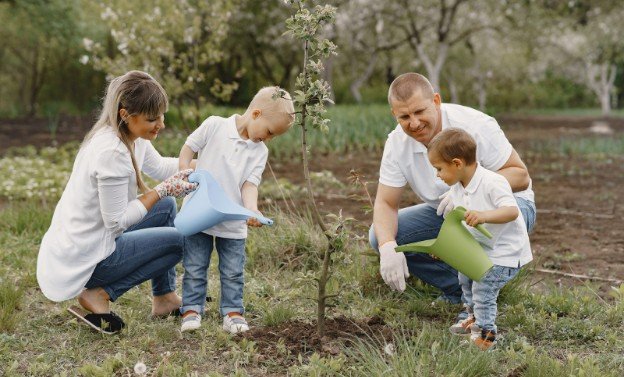
Families tend to succeed when everyone feels involved. Children do not need long lectures about environmental issues to understand responsibility. They respond better to simple actions they can repeat. Letting them pack snacks in reusable containers, help sort donations, water plants, or remember to turn off unused lights gives them a role in the process.
Language also matters. I try to frame these habits positively. Instead of making children feel guilty about waste, I focus on care, responsibility, and teamwork. That creates a more encouraging atmosphere and makes the lifestyle feel less restrictive.
Children also notice what adults do more than what adults say. A family routine built on visible actions teaches more effectively than any single conversation. That is why sustainable living for families works best when it is modeled naturally at home instead of presented as a strict set of rules.
What to Focus on First Without Feeling Overwhelmed
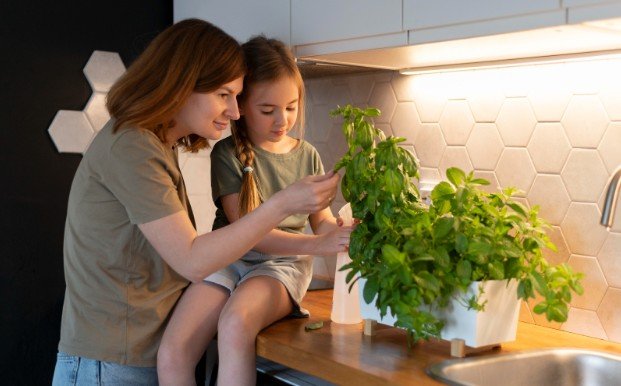
If you want a manageable starting point, choose one area of the home and improve that before moving to the next. For many people, the kitchen is the easiest first step because it affects food waste, grocery spending, packaging, and everyday convenience all at once.
The next helpful area is family consumption. Buying fewer low-quality items and choosing useful, durable, multi-purpose products often supports both budget and sustainability goals. In my experience, the more intentional a household becomes about purchases, the easier everything else feels.
How to Keep the Lifestyle Realistic Long Term
The most sustainable routine is the one your family can actually live with. That means leaving room for busy weeks, convenience needs, forgotten habits, and imperfect days. A family does not fail because it uses takeout containers on a hard week or forgets reusable bags at the store.
What matters is returning to the habits that make daily life lighter, cleaner, and more thoughtful. I also think it helps to celebrate progress in practical ways. Less wasted food, fewer unnecessary purchases, and a calmer home rhythm are meaningful results.
When you notice those wins, staying motivated becomes easier. Over time, what once felt like effort begins to feel normal. That is when sustainable living for families becomes less of an idea and more of a lasting way to live.
Frequently Asked Questions
1. What is Sustainable Living for Families?
It means building realistic household habits that reduce waste, use resources wisely, and make daily life more thoughtful without expecting perfection from every family member.
2. How can a family start living more sustainably?
Start with one area such as food waste, laundry, or shopping habits. Small, repeatable changes are easier to maintain than a complete lifestyle overhaul.
3. Does sustainable living cost more?
Not always. Many sustainable habits save money over time because they reduce waste, prevent impulse buying, and encourage longer-lasting choices.
4. How do I involve kids in greener habits?
Give them simple tasks they can repeat, such as packing reusable containers, sorting donations, or turning off lights when they leave a room.
Where It All Comes Together
I do not believe families need perfect routines to live more responsibly. I believe they need habits that fit real life. That is why I keep coming back to simple systems, steady routines, and choices that feel manageable at home.
When I stopped trying to do everything at once, I finally saw meaningful progress. A more thoughtful home is not built in a day, but it can absolutely be built through small actions that your family repeats together.