
If you’re looking for the best recycling tips for sustainable living, you’re already on the right path. But here’s something most people don’t realize: recycling alone is not enough. To truly live sustainably, you need to follow a smarter system that reduces waste before it even reaches the recycling bin.
I’ve seen many people try to recycle everything, but without the right approach, it often leads to “wish-cycling”—throwing items into recycling bins that don’t belong there. This can contaminate entire batches and send them straight to landfills.
In this guide, I’ll walk you through practical, real-life recycling tips that you can follow daily to reduce waste, recycle correctly, and build long-term sustainable habits.
Key Takeaways (Quick Summary)
- You should follow the 5 R’s: Refuse, Reduce, Reuse, Repurpose, Recycle
- You should always check local recycling rules before disposing of items
- You should clean and prepare recyclables properly
- You should handle special waste like e-waste and organic waste separately
- You should support recycled products to complete the sustainability cycle
Why Recycling Alone Is Not Enough
Many people believe that recycling is the ultimate solution to environmental problems. However, recycling is actually the last step in a larger system.
According to the United States Environmental Protection Agency, the most effective waste management strategy begins with reducing and reusing materials before recycling them.
This means that if you truly want to adopt sustainable living, you should focus on minimizing waste at the source and then recycle what remains.
Follow the 5 R’s for Sustainable Living

The foundation of sustainable recycling lies in the 5 R’s. You should refuse unnecessary items, reduce consumption, reuse products, repurpose materials creatively, and finally recycle what cannot be reused.
For example, instead of accepting single-use plastic items, you should refuse them. Instead of buying new products frequently, you should reduce your consumption. Reusing items like containers or bags helps extend their life, while repurposing allows you to give old items a new function.
Recycling should come at the end of this process—not the beginning.
You Should Know Before You Throw
One of the most important recycling tips for sustainable living is understanding what you are throwing away.
You should always check your local recycling guidelines because rules vary depending on your location. What is recyclable in one city may not be accepted in another.
You should also make sure that all recyclable items are clean and dry. Food residue or moisture can contaminate materials like paper and cardboard, making them unsuitable for recycling.
Another important point is to check plastic codes. Plastics labeled #1 (PET) and #2 (HDPE) are commonly recyclable, while others may not be accepted.
You should also avoid putting plastic bags, wraps, or films into your recycling bin. These items can damage sorting machines and disrupt the recycling process.
You Should Focus on Reducing Waste First
The most effective way to live sustainably is to produce less waste.
You should start by avoiding single-use products like plastic cutlery, straws, and disposable packaging. Small changes like carrying your own shopping bag or water bottle can make a big difference over time.
Buying in bulk is another effective strategy. When you purchase products in larger quantities, you reduce packaging waste significantly.
In my experience, once you start focusing on reducing waste, recycling becomes much easier and more effective.
You Should Reuse and Repurpose Items Creatively
Before throwing something away, you should ask yourself if it can be reused or repurposed.
Glass jars can be used for storage, old clothes can be turned into cleaning rags, and cardboard boxes can be reused for packaging or organizing.
Repairing items instead of replacing them is another powerful habit. Fixing a broken appliance or mending clothing not only reduces waste but also saves money.
These small actions like how to recycle household waste may seem simple, but they play a big role in sustainable living.
You Should Handle Specialized Waste Properly
Not all waste can be managed through regular recycling.
You should handle electronic waste, batteries, and hazardous materials separately. These items contain harmful substances and require specialized recycling methods.
For example, old phones, laptops, and batteries should be taken to authorized e-waste recycling centers or returned through manufacturer take-back programs.
Organic waste is another important category. Food scraps and garden waste can be composted instead of being sent to landfills. Composting not only reduces waste but also creates nutrient-rich soil for plants.
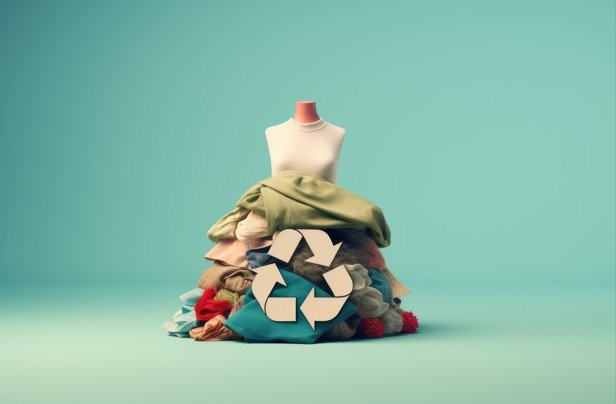
Textiles should also be handled responsibly. You should donate usable clothing or recycle fabric through specialized programs.
You Should Close the Loop by Shopping Sustainably
Recycling only works if there is demand for recycled materials.
You should support products made from recycled content. This helps create a market for recycled materials and encourages businesses to adopt sustainable practices.
Choosing materials like glass and metal is also a better option because they can be recycled multiple times without losing quality.
You should also look for eco-certifications when buying products. Labels like FSC (Forest Stewardship Council) indicate that materials are sourced responsibly.
By making conscious purchasing decisions, you complete the recycling cycle.
You Should Avoid Common Recycling Mistakes
Even with good intentions, mistakes can reduce the effectiveness of recycling.
You should avoid mixing different types of waste, as this leads to contamination. You should not place dirty items in recycling bins, and you should never assume that all materials are recyclable.
Another common mistake is over-reliance on recycling. Remember, reducing and reusing are more impactful than recycling alone.
Being mindful of these mistakes can significantly improve your sustainability efforts.
How Recycling Supports Sustainable Living
When you follow proper recycling practices, the benefits extend beyond waste management.
You help conserve natural resources, reduce energy consumption, and lower pollution levels. Recycling also reduces greenhouse gas emissions, which helps combat climate change.
At the same time, sustainable habits like reducing and reusing contribute to a more mindful lifestyle.
In the long run, these actions create a positive impact not only on the environment but also on your daily life.
Frequently Asked Questions
1. What are the best recycling tips for sustainable living?
You should follow the 5 R’s, reduce waste at the source, clean recyclables, and follow local recycling guidelines.
2. Why is reducing waste more important than recycling?
Reducing waste prevents environmental impact before it happens, making it more effective than recycling alone.
3. How can you recycle correctly at home?
You should separate waste, clean recyclable items, and avoid placing non-recyclable materials in recycling bins.
4. What items should not be recycled?
Items like plastic bags, greasy paper, and mixed-material packaging are often not recyclable.
5. How does recycling support sustainable living?
It conserves resources, reduces pollution, and promotes a circular economy.
Build Sustainable Habits That Last
Sustainable living is not about making drastic changes overnight. It’s about building habits that you can maintain over time.
You should start with small steps, such as separating waste, reducing single-use items, and choosing reusable alternatives. Over time, these habits become part of your routine.
Consistency is more important than perfection. Even small efforts, when practiced regularly, can lead to significant environmental benefits.