
Trying to live sustainably can feel overwhelming at first. You see people fitting a year’s worth of trash into a jar, and suddenly your daily habits start to look like a problem. I remember thinking I had to change everything overnight, switch every product, stop all plastic, and fix every habit. That approach lasted about three days.
What actually worked was much simpler. Instead of chasing perfection, I started paying attention to the small things I was doing every day. The coffee cup, the grocery bag, the way I stored food. That’s where a zero-waste lifestyle begins, not with extreme changes, but with awareness and a few intentional swaps.
What a Zero Waste Lifestyle Really Looks Like

A lot of people misunderstand this. A zero-waste lifestyle isn’t about producing zero trash instantly. It’s about reducing what you can, when you can, without disrupting your life completely.
On average, a person generates around five pounds of trash daily. That sounds like a big number, but it also means there’s a lot of room for improvement. And most of that waste comes from repeated habits, not one-time actions.
Once you start noticing patterns, the shift becomes easier.
Start Where Waste Happens the Most: Your Kitchen
The kitchen is usually the biggest source of waste in any home. Food waste alone makes up a huge portion of household trash, and most of it is avoidable.
Instead of trying to overhaul everything, focus on a few practical changes:
- Plan meals around what you already have before buying more
- Store food properly so it lasts longer
- Compost scraps instead of throwing them away
Composting might sound complicated, but even simple setups can handle food scraps effectively. And if you’re not ready for that, just reducing food waste already makes a noticeable difference.
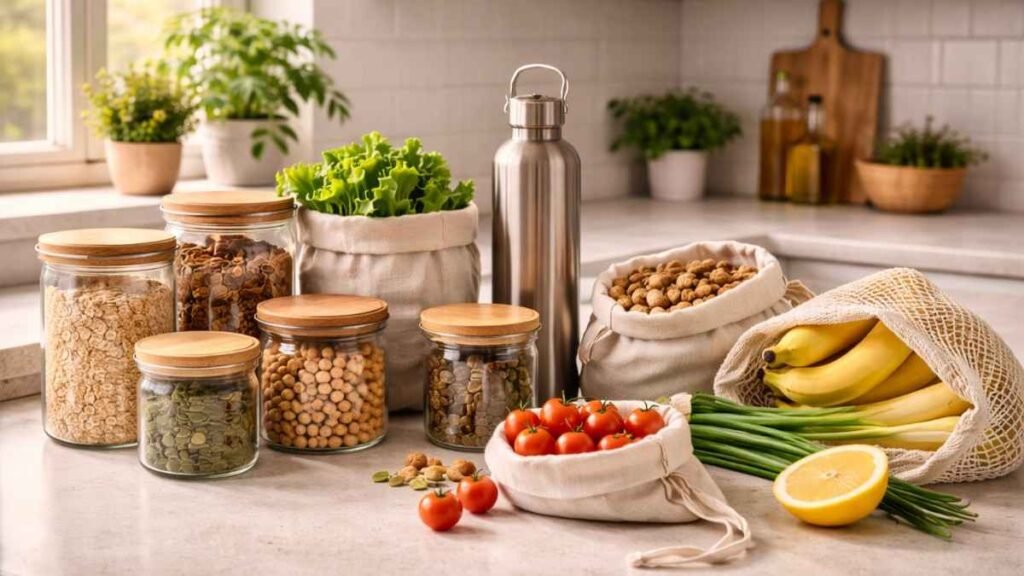
Another shift that helps immediately is buying in bulk. Using your own containers cuts down on packaging and often saves money at the same time.
Everyday Habits That Quietly Create Waste
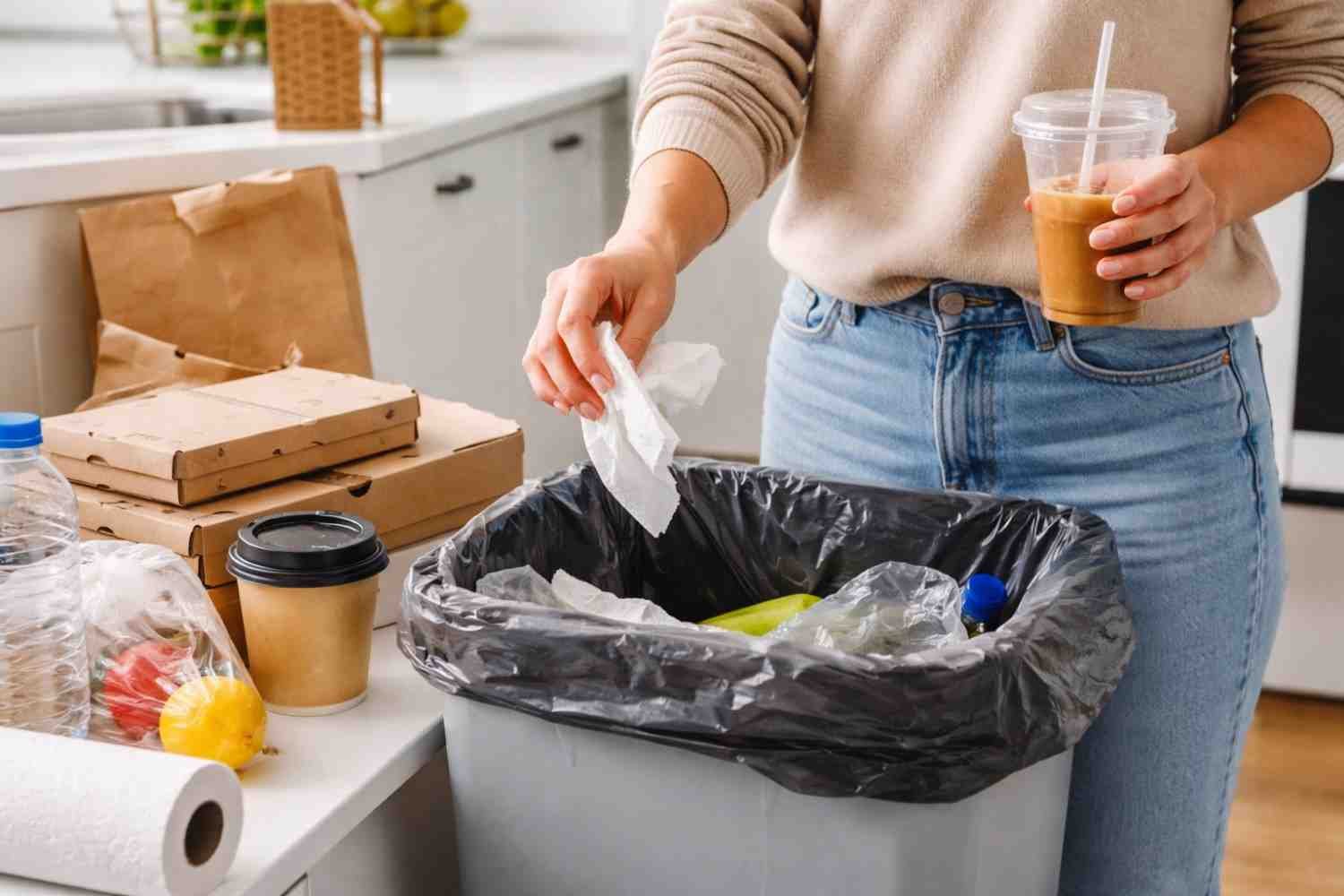
A lot of waste doesn’t come from big decisions. It comes from small, repeated habits that feel normal.
Think about how often you:
- Grab a plastic water bottle
- Accept a takeaway coffee cup
- Use single-use bags
These don’t feel like major problems individually, but over time, they add up fast.
Switching to a reusable water bottle or carrying a coffee mug doesn’t require effort after the first few days. It just becomes part of your routine. The same goes for keeping a reusable bag with you.
There’s even a simple trick that works surprisingly well if you forget your bag at the store: just carry items loose in your cart and bag them later. It sounds small, but it prevents unnecessary plastic use.
Where Most People Go Wrong With Zero Waste
The biggest mistake isn’t using plastic. It’s trying to eliminate everything at once.
When people attempt a zero-waste lifestyle, they often:
- Replace perfectly usable items too early
- Buy expensive “eco” alternatives unnecessarily
- Try to follow strict rules instead of building habits
That approach doesn’t last.
A better way is to use what you already have and replace things only when needed. Sustainability works best when it fits into your life, not when it disrupts it.
Small Swaps That Actually Stick

Instead of chasing big changes, focus on swaps that feel natural and easy to maintain.
Here are a few that tend to work long-term:
- Switch from liquid soap bottles to solid bars
- Replace plastic wrap with reusable alternatives
- Use a safety razor instead of disposable ones
- Go paperless for bills and receipts
These changes don’t just reduce waste, they simplify your daily routine.
Personal Care Is a Hidden Waste Zone

Most people don’t realize how much waste comes from the bathroom. Plastic packaging, disposable razors, and single-use products quietly pile up.
Switching to bar-based products like soap and shampoo is one of the easiest ways to cut down waste here. They last longer, take up less space, and eliminate packaging almost completely.
Safety razors are another smart shift. Instead of constantly throwing away plastic, you invest once and use it for years.
Conscious Consumption Changes Everything
At some point, zero waste stops being about products and starts being about decisions.
Before buying anything, you begin to ask:
Do I actually need this?
That shift alone reduces more waste than any product swap ever could.
A few habits that make a real difference:
- Choosing secondhand items first
- Repairing instead of replacing
- Saying no to unnecessary freebies
These choices prevent waste before it even enters your space.
Building a System That Works for You
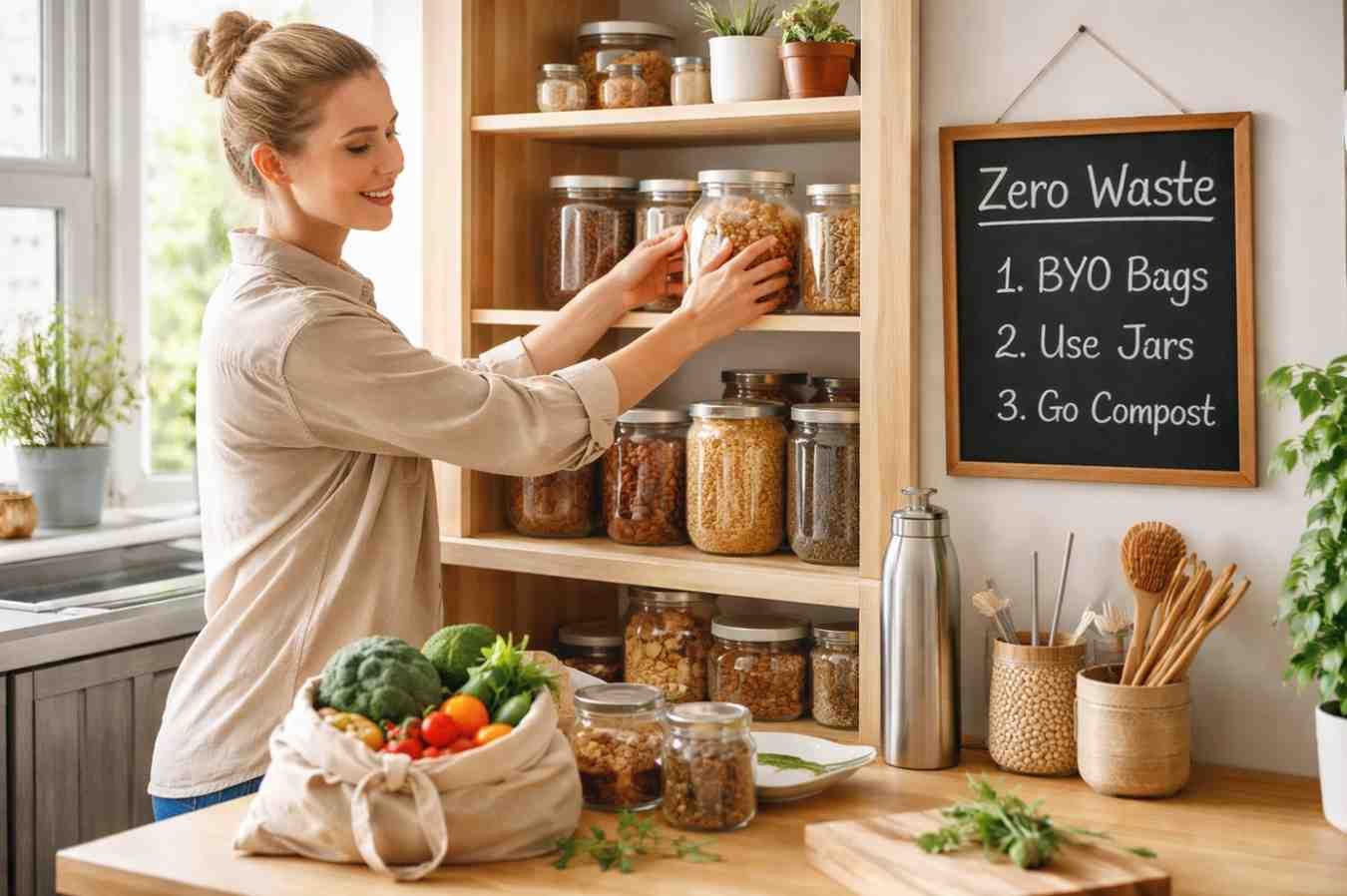
This is where everything connects. A zero-waste lifestyle becomes sustainable when it turns into a system, not a checklist.
After you understand your habits, it becomes easier to create a zero-waste home and reduce plastic in ways that actually fit your routine. You stop forcing changes and start designing your environment to support better choices.
That’s when it sticks.
Why Progress Matters More Than Perfection?
There’s a lot of pressure around sustainability to “do it right.” But the reality is, small, consistent actions matter far more than extreme efforts that don’t last.
If you reduce even a fraction of your daily waste, that impact adds up over time. And when more people take small steps, the collective effect becomes significant.
You don’t need to be perfect. You just need to be consistent.
FAQs
1. What is a zero-waste lifestyle in simple terms?
It’s a way of living that focuses on reducing waste by making conscious choices like reusing items, avoiding unnecessary packaging, and consuming less overall.
2. How do I start a zero-waste lifestyle as a beginner?
Start small. Focus on one area, like your kitchen or daily habits. Replace single-use items gradually instead of trying to change everything at once.
3. Is zero waste lifestyle expensive?
Not necessarily. Many changes, like using what you already have or buying less, actually save money over time.
4. Can I follow a zero-waste lifestyle realistically?
Yes. The goal is not perfection but progress. Even partial changes make a meaningful difference when done consistently.
Final Thoughts
A zero-waste lifestyle isn’t about dramatic changes or perfect execution. It’s about paying attention to the small things you do every day and slowly improving them. When you shift your mindset from “fix everything” to “improve what I can,” the process becomes much more manageable.
Over time, these small actions build into something bigger. Not just a cleaner home, but a more intentional way of living. And that’s where the real impact comes from.