It usually starts with something small. A higher electricity bill than expected. A room that never feels the right temperature. Or just that quiet thought, there has to be a better way to run a home without wasting so much energy. That’s where most people begin thinking about green home improvements.
But the problem is, once you start looking into it, everything feels either too expensive or too complicated. Solar panels, insulation upgrades, smart systems, it sounds like a full renovation project. In reality, making your home more efficient doesn’t have to be overwhelming. It’s about making the right changes in the right order.
What Green Home Improvements Actually Mean?
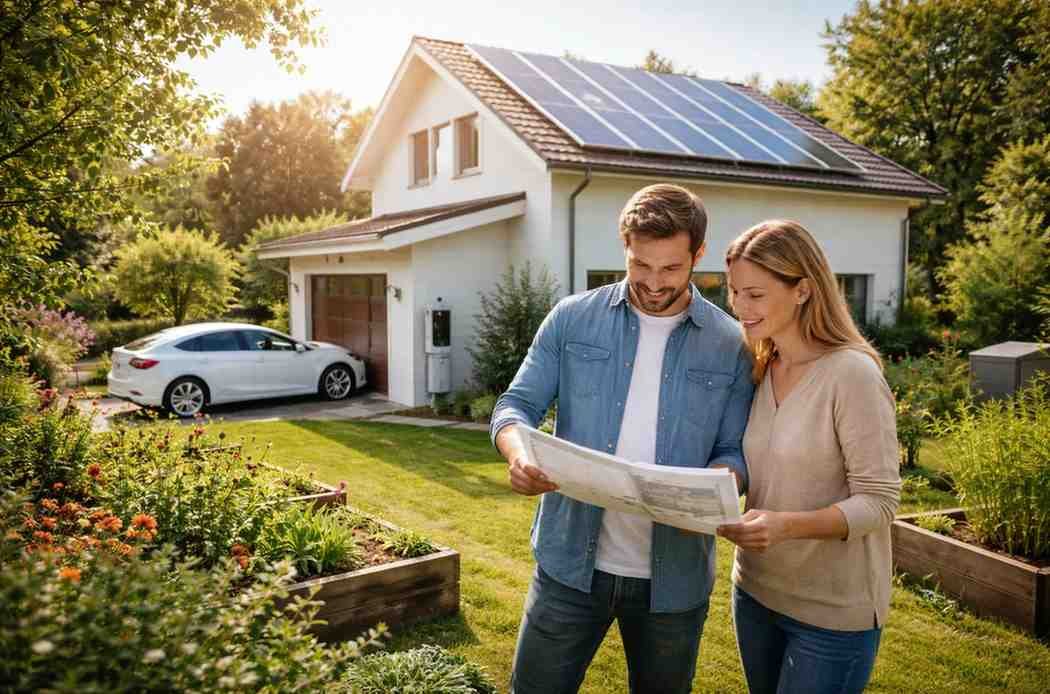
Green home improvements are not just about being eco-friendly. They’re about building a home that uses less energy, wastes fewer resources, and feels more comfortable to live in every day.
A future-ready home focuses on three things:
- Lower energy consumption
- Better resource management
- Healthier indoor environment
And here’s something most people don’t realize: homes with sustainable upgrades are increasingly seen as more valuable. Buyers are starting to care about efficiency just as much as design.
Where Most People Go Wrong
The biggest mistake is trying to do everything at once.
People jump straight into expensive upgrades like solar systems without fixing basic inefficiencies first. If your home is leaking air or poorly insulated, you’re just wasting the energy you generate.
Another common issue is ignoring daily habits. You can install the best systems in the world, but if your usage patterns are inefficient, you won’t see real benefits.
That’s why green upgrades work best when they align with a zero-waste lifestyle mindset where both your home and your habits support each other.
Start With Energy Efficiency First
Before anything else, fix how your home consumes energy.
Upgrade Insulation and Seal Air Leaks
A poorly insulated home loses a massive amount of energy. Temperature escapes through walls, roofs, and small gaps around doors and windows.
Improving insulation can significantly reduce heating and cooling usage. Even small fixes like sealing gaps or adding reflective roof coatings can make a noticeable difference.
Switch to Energy-Efficient Appliances
Older appliances consume far more electricity than necessary. Modern energy-efficient models are designed to use less power while performing better.
Upgrading appliances like air conditioners, refrigerators, and fans can reduce energy consumption by a large margin over time.
Install Smart Controls
Smart thermostats and automated lighting systems adjust usage based on your routine. Instead of running constantly, they optimize energy only when needed.
This not only improves efficiency but also makes your home feel more responsive and intuitive.
Bring in Renewable Energy the Smart Way
Once your home is efficient, renewable energy becomes much more effective.
Solar Power Systems
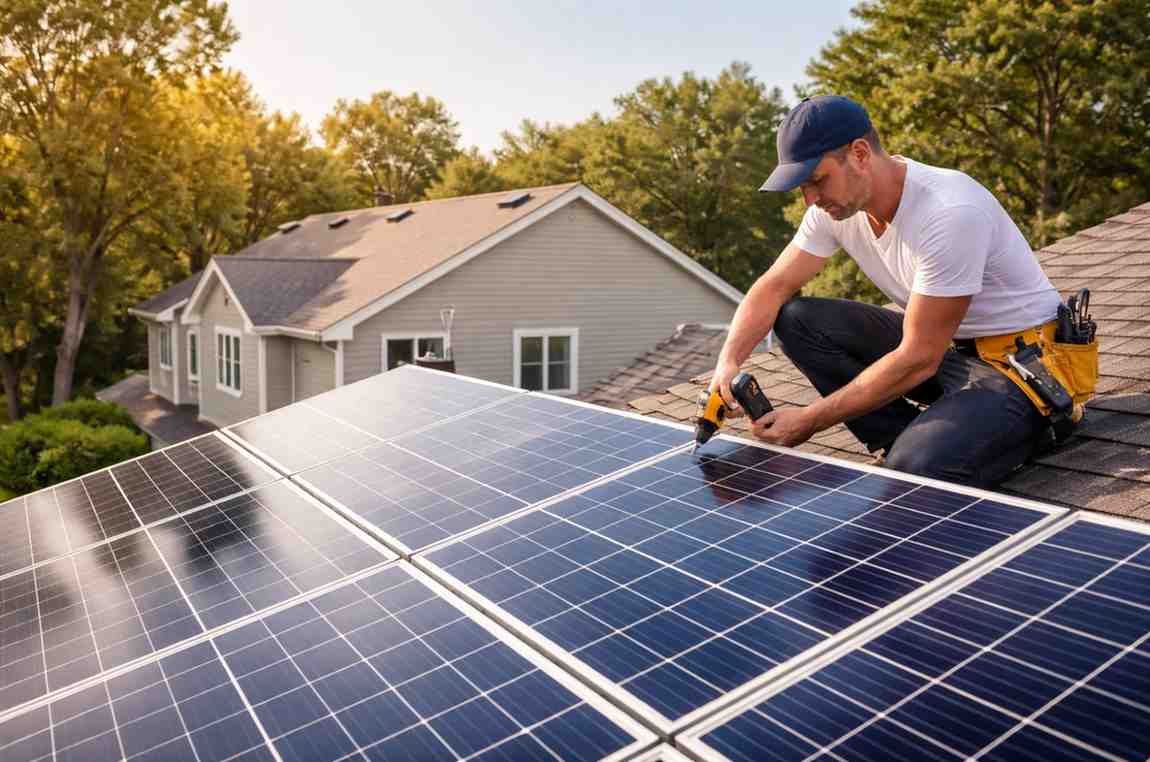
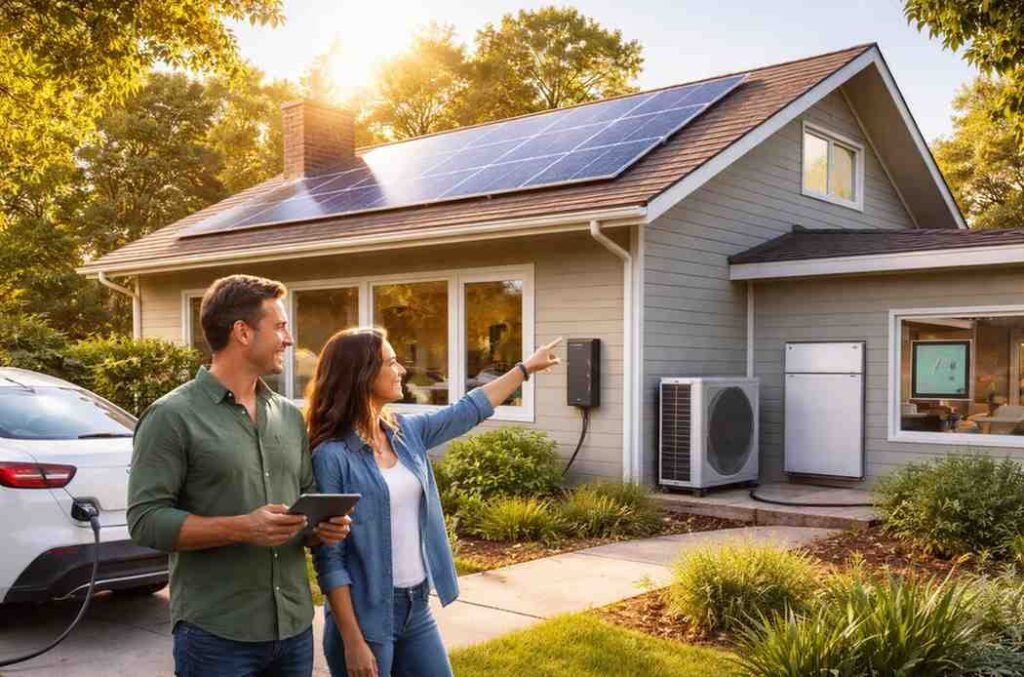
Installing solar panels can significantly reduce your dependence on traditional electricity. In many cases, it can cover a large portion of your daily energy needs.
Pairing solar systems with battery storage gives you more control and stability, especially during outages.
But here’s the key: Solar works best when your baseline energy consumption is already optimized.
Improve Water and Waste Management
Energy is only one part of the equation. Water usage and waste handling play a big role in how sustainable your home actually is.
Simple Changes That Make a Big Impact
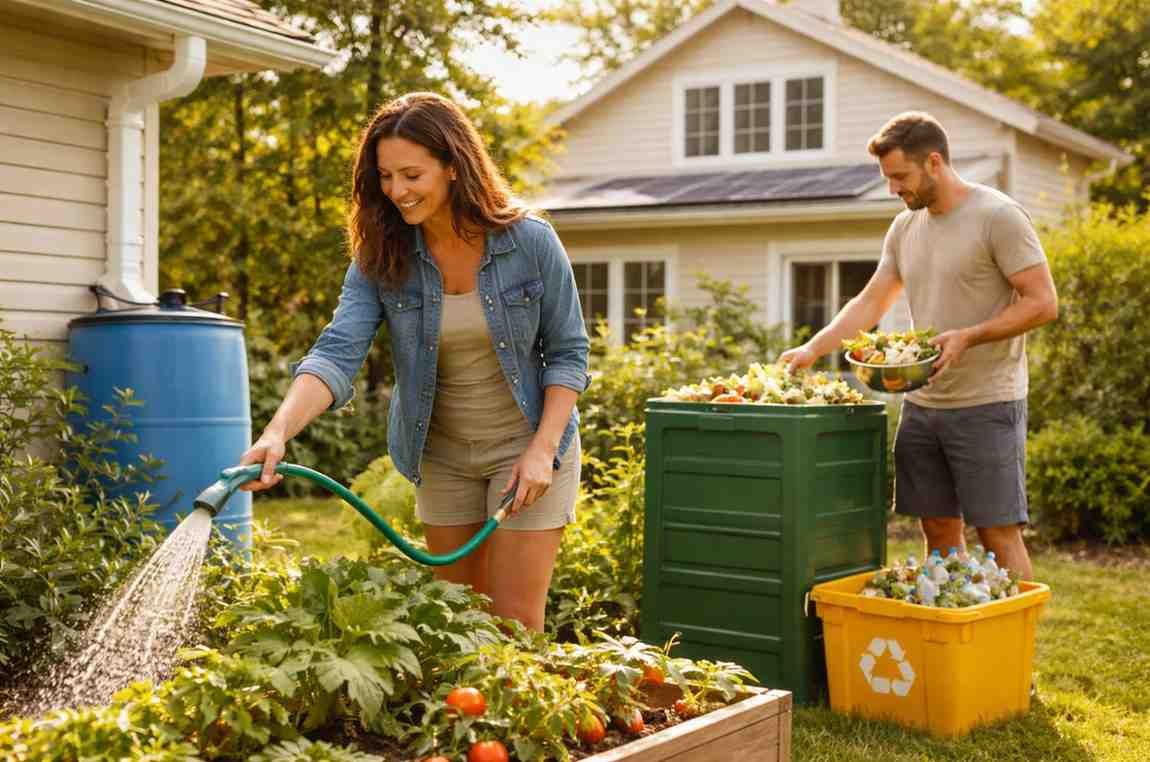
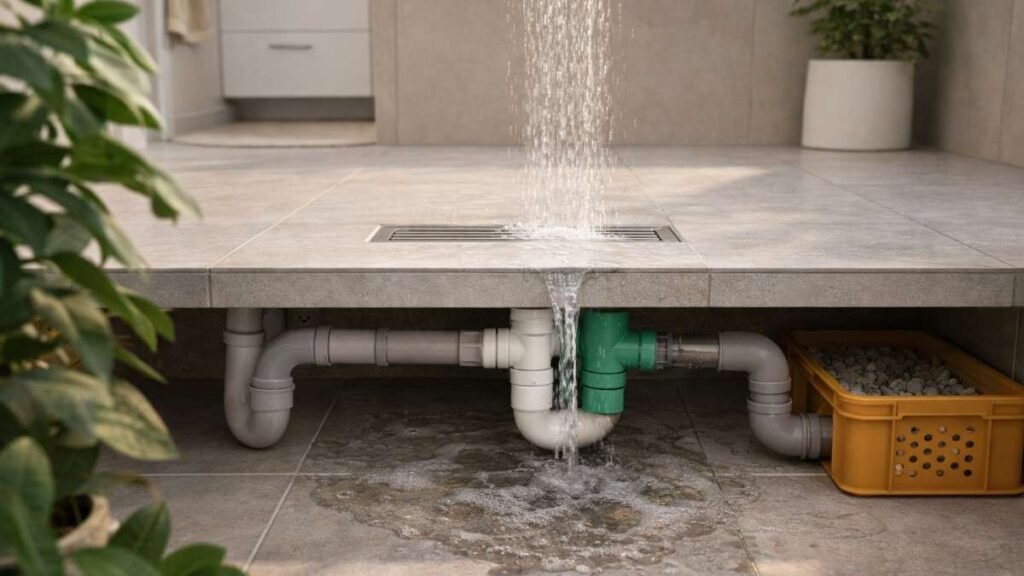
- Install low-flow fixtures to reduce water usage
- Use dual-flush toilets for better control
- Add leak detection systems to prevent hidden waste
Rainwater harvesting systems can also supply a significant portion of your water needs if set up properly.
Composting and Smart Waste Handling
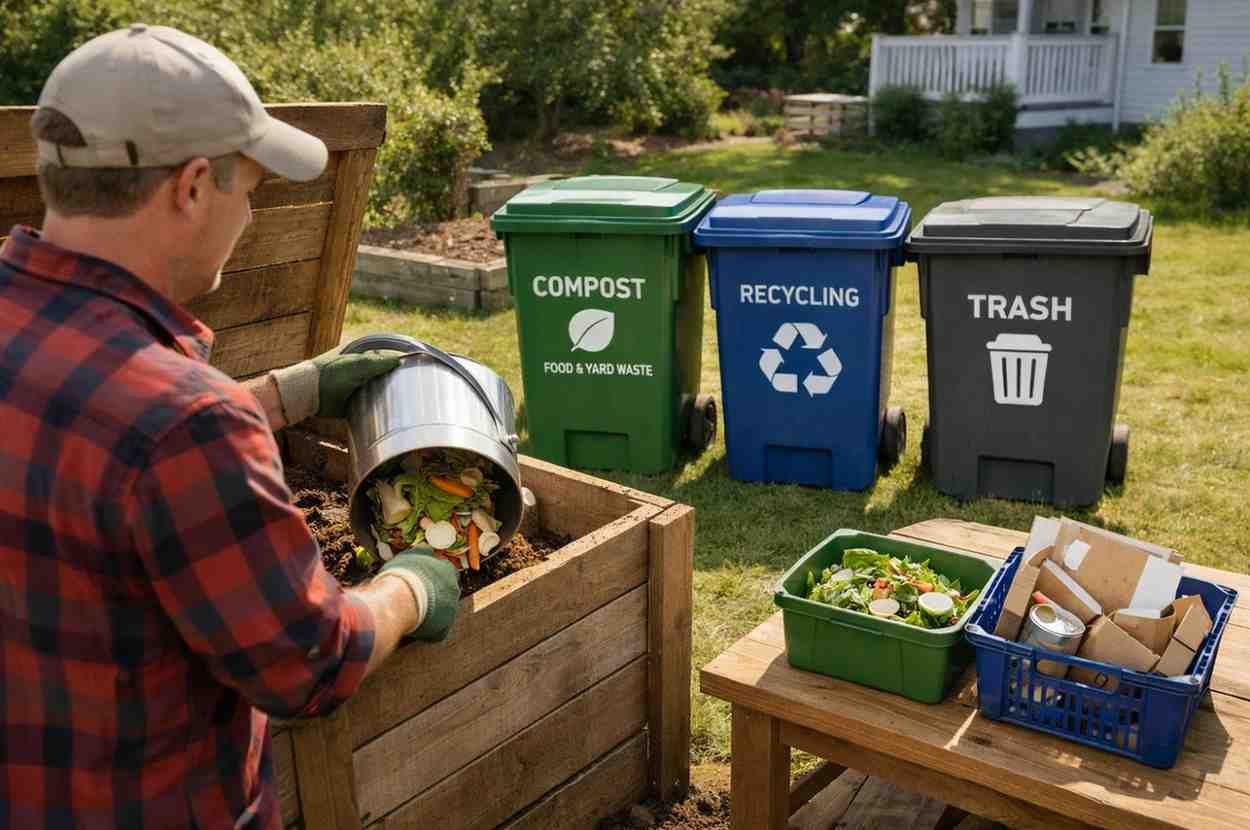
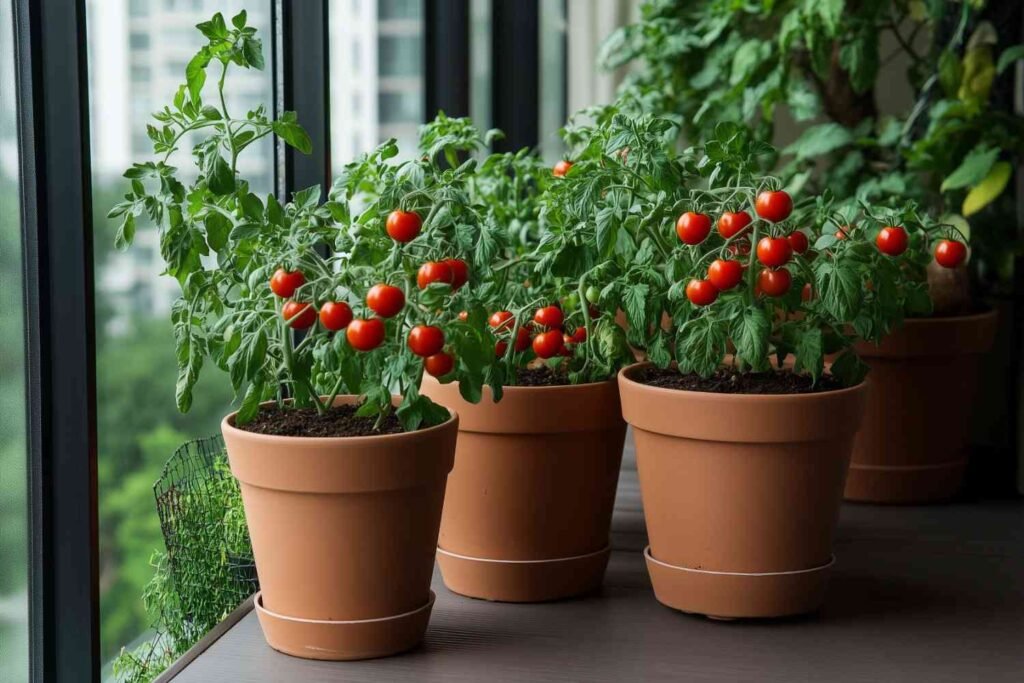
Instead of sending organic waste to landfills, composting turns it into something useful. It reduces waste output and supports home gardening at the same time.
This is where many people naturally start exploring how to reduce plastic in their daily routines, because once you become aware of waste, it’s hard to ignore how much unnecessary material comes into your home.
Use Materials That Actually Support Healthy Living
Not all improvements are about saving energy. Some are about improving how your home feels.
Low-Toxic Materials
Traditional paints and materials often release harmful chemicals into the air. Switching to low-VOC paints and natural materials improves indoor air quality significantly.
Materials like bamboo, reclaimed wood, and eco-friendly composites are becoming more popular for a reason: they’re better for both the environment and your health.
Design That Works With Nature
You don’t need a full redesign to make your home feel more natural.
Adding indoor plants, natural lighting, and small green spaces can:
- Improve air quality
- Reduce heat naturally
- Create a calmer living environment
Even something as simple as a vertical garden can make a noticeable difference.
Small Changes That Add Up Over Time
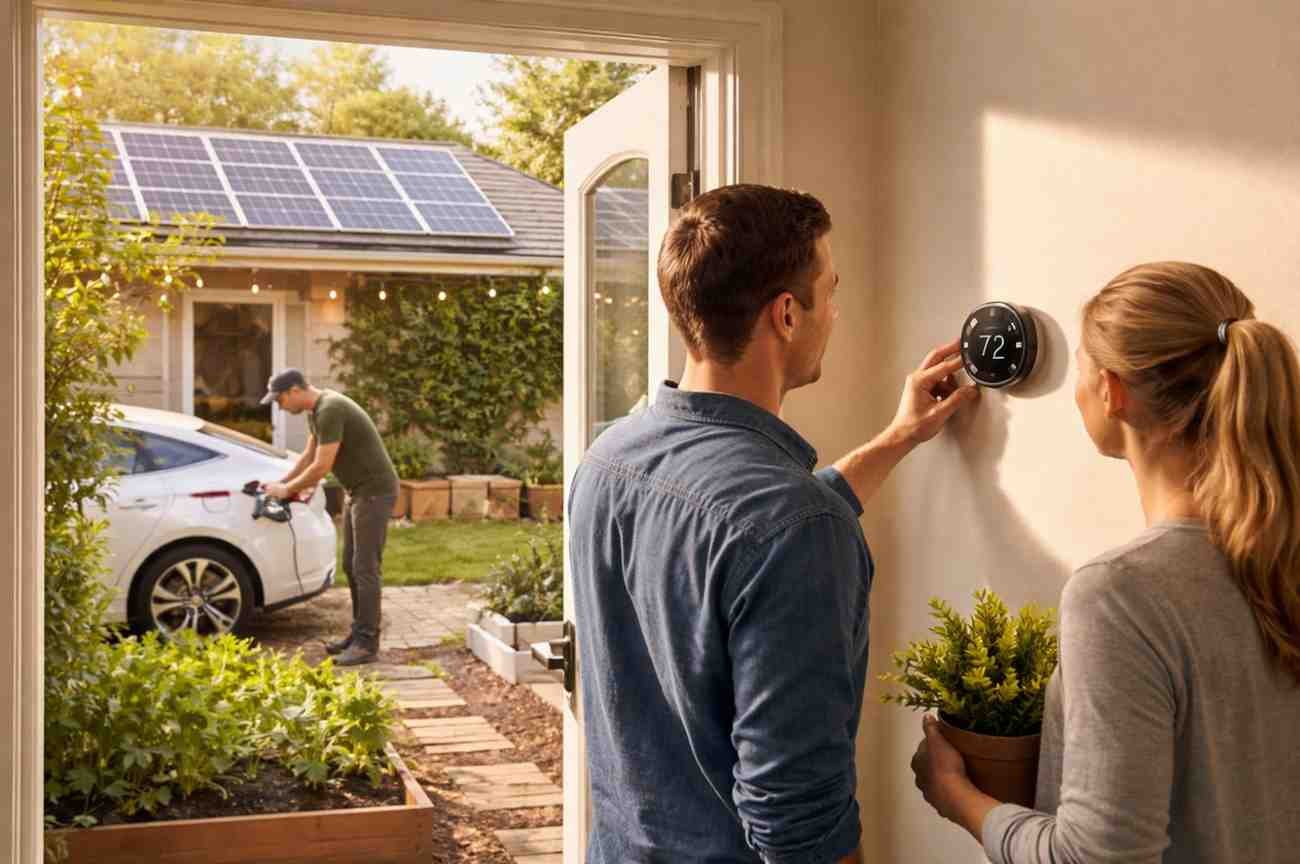
You don’t need to do everything at once. The most effective approach is gradual improvement.
Focus on:
- Fixing inefficiencies first
- Upgrading systems second
- Enhancing lifestyle habits alongside
That’s how green home improvements become sustainable not just environmentally, but financially and practically.
FAQs
1. What are the most important green home improvements to start with?
Start with insulation, sealing air leaks, and upgrading to energy-efficient appliances. These give the fastest and most noticeable results.
2. Do green home improvements really save money?
Yes. While some upgrades require upfront investment, they reduce utility bills significantly over time and increase property value.
3. Is solar energy necessary for a sustainable home?
Not necessarily. Solar is powerful, but it works best after improving your home’s energy efficiency first.
4. How can I make my home more eco-friendly without renovation?
You can start with small changes like switching to LED lighting, reducing water usage, composting, and improving daily habits.
Final Thoughts
Green home improvements are less about big, dramatic changes and more about making your home work smarter over time. When you focus on efficiency first and build from there, everything else becomes easier to manage. The goal isn’t perfection, it’s progress that actually fits your lifestyle.
And once you start noticing the difference, lower bills, better comfort, less waste, you realize it’s not just about sustainability. It’s about building a home that simply works better.