If you’re searching for natural fertilizers for plants, you’re likely trying to grow healthier plants without relying on chemicals. I’ve been in that exact position—overwhelmed by options and unsure what actually works.
Here’s the truth: natural fertilizers do work, but only if you use the right ones in the right way. In this guide, I’ll show you exactly what I use, what most guides miss, and how you can build a simple, effective system at home.
What Are Natural Fertilizers for Plants and Why Do They Work?
Natural fertilizers nourish plants by improving soil structure and providing a steady, slow-release supply of essential nutrients like Nitrogen (N), Phosphorus (P), and Potassium (K) .
Unlike synthetic fertilizers, they also feed beneficial microorganisms in the soil. That creates a living ecosystem, which leads to stronger roots, better water retention, and long-term plant health.
From my experience, this is the biggest difference. Chemical fertilizers feed the plant quickly. Natural fertilizers build the entire system.
Which Natural Fertilizers for Plants Actually Work Best at Home?
Compost: The Base of Everything
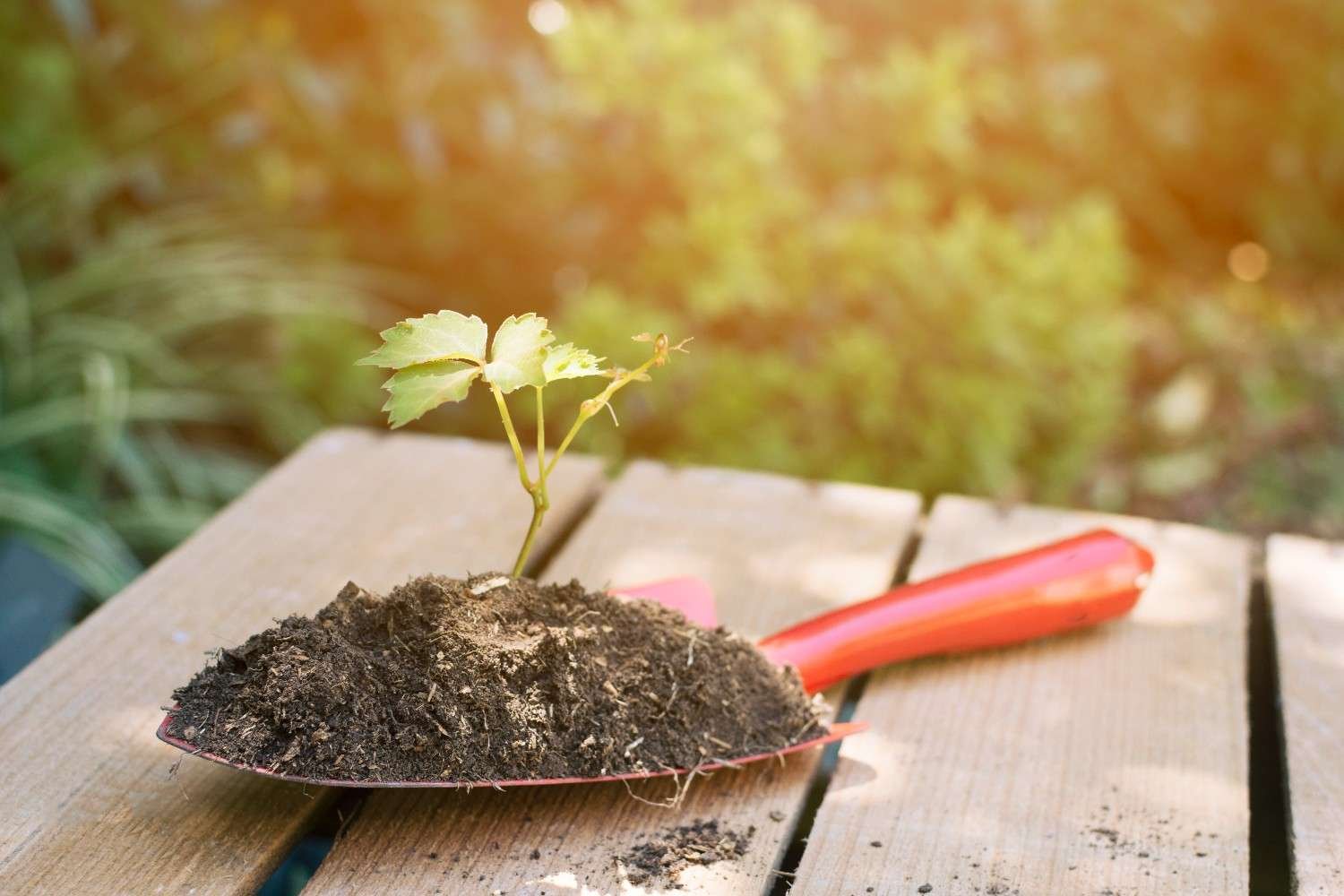
Compost is often called “black gold,” and honestly, it deserves that name.
It’s made from decomposed kitchen and garden waste, and it improves soil aeration while adding nutrients . I use compost as my base layer for almost every plant, whether it’s vegetables or houseplants.
Vermicompost: High-Impact Organic Boost
Vermicompost comes from earthworms breaking down organic matter. It’s more nutrient-dense than regular compost and works incredibly well for both indoor and outdoor plants .
I usually mix a small amount into potting soil, and the results are noticeably better within weeks.
Cow Dung Manure: Traditional but Powerful
Well-rotted cow dung is rich in nitrogen and organic carbon. It’s one of the oldest natural fertilizers and still one of the most effective .
The key here is using it only when it’s fully decomposed. Fresh manure can damage plants.
Seaweed and Kelp: Trace Minerals + Growth Boost
Seaweed-based fertilizers are packed with trace minerals and natural growth hormones. I’ve found they help plants recover faster and improve overall resilience .
Liquid kelp solutions are especially useful during early growth stages.
Bone Meal: For Strong Roots and Flowers
Bone meal is a slow-release phosphorus source. It supports root development and flowering, which makes it perfect for flowering plants and fruiting crops .
Neem Cake: Nutrition + Natural Pest Control
Neem cake is one of my favorite additions. It feeds the soil while also acting as a natural pest repellent .
This dual benefit is something most beginners overlook.
Top Homemade Natural Fertilizers You Can Make Easily
Banana Peel Water for Flowering Plants
Soaking banana peels in water for 2–3 days creates a potassium-rich liquid fertilizer that works great for tomatoes and roses .
Coffee Grounds for Leafy Growth
Used coffee grounds add nitrogen, which promotes green growth. I sprinkle them lightly into soil, especially for indoor plants.
Eggshell Powder for Calcium
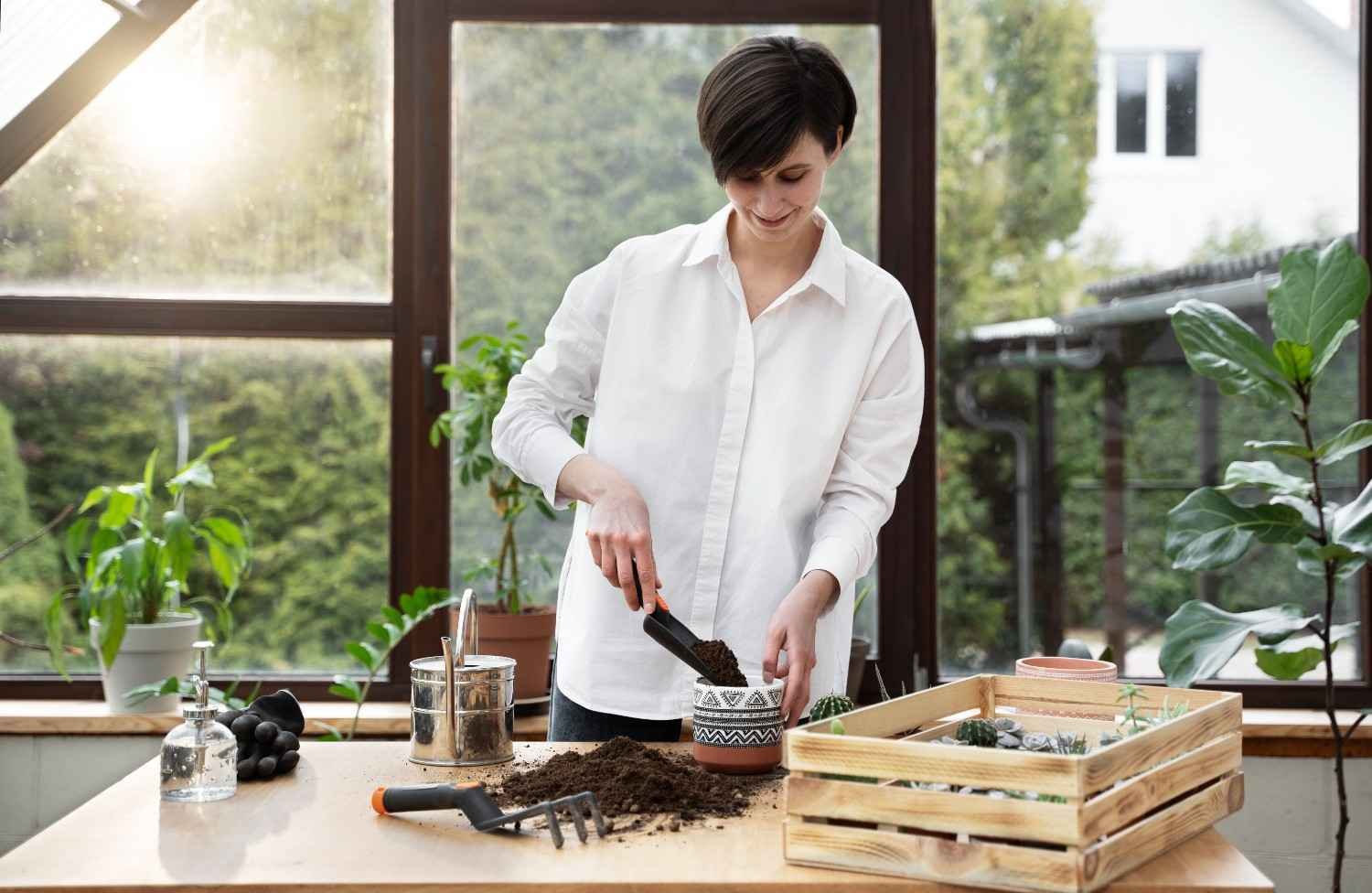
Grinding eggshells into powder adds calcium, which helps prevent blossom end rot in vegetables like tomatoes .
Rice Water for Soil Health
Rice water contains starch and trace minerals that support beneficial soil bacteria .
Aquarium Water as Liquid Fertilizer
If you have a freshwater tank, that water is naturally rich in nitrogen and works surprisingly well for houseplants .
How to Use Natural Fertilizers for Plants Without Damaging Your Soil
Here’s where most guides fall short.
Using too much—even if it’s natural—can harm your plants. I learned this early when I overused coffee grounds and disrupted soil balance.
What works best is rotation. I use compost regularly, add targeted nutrients occasionally, and avoid stacking too many fertilizers at once.
Consistency beats intensity every time.
Organic vs Synthetic Fertilizers: What’s the Real Difference?
Organic fertilizers release nutrients slowly, improve soil structure, and carry minimal environmental risk. Synthetic fertilizers act faster but can damage soil over time and increase the risk of chemical runoff .
From what I’ve seen, natural fertilizers create healthier plants in the long run, even if the results take slightly longer.
When Should You Use Natural Fertilizers for Plants?
Timing matters more than most people think.
I usually apply fertilizers during the growing season—spring through early fall. During colder months, I reduce feeding since plant growth slows down.
Indoor plants need lighter, more frequent feeding instead of heavy applications.
What Most People Get Wrong About Natural Fertilizers
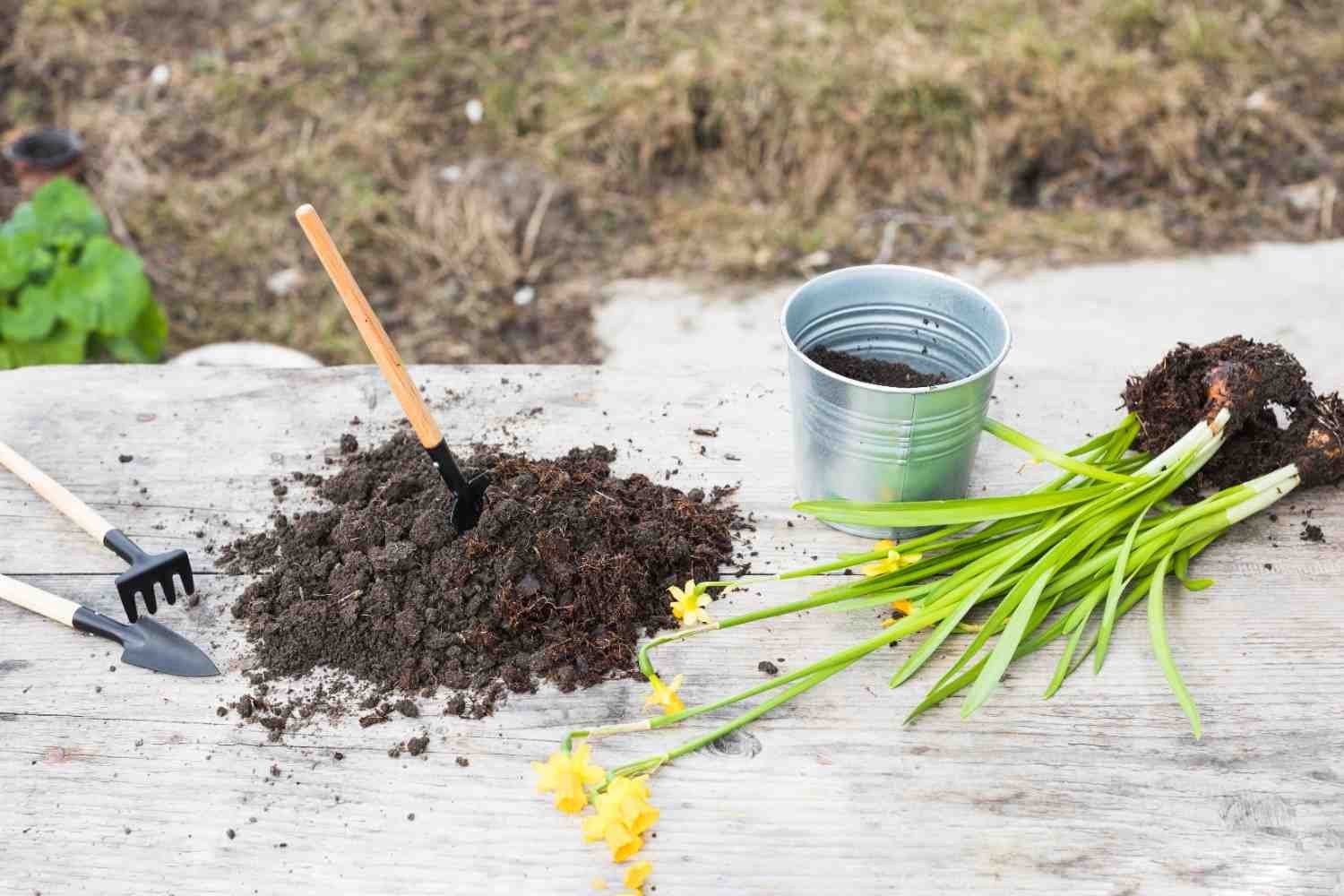
Here’s something I wish someone told me earlier.
Natural fertilizers are not instant solutions. They work gradually, and that’s actually their biggest advantage.
Another mistake is assuming all plants need the same nutrients. Leafy plants need more nitrogen, while flowering plants need more phosphorus and potassium.
Understanding this balance is what separates average results from great ones.
Frequently Asked Questions About Natural Fertilizers for Plants
1. What is the best natural fertilizer for plants?
Compost is the most reliable option because it improves both soil health and plant growth.
2. Can I use kitchen waste directly as fertilizer?
It’s better to compost it first to avoid pests and improve nutrient absorption.
3. How often should I use natural fertilizers for plants?
I recommend monthly compost feeding and occasional liquid fertilizers during the growing season.
4. Are natural fertilizers safe for indoor plants?
Yes, but use smaller amounts to prevent buildup in limited soil.
What Made the Biggest Difference for Me
Switching to natural fertilizers for plants changed how I approach gardening completely.
Instead of chasing quick results, I started focusing on building healthy soil. That one shift made everything easier—fewer problems, stronger plants, and less maintenance over time. By sticking to the gardening basics for beginners, I learned the importance of nourishing the soil naturally, which made a huge difference in plant health and growth.
If you keep it simple and stay consistent, you’ll see the same results.