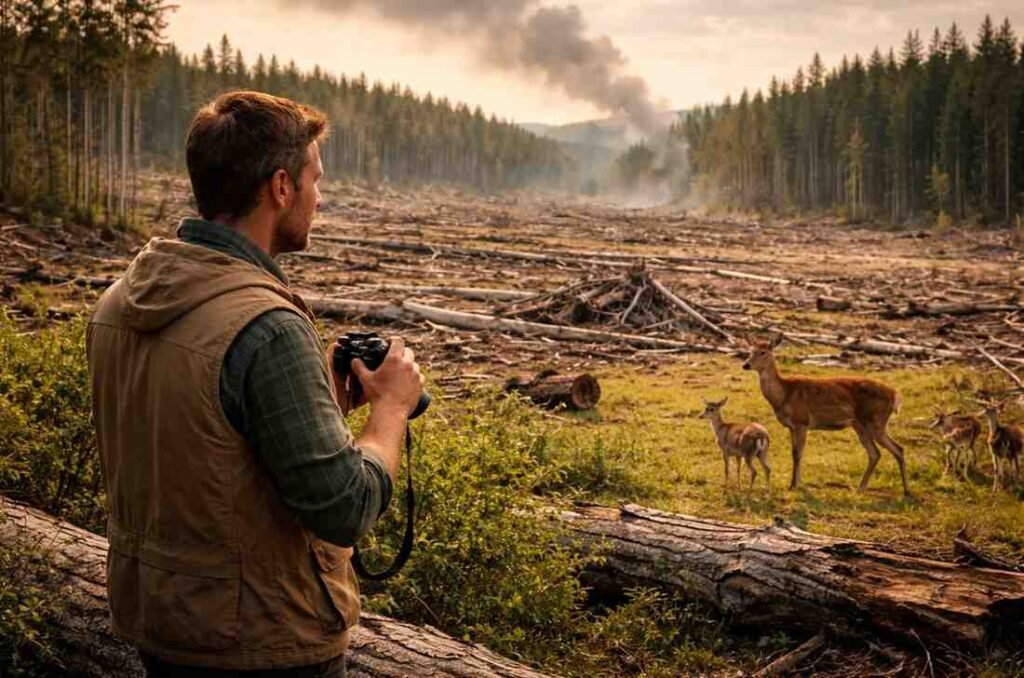
Walk through any natural landscape that once felt untouched, and the change is often subtle at first. A quieter forest. Fewer birds at dawn. Trails that used to show animal tracks now look undisturbed for days. Wildlife rarely disappears overnight; populations fade gradually as the spaces they depend on shrink or transform. Habitat loss doesn’t just remove land, it alters the invisible systems animals rely on to survive, reproduce, and move safely.
Conversations about wildlife decline often focus on extinction headlines, but the real story begins much earlier. Long before a species vanishes, populations weaken, behaviors change, and ecosystems lose balance. Understanding the impact of habitat loss on wildlife populations today means looking beyond numbers and recognizing how environmental changes ripple through entire ecological networks.
What Habitat Loss Really Means for Wildlife Populations
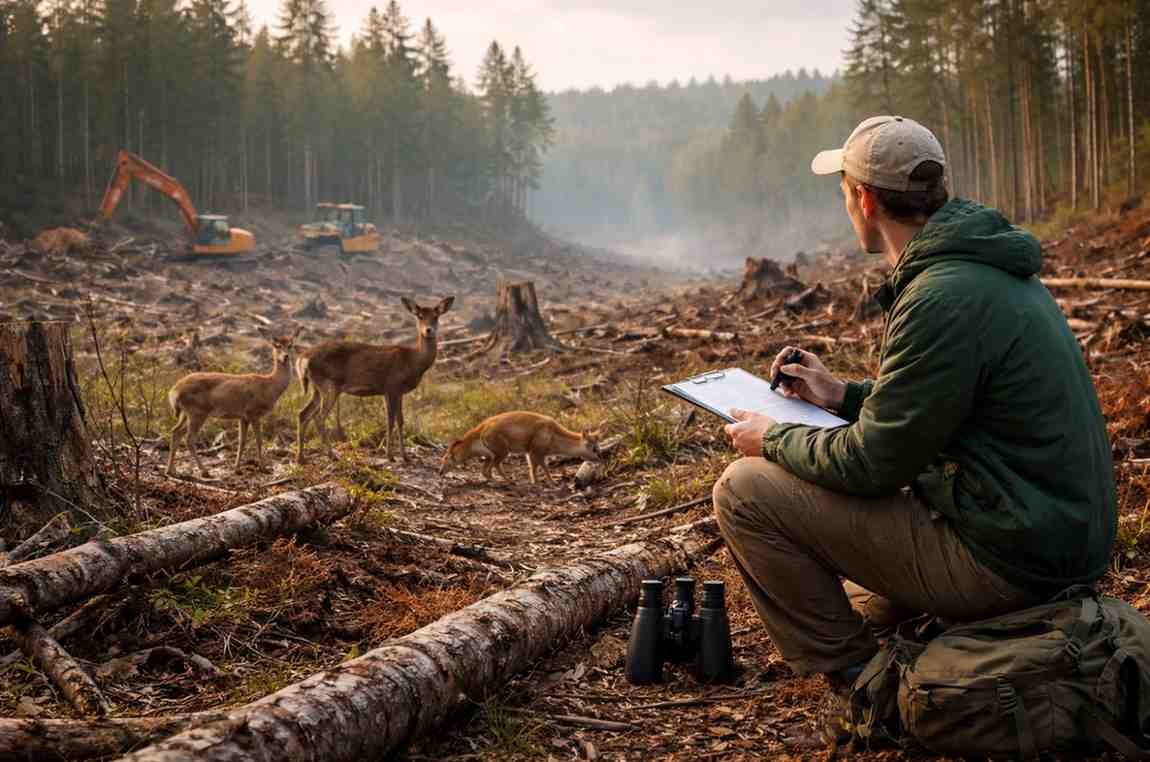
Habitat loss occurs when natural environments can no longer support the species living there. This happens through land development, agricultural expansion, infrastructure growth, and environmental shifts that reshape ecosystems faster than wildlife can adapt.
Wildlife populations depend on three essentials: food, shelter, and safe breeding areas. When even one of these disappears, population stability begins to decline. Scientists estimate that roughly one-third of plant species and nearly forty percent of animal species now face elevated extinction risk, while many ecosystems show signs of large-scale instability. These changes reflect not isolated incidents but widespread environmental transformation.
Population decline rarely looks dramatic at first. Instead, animals reproduce less successfully, migrate earlier or later than usual, or move into unfamiliar territories. Over time, these small disruptions compound, reducing population resilience.
The Chain Reaction Inside Ecosystems
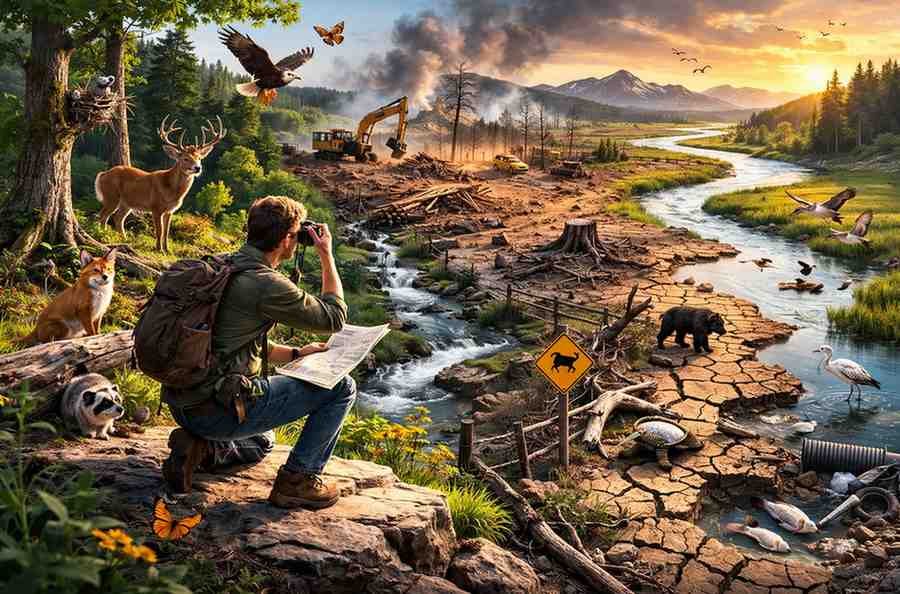
Habitat loss doesn’t affect species individually; it reshapes entire ecological systems.
When a habitat shrinks:
- Prey species lose feeding grounds
- Predators struggle to find consistent food sources
- Pollinators decline, affecting plant reproduction
- Soil and water systems begin to destabilize
These cascading effects create ecosystem imbalance. Research tracking wildlife since 1970 shows an average population decline approaching forty percent across monitored species, demonstrating how habitat pressure accumulates over decades rather than years.
Animals respond by adapting behaviorally. Some shift activity patterns to avoid human presence, while others expand into urban or agricultural spaces. These adaptations may allow temporary survival, but they often come with higher mortality risks and reduced reproductive success.
Habitat Fragmentation: The Invisible Barrier
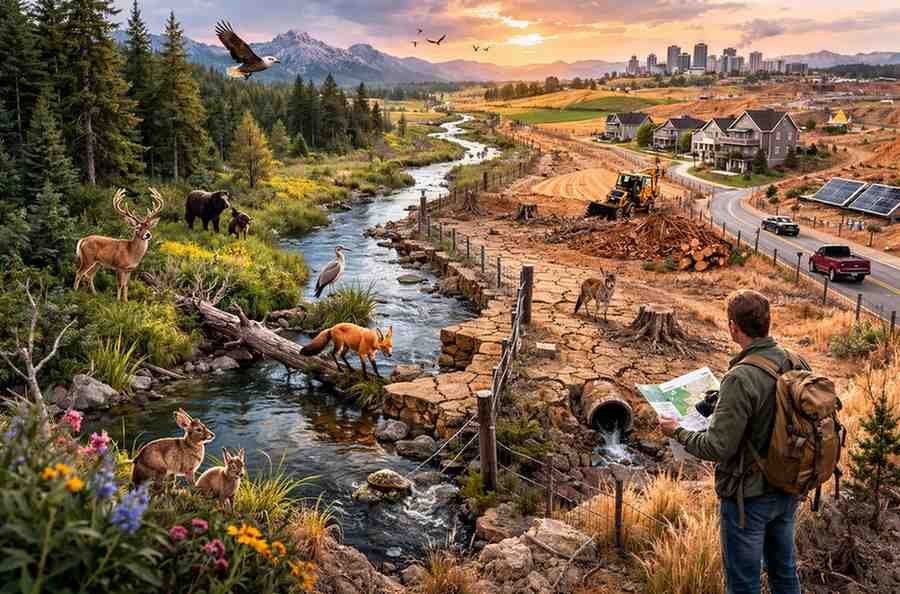
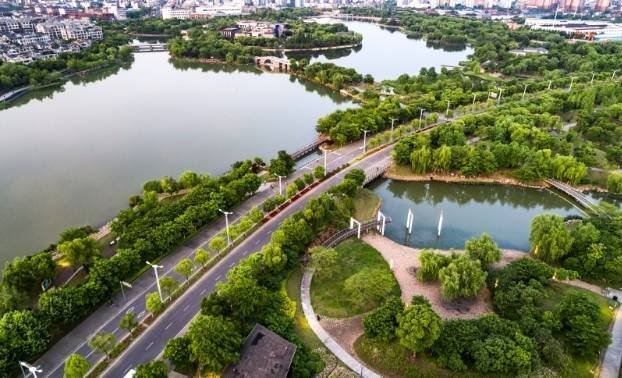
One of the most damaging aspects of habitat loss is fragmentation, when remaining natural areas become divided into isolated patches by roads, housing, or industrial development.
Fragmentation creates problems that aren’t immediately visible:
- Animals cannot find mates across separated populations
- Migration routes break down
- Food sources become inconsistent
- Genetic diversity declines
Small, isolated populations experience what scientists call genetic erosion. With fewer breeding partners, species become more vulnerable to disease and environmental stress. Even populations that appear stable can suddenly collapse after years of gradual weakening.
Migration-dependent species suffer the most. Interrupted routes prevent animals from reaching seasonal feeding or breeding grounds, disrupting life cycles that evolved over thousands of years.
Why Wildlife Populations Decline Before Species Go Extinct
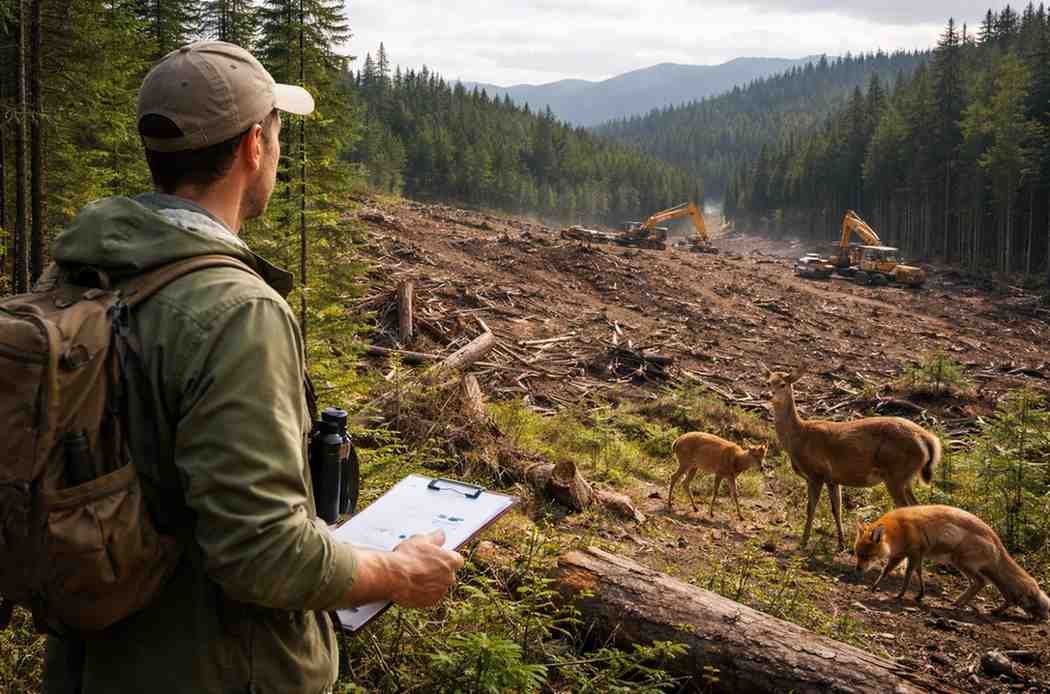
Extinction is the final stage of a long process. Habitat loss first reduces an ecosystem’s carrying capacity, the number of individuals an environment can sustainably support.
As habitats shrink:
- Birth rates fall
- Juvenile survival decreases
- Competition for resources intensifies
In recent years, scientists have officially declared a need to reduce plastic use as multiple species have become extinct after decades of habitat destruction eliminated their survival conditions. At the same time, more than a thousand animal species remain classified as threatened or endangered, showing how widespread population stress has become.
The critical insight here is that population decline often goes unnoticed because animals still exist. Yet once numbers fall below a certain threshold, recovery becomes extremely difficult even if habitats improve later.
The Main Drivers Behind Habitat Loss Today
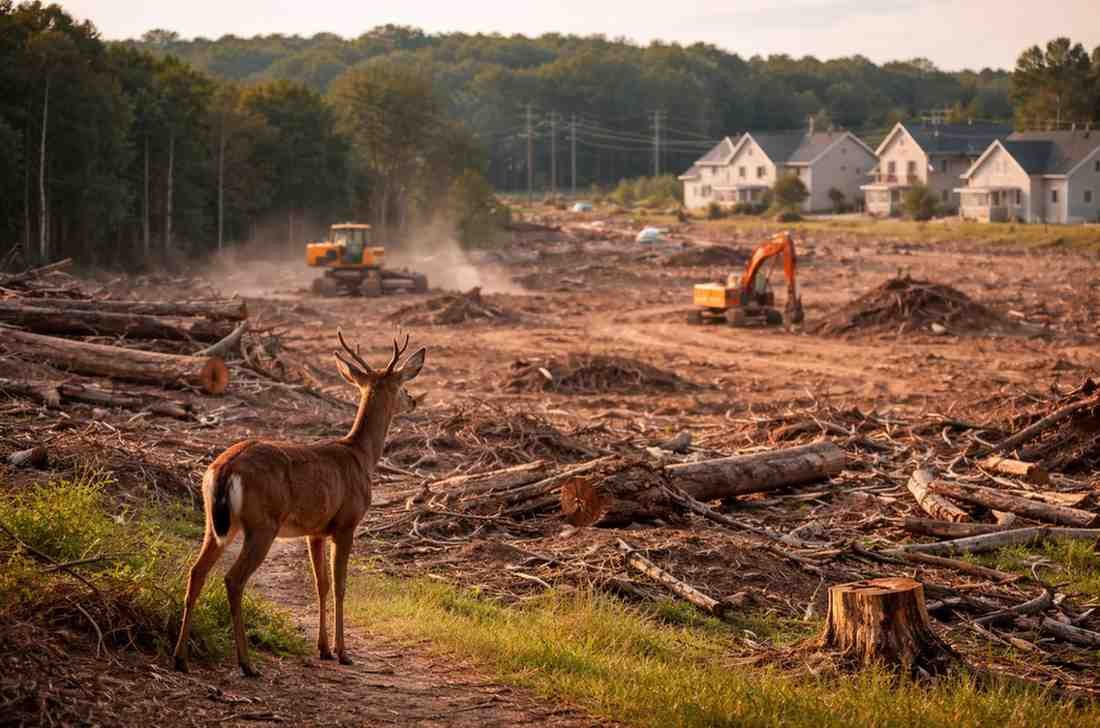
Habitat loss rarely stems from a single cause. Instead, several forces interact simultaneously, accelerating environmental change.
The most influential drivers include:
- Land-use change: Natural landscapes converted into residential areas, transportation networks, and industrial zones reduce continuous habitat space.
- Agricultural expansion: High-demand crop production pressures conservation lands and grasslands, affecting birds, pollinators, and grazing species.
- Climate shifts: Rising temperatures and changing weather patterns force species into smaller or less suitable ranges.
- Water development: Dams and diversions disconnect rivers and wetlands, impacting aquatic wildlife.
- Pollution: Contaminated water and soil weaken ecosystems and reduce species survival rates.
Together, these pressures reshape ecosystems faster than evolutionary adaptation can keep pace.
Ecological and Economic Consequences Few People Notice
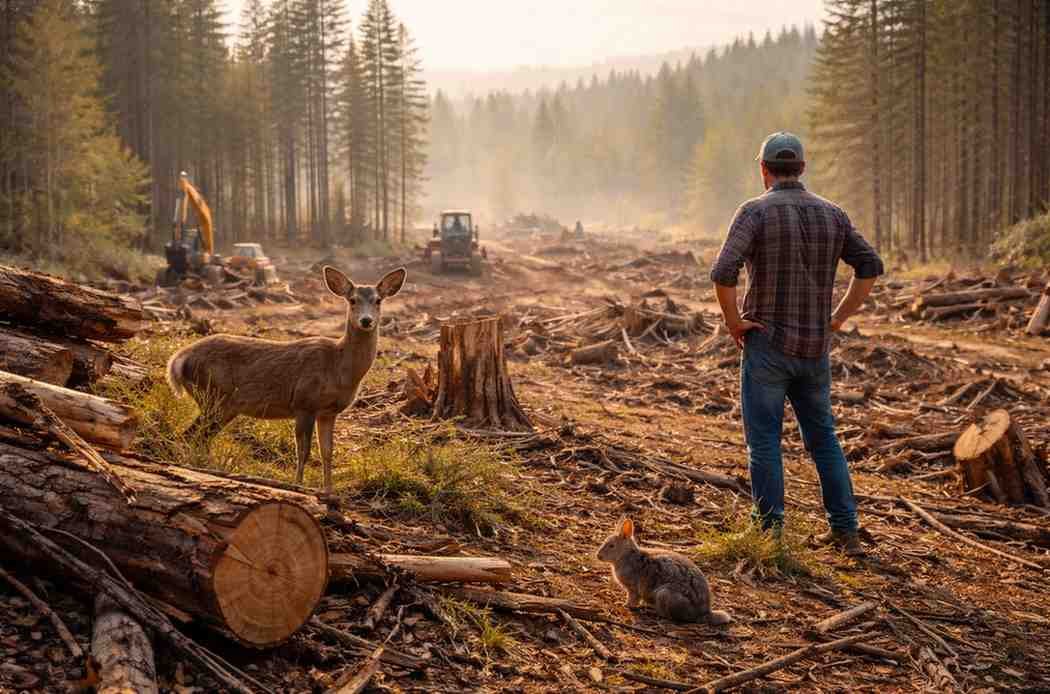
Wildlife population decline affects more than biodiversity. Healthy ecosystems quietly provide services that support human life every day.
When habitats disappear, ecosystems lose their ability to:
- purify water naturally
- stabilize soil and prevent erosion
- regulate climate patterns
- support pollination systems essential for food production
Pollination alone contributes billions in economic value annually. As wildlife populations shrink, these services weaken, creating long-term environmental and economic risks.
Habitat disruption also increases contact between wildlife and human communities, raising the likelihood of disease transmission as animals search for food or shelter in altered environments.
Can Wildlife Populations Recover?
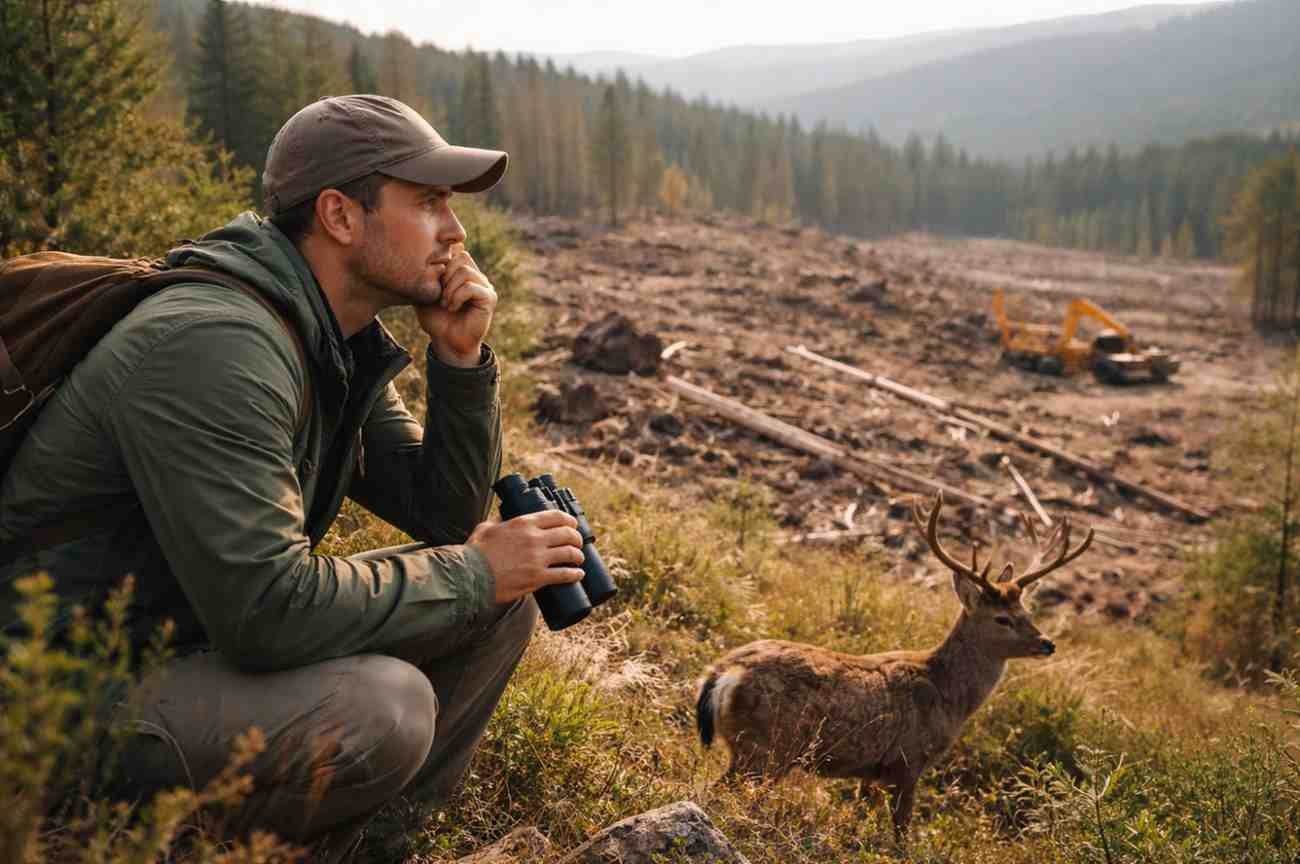
Recovery is possible, but only when habitats themselves recover. Conservation efforts show that when ecosystems reconnect or restore natural conditions, wildlife populations often rebound faster than expected.
Successful strategies typically focus on:
- Restoring habitat corridors that reconnect fragmented areas
- Protecting breeding grounds
- Reintroducing native vegetation
- Reducing pollution and land degradation
These approaches work because they address root causes rather than symptoms. Wildlife does not need constant intervention; it needs functioning ecosystems.
FAQs: Understanding the Impact of Habitat Loss on Wildlife Populations Today
1. Why is habitat loss considered the biggest threat to wildlife?
Habitat loss removes the essential resources animals need to survive and reproduce. Without suitable environments, populations decline even if hunting or direct threats are controlled.
2. How does habitat fragmentation affect animal survival?
Fragmentation isolates populations, limits genetic diversity, and disrupts migration routes, making species more vulnerable to disease and environmental change.
3. Can animals adapt to habitat loss?
Some species adapt temporarily by changing behavior or relocating, but long-term survival usually declines because new environments lack stable resources.
4. Does habitat restoration really help wildlife populations?
Yes. Studies show that reconnecting habitats and restoring ecosystems can significantly increase population recovery when done consistently over time.
Final Thoughts
Habitat loss rarely captures attention in dramatic moments, yet it quietly reshapes the natural world every day. Wildlife populations don’t collapse suddenly; they weaken through small disruptions repeated across landscapes, fewer breeding areas, fragmented migration paths, and shrinking food sources. The cumulative effect transforms ecosystems in ways that become visible only after balance has already shifted. Recognizing these early population changes is essential because prevention remains far easier than recovery.
Protecting wildlife ultimately means protecting habitats first. When ecosystems remain intact, nature often finds its own way back.