There’s a reason most beginners struggle with gardening—and it’s not what you think. When I first tried to learn gardening basics for beginners, I kept running into advice that felt overwhelming, expensive, and honestly unrealistic.
At one point, I almost gave up before even planting my first seed.
But then I realized something simple: gardening isn’t hard—it’s just often explained the wrong way.
Once I focused on a few core principles and followed a system that actually made sense, everything changed. Plants started growing, mistakes became easier to fix, and the process finally felt enjoyable instead of frustrating.
In this blog, I’ll walk you through exactly how I started my first garden from scratch, what worked, what didn’t, and the simple steps you can follow to get real results without overcomplicating the process.
What Are the Gardening Basics for Beginners You Must Understand First?
Before planting anything, I focused on three core pillars: sun, soil, and water. These are the foundation of every successful garden.
Most vegetables and flowers need at least 6–8 hours of direct sunlight daily. I learned this the hard way after placing my first plants in partial shade.
Soil quality matters more than anything else. Healthy soil improves plant growth, reduces disease, and saves time later.
Watering is not about frequency—it’s about consistency. I stopped guessing and started checking soil moisture before watering.
Once I understood these basics, everything else became easier.
How Do You Choose the Right Garden Location as a Beginner?
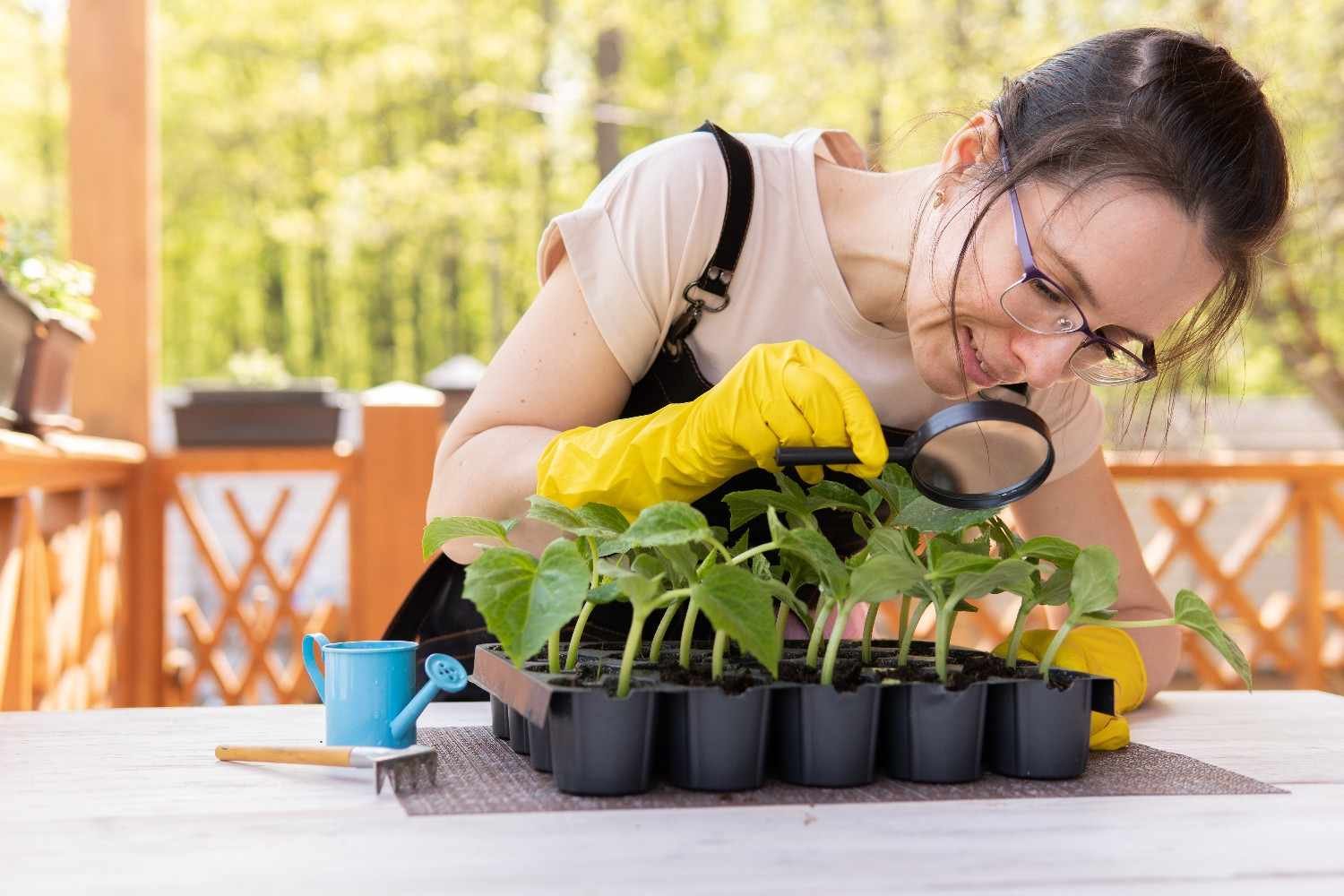
Location determines your success before you even plant your first seed.
I spent a few days observing how sunlight moved across my yard. This helped me avoid shaded spots that would limit growth.
Another important factor was water access. Carrying watering cans across long distances quickly becomes frustrating, so I chose a spot close to a water source.
Most importantly, I started small. Instead of building a large garden, I worked with a small section and a few containers. This kept the process manageable and stress-free.
How Should Beginners Prepare Soil for a Healthy Garden?
Soil preparation is where most beginners either succeed or struggle.
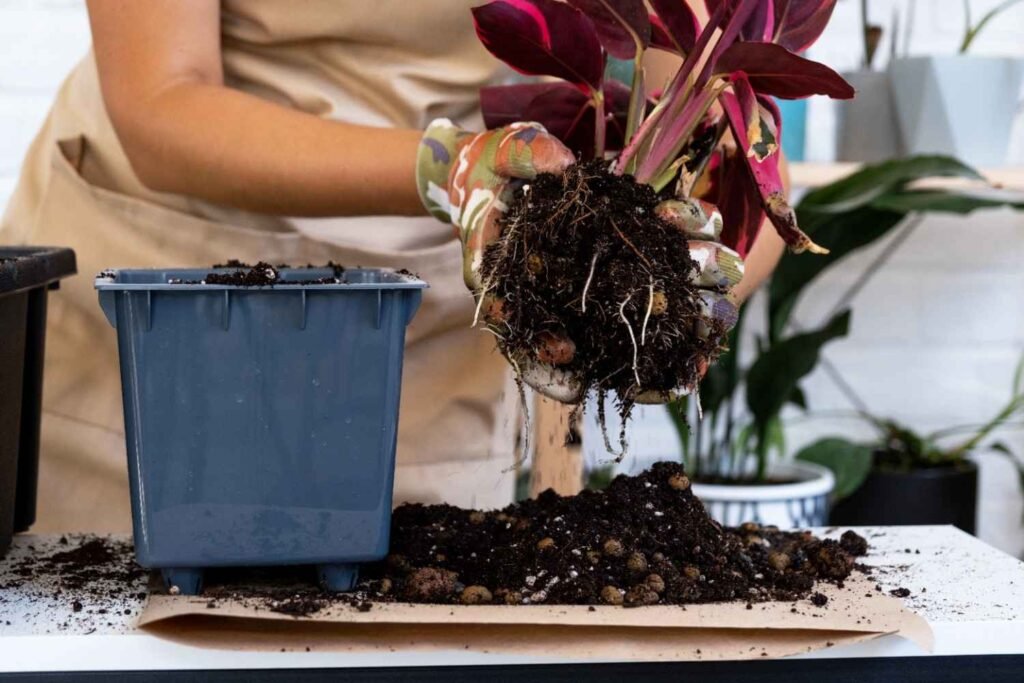
I started by improving my soil instead of replacing it. Adding compost made a noticeable difference in plant health and growth.
Testing soil pH also helped me understand what my plants needed. Most vegetables grow best in slightly acidic to neutral soil.
You also need to choose the right garden type based on your situation.
In-ground gardening works well but requires more maintenance. Raised beds offer better drainage and control. Containers are perfect for small spaces like patios or balconies.
I personally started with containers because they gave me more control as a beginner.
What Are the Best Plants for Beginner Gardeners to Grow First?
Choosing the right plants gave me early confidence, which made a huge difference.
I started with herbs like basil and mint because they grow quickly and require minimal care. Lettuce and radishes were also great because they produce results fast.
Tomatoes took a bit more effort, but they taught me valuable lessons about sunlight and watering.
Understanding plant types also helped. Annuals grow quickly but last one season, while perennials come back each year but take longer to establish.
Reading plant labels became a habit for me. It helped me understand spacing, sunlight, and watering needs before planting.
How Do You Maintain a Garden Without Feeling Overwhelmed?
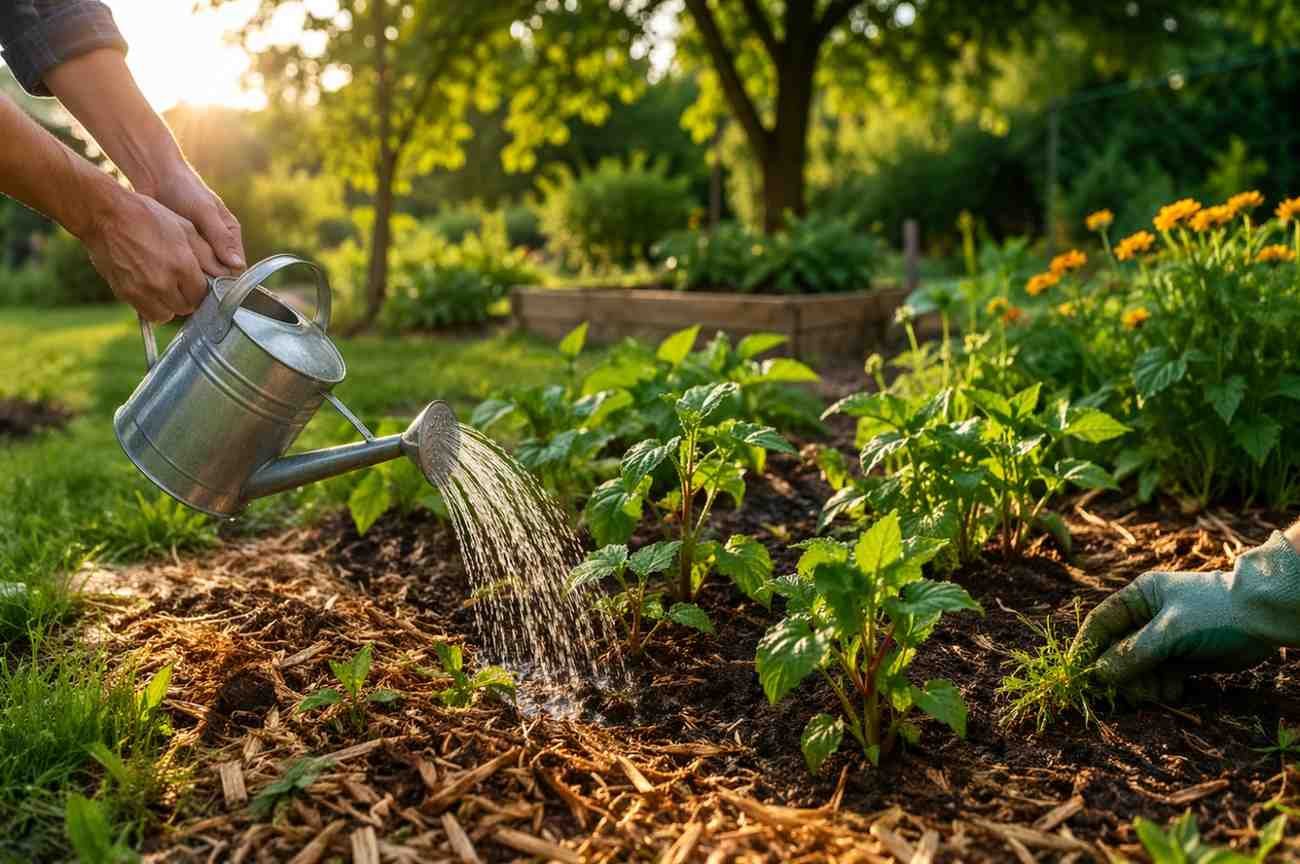
Maintenance doesn’t have to feel like a chore if you build simple habits.
I started watering early in the morning, focusing on the base of the plant to reduce evaporation and prevent disease.
Adding mulch helped retain moisture and reduce weeds, which saved me time every week.
I also made it a habit to remove weeds early. Small weeds are easy to manage, but if you ignore them, they quickly take over.
Consistency mattered more than doing everything perfectly.
What Tools Do You Actually Need to Start Gardening?
I almost wasted money buying too many tools, but I realized you only need a few essentials.
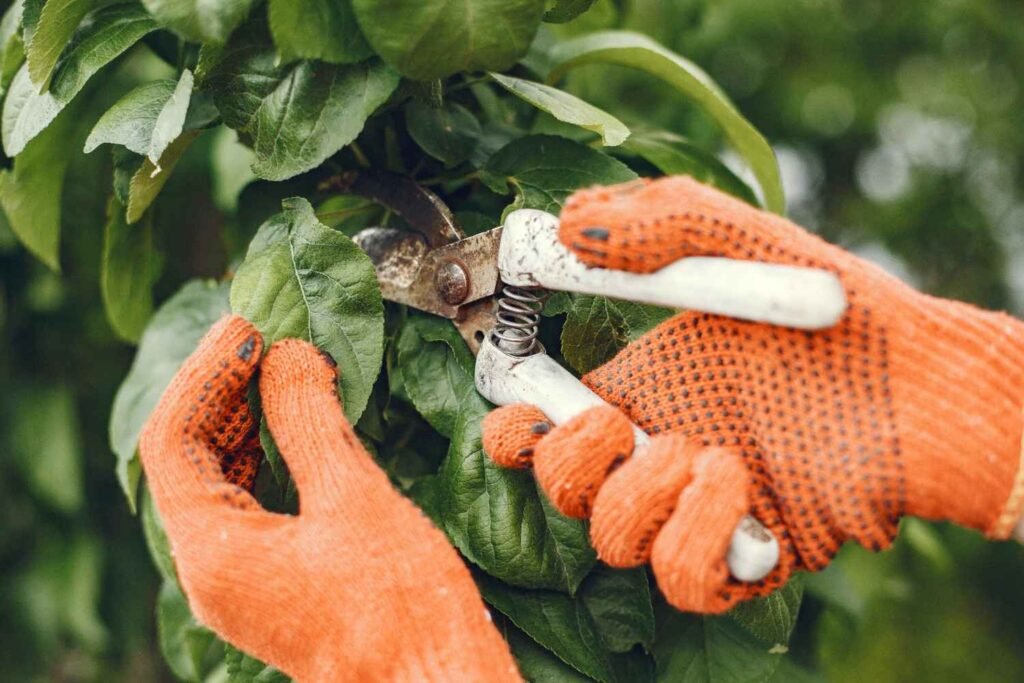
A hand trowel helped me plant efficiently. Gloves protected my hands. Pruning shears made trimming easy, and a watering can gave me control over hydration.
That’s all I needed to get started. Everything else came later.
What Common Beginner Gardening Mistakes Should You Avoid?
I made plenty of mistakes, and avoiding these can save you time.
Starting too big was my biggest error. It made everything harder to manage.
Ignoring sunlight requirements slowed plant growth. Overwatering caused more damage than underwatering.
The biggest lesson I learned is this: gardening improves when you simplify it.
That’s the real difference between struggling and succeeding with gardening basics for beginners.
How Long Does It Take to See Results in a Beginner Garden?
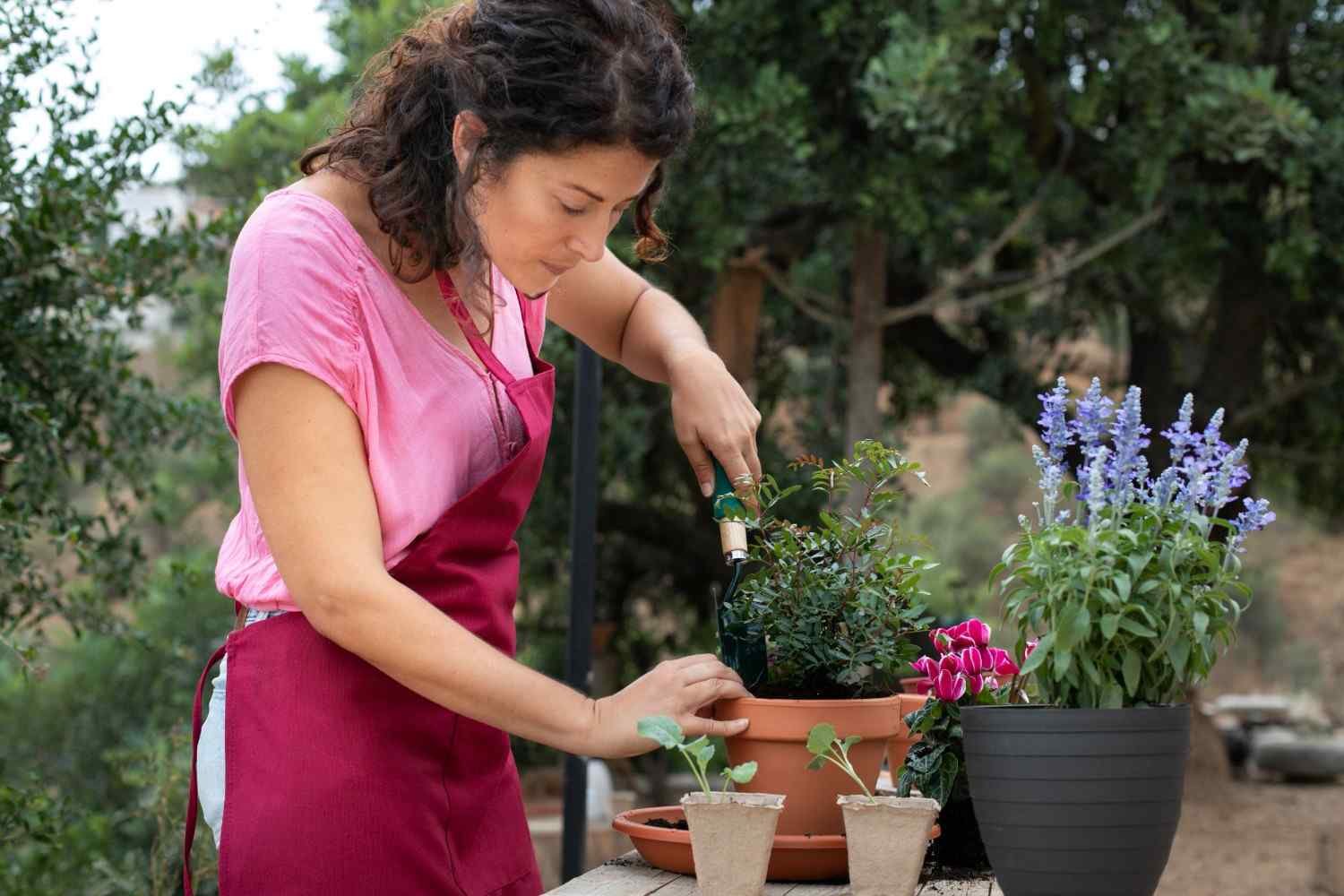
Some plants show results within weeks, while others take longer.
Herbs and leafy greens grow quickly, which makes them perfect for beginners. Larger plants like tomatoes take patience but are more rewarding.
The key is staying consistent. Growth takes time, but once it starts, it builds momentum.
FAQs About Gardening Basics for Beginners
1. What is the easiest way to start gardening as a beginner?
Start with a small space, use containers, and grow easy plants like herbs and lettuce.
2. How much sunlight do beginner gardens need?
Most plants require 6–8 hours of direct sunlight daily.
3. What is the best soil for beginner gardening?
Well-draining soil enriched with compost works best for most plants.
4. Why do beginner plants fail?
Common reasons include poor sunlight, overwatering, and low-quality soil.
What Actually Made My First Garden Work
If I could simplify everything, I’d say this. Gardening becomes easy when you focus on consistency instead of perfection.
Once I stopped overthinking and followed the fundamentals, everything improved. My plants grew better, my routine became easier, and I actually enjoyed the process—especially when I started incorporating organic traffic into my approach.
If you stick to the principles of gardening basics for beginners, you won’t just grow plants—you’ll build a system that works long term.