
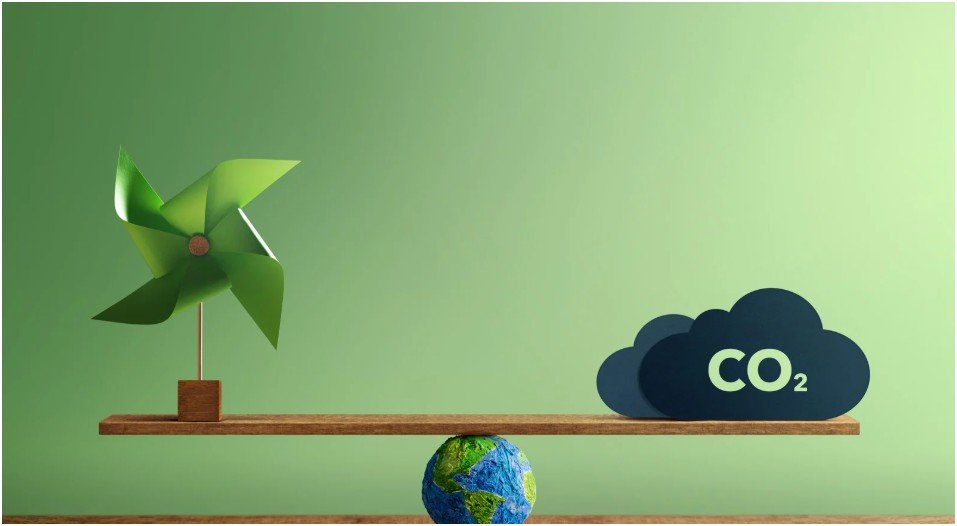
I used to think eco-friendly travel meant reusing towels and carrying a steel bottle. But the moment I looked deeper, I realized I was missing the big picture.
If you’re trying to figure out how to reduce carbon footprint when traveling, the truth is simple: your biggest impact comes from how you plan your trip—not just what you do during it.
And if you’re worried that sustainable travel is expensive or complicated, it’s not. I’ve built a simple routine that fits real-life travel without killing the fun.
Key Takeaways
- Your transport choice matters more than anything else
- Fewer, longer trips beat frequent short trips
- Where you stay can quietly increase or reduce your impact
- Food choices often matter more than “local vs imported”
- Offsetting is the last step, not the first
Why Is Transportation the Biggest Factor?

Transportation quietly dominates your travel footprint. Flights, especially short ones, create the largest emissions compared to any other part of your trip.
I learned this the hard way when I compared a short flight with a train route. The train produced a fraction of the emissions—and honestly, it felt less stressful.
What I Changed in My Travel Routine
I started replacing short flights with trains or buses whenever possible. For longer distances, I stopped booking multi-stop flights just to save money.
I also switched to economy seating for long-haul trips. It sounds small, but premium seats take up more space, which increases your share of emissions.
Does “Eco-Friendly Travel” Actually Make a Difference?
This is the biggest objection I hear: “Does my effort even matter?”
Yes—but only if you focus on the right actions.
Small habits like turning off hotel lights help, but they don’t compare to skipping one unnecessary flight. The impact is uneven, and most guides don’t explain that clearly.
The 3 Levels of Impact (What Actually Matters)
- High impact: fewer flights, rail travel, longer stays
- Medium impact: public transport, food choices
- Low impact: towels, packing light, hotel habits
Once I understood this, I stopped overthinking small actions and focused on decisions that actually moved the needle.
How Do You Choose Sustainable Accommodation?

Where you stay affects energy, water, and waste—but not all “eco hotels” are equal.
Some properties run on renewable energy, while others just promote towel reuse.
What I Look For Now
I prioritize places that use renewable energy or have strong certifications like LEED or net-zero systems.
Smaller guesthouses often have a lower footprint than large resorts packed with energy-heavy features like spas and golf courses.
A Hidden Insight Most Blogs Miss
A “green hotel” doesn’t cancel out a high-emission flight.
Location matters just as much as the hotel itself. Staying somewhere closer or easier to reach sustainably often has a bigger impact than choosing a luxury eco-property far away.
Do Food Choices Really Affect Your Travel Footprint?

Most people assume eating local is enough. It helps—but it’s not the full story.
The type of food matters more than the distance it traveled.
What I Personally Changed
I started choosing more plant-based meals while traveling. Meat-heavy diets, especially red meat, have a higher environmental impact.
I also avoid food waste. Ordering less and finishing meals sounds basic, but it adds up quickly over a trip.
Simple Habit That Works
I carry a reusable bottle and bag everywhere. It cuts down on single-use plastics, which also have a hidden carbon footprint from production and disposal.
What About Getting Around at Your Destination?
This is where things get easy.
Once I arrive somewhere, I skip rental cars unless absolutely necessary. Public transport, walking, and cycling usually work better—and give a more local experience.
My Go-To Rule
If I can walk it in under 30 minutes, I walk.
If not, I use buses, metros, or shared transport. It’s cheaper, simpler, and significantly reduces emissions.
How To How to Reduce Carbon Footprint When Traveling
I follow a simple step-by-step routine every time I plan a trip.
First, I rethink the trip itself. I ask whether I can combine multiple trips into one longer stay instead of traveling frequently. This alone reduces my total footprint.
Next, I choose the most efficient transport option. If the distance is manageable, I pick trains or buses. If I have to fly, I book direct flights and stick to economy seating to minimize my share of emissions.
Then I select accommodation carefully. I look for places that use renewable energy or operate on efficient systems rather than relying on surface-level “green” claims.
After that, I adjust my daily habits. I rely on public transport, walk more, and keep my consumption simple by eating lower-impact meals and avoiding waste.
Finally, I calculate what I couldn’t avoid and consider offsetting it through verified programs. I treat this as a last step, not a shortcut.
Is Carbon Offsetting Worth It?
Offsetting sounds like an easy fix, but it’s not a replacement for reducing emissions.
I only use it after I’ve already minimized my footprint.
How I Approach It
I look for verified programs that support renewable energy or reforestation.
But I never rely on offsets alone. Reducing emissions first always matters more.
Frequently Asked Questions
1. What is the easiest way to reduce emissions while traveling?
Choose trains over short flights and travel less often. These decisions have the biggest impact compared to smaller lifestyle changes.
2. Is flying always bad for the environment?
Not always, but it’s the highest-impact choice. If unavoidable, fly direct and choose economy to reduce your share.
3. Do eco-friendly hotels really help?
Yes, but only if they use real systems like renewable energy. Small behavioral programs alone have limited impact.
4. How to reduce carbon footprint when traveling on a budget?
Use public transport, eat simple meals, avoid waste, and choose smaller accommodations. These are often cheaper and more sustainable.
What Actually Moves the Needle (And What Doesn’t)
| Decision Type | Impact Level | Example |
| Transport choice | High | Train vs flight |
| Trip frequency | High | One long trip vs multiple short trips |
| Accommodation type | Medium | Eco-certified vs standard hotel |
| Food choices | Medium | Plant-based vs meat-heavy meals |
| Small habits | Low | Towel reuse, packing light |
The Real Travel Mindset Shift That Changed Everything
If I had to simplify how to reduce carbon footprint when traveling, it comes down to one shift:
Stop focusing on small habits and start focusing on big decisions.
Once I changed how I plan trips—not just how I behave during them—everything became easier and more effective.
My personal rule now is simple: travel less often, stay longer, and choose smarter routes. That alone does more than most “eco tips” combined.