Watching gallons of water drain away after every wash cycle never quite felt right. Finding ways to reuse laundry water safely turned out to be easier than expected and surprisingly effective. With just a few smart habits and the right approach, that “waste” water can become a valuable resource for your home and garden without compromising safety.
Key Takeaways
- Reusing laundry water is safe when done correctly and used quickly.
- Always use greywater within 24 hours to avoid bacterial growth.
- Choose eco-friendly, low-sodium detergents for plant safety.
- Avoid contaminated loads like diapers or chemical-heavy clothing.
- Use water mainly for irrigation, flushing, and outdoor cleaning.
Know What is Laundry Water?
Understanding the basics helps you reuse water more responsibly.
Greywater Basics
Laundry water is known as greywater, which means it is lightly used water from household activities. It contains soap residue and dirt but is not heavily contaminated like toilet waste. This makes it suitable for reuse in certain applications when handled properly.
Watering with greywater is one of the easiest types of wastewater to recycle at home. Since it comes from washing machines, it is already separated from more harmful waste streams, making it a practical starting point for beginners.
Why Reuse Laundry Water Safely
Learning to reuse laundry water safely helps reduce water bills and conserve a valuable resource. A single wash cycle can use up to 40 gallons, so even partial reuse adds up quickly.
It also supports sustainable living by lowering demand on municipal water systems. Small changes like this can make a noticeable environmental impact over time.
Is It Safe?
Yes, it is safe if you follow key guidelines. Immediate use, proper detergent choice, and avoiding contaminated loads are the most important factors.
When used correctly, greywater does not pose risks to soil or plants. The key is understanding its limitations and using it only for appropriate purposes.
Essential Safety Rules
These rules are critical if you want to reuse laundry water without risks.
Use It Or Lose It
One of the most important rules when you reuse laundry water safely is timing. Greywater should be used within 24 hours. After that, it begins to break down and can develop bacteria and unpleasant odors.
Quick use ensures the water remains safe for irrigation and cleaning. Letting it sit too long turns it septic, which makes it unsuitable for reuse.
Know When To Stop
Not every load of laundry produces reusable water. Avoid reusing water from diapers, heavily soiled clothing, or items contaminated with oils or chemicals.
Also avoid reuse if someone in the household is sick with a contagious illness. This prevents the spread of harmful bacteria through reused water.
Avoid Harmful Additives
Detergents and additives play a big role in safety. Avoid chlorine bleach, fabric softeners, and products high in sodium or boron.
These substances can damage soil and harm beneficial microorganisms. Switching to safer alternatives ensures long-term sustainability.
Methods To Reuse Laundry Water Safely
There are several practical ways to put greywater to good use at home.
Garden Irrigation
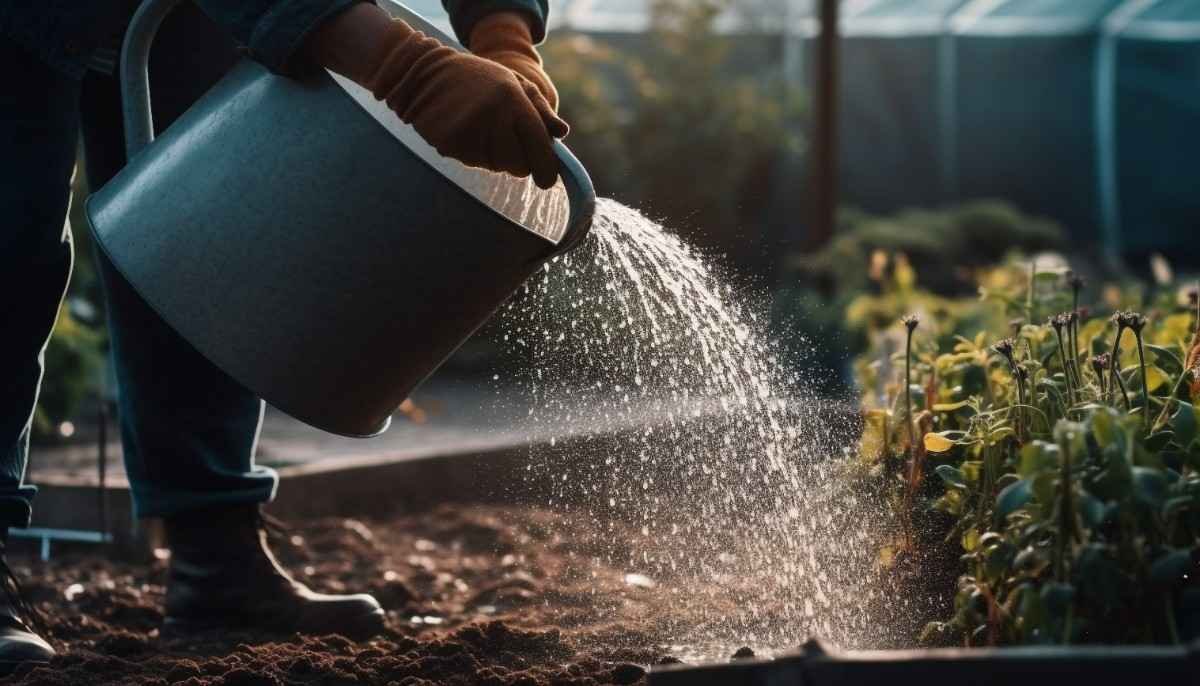
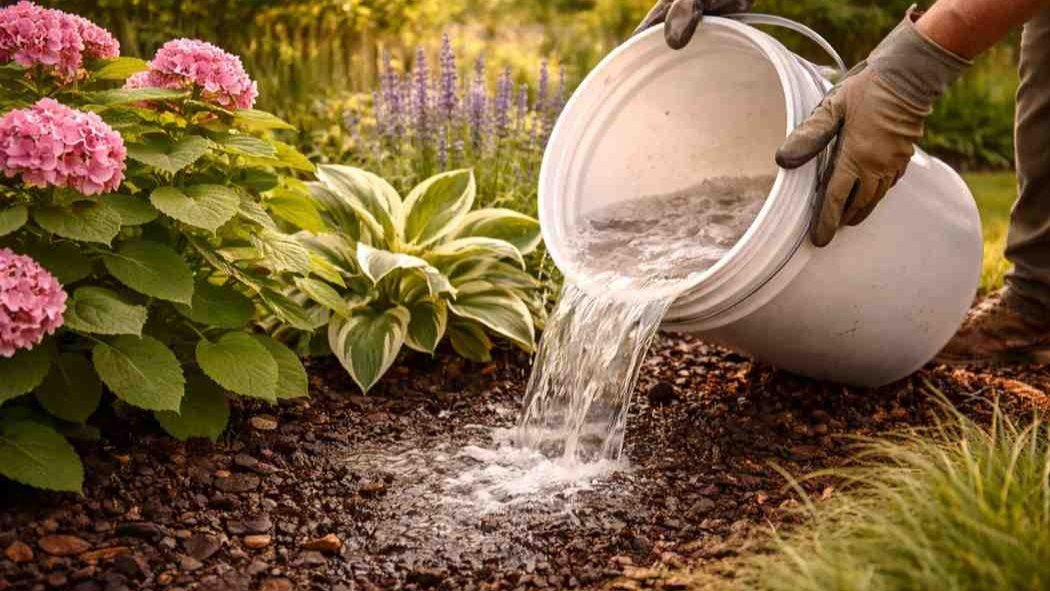
The most common method to reuse laundry water safely is irrigation. Greywater works well for trees, shrubs, and ornamental plants.
For best results, apply water directly to the soil rather than spraying it. This allows the soil to naturally filter impurities while protecting plant leaves.
Underground Or Mulch Systems
The safest method involves directing water under mulch or into the ground. This keeps it away from direct human contact and reduces odor risks.
Mulch also helps distribute water evenly and improves soil absorption. It is a simple yet effective way to enhance safety.
Next Load Cycle And Flushing
Another practical option is reusing rinse water for the next laundry load. This works especially well with older washing machines.
Greywater can also be used for toilet flushing by collecting it in a bucket. This reduces freshwater use indoors without complicated systems.
Choosing The Right Products
The products you use directly affect how safe your greywater is.
Greywater Safe Detergents
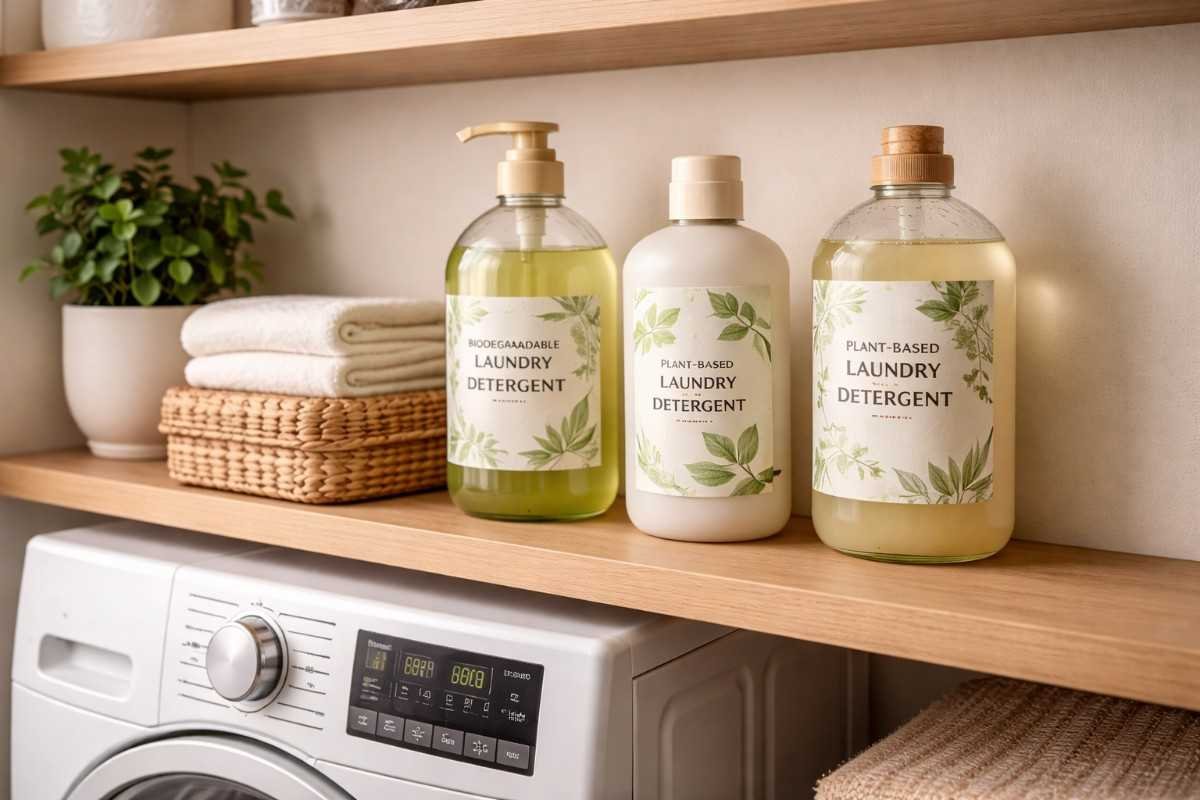
To reuse laundry water safely, choose detergents labeled biodegradable or greywater-safe. These are designed to break down easily without harming soil.
Plant-based detergents are often a good choice because they contain fewer harsh chemicals. They support both environmental safety and effective cleaning.
Recommended Options
Options like Oasis Biocompatible Laundry Detergent are widely recommended because they are gentle on soil and plants. Ecos Liquid Laundry Detergent is another popular choice that is easy to find and safe for reuse systems. These products help maintain soil health while allowing consistent reuse without long-term damage.
Safer Alternatives To Bleach
Instead of chlorine bleach, use hydrogen peroxide-based alternatives. These provide cleaning power without introducing harmful residues. Switching to safer products is one of the simplest ways to improve your greywater reuse system.
How To Reuse Laundry Water Safely
This section walks you through a simple and practical process.
- Start by identifying how your washing machine drains water and whether you can collect it easily. A bucket or hose attachment is often enough for beginners. Once collected, use the water immediately rather than storing it. This prevents bacterial growth and keeps the water usable.
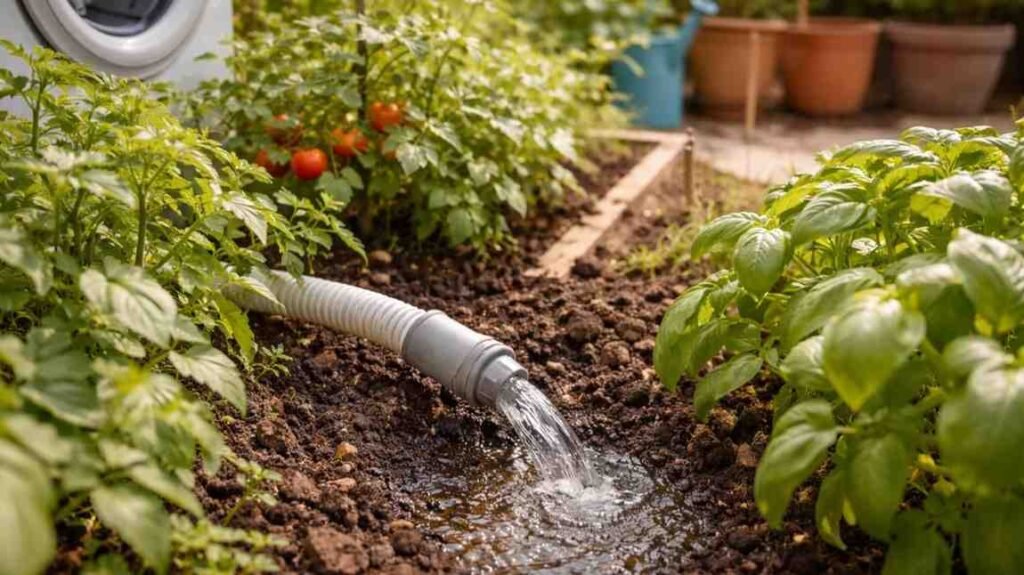
- Next, decide where the water will go. Direct it toward soil areas such as garden beds or trees. Avoid surfaces that come into frequent human contact. Let the water soak into the ground instead of pooling, which helps prevent odor and contamination issues.
- If you want a more consistent setup, consider a simple diversion system that channels water directly from the machine to your garden. Monitor how your plants respond and adjust detergent use if needed. Learning to reuse laundry water safely becomes easier with small adjustments over time.
Common Mistakes To Avoid
Avoiding mistakes can make your system more effective and safe.
Using The Wrong Loads
One common mistake is reusing water from unsuitable laundry loads. Always check what is being washed before deciding to reuse the water. Skipping this step can introduce harmful substances into your soil and reduce effectiveness.
Overwatering Plants
Using too much greywater in one area can harm plants. It may lead to waterlogged soil and poor root health. Rotate watering areas to maintain balance and prevent buildup.
Ignoring Local Guidelines
Some areas have regulations regarding greywater use. It is important to check local guidelines before installing permanent systems. Following rules ensures your setup remains safe and compliant.
Frequently Asked Questions
1. Can you reuse laundry water?
Yes, you can reuse laundry water safely for irrigation, flushing, and cleaning if you follow proper safety guidelines and use it within 24 hours.
2. How can we reuse water that is no longer clean?
Water that is not clean can be reused for non-drinking purposes like gardening or cleaning after ensuring it does not contain harmful contaminants.
3. Can I use washing machine water on the garden?
Yes, it is safe for non-edible plants and soil irrigation. Avoid direct contact with edible parts of plants.
-
What can laundry water be used for?
Laundry water can be used for garden irrigation, toilet flushing, and outdoor cleaning when handled properly.
Make Every Drop of Water Count
Learning to reuse laundry water safely is a practical step toward a more sustainable lifestyle. With simple habits like choosing the right detergent, using water quickly, and applying it in safe areas, you can reduce waste without complicating your routine. Start small, stay consistent, and turn everyday laundry into an eco-friendly opportunity that benefits both your home and the environment.