
I seriously considered installing a residential wind turbine after watching my electricity bills climb every summer. Solar panels seemed obvious, but I kept wondering: how about a wind mill for your house instead? The idea sounded powerful, independent, and surprisingly practical for rural properties.
Then I started researching actual installation costs, land requirements, wind maps, and zoning laws.
That changed everything.
A home wind turbine can absolutely reduce your dependence on the grid. In the right location, it can power most of a home. But most properties in the US are not naturally suited for residential wind energy. That reality rarely shows up in the glossy marketing photos.
Why I Started Looking Into Residential Wind Power
The appeal was obvious. Wind never sends you a utility bill.
Unlike solar panels, turbines can generate electricity at night and during cloudy weather. In windy regions like Kansas, Oklahoma, and parts of Texas, some homeowners cut their grid usage dramatically with properly sized systems.
I also liked the idea of energy resilience. A turbine paired with batteries creates a stronger backup setup during outages.
But the deeper I researched, the more I realized wind power rewards the right geography, not optimism.
Can a Wind Turbine Actually Power a House?

Yes, but the system size matters.
The average US household uses around 893 kWh per month. That is far beyond what tiny decorative rooftop turbines can handle.
Here is a quick reference table that helped me understand the real scale involved:
| Turbine Size | Estimated Cost Range | Best Use Case |
| 1–2 kW | $8,000–$23,000 | Cabins, RV charging, hybrid systems |
| 5 kW | $35,000–$65,000 | Medium homes with open land |
| 10 kW | $60,000–$100,000 | Large rural homes |
| 20+ kW | $100,000–$175,000 | Farms and mini-grid setups |
The US Department of Energy estimates small wind systems typically cost between $4,000 and $8,000 per kilowatt installed.
That means a serious whole-home setup becomes a major infrastructure project, not a weekend upgrade.
The Biggest Mistake Most Homeowners Make

Most people focus on the turbine itself.
The smarter question is this: does your property even support usable wind flow?
That single factor determines whether the investment succeeds or fails.
Why Wind Speed Matters More Than You Think
Wind turbines rely on average annual wind speed measured at hub height. Even a small difference changes energy output dramatically.
The power available in wind follows this relationship:
P∝v3P \propto v^3P∝v3
That means doubling wind speed creates eight times more potential power.
A property averaging 15 mph wind contains roughly 54% more energy than one averaging 13 mph. That difference completely changes return on investment.
Here is the practical breakdown I found most useful:
| Average Wind Speed | Viability |
| Below 9 mph | Not practical |
| 9–10 mph | Bare minimum |
| 11–12 mph | Reliable baseline |
| 13+ mph | Excellent productivity |
Large sections of the southeastern US average only 6–9 mph near residential zones. Many wooded suburbs perform even worse because trees disrupt airflow.
The 1-Acre Rule Explained
This surprised me the most.
The Department of Energy generally recommends at least one acre for residential wind systems.
Trees, garages, nearby homes, and power poles create turbulent air patterns that reduce efficiency and increase wear on the blades.
A turbine needs smooth, uninterrupted wind.
That is why rural plains outperform suburban neighborhoods so dramatically.
Residential Wind Turbine Cost Breakdown

The turbine itself is only part of the bill.
Permits, foundation work, electrical integration, crane access, battery storage, and tower construction often add tens of thousands of dollars.
Small Systems vs Full Home Systems
Small turbines look affordable at first glance. A 1 kW setup may cost under $10,000.
But those systems usually supplement energy use rather than replace it.
A full-home turbine capable of offsetting most electricity usage commonly lands between $60,000 and $100,000 after installation.
That shocked me because many online ads suggest much lower numbers.
Hidden Costs Nobody Talks About
The hidden costs were the dealbreaker for several homeowners I spoke with.
Local zoning boards may require:
- Noise studies
- Structural engineering reports
- Environmental reviews
- Tower setback compliance
- FAA lighting assessments
Some permits alone cost thousands before installation even begins.
Tower height also matters. Most turbines need 30–100 feet of elevation for smooth wind access. Many neighborhoods prohibit structures that tall.
Best Places in the US for Home Wind Turbines
After comparing regional wind maps, certain areas clearly stand out.
| Region | Average Wind Speeds | Residential Potential |
| Central Plains | 12–16+ mph | Excellent |
| Great Lakes | 11–14 mph | Very good |
| Coastal regions | 11–14 mph | Strong potential |
| Mountain gaps | 12–15+ mph | Productive |
| Southeastern forests | 6–9 mph | Poor |
| Urban suburbs | 4–8 mph | Inefficient |
The best-performing properties usually share three things:
- Open land
- Minimal obstructions
- Consistent wind corridors
The US Department of Energy WINDExchange maps remain one of the best free tools for checking local viability.
Types of Residential Wind Turbines
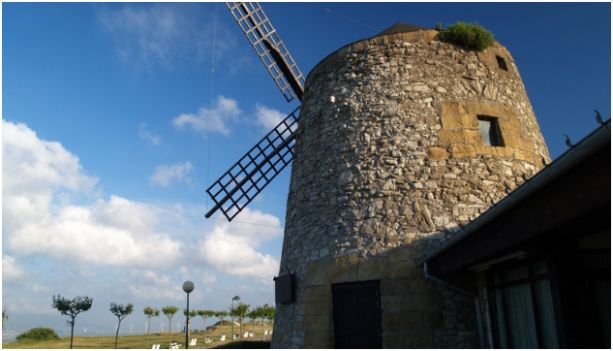
Not all home turbines look alike.
Horizontal-Axis Turbines
These are the classic propeller-style turbines most people recognize.
They dominate residential energy production because they generate higher efficiency in strong, stable wind conditions.
Models like the Bergey Excel 15 are designed specifically for large rural properties and farms.
Vertical-Axis Turbines
Vertical-axis turbines are more compact and visually unique.
Some homeowners prefer them because they operate more quietly and tolerate shifting wind directions better.
Companies like Flower Turbines focus on smaller-footprint vertical systems designed for tighter spaces and bird-friendly operation.
They look modern, but most still generate less power than traditional horizontal systems.
Real Wind Turbine Models Worth Looking At
After comparing reviews and technical specs, these models consistently appeared in expert recommendations:
| Model | Best For | Notable Feature |
| Primus Windpower Air 40 | Off-grid cabins | Quiet battery charging |
| Bergey Excel 15 | Large rural homes | Full-house capability |
| Tumo-Int 1000W 3-Blade Wind Turbine | Mid-range setups | Automatic direction tracking |
I noticed many successful homeowners combine wind with solar instead of choosing only one for sustainable livings for families.
That hybrid approach smooths out seasonal performance swings.
Solar Panels vs Home Wind Turbines
This comparison changed my opinion completely.
Solar works almost anywhere sunlight exists.
Wind power depends heavily on land, airflow quality, elevation, and regional climate.
For suburban homes, solar usually wins on simplicity, maintenance, and permitting.
But for rural acreage with strong wind exposure, turbines can outperform solar during winter and overnight hours.
That is why farms often use both systems together for your green home improvements plan.
Is a Wind Mill for Your House Actually Worth It?
After months of research, my conclusion became simple.
A residential wind turbine is amazing for the right property and terrible for the wrong one.
If you own open rural acreage in a high-wind region, the numbers can work beautifully. Federal tax credits under the Inflation Reduction Act also reduce installation costs by 30% for qualifying systems.
But if you live in a dense suburb with trees and inconsistent wind, the return on investment becomes difficult.
The turbine does not care how excited you are. It only cares about wind quality.
FAQs
1. How about a wind mill for your house if you live in a suburb?
Most suburban properties struggle with turbulent airflow caused by trees and nearby buildings. Solar panels are usually more practical in suburban neighborhoods.
2. How much wind speed does a home turbine need?
Most residential systems need at least 9–10 mph annual average wind speeds. Better performance starts around 11–13 mph.
3. Are residential wind turbines noisy?
Modern turbines are quieter than older models, but larger systems still produce mechanical and aerodynamic noise. Local sound ordinances may apply.
4. Can a wind turbine completely power a house?
Yes, but most homes require a 5–15 kW system depending on electricity usage and regional wind conditions.
5. Do home wind turbines qualify for tax credits?
Qualified systems may receive a 30% federal clean energy tax credit under current US regulations.
Your Roof Isn’t the Hero Here
I originally thought the turbine itself was the hard part.
It was not.
The real challenge was finding land with enough clean wind to justify the investment. That is why so many residential wind projects succeed in rural America and fail quietly in crowded neighborhoods.
If you are seriously considering one, start with your local wind map before pricing hardware.
That single step can save you tens of thousands of dollars and months of frustration.