There’s something oddly satisfying about reaching over while you’re cooking and picking fresh herbs instead of opening a store-bought packet. It feels simple, but it completely changes the experience.
What surprised me was how easy it was to make that happen. Once I started exploring the best herbs to grow at home, I realized you don’t need a backyard or complicated setup. Even a small windowsill can turn into a steady source of fresh flavor if you choose the right herbs and follow a simple routine.
And once it starts working, you won’t want to go back.
What Are the Best Herbs to Grow at Home for Beginners?
If you want herbs that actually work without frustration, I always recommend starting with mint, basil, parsley, chives, oregano, and thyme.
Mint is incredibly forgiving and grows quickly, even in partial light. Basil thrives in sunny spots and grows fast from seeds. Parsley and chives are low-maintenance and adapt well to indoor conditions. Oregano and thyme stay compact and don’t demand much attention.
These herbs are popular across top gardening guides because they balance resilience with usability in everyday cooking.
How to Choose Herbs Based on Your Space and Lifestyle
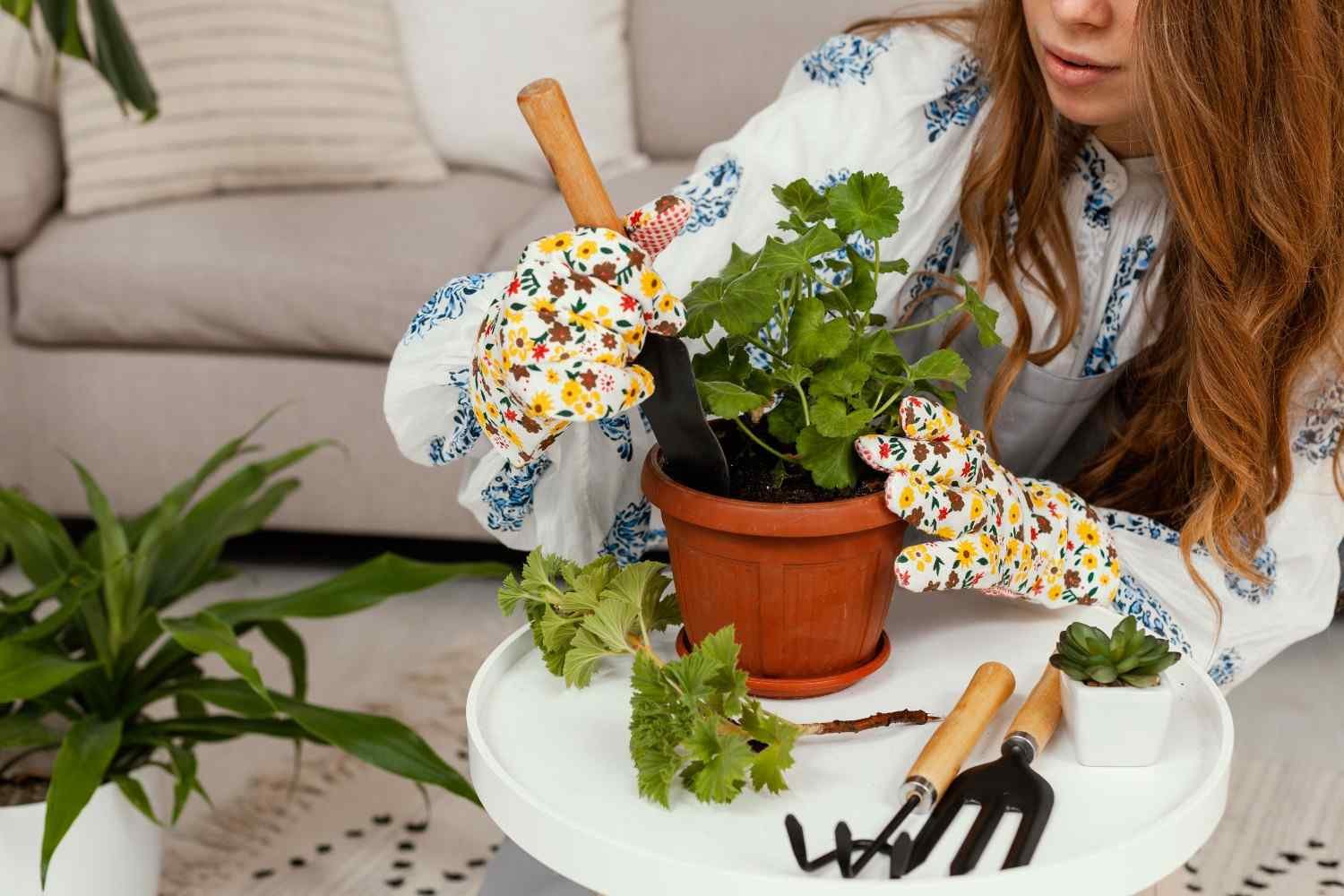
One thing I’ve learned is that success depends less on the herb itself and more on how well it matches your environment.
If your home gets strong sunlight for most of the day, basil, rosemary, thyme, and oregano will thrive. They prefer warmth and well-drained soil.
If your light is limited, parsley, mint, and chives perform much better. They tolerate partial shade and still grow steadily.
For small apartments or kitchens, compact herbs like thyme, oregano, parsley, and chives are easier to manage. Mint also works well but should always be grown in a separate container because it spreads aggressively.
Best Herbs to Grow Indoors All Year Round
When I started focusing on indoor gardening, I realized some herbs naturally adapt better than others.
Basil grows quickly and is perfect if you have a bright window. Mint is the easiest herb I’ve ever grown—it survives minor mistakes and keeps expanding. Parsley grows steadily even in moderate light, making it a reliable option.
Chives are one of the simplest herbs to maintain because they regrow quickly after trimming. Thyme and oregano are compact and require less frequent watering, which makes them ideal for beginners.
Rosemary is slightly more demanding but works well when placed in strong sunlight with well-draining soil.
Which Herbs Work Best for Different Uses at Home?
I like to think of herbs not just as plants but as tools for specific uses in daily life.
For indoor windowsills, herbs like mint, parsley, chives, and thyme perform well because they adapt to moderate light and smaller containers. Rotating pots occasionally helps ensure even growth.
If you cook Mediterranean-style meals, rosemary, oregano, sage, and thyme are excellent choices. These herbs prefer drier soil and less frequent watering.
For fresh teas and wellness routines, lemongrass, chamomile, and lemon balm are great additions. Chamomile especially prefers cooler conditions and partial light.
How I Start Growing Herbs at Home (Simple Routine That Works)
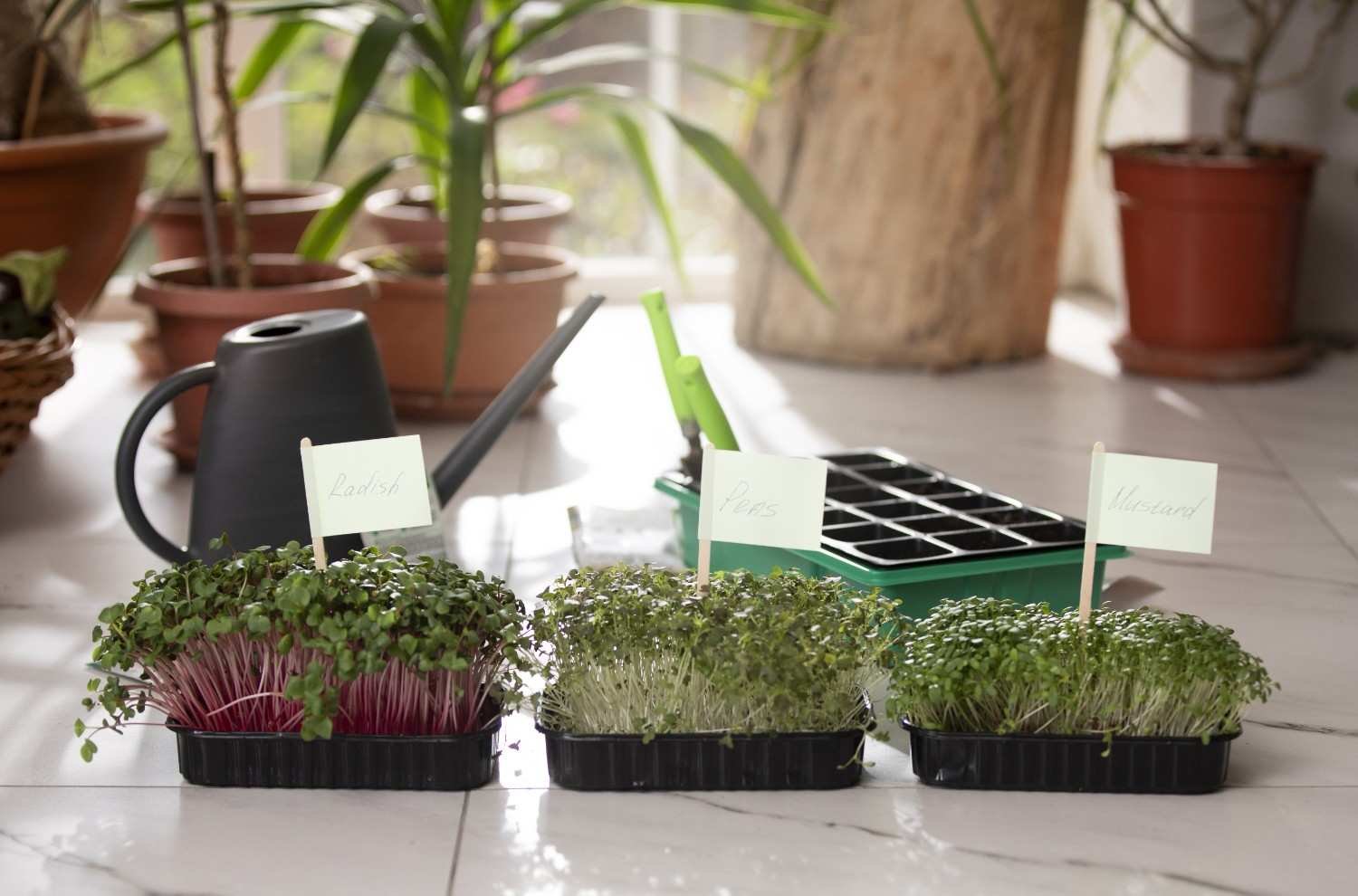
When I simplified my approach, everything became easier.
I start with containers that have proper drainage. This prevents water from sitting at the roots, which is the most common cause of plant failure.
Next, I use a light, well-draining potting mix instead of heavy soil. This keeps the roots healthy and prevents compaction.
I place my herbs where they receive about 4–6 hours of sunlight daily. South-facing windows usually work best in most homes.
For watering, I rely on the finger test. If the top inch of soil feels dry, I water. If it still feels moist, I wait. This prevents overwatering, which is one of the biggest mistakes beginners make.
I also prune regularly by pinching off the top growth. This encourages the plant to grow bushier and prevents early flowering, which can affect flavor.
Common Mistakes That Can Ruin Your Herb Garden
Most problems I faced early on came from doing too much rather than too little.
Overwatering is the biggest issue. Herbs don’t like soggy soil, and too much water leads to root rot.
Another mistake is placing herbs in the wrong lighting conditions. Sun-loving herbs struggle in dim spaces, no matter how well you care for them.
Using heavy soil instead of a proper potting mix can also restrict root growth. And overcrowding plants reduces airflow, increasing the risk of disease.
Once I fixed these issues, my success rate improved dramatically.
Do Herbs Regrow After Harvesting?
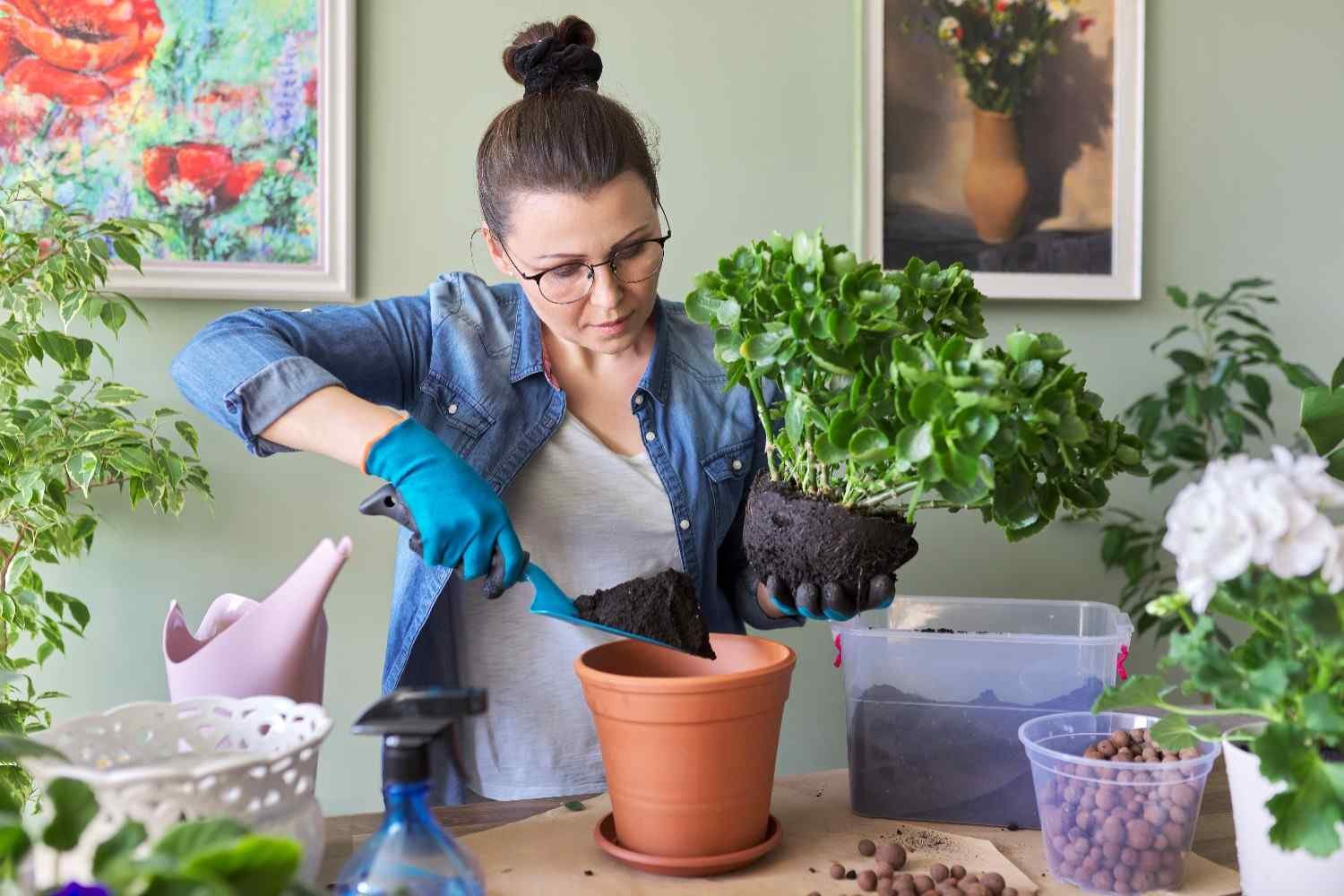
One of the best parts about growing herbs is how quickly they bounce back.
Most herbs, including basil, mint, and chives, regrow after trimming. In fact, regular harvesting encourages stronger and healthier growth.
I usually avoid cutting more than one-third of the plant at a time. This keeps the plant productive and prevents stress.
Frequently Asked Questions About the Best Herbs to Grow at Home
1. What is the easiest herb for beginners to grow indoors?
Mint is widely considered the easiest because it grows fast, adapts to different conditions, and requires minimal care.
2. How much sunlight do herbs need indoors?
Most herbs need around 4–6 hours of sunlight daily. If natural light is limited, a grow light can help.
3. What herbs grow well in small apartments?
Chives, parsley, thyme, and oregano are ideal because they stay compact and adapt well to containers.
4. Can I grow the best herbs to grow at home without a balcony?
Yes, many herbs grow well on windowsills as long as they receive enough light and proper care.
What Actually Works When Growing Herbs at Home
If I had to simplify everything I’ve learned about the best herbs to grow at home, it would come down to this: keep it simple and stay consistent.
Choose herbs that match your light and space, water only when needed, and trim regularly. Incorporating natural fertilizers for plants will also help your herbs thrive without relying on chemicals. You don’t need a perfect setup—you just need a routine that works.
Once you get into that rhythm, growing herbs becomes effortless, and having fresh ingredients within reach completely changes the way you cook.