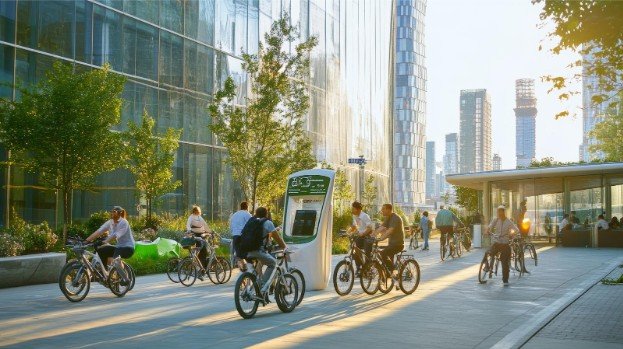
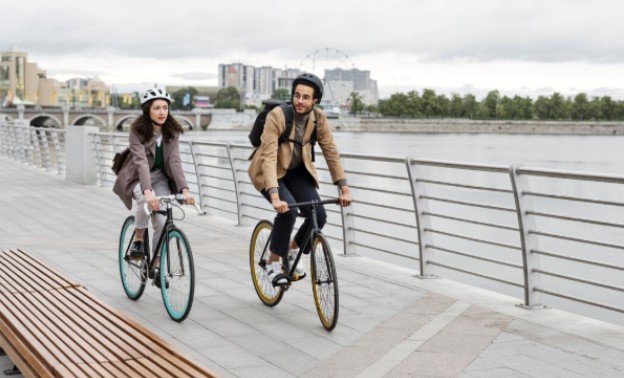
Cycling in the City is assumed to feel stressful, noisy, and harder than driving. What I found instead was a routine that saved time, cut commuting costs, and made everyday travel feel more alive. The key was not riding harder. It was riding smarter.
Once I learned how to choose better routes, stay visible, and handle traffic with confidence, city biking became one of the most reliable parts of my week. If you want a realistic way to start, this guide will help you build confidence, stay safe, and make daily riding feel manageable from day one.
Why More People Are Choosing Bikes for Daily Travel
City cycling works because it solves real problems. Parking is expensive, short car trips waste time, and public transit does not always match your schedule. A bike gives you flexibility that many other options cannot.
For a lot of riders, the biggest benefit is control. You leave when you want, take the route that makes sense, and avoid sitting in traffic for short urban trips. Riding also adds movement to your day without forcing you to block off extra time for exercise.
The best part is that you do not need to be an athlete to make this work. You need a bike that fits, a route that feels safe, and a few practical habits that reduce risk.
How To Start Cycling in the City Without Feeling Overwhelmed
The easiest mistake beginners make is trying to ride the busiest streets right away. I always recommend starting small. Pick a short route with low traffic, wide shoulders, protected lanes, or neighborhood streets. Ride it during a quieter time of day first. That single choice can build confidence faster than any gear purchase.
It also helps to practice the basics before using your bike for a full commute. Get comfortable starting, stopping, signaling, scanning over your shoulder, and turning smoothly. These moves matter more in traffic than speed ever will.
Choosing The Right Bike For Urban Riding
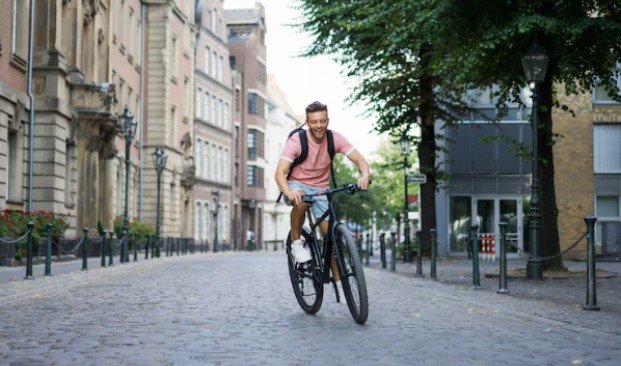
You do not need a high-end road bike to ride in a city. In fact, many urban riders do better with something simpler and more stable. A hybrid bike, commuter bike, or flat-bar bike often works well because it gives you a more upright riding position and better awareness of traffic.
Comfort matters more than style. A bike that fits your height, has reliable brakes, and handles potholes well will serve you better than something flashy. If your area has hills, an e-bike can also be a smart choice for commuting and errands.
I also suggest adding a rear rack or basket if you plan to carry work items, groceries, or a change of clothes. That makes daily riding far more practical and keeps weight off your back.
Gear That Makes Everyday Rides Safer
A few items matter right away. Front and rear lights improve visibility even in daylight. A bell helps when sharing paths. A strong lock is essential if you leave your bike outside. Reflective details on clothing or your bag help drivers spot you earlier.
Weather-ready basics matter too. A light rain jacket, puncture repair kit, mini pump, and water bottle can turn a frustrating ride into a smooth one. None of this needs to be complicated, but it does need to be reliable.
Route Planning Matters More Than Speed
The fastest route is not always the best route. I learned quickly that a calmer street with fewer aggressive turns feels better than a busy road that saves two minutes. Good route planning lowers stress, reduces sudden conflict with drivers, and helps you ride more consistently.
Use bike-friendly mapping tools, city cycling maps, and local trail connectors when available. Look for protected lanes, lower-speed streets, and intersections with better visibility. If a route feels unsafe, change it. Confidence grows when your route supports you instead of testing you.
Try a weekend practice ride before using any route during a weekday commute. That gives you time to notice rough pavement, confusing intersections, or places where parked cars create a dooring risk.
The Biggest Safety Habits That Actually Help
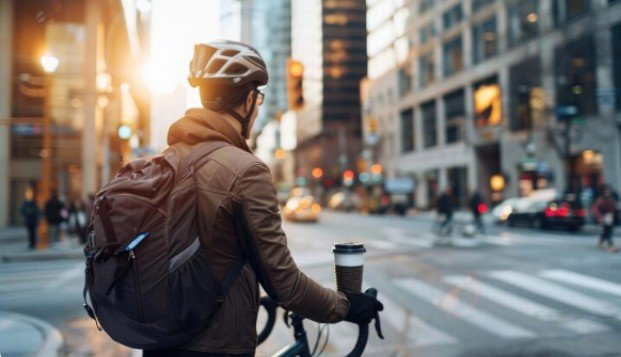
Urban riding becomes safer when your actions stay predictable. Ride in a straight line. Signal clearly. Avoid weaving between parked cars. Make eye contact with drivers when possible. Assume a driver may not see you until you confirm otherwise.
One of the biggest risks in city traffic is opening car doors. Leave enough space from parked vehicles so you can react. Another common risk comes from turning vehicles at intersections. Slow down, watch front wheels, and do not assume a driver will yield just because you have the right of way.
Visibility matters at every hour. Early morning glare, evening shadows, and rainy streets can reduce how well drivers notice you. Use lights, wear clear or reflective outer layers, and avoid riding in blind spots beside large vehicles.
Street Etiquette That Builds Confidence
Good etiquette protects you and makes the ride smoother for everyone around you. Yield when required, give space to pedestrians, and pass other riders only when it is safe. When using shared paths, a quick bell or verbal notice helps prevent confusion.
Confidence also comes from staying calm. If a driver acts impatiently, I focus on control instead of reacting emotionally. Staying steady and alert is usually the safest answer.
What To Wear And Carry For A Better Commute
You do not need special racing clothes for everyday riding. Most people do well with breathable layers, comfortable shoes, and clothing that does not catch in the chain. If you ride to work, keep a small pouch with basics like wipes, deodorant, and a spare shirt.
I also like carrying a phone mount or keeping directions audible through one earbud at low volume if local laws allow it. The less often you glance down, the better.
Frequently Asked Questions
1. Is Cycling in the City safe for beginners?
Yes, it can be safe for beginners when you start on calmer routes, follow local traffic laws, stay visible, and build confidence before taking on busier streets.
2. Do I need an expensive bike for commuting?
No. A comfortable, well-fitted bike with good brakes and dependable tires usually matters far more than price.
3. What is the most important gear for new riders?
Lights, a quality lock, a helmet if you choose to wear one, and a basic repair kit are the most practical starting items.
What I’d Remember Before My Next Ride
If I had to give one piece of advice, it would be this: make your ride easier before you try to make it faster. A better route, brighter lights, and calmer decisions can completely change how city biking feels.
That is what turned it into a habit for me. Once I stopped treating every ride like a challenge and started treating it like part of daily life, everything improved. You do not need a perfect setup to begin. You just need a smart first route and the willingness to keep it simple.