If you’re searching for how to recycle household waste, you’re likely trying to do the right thing—but unsure if you’re doing it correctly.
Here’s the reality: most households attempt recycling, but do it wrong. As a result, a large portion of “recycled” waste still ends up in landfills due to contamination or incorrect sorting.
In this guide, I’ll show you exactly what you should do step by step, what to avoid, and how to build a simple system that actually works in real life.
Key Takeaways (Quick Summary)
- You should always segregate waste at the source
- You must clean recyclables before disposal
- Not all materials are recyclable—know the difference
- You should never mix hazardous waste with regular waste
- A simple routine can reduce your household waste by up to 70%
Why Recycling Household Waste Matters More Than You Think
Most people assume that once waste leaves their home, it gets recycled properly. That’s not always true.
According to the United States Environmental Protection Agency, contamination is one of the biggest reasons recyclables are rejected. When waste is mixed or dirty, entire batches can become unusable.
This means your effort only works if you follow the correct process.
Step-by-Step Process You Should Follow to Recycle Household Waste
Step 1: You Should Segregate Waste at the Source
You should never mix different types of waste and try to sort them later. The best approach is to separate waste immediately as you dispose of it.
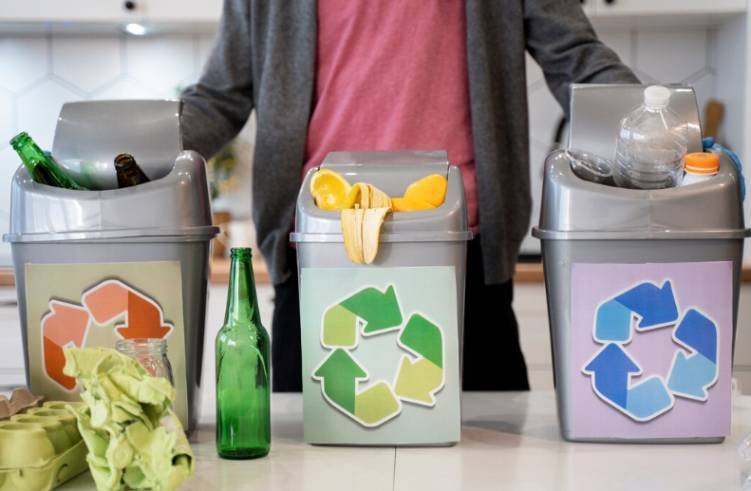
At home, you should divide your waste into three clear categories. Wet waste includes food scraps like vegetable peels and leftovers. Dry waste consists of recyclable materials such as paper, plastic, glass, and metal. Hazardous waste includes batteries, chemicals, and electronic items.
If you want consistency, you should use separate bins and label them clearly. This makes the process automatic over time.
Step 2: You Should Clean and Prepare Recyclables Properly
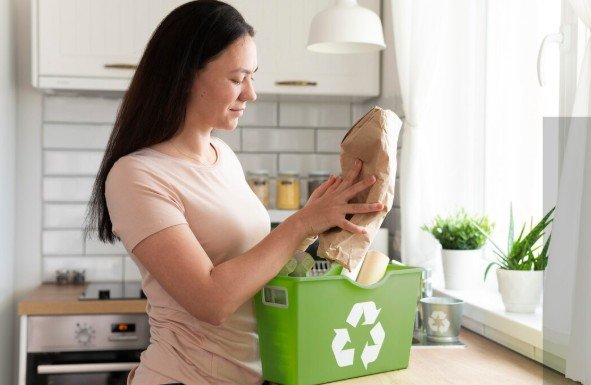
You should never put dirty items into the recycling bin. Even small amounts of food residue can contaminate recyclable materials.
Before disposal, you should rinse containers like jars, bottles, and cans. They don’t need to be perfectly clean, but they should be free from visible waste. You should also flatten cardboard boxes to save space and improve recycling efficiency.
A simple rule I follow is: if it smells or has food on it, it needs cleaning.
Step 3: You Should Identify What Can and Cannot Be Recycled
You should not assume that everything is recyclable. This is one of the biggest mistakes households make.
You should focus on commonly accepted materials like paper, cardboard, glass bottles, and certain plastics. Plastics labeled #1 and #2 are usually recyclable, while others may not be.
At the same time, you should avoid placing greasy paper, plastic wrappers, and mixed-material packaging in your recycling bin. These items often get rejected during processing.
Step 4: You Should Dispose of Waste the Right Way
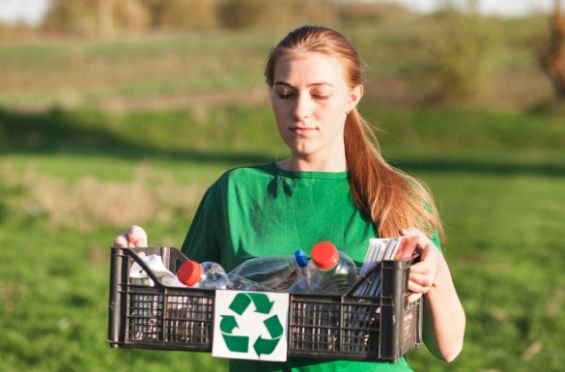
You should go beyond just using a recycling bin. Proper disposal is what completes the recycling process.
You should compost organic waste whenever possible. This reduces landfill waste and creates useful compost for gardening. You should also take hazardous waste like batteries and electronics to designated collection centers.
Organizations such as the World Wildlife Fund emphasize responsible disposal as a critical part of sustainable living.
Common Recycling Mistakes You Should Avoid
Even if you follow basic recycling rules, certain mistakes can reduce your impact.
You should avoid mixing wet and dry waste, as this leads to contamination. You should not skip cleaning recyclable items, even if you’re in a hurry. Another mistake you should avoid is assuming all plastics are recyclable.
You should also never throw e-waste into regular bins, as it contains harmful materials that require special handling.
Fixing these small mistakes can significantly improve your recycling effectiveness.
What You Should and Shouldn’t Recycle at Home
You should recycle clean paper products like newspapers and cardboard, as well as glass bottles and metal cans. These materials are widely accepted and easy to process.
However, you should not recycle items like greasy food packaging, plastic wrappers, or laminated materials. These items often disrupt the recycling process and end up being discarded.
Understanding this difference helps you recycle more efficiently and responsibly.
A Simple Home Recycling System You Should Follow Daily
If recycling feels overwhelming, you should simplify it with a routine.
Every day, you should focus on separating waste immediately and rinsing recyclable items after use. This takes only a few minutes but prevents bigger issues later.
Every week, you should organize your dry waste for collection and manage compost for organic waste. Once a month, you should safely dispose of hazardous materials like batteries and electronics.
This system works because it turns recycling into a habit instead of a task. In my experience, households that follow this approach reduce their waste by more than half without extra effort.
How Recycling Household Waste Helps You and the Environment
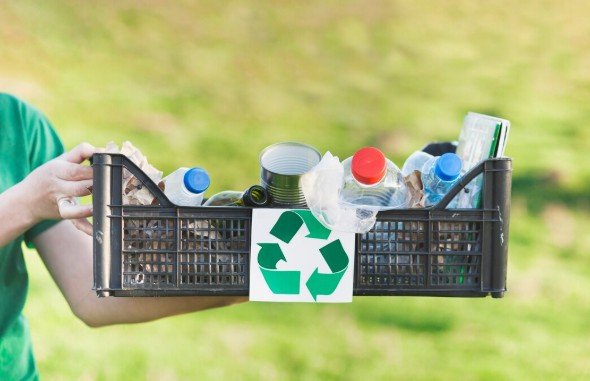
When you recycle properly, you don’t just reduce waste—you contribute to a larger environmental impact.
You help conserve natural resources, reduce pollution, and lower greenhouse gas emissions. At the same time, you create a cleaner and more organized living space.
Over time, recycling also encourages more conscious consumption habits, which further reduces waste generation.
Frequently Asked Questions
1. How should you recycle household waste at home?
You should start by segregating waste into wet, dry, and hazardous categories, clean recyclables, and follow local recycling guidelines.
2. What is the best method to manage household waste?
You should use a three-bin system and follow a daily routine of segregation and cleaning.
3. Which plastics should you recycle?
You should recycle plastics labeled #1 (PET) and #2 (HDPE), as they are widely accepted.
4. How should you dispose of e-waste safely?
You should take electronic waste to authorized recycling centers instead of mixing it with regular waste.
5. Why is proper recycling important?
You should recycle correctly to reduce landfill waste, conserve resources, and prevent environmental pollution.
Build a Sustainable Habit: Start Recycling the Right Way Today
Recycling household waste is not complicated—but it requires consistency and the right approach.
If you follow the steps outlined in this guide and best recycling tips for sustainable living, you’ll not only reduce your waste but also ensure that your efforts actually make a difference. Start small, stay consistent, and improve your process over time.
The goal is not perfection—it’s progress.