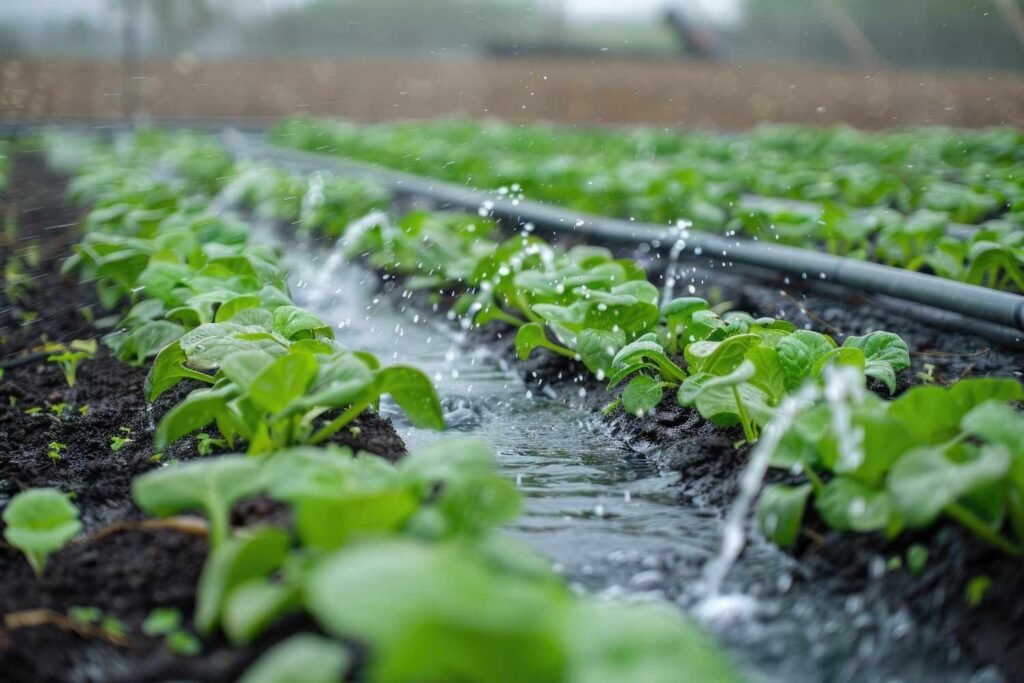
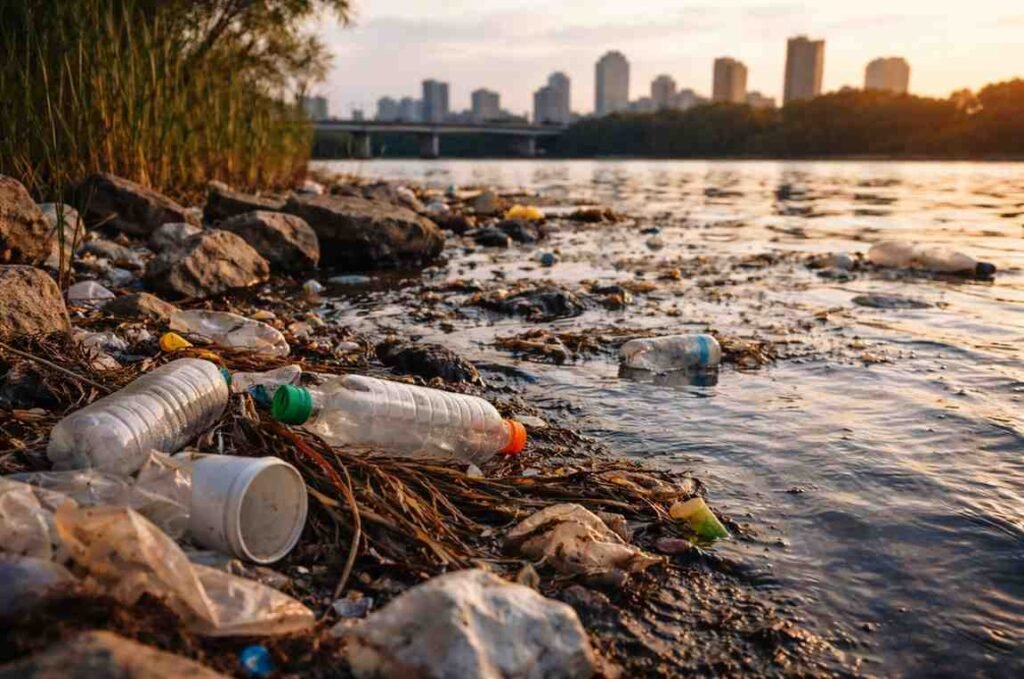
Water always felt like the one thing we didn’t have to think twice about. You turn on the tap, fill a glass, and move on. But over time, it becomes hard to ignore how often water-related issues show up in everyday life, such as strange tastes, local advisories, or news about contaminated lakes. It makes you pause and wonder what’s really going on behind the scenes.
The truth is, most water pollution doesn’t come from dramatic disasters. It builds quietly through routine habits and systems we rarely question. When you start connecting those dots, the idea of “water pollution causes” stops feeling distant and starts feeling very real and very close to home.
What Water Pollution Really Means In Everyday Terms
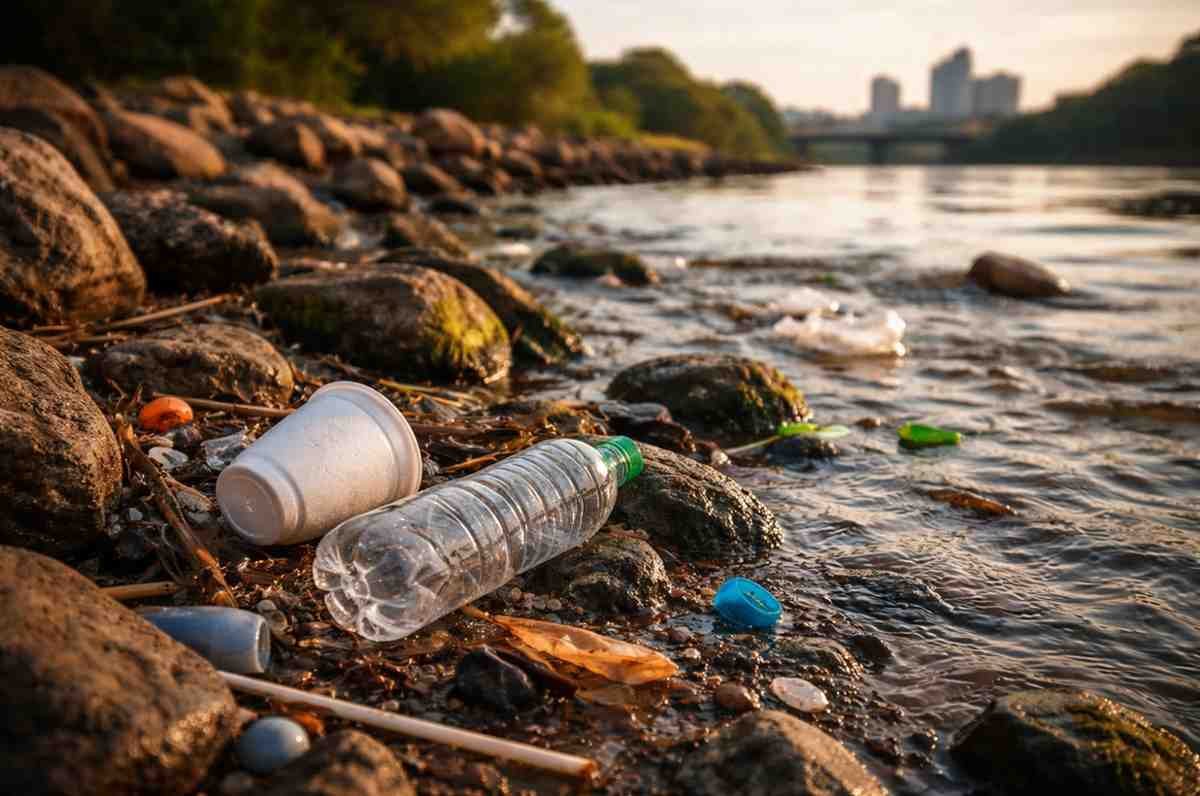
Water pollution is essentially the contamination of rivers, lakes, oceans, and even groundwater due to human activity. It happens when harmful chemicals, waste, or microorganisms enter water systems and degrade their quality. Once that happens, the water is no longer safe for drinking, farming, or supporting aquatic life.
What makes it more concerning is how invisible most of it is. Clear water doesn’t always mean clean water. Contaminants like heavy metals, bacteria, and chemical pollutants often go unnoticed until the effects start showing up in health or the environment.
The Most Common Water Pollution Causes Around Us
Sewage And Wastewater That Doesn’t Get Proper Treatment
Everyday household activities, such as showers, toilets, and dishwashing, create wastewater. When this sewage isn’t properly treated, it carries bacteria, viruses, and organic waste directly into nearby water sources. It’s one of the most widespread yet overlooked causes of water contamination.
In older infrastructure systems, even small leaks or overflows can lead to serious pollution. And the impact doesn’t stay local, it spreads downstream.
Agricultural Runoff That Travels Far Beyond Farms
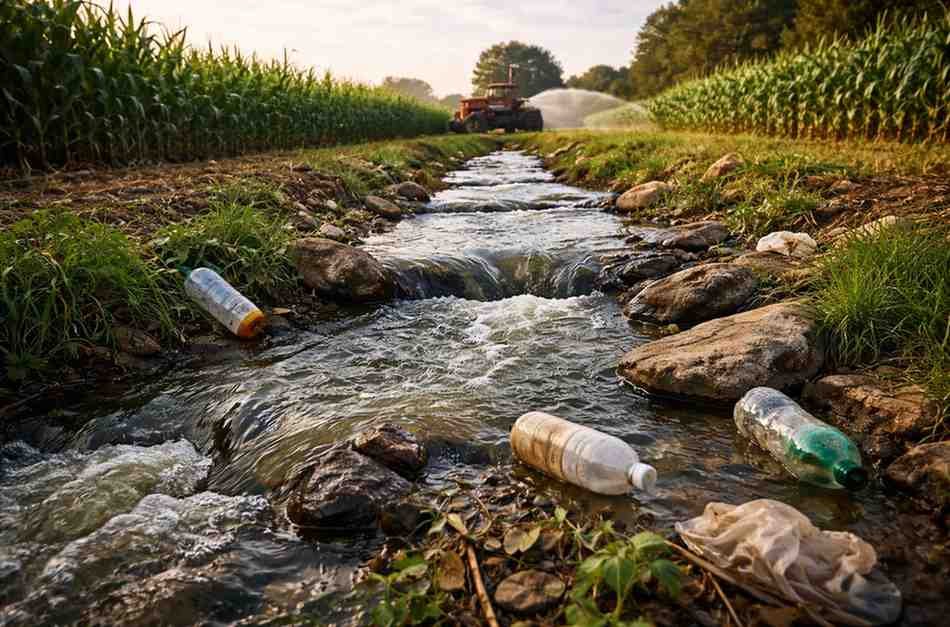
Farming plays a bigger role in water pollution than most people realize. When it rains, fertilizers, pesticides, and animal waste don’t just stay on the soil. They wash into rivers and seep into groundwater.
This runoff introduces nitrates and phosphates into water bodies, which can trigger algal blooms. Over time, these blooms consume oxygen in the water, making it difficult for fish and other aquatic life to survive.
Industrial Waste That Enters Water Systems
Factories and manufacturing units often release chemicals and heavy metals like mercury and lead into water systems. Even with regulations in place, improper disposal and accidental leaks still happen.
These pollutants don’t just disappear. They settle into sediments or move through water systems, affecting both ecosystems and human health over time.
Plastic Waste That Breaks Down But Never Goes Away
Plastic pollution is no longer just about visible trash floating in oceans. Over time, plastics break down into microplastics, tiny particles that are nearly impossible to remove.
These particles enter water systems through household waste, packaging, and improper disposal. They’re now found in drinking water, marine life, and even the food chain.
How Water Pollution Shows Up In Daily Life
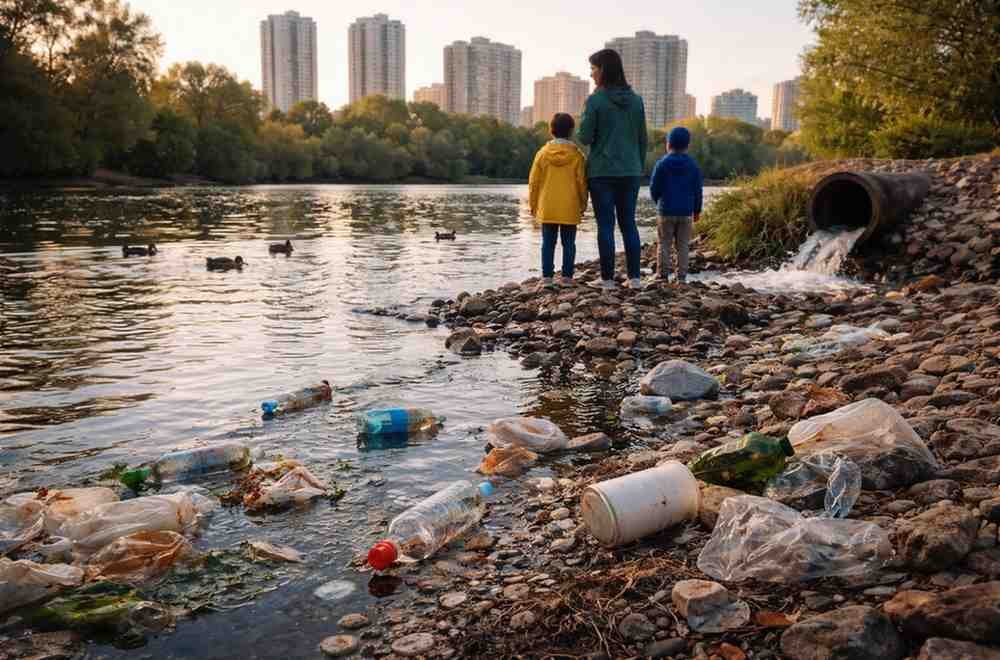
The effects of water pollution aren’t always dramatic, but they’re deeply woven into everyday experiences. Sometimes, you don’t notice them until they start affecting your health or environment.
Long-Term Health Risks You Don’t See Immediately
Exposure to heavy metals like arsenic or mercury doesn’t always cause immediate symptoms. But over time, it can lead to serious conditions such as:
- Organ damage
- Neurological disorders
- Developmental issues in children
- Increased risk of cancer
These effects build slowly, which makes them even more concerning.
Food Chain Contamination That Reaches Your Plate
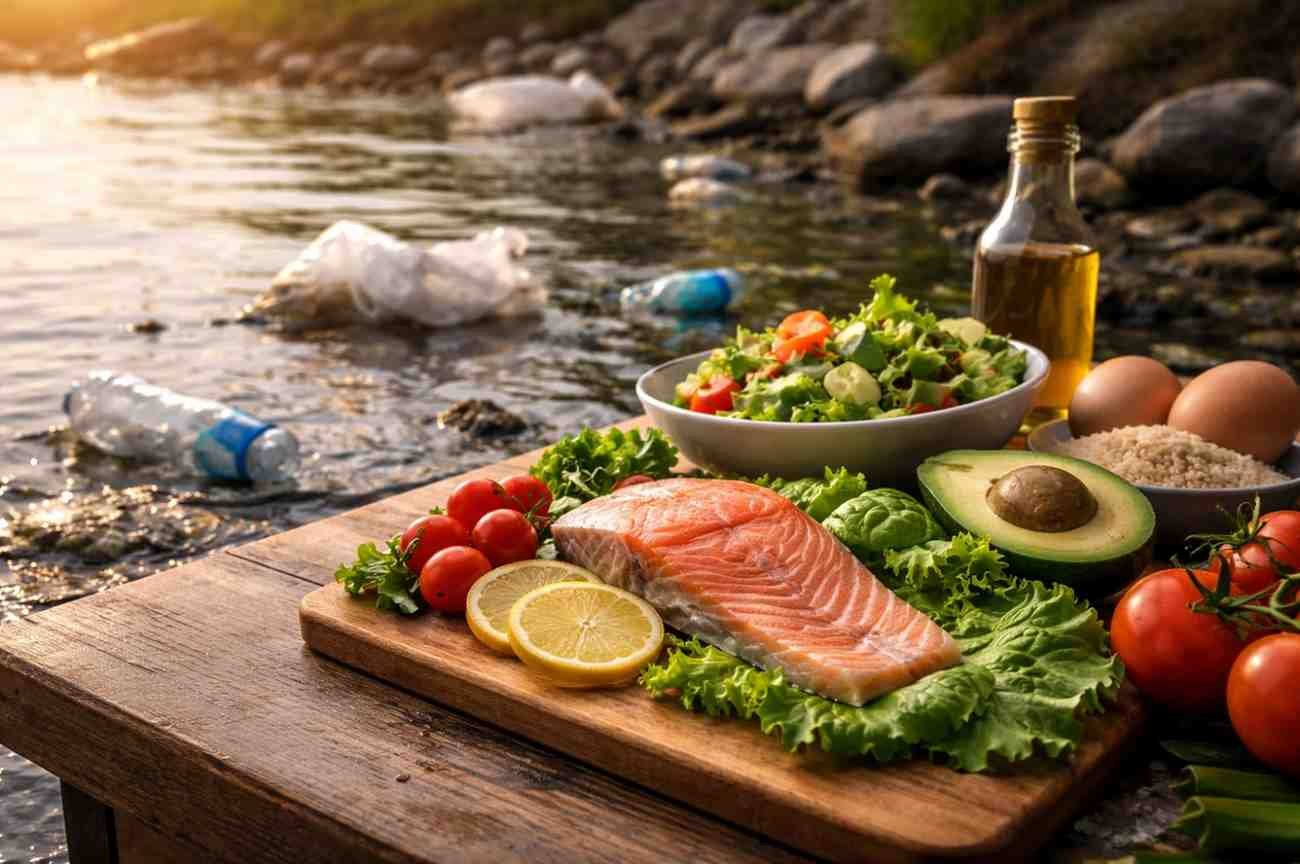
Toxins in water don’t stay in water. Fish and shellfish absorb pollutants like mercury, which then move up the food chain. When consumed, these toxins enter the human body.
It’s a cycle that connects environmental pollution directly to daily diet choices.
Ecosystem Damage That Disrupts Natural Balance
Excess nutrients in water lead to eutrophication, a process where algae grow rapidly and consume oxygen. This creates “dead zones” where aquatic life cannot survive.
Over time, entire ecosystems can collapse, affecting biodiversity and natural water cycles.
Economic And Lifestyle Impacts
Water pollution doesn’t just affect health; it also impacts livelihoods and daily living. It can:
- Reduce agricultural productivity
- Harm livestock health
- Affect the fishing industries
- Lower the quality of recreational spaces like lakes and beaches
These effects ripple outward, influencing both local economies and daily routines.
Where Daily Habits Quietly Contribute To The Problem
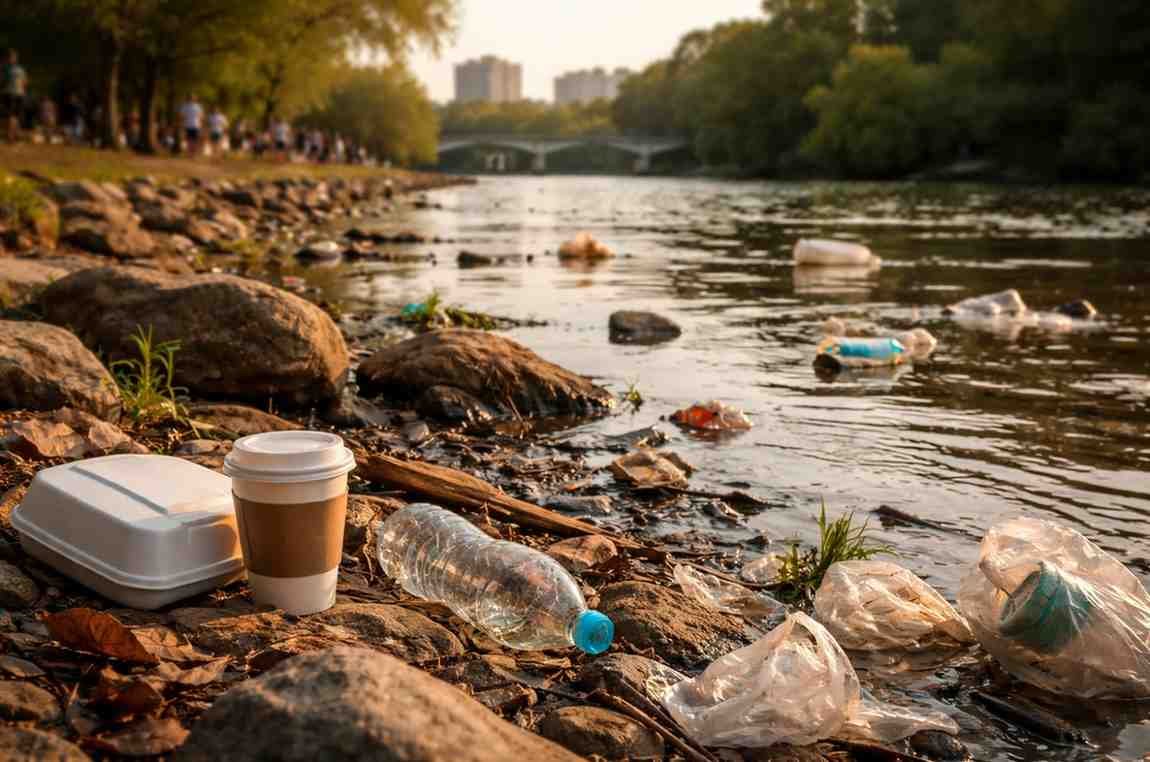
What stands out when you look closely is how many pollution sources are tied to routine behaviour. From how waste is disposed of to what goes down the drain, small actions add up.
That’s why simple changes, like following recycling tips at home, can play a meaningful role in reducing waste that eventually reaches water systems. It’s not about drastic changes; it’s about consistent awareness.
Frequently Asked Questions: A Closer Look At Water Pollution Causes And Their Daily Effects
1. What Are The Main Water Pollution Causes?
The main causes include sewage and wastewater, agricultural runoff, industrial waste, plastic pollution, urban runoff, and oil contamination from daily activities.
2. How Does Water Pollution Affect Human Health?
It can lead to waterborne diseases, skin infections, digestive issues, and long-term conditions like organ damage or neurological disorders due to toxic exposure.
3. Can Water Pollution Be Reversed?
In some cases, yes, but it requires significant effort, proper treatment systems, and long-term environmental management. Prevention is far more effective than cleanup.
4. How Do Everyday Activities Contribute To Water Pollution?
Daily actions like improper waste disposal, use of chemicals, and household runoff contribute to pollution that eventually reaches rivers, lakes, and groundwater.
Final Thoughts
When you take a closer look at water pollution causes, it becomes clear that the issue isn’t distant or abstract. It’s built into everyday systems and habits that feel normal. The challenge is that most of it happens quietly without immediate signs until the impact becomes harder to ignore. That’s what makes awareness so important. Not as a one-time realization, but as an ongoing shift in how we think about water and our role in keeping it clean.
Small changes don’t fix everything, but they do change direction. And sometimes, that’s where real impact begins.