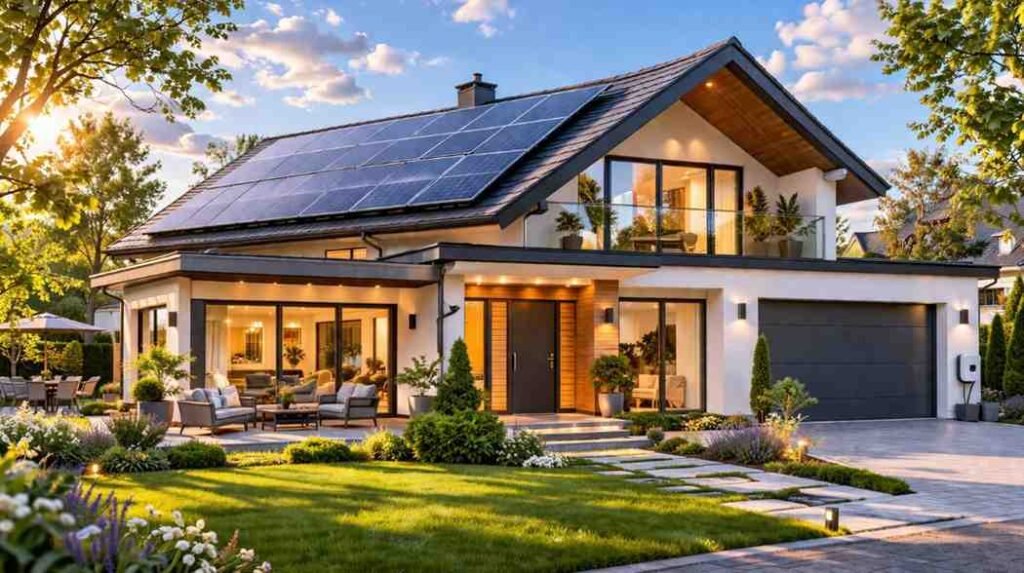
There’s a point where cutting electricity bills stops being the only reason to consider solar. I’ve seen people start with the idea of saving money, but over time, they talk about something else entirely: control, consistency, and a strange kind of peace knowing where their energy comes from.
It’s not just about what you save each month. It’s about what changes quietly in the background—how your home runs, how your choices impact the environment, and how less dependent you feel on unpredictable systems. The real solar energy benefits don’t hit all at once, but when they do, they stick.
It Starts With Clean Energy, But Goes Much Further
Most people know solar is a clean energy source, but the impact goes deeper than that. Traditional electricity relies heavily on fossil fuels, which release harmful emissions into the air. Solar panels, on the other hand, generate power without producing greenhouse gases.
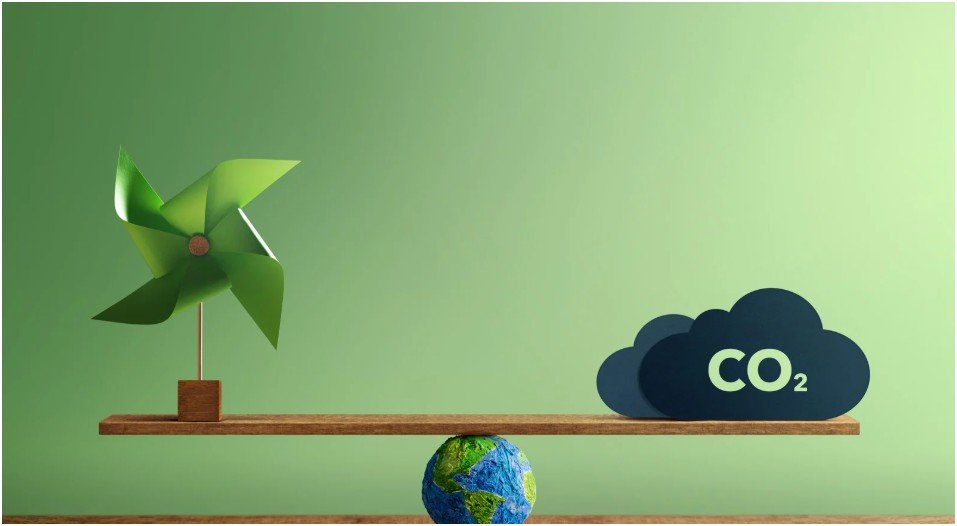
A single residential system can offset around 3 to 4 tons of carbon emissions every year. That’s roughly the same as planting over 100 trees annually. When you think about it in real terms, it becomes less abstract and more personal.
This is where conversations about sustainability become real. People often underestimate how their daily energy use connects to the environmental impact of humans, but solar quietly reduces that burden without requiring constant effort.
Better Air Quality Isn’t Just an Environmental Win
Cleaner energy doesn’t just help the planet—it directly affects health. When homes rely less on fossil fuels, there’s a noticeable reduction in pollutants like sulfur dioxide and nitrogen oxides.
These pollutants are linked to:
- Respiratory issues like asthma
- Chronic bronchitis
- Cardiovascular diseases
Switching to solar contributes to cleaner air in your surrounding area. It’s not something you see overnight, but it’s part of a larger shift that improves everyday living conditions over time.
Solar Quietly Saves One of Our Most Limited Resources
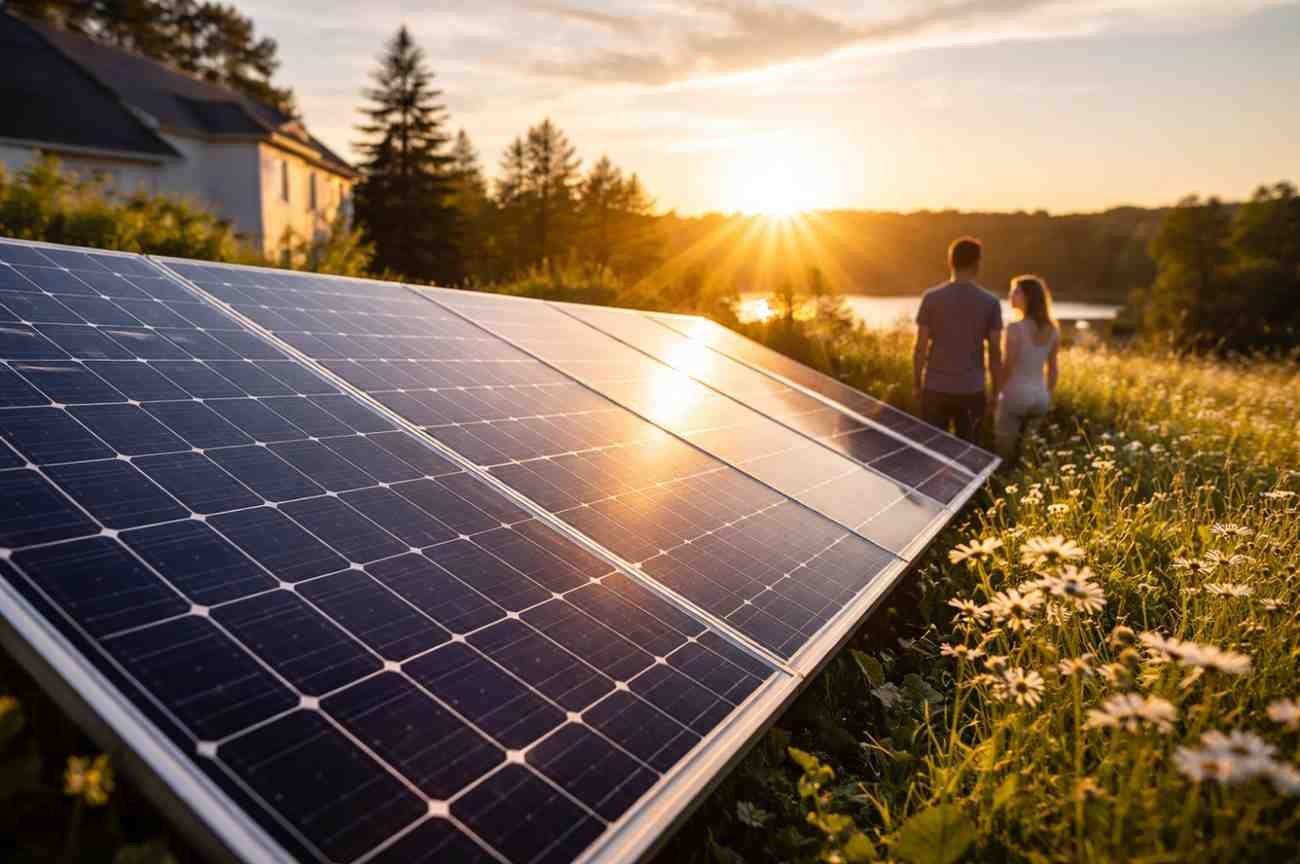
Water is rarely part of the solar conversation, but it should be. Traditional power plants require massive amounts of water for cooling and processing. Solar panels, especially photovoltaic systems, use almost no water to generate electricity.
In regions where water scarcity is becoming a real concern, this matters more than people realize. It’s one of those hidden solar energy advantages that doesn’t get attention but has long-term value.
Your Home Becomes More Valuable And More Attractive
Solar panels are often compared to home upgrades like renovated kitchens or modern flooring. But unlike those, they don’t just improve appearance—they actively reduce ongoing costs.
Homes with solar installations tend to sell at higher prices. On average, property value can increase by around $15,000. Buyers are increasingly aware of long-term savings and energy efficiency, making solar-equipped homes more appealing.
This isn’t just a trend—it reflects a shift in what people consider a “smart home investment.”
Energy Independence Feels Different Than Expected
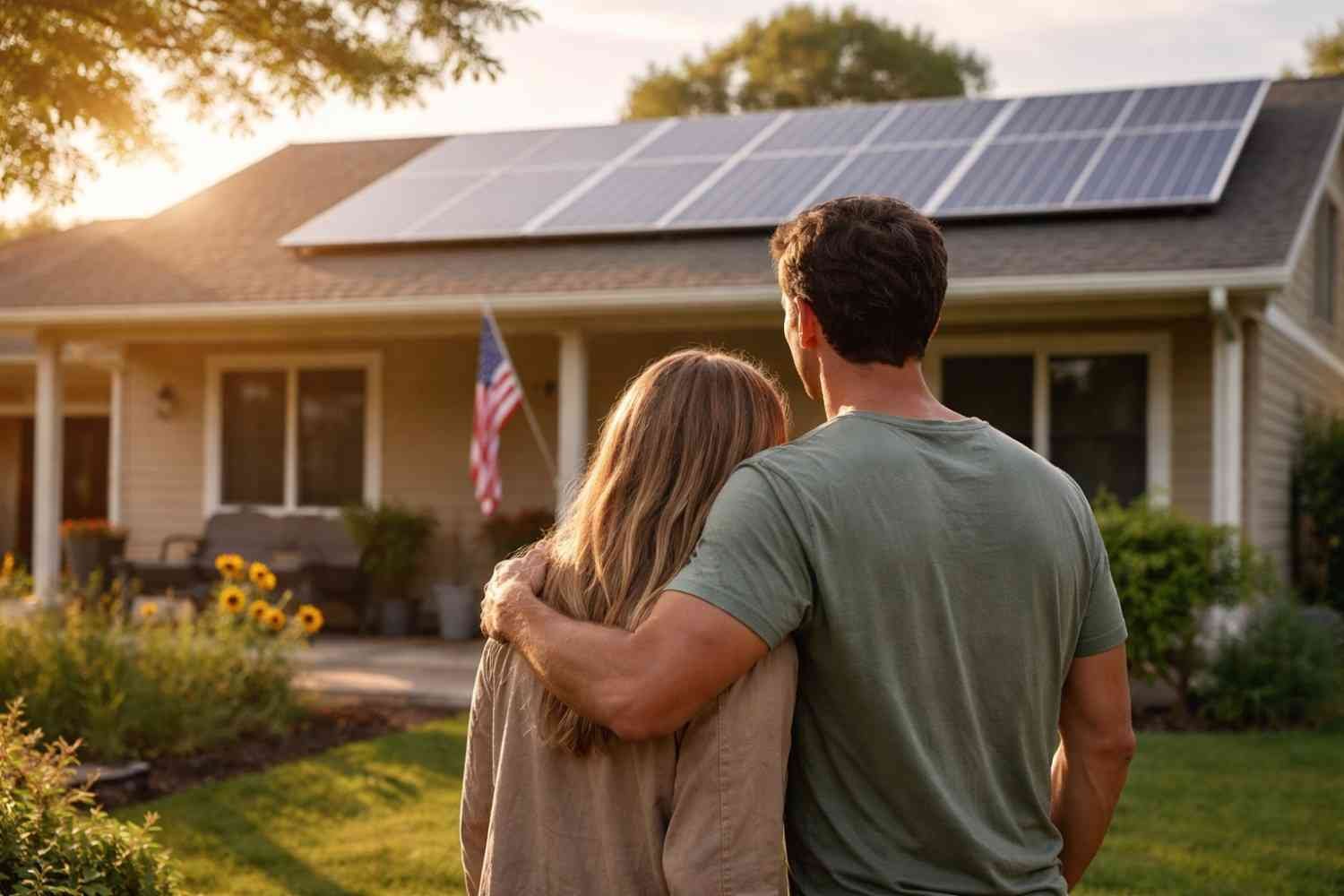
One of the biggest shifts people notice after installing solar is how their relationship with electricity changes. Instead of relying entirely on the grid, they generate their own power.
This creates:
- More control over energy usage
- Protection from rising electricity costs
- Reduced stress during price fluctuations
When combined with battery storage, solar systems can even provide backup during outages. That reliability becomes especially noticeable during extreme weather or grid instability.
Solar Supports a More Stable Energy System
Rooftop solar doesn’t just benefit individual homes; it also helps the broader energy system. When electricity is generated closer to where it’s used, it reduces pressure on large-scale infrastructure.
This leads to:
- Lower transmission losses
- Reduced grid congestion
- Improved overall efficiency
It’s a small shift at the individual level, but when adopted widely, it creates a more stable and resilient energy network.
It Creates Real Jobs and Economic Movement
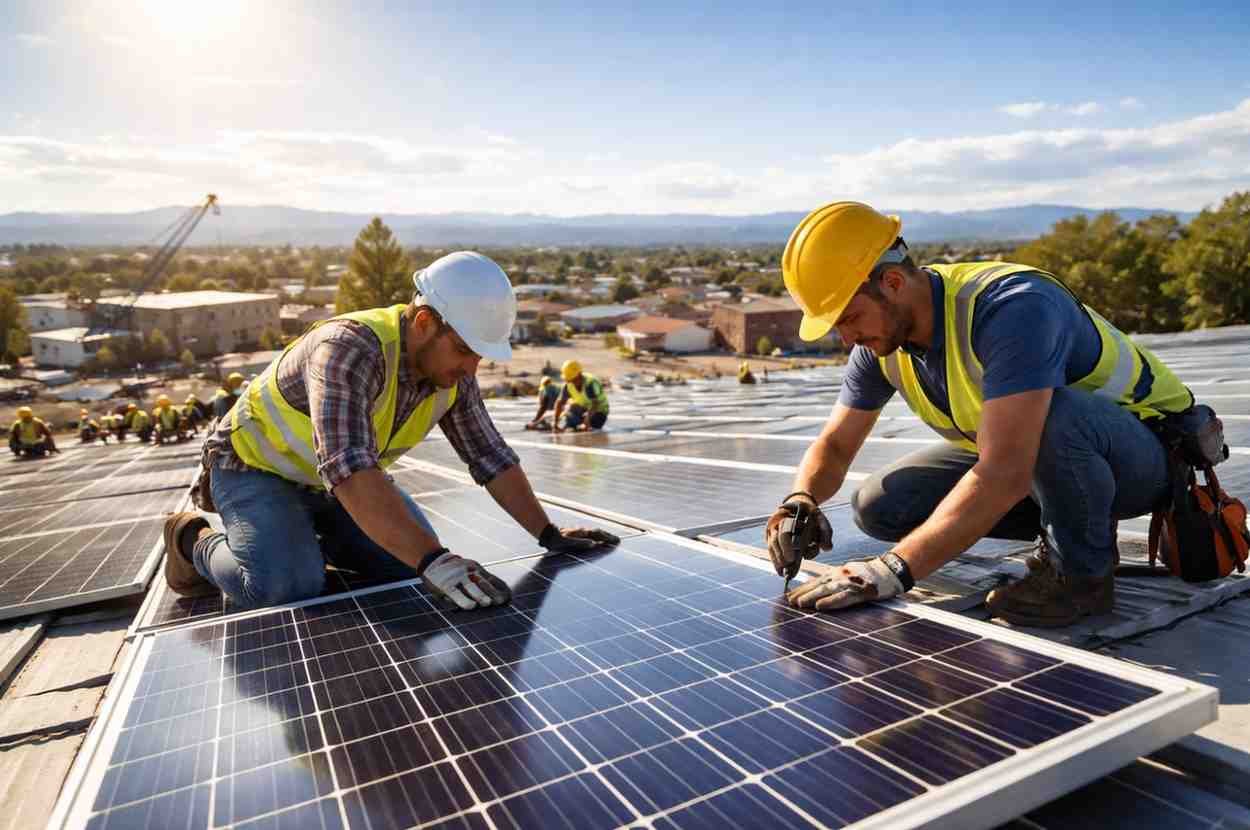
The solar industry is one of the fastest-growing employment sectors. From manufacturing and installation to maintenance and engineering, it supports millions of jobs.
This growth doesn’t just stay within large corporations, it spreads across local communities. Installers, technicians, and service providers all play a role in expanding access to solar energy.
In a way, every installation contributes to a broader economic ecosystem.
Access to Energy Becomes More Equal
Solar isn’t limited to urban or fully developed areas. Off-grid systems and mini-grids make it possible to deliver electricity to remote or hard-to-reach locations.
This has a ripple effect:
- Homes gain reliable lighting
- Small businesses can operate longer hours
- Schools can function more effectively
Energy access changes how communities grow, learn, and sustain themselves. It’s one of the more human-centered renewable energy benefits that often goes unnoticed.
FAQs: Solar Energy Benefits That Go Beyond Just Lower Electricity Bills
1. What are the main solar energy benefits besides saving money?
Beyond cost savings, solar energy reduces carbon emissions, improves air quality, conserves water, increases property value, and provides energy independence.
2. Do solar panels really increase home value?
Yes, homes with solar installations often sell for higher prices because buyers value lower energy costs and long-term efficiency.
3. How does solar energy improve health?
By reducing reliance on fossil fuels, solar energy lowers air pollution, which helps decrease respiratory and cardiovascular health risks.
4. Is solar energy reliable during power outages?
With battery storage systems, solar can provide backup power during outages, making it a more reliable energy solution.
Final Thoughts
The real value of solar energy isn’t just in what it saves—it’s in what it changes. From cleaner air to more stable energy access, the benefits extend into areas people don’t always consider at the beginning. It reshapes how homes function, how communities grow, and how individuals connect with their energy use. Over time, those changes feel less like upgrades and more like a new normal.
And once that shift happens, going back doesn’t really make sense.