I used to think road trips meant freedom—but also guilt. Gas stops, plastic snacks, and long drives felt far from sustainable. That changed when I planned my first eco friendly road trip. I realized you don’t have to give up adventure to travel responsibly. You just need smarter choices, not perfect ones. If you’re worried it’s complicated or expensive, I had the same concern—and honestly, it’s easier than it looks once you build a simple routine.
Key Takeaways
- Small driving habits can cut fuel use more than expensive upgrades
- Choosing the right route matters as much as choosing the right vehicle
- Packing smart reduces waste and improves efficiency
- Supporting local businesses makes your trip more sustainable
- Planning ahead saves money and reduces stress
What Makes An Eco Friendly Road Trip Actually Sustainable?

An eco friendly road trip isn’t just about driving less. It’s about making better decisions before and during your trip.
I focus on three things: emissions, waste, and local impact. That means choosing efficient routes, reducing plastic use, and spending money in local communities instead of chains.
Most people think sustainability requires big sacrifices. It doesn’t. I still enjoy scenic drives, good food, and comfortable stays—I just approach them differently.
Which Routes Are Best For An Eco Friendly Road Trip?
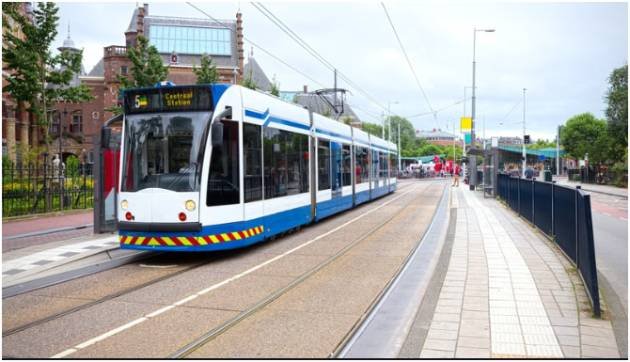
Some routes naturally support a more sustainable travel style.
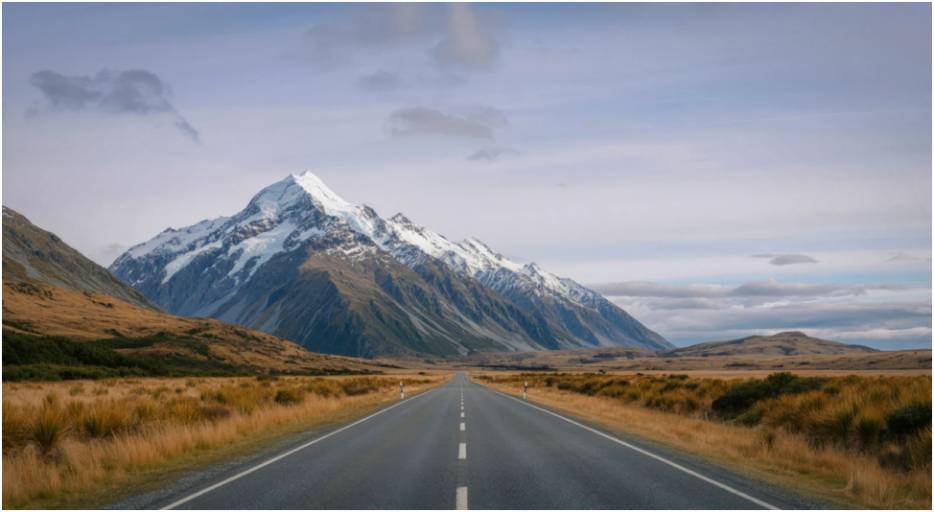
Scenic drives like the Blue Ridge Parkway keep speeds low, which improves fuel efficiency. Coastal routes like the Pacific Coast Highway connect cities that already support green travel habits.
I also look for places with shuttle systems or strong public transit. National parks with internal transport options reduce the need to drive everywhere, which cuts emissions significantly.
How Do You Choose The Right Vehicle?
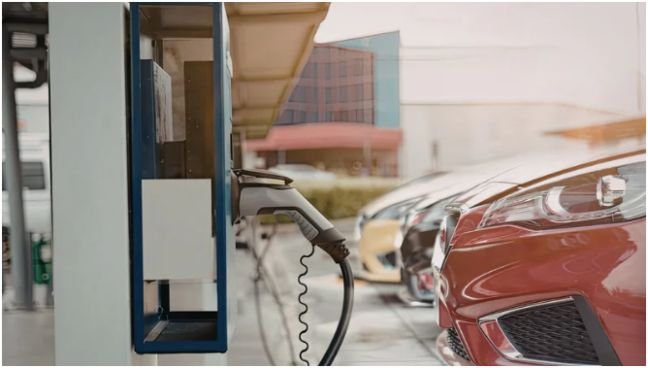
Your vehicle choice can make or break your eco friendly road trip.
If possible, I go for a hybrid or electric vehicle. Companies like Hertz and Avis offer EV options at major airports, which makes it easier than ever.
If an EV isn’t practical for your route, I focus on fuel efficiency. Even small changes—like removing roof racks or keeping tires properly inflated—can improve mileage.
One thing most guides miss: driving style matters more than the car itself. Smooth acceleration and steady speeds can cut fuel use significantly.
How Can You Pack More Sustainably Without Overthinking It?
Packing light isn’t just about convenience—it directly affects fuel consumption.
I keep a small kit with reusable bottles, utensils, and containers. It replaces dozens of single-use items during the trip.
I also avoid overpacking. Extra weight forces your car to burn more fuel, especially on long drives. Even reducing a few pounds can make a noticeable difference over time.
Where Should You Eat And Stay On The Road?

This is where your choices create the biggest local impact.
Instead of chain restaurants, I look for small, local spots. Farm-to-table places often use fewer resources and support nearby producers.
For stays, I prioritize eco-conscious hotels or smaller lodges. Many cities now offer green-certified accommodations, and they’re often more unique than big hotel chains.
A simple habit I follow: stay longer in fewer places. It reduces driving distance and helps you experience locations more deeply.
How To Eco Friendly Road Trip
When I plan an eco friendly road trip, I start by mapping the shortest efficient route using apps that avoid unnecessary detours. Then I choose a fuel-efficient or electric vehicle based on charging availability.
Before leaving, I pack only essentials along with reusable items to cut down waste. On the road, I drive steadily, avoid aggressive acceleration, and use cruise control on highways.
I plan stops around local restaurants and eco-conscious accommodations, which reduces environmental impact while supporting communities. Throughout the trip, I stay mindful of waste, recycling when possible and avoiding single-use plastics whenever I can.
What Tools Make Planning Easier?
Planning doesn’t have to feel overwhelming if you use the right tools.
Apps like PlugShare help locate charging stations if you’re driving an EV. Navigation tools help optimize routes and reduce unnecessary mileage.
I also check availability at larger travel hubs. EV rentals and charging infrastructure are much more reliable in major cities compared to smaller towns.
Is An Eco Friendly Road Trip More Expensive?
This is the biggest concern I hear—and I had it too.
The truth is, it can actually be cheaper. Efficient driving saves fuel, and packing reusable items cuts down on daily expenses.
If you want to go even further, I combine this approach with budget sustainable travel, which helps me save money while staying eco-conscious.
The key is planning ahead. Last-minute decisions usually cost more, both financially and environmentally.
Simple Comparison Table: Regular vs Eco Road Trip
| Aspect | Regular Road Trip | Eco-Friendly Road Trip |
| Driving Style | Fast, inconsistent | Smooth, steady |
| Packing | Overpacked | Minimal + reusable |
| Food Choices | Chain restaurants | Local, farm-to-table |
| Vehicle | Any | Efficient / EV / hybrid |
| Waste | High | Low |
FAQ About Eco Friendly Road Trip
1. What is an eco friendly road trip?
An eco friendly road trip focuses on reducing emissions, minimizing waste, and supporting local communities through mindful travel choices like efficient driving and sustainable stays.
2. Are electric vehicles necessary for an eco friendly road trip?
No, they help reduce emissions, but driving efficiently and planning routes smartly can make a big impact even with a regular vehicle.
3. How do I reduce waste during a road trip?
Carry reusable bottles, containers, and utensils. Avoid single-use plastics and recycle whenever possible during stops.
4. How much can I save with an eco friendly road trip?
You can save on fuel, food, and waste-related expenses. Smart planning often makes sustainable travel more affordable than traditional road trips.
This Is How I Travel Smarter Now
An eco friendly road trip changed how I travel—and honestly, how I think about everyday choices too.
I don’t aim for perfection anymore. I just make better decisions consistently. That’s what actually works.
If you’re starting out, keep it simple. Choose one or two habits and build from there. Over time, those small shifts turn into a completely different travel experience.