Most people don’t think about water until there’s a problem. The tap runs, the shower flows, and it feels like an unlimited resource. But the reality is far from that. The water you use every day, whether for drinking, cleaning, or cooking, is part of a very limited supply that’s quietly shrinking under pressure.
I remember noticing this the first time my monthly utility bill spiked without any clear reason. Nothing had changed in my routine, yet something felt inefficient. That’s when it clicked, water isn’t just something we use, it’s something we often waste without realizing it. Understanding the importance of water conservation starts with recognizing how easily we take it for granted.
Why Water Isn’t as Abundant as It Seems?
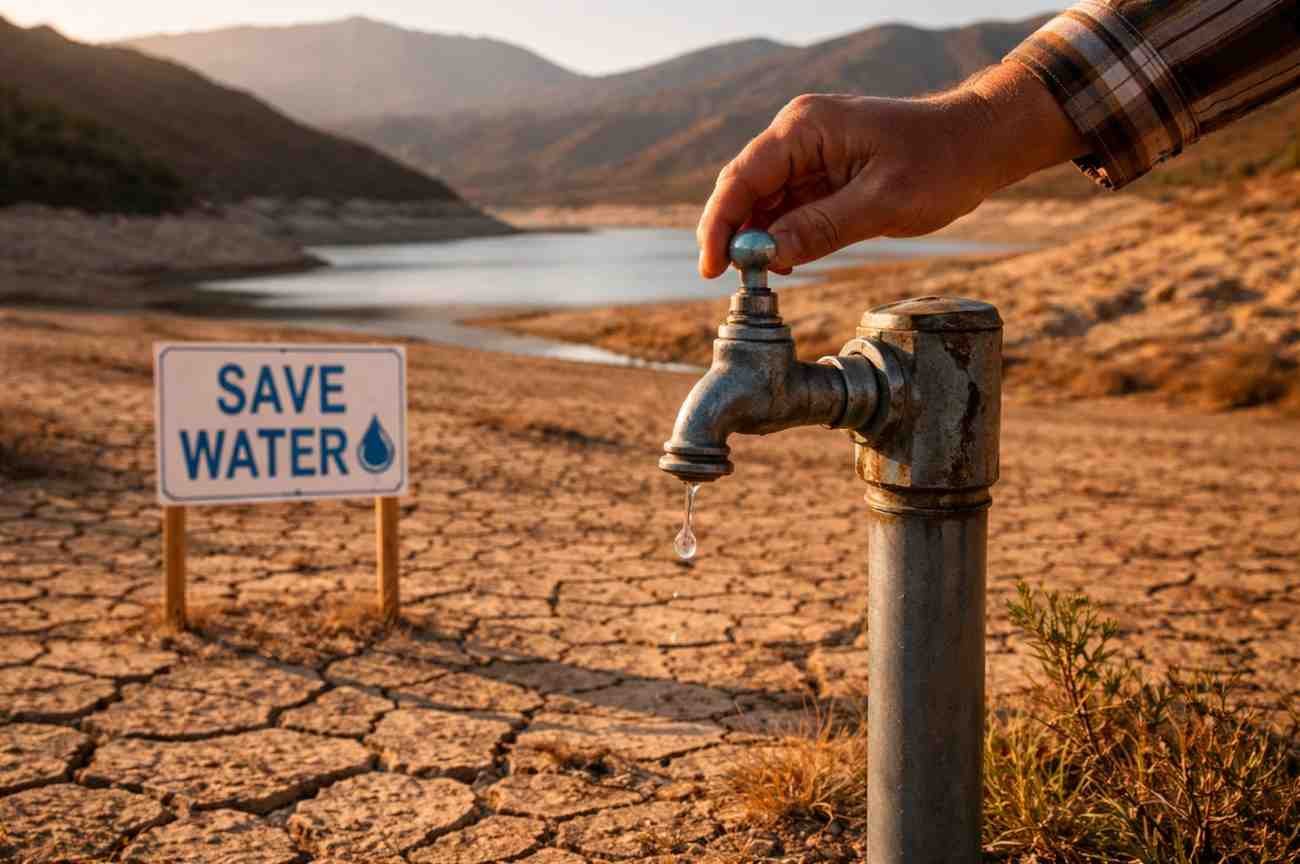
It’s easy to assume water is everywhere because oceans cover most of the planet. But less than 1% of that water is actually accessible freshwater for human use. That’s the portion we rely on for drinking, agriculture, and sanitation.
Now, combine that with rising population, changing climate patterns, and increasing demand, and suddenly, the pressure on that small percentage becomes very real. Projections suggest that a significant portion of the global population is already moving toward water-stressed conditions.
This is where the environmental impact of humans becomes impossible to ignore. Every inefficient system, every careless habit, and every overuse of resources adds to the strain on an already limited supply.
The Real Importance of Water Conservation in Daily Life
Water conservation is not just about saving water; it’s about protecting the systems that depend on it.
It Supports Basic Survival
Water is fundamental to life. Without it, there’s no agriculture, no food production, and no basic sanitation. Conserving water ensures that this essential resource remains available for both present and future needs.
It Protects Ecosystems
Freshwater ecosystems, such as rivers, lakes, and wetlands, depend on balanced water levels. Overuse disrupts these systems, affecting wildlife and biodiversity.
When ecosystems collapse, the impact doesn’t stay isolated. It spreads through food chains and environmental cycles, eventually affecting human life as well.
It Reduces Energy Consumption
Most people don’t realize that water usage is directly linked to energy consumption. Treating, pumping, and heating water all require energy.
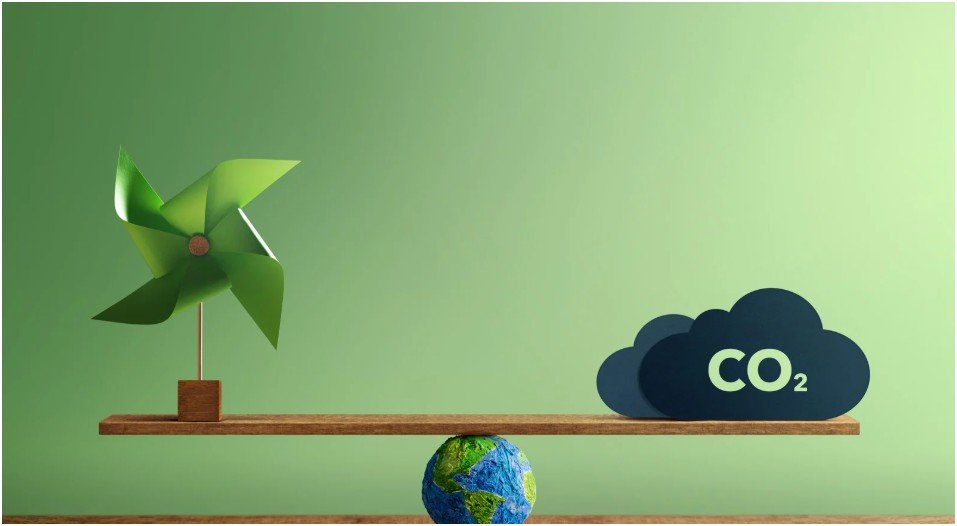
When you conserve water, you’re also reducing energy demand. That indirectly lowers emissions and helps reduce environmental strain.
Water Conservation and Global Stability
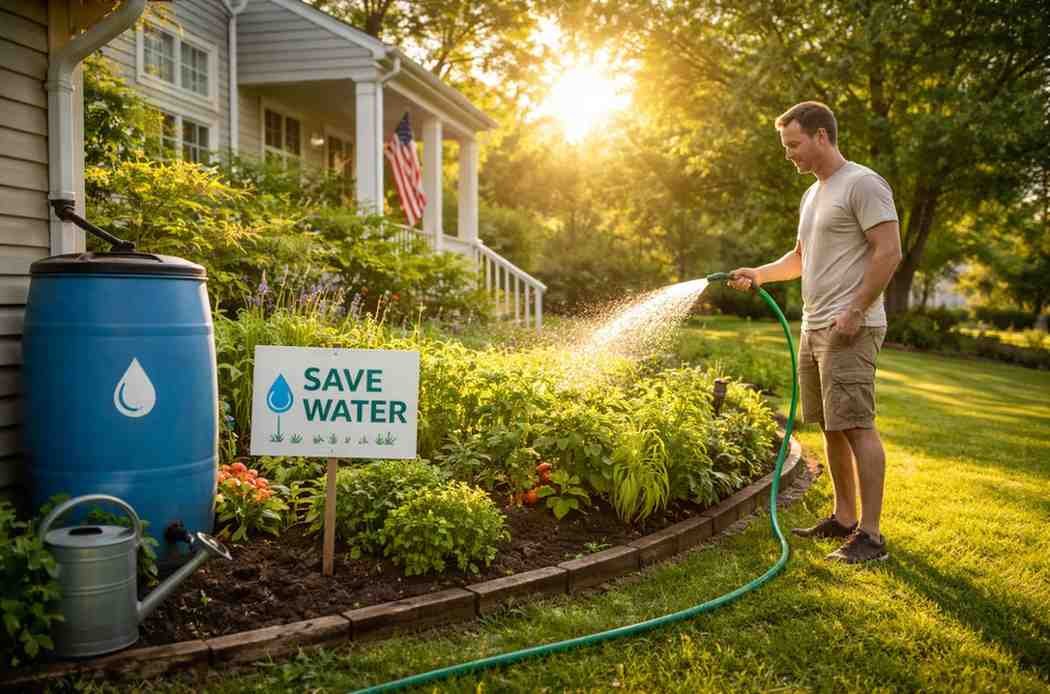
Water scarcity isn’t just an environmental issue; it’s an economic and social one.
Agriculture alone accounts for a massive portion of freshwater usage. If water becomes unreliable, food production suffers. That leads to higher costs, shortages, and instability.
Reliable water systems are also essential for industries, cities, and communities. Without them, everything from basic living conditions to economic growth is affected.
Long-Term Impact on Future Generations
One of the most overlooked aspects of water conservation is how it affects the future.
Groundwater sources, like aquifers, take years, sometimes centuries, to replenish. Overuse today creates shortages that future generations will have to deal with.
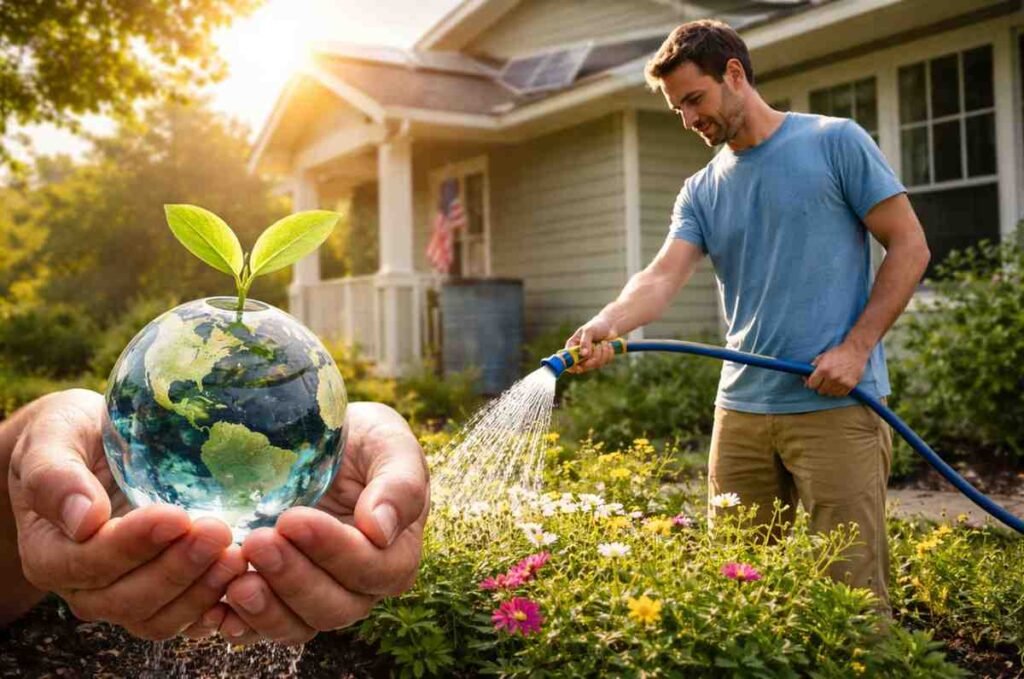
This is where conservation becomes more than just a personal responsibility. It becomes part of a broader shift toward sustainable living for families, where everyday choices contribute to long-term stability.
Health and Sanitation Depend on It
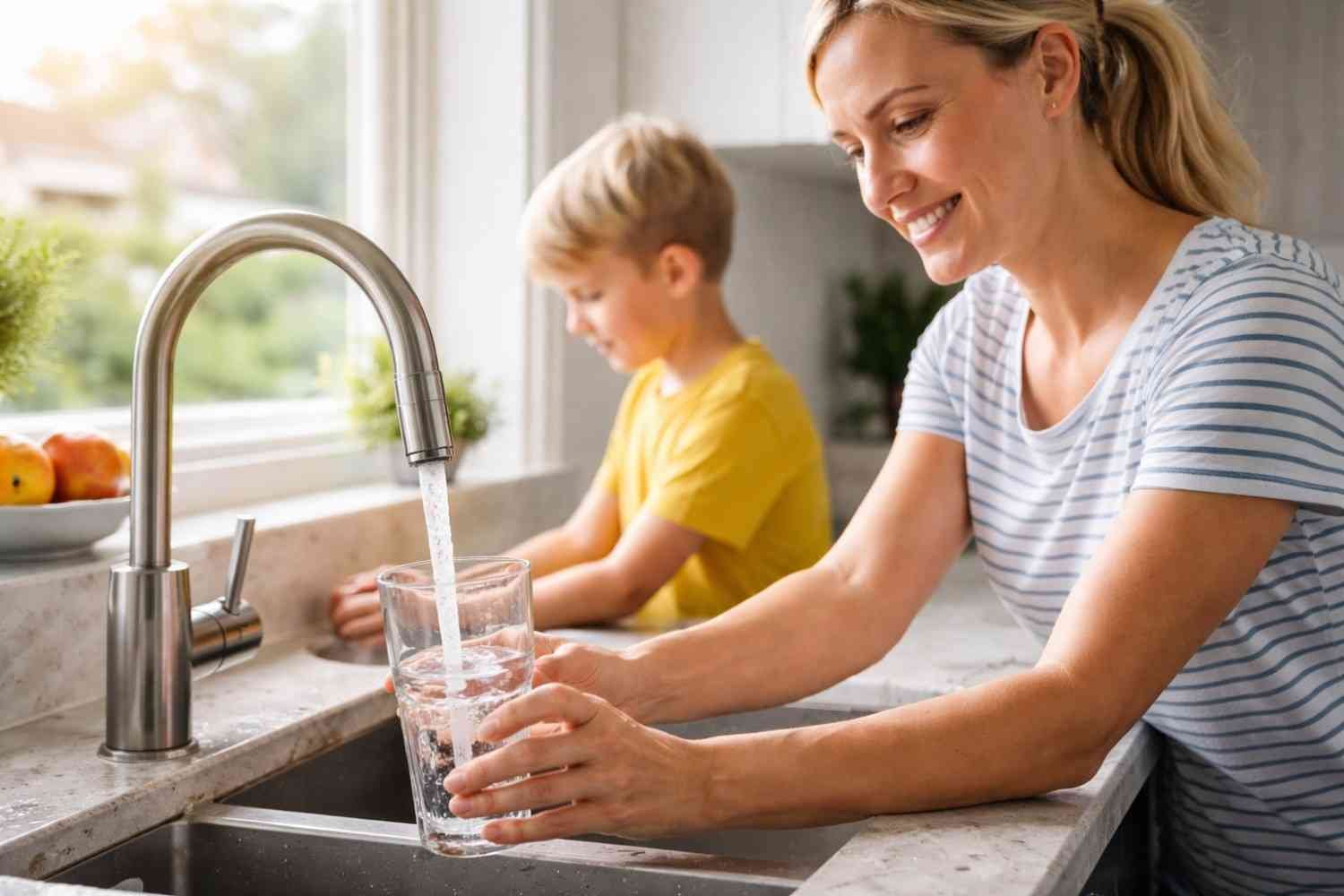
Access to clean water directly affects public health.
Proper water management improves hygiene, reduces disease spread, and supports better living conditions. In areas where water is scarce or contaminated, health risks increase significantly.
Even in developed environments, inefficient water use can strain systems and impact water quality over time.
Simple Behavioral Shifts That Make a Difference
Water conservation doesn’t always require big changes. Small, consistent actions can create a noticeable impact.
Here are a few practical adjustments:
- Fix leaks as soon as they appear
- Use water-efficient fixtures
- Avoid running taps unnecessarily
- Optimize water usage in daily routines
These changes may seem minor, but when repeated daily, they significantly reduce overall consumption.
Why Awareness Matters More Than Effort?
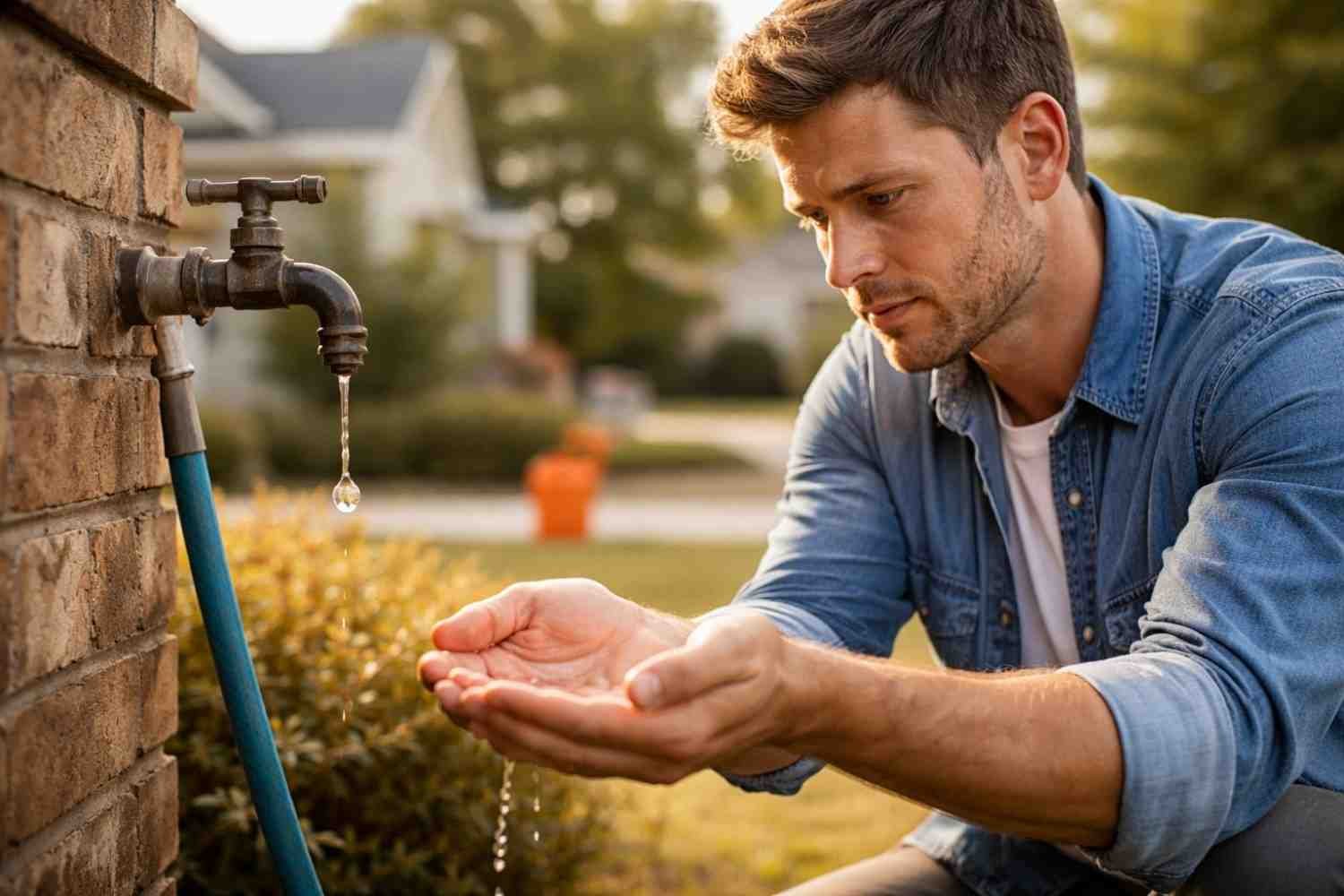
One of the biggest challenges with water conservation is not effort, it’s awareness.
People don’t waste water intentionally. It happens because the consequences are not immediately visible. Unlike electricity bills or fuel costs, water waste often goes unnoticed until it becomes a larger issue.
Once awareness builds, behavior naturally starts to change. You begin to question usage patterns, notice inefficiencies, and make smarter choices without forcing it.
Frequently Asked Questions: The Importance of Water Conservation and Its Long-Term Impact on Life
1. Why is water conservation important in everyday life?
It ensures that essential water resources remain available for drinking, agriculture, and sanitation while reducing unnecessary waste.
2. How does water conservation help the environment?
It protects ecosystems, reduces energy usage, and helps maintain balance in natural water systems.
3. Can small changes really make a difference in saving water?
Yes. Daily habits like fixing leaks and reducing unnecessary usage can significantly lower overall consumption over time.
4. What happens if water conservation is ignored?
Ignoring conservation leads to water scarcity, environmental damage, higher costs, and long-term challenges for future generations.
Final Thoughts
The importance of water conservation becomes clear once you look beyond daily convenience. It’s not just about saving water, it’s about protecting a system that supports life itself. From ecosystems to food production to health, everything connects back to how we use this resource.
And the shift doesn’t require drastic action. It starts with awareness, followed by small, consistent changes. Over time, those changes build into something much larger, a more stable, sustainable way of living.