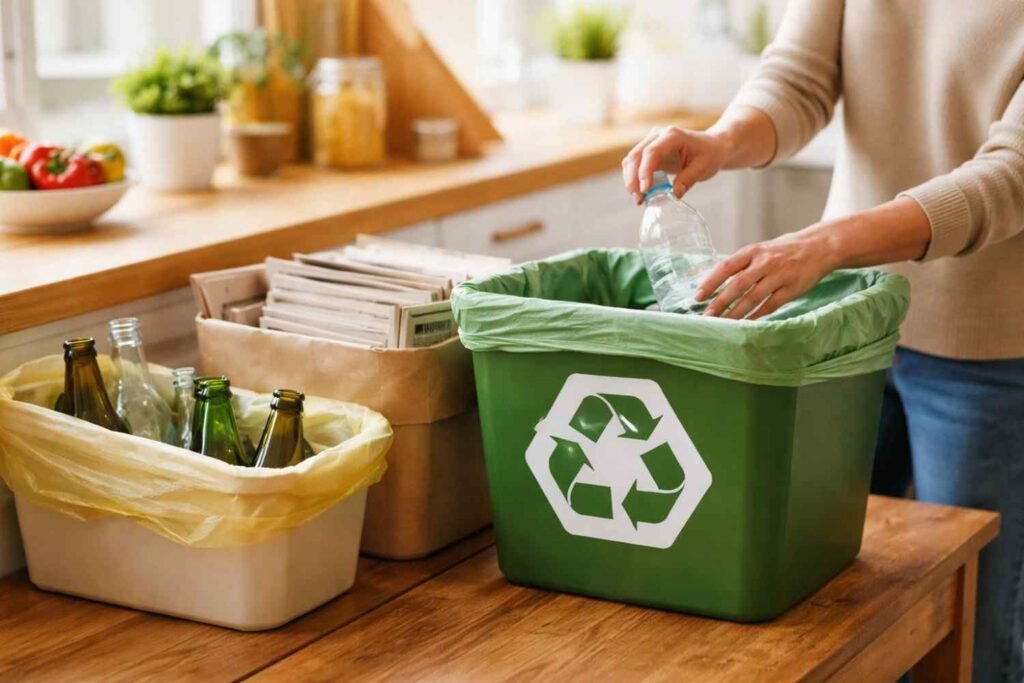
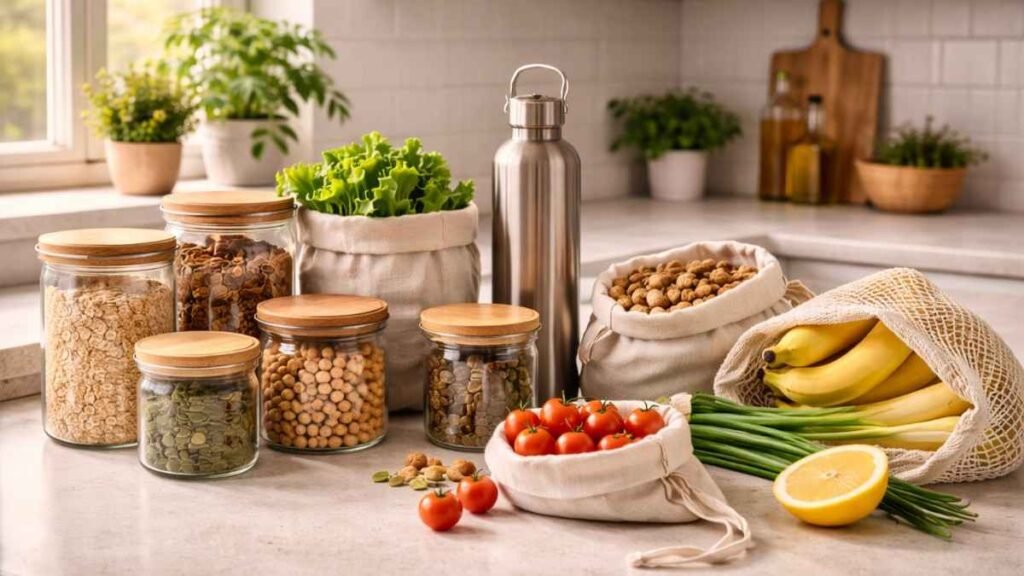
Plastic has quietly become part of almost everything we use, from groceries to daily essentials. Learning how to reduce plastic use felt overwhelming at first, but small, mindful changes made it surprisingly manageable. Reducing plastic use involves a mix of personal habits and smarter choices, and even the smallest swaps can lower your exposure to microplastics while helping the environment.
Why Reducing Plastic Matters Today
Plastic waste does not just disappear. It breaks down into microplastics that end up in water, soil, and even the air we breathe. Studies suggest that these tiny particles are now everywhere, which makes reducing daily exposure more important than ever.
Beyond environmental harm, plastic also affects human health. Everyday items like packaging and containers can release particles over time. This is why learning how to reduce plastic use in daily life is not just eco-friendly but also a smart personal choice.
Reduce Plastic Use With Refuse And Reuse Habits
Start with simple, powerful habits that prevent waste before it starts.
Carry The Big Three
Keeping a reusable water bottle, coffee cup, and shopping bag with you can replace dozens of single-use plastics each week. This one habit alone can significantly cut down waste without extra effort.
These items quickly become second nature. Once they are part of your routine, you will rarely need disposable alternatives again.
Say No To Extras
Takeout often comes with unnecessary plastic items. Politely refusing straws, cutlery, and condiment packets can reduce waste instantly.
It may feel small, but consistently saying no builds a strong habit. Over time, this simple action makes a noticeable difference.
Switch To Reusable Kits
Carrying a small kit with reusable utensils or cloth produce bags helps reduce plastic during meals and shopping. These swaps are practical and easy to maintain.
They also make you more aware of consumption patterns, which is key to understanding how to limit plastic use effectively.
How To Reduce Plastic Use In The Kitchen
Your kitchen is one of the biggest sources of plastic exposure.
Smarter Storage Choices
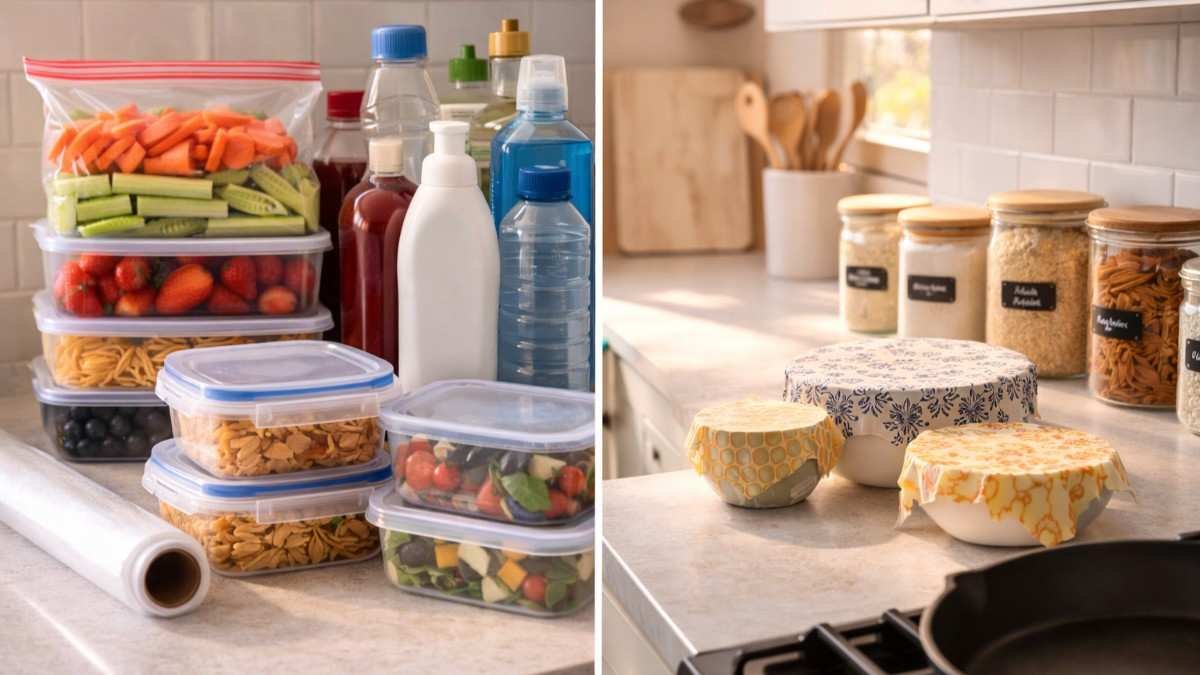
Replace plastic wraps and bags with glass jars, stainless steel containers, or beeswax wraps. These alternatives are safer and last longer. They also help reduce microplastic exposure, especially when storing food for long periods.
Upgrade Cooking Tools
Plastic utensils and non-stick cookware can release particles when heated. Switching to wooden, stainless steel, or cast iron tools is a safer option. These materials are durable and improve cooking quality over time, making them a worthwhile investment.
Avoid Heating Plastic
Never microwave food in plastic containers. Heat can cause chemicals and particles to leach into food. Using glass or ceramic containers is a simple way to reduce risk while improving food safety at home.
Reduce Plastic Use In The Bathroom & Personal Care
Small changes here can eliminate a surprising amount of plastic.
Switch To Solid Products
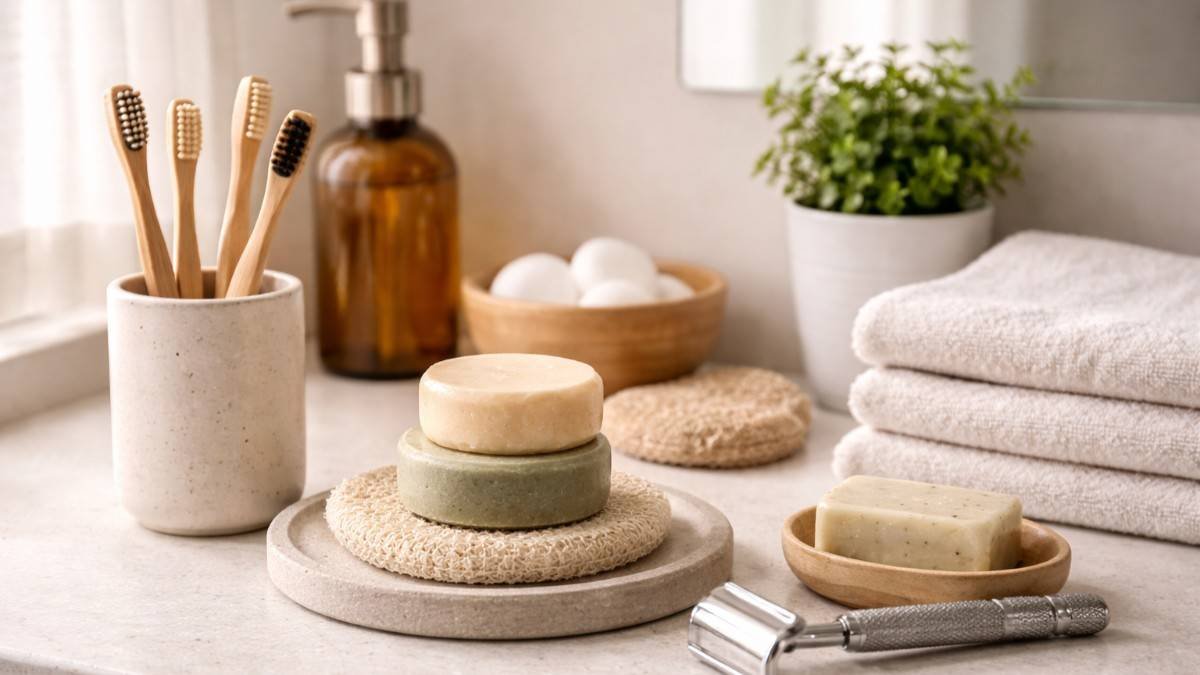
Bar soaps, shampoo bars, and conditioner bars eliminate the need for plastic bottles. They also last longer than liquid products. These swaps are beginner-friendly and make a big impact quickly.
Choose Sustainable Tools
Replace plastic toothbrushes with bamboo options and switch to reusable razors. These alternatives reduce waste without sacrificing convenience. They also tend to be more durable, making them cost-effective in the long run.
Explore Reusable Essentials
Eco-friendly personal care products like reusable pads or menstrual cups reduce waste significantly. These choices support both sustainability and long-term savings.
Smartly Reducing Plastic Use While Shopping
Your buying habits shape your plastic footprint more than anything else.
Buy In Bulk
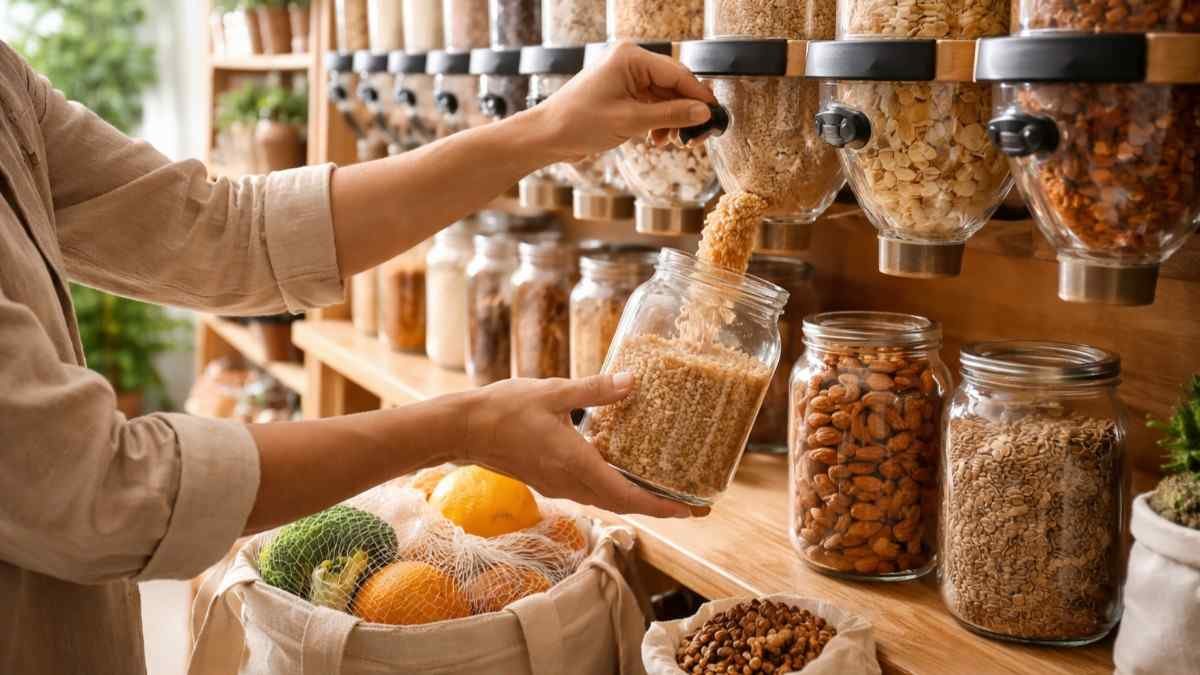
Purchasing items in bulk reduces packaging waste. Bringing your own containers to refill stores makes this even more effective. It also helps you buy only what you need, reducing overall consumption.
Choose Better Packaging
Opt for products packaged in glass, cardboard, or aluminum instead of plastic. These materials are easier to recycle and reuse. Making this switch consistently is one of the easiest ways to practice how to reduce plastic use in daily life.
Pick Natural Materials
Synthetic fabrics release microplastics during washing. Choosing natural materials like cotton, wool, or linen helps reduce this impact. These fabrics are also more breathable and comfortable, adding another benefit.
Advanced Tips To Limit Plastic & Microplastics
Take your efforts further with these deeper strategies.
Improve Indoor Air Quality
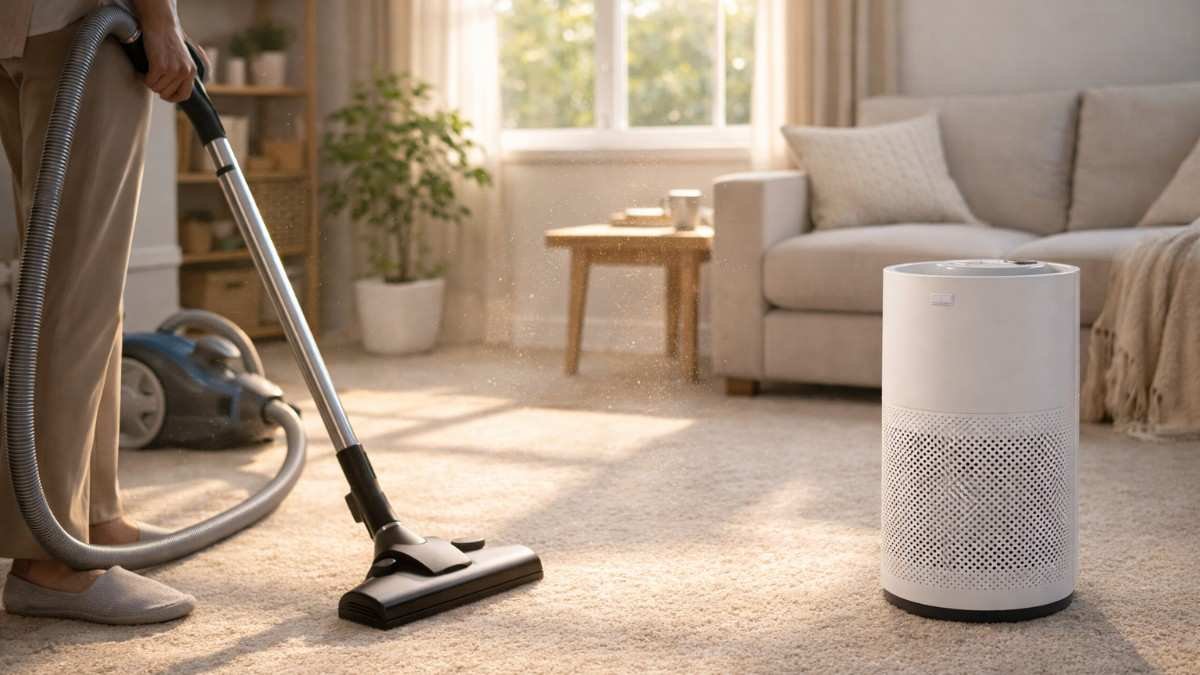
Microplastics can settle in household dust. Using a HEPA air purifier and vacuuming regularly can reduce indoor exposure. This is especially useful in urban environments where pollution levels are higher.
Upgrade Your Laundry Routine
Using a washing machine filter designed to catch microfibers helps prevent plastic pollution from clothing. This is a lesser-known but highly effective step in learning how to limit plastic use.
Repair And Reuse More
Extending the life of plastic products keeps them out of landfills longer. Repairing items instead of replacing them reduces demand for new plastic. This approach aligns with sustainable living principles and reduces waste overall.
A Simple Weekly Plan For Reducing Plastic Use
Breaking it down into steps makes it easier to stay consistent.
Week One Focus
Start by observing how much plastic you use daily. Awareness is the first step toward meaningful change. This helps identify areas where small improvements can be made.
Week Two And Three
Introduce reusable items and adjust shopping habits. Focus on replacing the most common plastic items first. Gradual changes are easier to maintain and feel less overwhelming.
Week Four And Beyond
Upgrade household products and refine habits. Continue building on what works best for your lifestyle. This steady approach ensures long-term success without burnout.
Frequently Asked Questions
1. What are 10 ways to reduce plastic?
Carry reusable bags, bottles, and cups, avoid straws, buy in bulk, use glass containers, recycle properly, switch to bars, reuse items, compost, and choose sustainable packaging.
2. What can you do to reduce the use of plastic?
Start by refusing single-use plastics, using reusable alternatives, and choosing products with minimal or eco-friendly packaging.
3. What are 10 ways to reduce waste?
Reduce consumption, reuse items, recycle, compost, repair products, donate, avoid disposables, buy durable goods, plan purchases, and choose sustainable packaging.
4. What are the 5 R’s for reducing plastic pollution?
Refuse, Reduce, Reuse, Recycle, and Rot. These steps prioritize avoiding waste before managing it.
Small Changes for the Planet
Learning how to reduce plastic use is not about perfection but consistency. Simple actions like carrying reusables, choosing better materials, and making mindful purchases can create a lasting impact. Over time, these habits become effortless and lead to a cleaner, healthier lifestyle. Start small, stay consistent, and let each step bring you closer to a more sustainable way of living.