
Better grocery habits had to be expensive, time-consuming, or too strict to maintain. Every trip felt rushed. I bought what looked convenient, ignored packaging, forgot what I already had at home, and ended up wasting food by the end of the week. Once I stepped back and created a simple routine, everything changed.
I spent less, wasted less, and felt better about what I brought into my kitchen. What helped me most was making sustainable shopping feel practical instead of perfect. I stopped chasing an ideal version of eco-friendly living and started focusing on decisions I could repeat every week. That shift made it much easier to shop for groceries sustainably without feeling overwhelmed.
What Sustainable Grocery Shopping Really Means
Sustainable grocery shopping is not about buying the most expensive products or trying to make every single purchase perfect. It is about reducing waste, choosing food more thoughtfully, and building habits that support long-term balance in your home.
For me, that means planning meals before I go out, checking what I already have, choosing produce that is in season, paying attention to packaging, and buying only what I know I will actually use. It also means thinking beyond the shelf price.
A product that looks cheap can cost more later if it spoils quickly, creates extra waste, or encourages impulse buying. The goal is not guilt, the goal is awareness. Once you know what matters, grocery shopping becomes easier to manage.
Why This Approach Works Better Than Random Tips
A lot of content on this topic gives scattered advice. Bring reusable bags. Buy local. Avoid plastic. Pick organic when possible. Those tips can help, but they do not always show you how to turn good intentions into a routine that fits real life.
What worked for me was building a repeatable system. I needed a method that made decisions faster, helped me stay on budget, and kept food waste low without adding stress. When sustainable shopping becomes part of a rhythm, you do not need motivation every time. You simply follow a process that already works.
My Weekly Grocery System That Keeps Waste Low

I Start With What I Already Have
Before I make a list, I check the fridge, freezer, and pantry. This one habit saves me from buying duplicates and helps me use ingredients before they go bad. If I already have rice, beans, pasta, frozen vegetables, or sauce, I build meals around those first.
This step also makes my shopping list shorter and more focused. Instead of shopping from memory, I shop from what is actually missing.
I Plan Meals Around Flexible Ingredients
I no longer plan seven highly specific meals. That used to leave me with random leftovers and ingredients I forgot to use. Now I choose a few flexible foods that can work in multiple ways, such as greens, potatoes, eggs, oats, beans, yogurt, and seasonal produce.
That gives me more freedom during the week. I can turn the same ingredients into different meals without wasting food. Flexible planning also helps when prices shift or certain items are unavailable.
I Use a Simple Priority Order in the Store
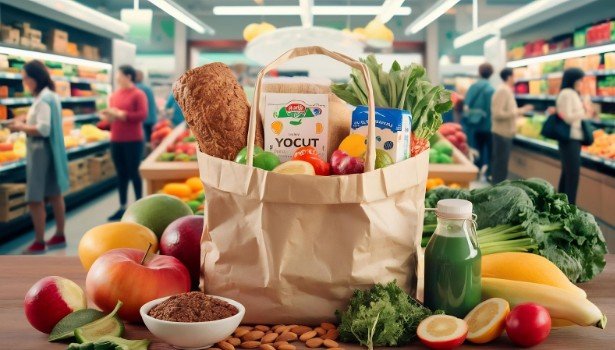
When I walk into the store, I follow a clear order. I look for fresh foods first, then stock a complete pantry, then frozen options, and finally household extras only if they are needed. This keeps me grounded and lowers the chance of impulse spending.
I also compare products more carefully now. I look at package size, shelf life, and how much waste the item may create after I bring it home. That small pause helps me shop for groceries sustainably in a way that feels realistic instead of restrictive.
How I Make Better Choices Without Making Shopping Harder
I Choose Seasonal Produce More Often
Seasonal food usually works better for my routine because it tends to be fresher, more affordable, and easier to use quickly. I do not force myself to buy trendy ingredients that sound healthy but do not fit the meals I actually cook.
I Pay Attention to Packaging
I Buy in Bulk Carefully
Bulk buying only helps when it matches how you live. I used to assume buying more always meant wasting less, but that is not true if the food expires before you use it. Now I only buy larger quantities of items I use consistently. That keeps my kitchen practical and prevents clutter.
How I Keep Sustainable Shopping Budget-Friendly
One of the biggest myths is that better grocery habits always cost more. In my experience, the opposite can happen when you plan well. The biggest money drains are usually waste, impulse purchases, and buying food with no real plan behind it.
I save more when I build meals around staples, use leftovers creatively, and avoid overbuying fresh items that spoil too fast. I also stop treating every grocery trip like a chance to experiment. A few reliable habits make a bigger difference than chasing perfect labels or expensive trends.
Common Mistakes That Make This Harder
The first mistake is trying to change everything at once. That usually creates frustration. The second is shopping without checking what you already own. The third is buying aspirational food instead of realistic food. If you know you will not cook a complicated recipe on a busy weeknight, do not buy that fantasy version of the week.
Another common problem is focusing only on packaging while ignoring food waste. Both matter. A low-packaging item that gets thrown away still creates a problem. I have learned to look at the full picture, not just one part of it.
Frequently Asked Questions
1. How can I shop for groceries sustainably on a budget?
Start by planning meals, checking what you already have, buying flexible staples, and choosing only what you will use. Lower waste usually leads to lower grocery costs.
2. Is organic always the most sustainable option?
Not always. A better choice depends on freshness, distance, packaging, season, and whether you will actually use the food before it spoils.
3. What matters more: less packaging or less food waste?
Both matter, but food waste can become the bigger issue if you keep buying more than you can realistically eat or store.
What I’d Keep Doing Even If No One Told Me To
The best part of this routine is that it does not feel forced anymore. It feels smarter, calmer, and easier to maintain. I am not trying to impress anyone with perfect grocery habits. I am simply trying to make better choices that work in everyday life.
That is why I have stayed with this approach. It helps me waste less, spend more carefully, and feel more in control of what enters my home each week. For me, sustainable shopping is not about doing everything right. It is about doing the important things consistently, and that is what makes the habit last.