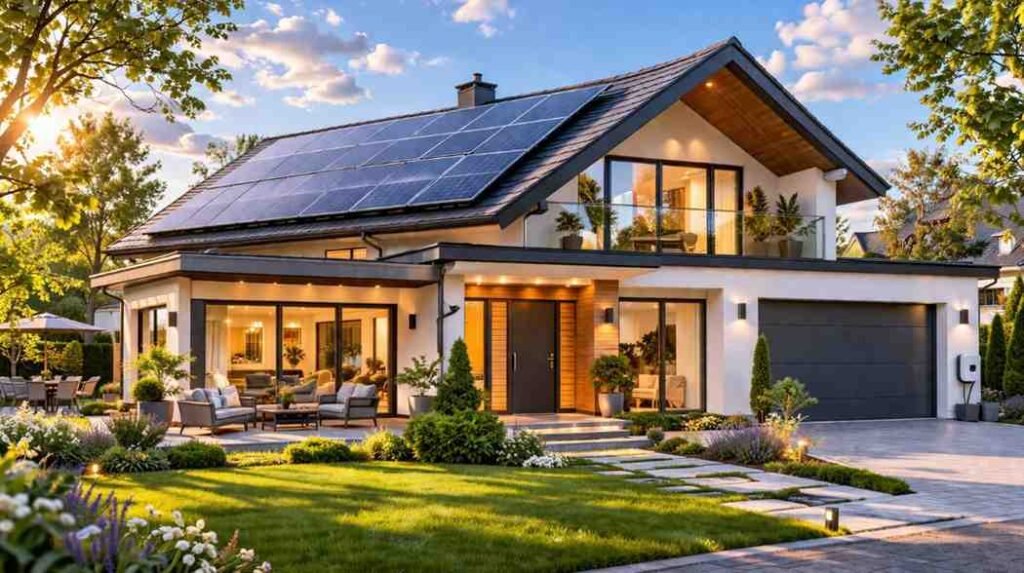
A couple of summers ago, rising electricity bills made everyday comfort feel expensive, and that’s when energy efficient homes started to make real sense. What seemed like a complex concept quickly turned into a practical lifestyle shift, where better insulation, smarter appliances, and thoughtful design could transform not just costs but the way a home actually feels to live in.
Key Takeaways
- Energy efficient homes reduce energy consumption, lower utility bills, and improve comfort.
- A whole-home approach works better than isolated upgrades, and incentives can significantly offset upfront costs.
- Even small improvements like sealing leaks or switching to LED lighting can deliver noticeable results over time.
What Makes Energy Efficient Homes So Effective
Energy efficient homes are designed to minimize energy waste while maintaining comfort and functionality. This includes everything from insulation and air sealing to advanced HVAC systems and renewable energy integration. According to programs like the DOE Efficient New Homes initiative, these homes can save hundreds of dollars annually and increase resale value by up to 8 percent.
Why Energy Efficiency Matters Today
The shift toward efficiency is no longer optional. Rising energy costs and environmental concerns are pushing homeowners toward smarter solutions. Efficient homes not only reduce carbon footprint but also provide long-term financial stability through lower monthly bills and better property value.
The Whole-Home Approach Explained
Efficiency works best when everything works together. Instead of focusing on one upgrade, top-performing homes combine insulation, HVAC, windows, and smart systems. This integrated approach ensures maximum energy savings and consistent indoor comfort.
Key Features Of Energy Efficient Homes
These features define how well a home performs.
Superior Insulation And Air Sealing
This is where most energy savings begin. High-performance insulation and airtight construction prevent heat loss and eliminate drafts. Advanced framing techniques and proper sealing reduce unnecessary energy consumption significantly.
High-Efficiency HVAC Systems
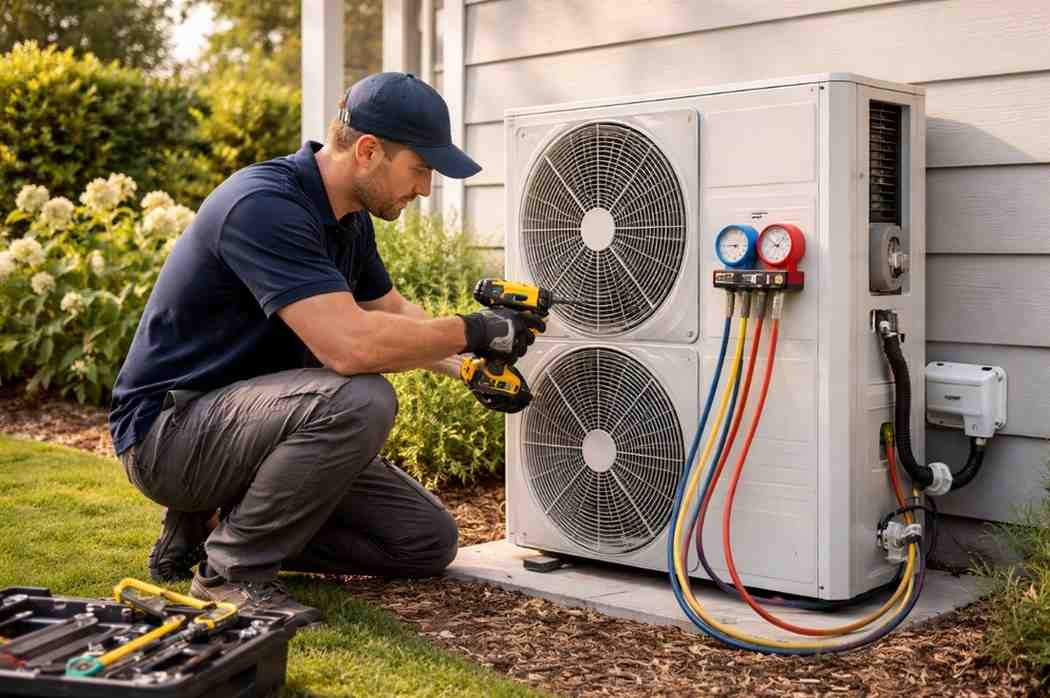
Heating and cooling dominate energy usage. Modern ENERGY STAR certified systems, especially heat pumps, can reduce heating and cooling costs, which typically account for up to 50 percent of a home’s energy use. These systems maintain consistent temperatures while consuming less power.
Energy Efficient Windows
Windows play a bigger role than most people expect. Triple-glazed or ENERGY STAR windows minimize heat transfer, helping reduce energy bills by around 13 percent. They also improve indoor comfort by maintaining stable temperatures.
Smart Technology Integration
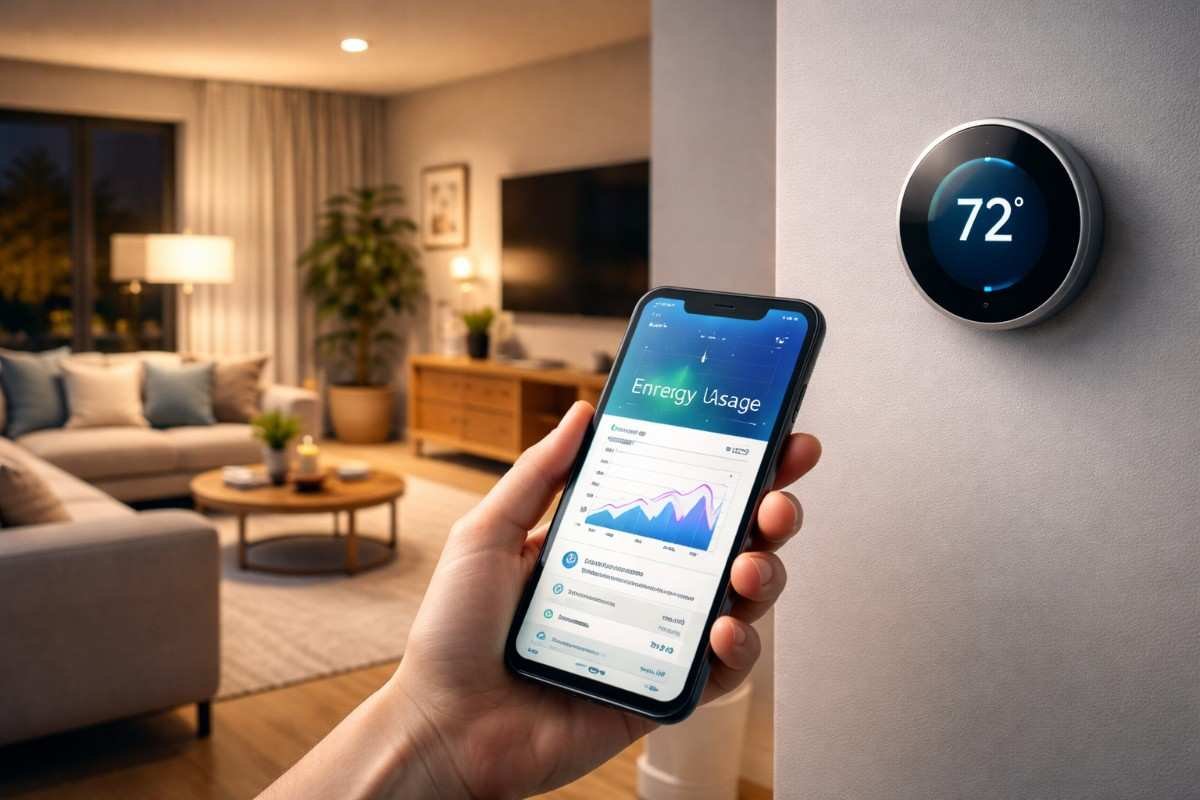
Small upgrades can deliver big returns. Smart thermostats, LED lighting, and energy monitoring systems optimize usage automatically. LED bulbs alone use up to 75 percent less energy than traditional lighting options.
Renewable Energy Solutions
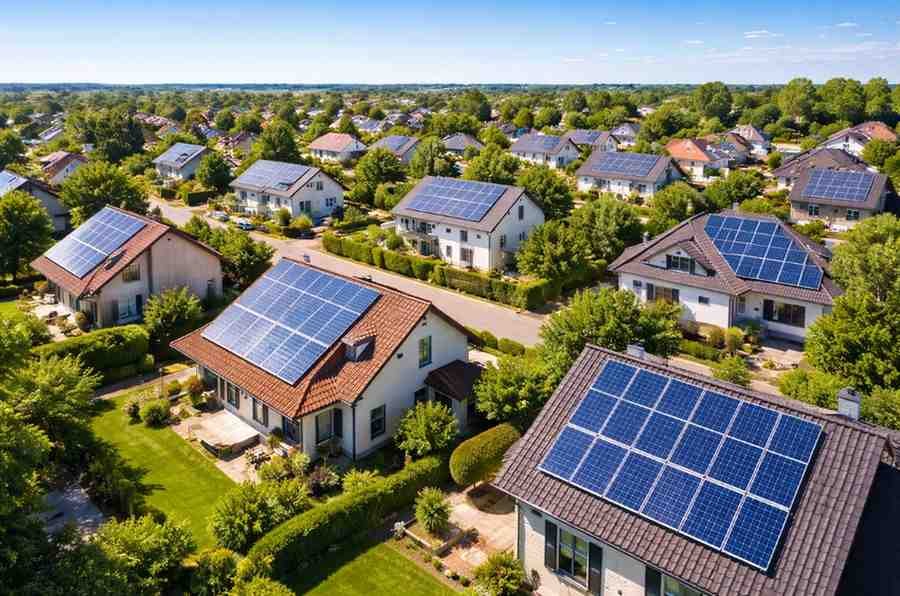
The future of energy efficient homes is self-sufficient. Solar panels, battery storage, and emerging technologies like vehicle-to-home systems allow homeowners to generate and store their own energy, reducing dependence on the grid.
Financial Incentives & Savings
The financial side makes efficiency even more attractive.
Federal Tax Credits And Rebates
There are real savings beyond utility bills. Homeowners can claim up to $3,200 annually in tax credits for energy-efficient upgrades, including a 30 percent credit for qualifying systems like heat pump water heaters.
Energy Efficient Mortgages
Financing becomes easier with efficiency in mind. Programs supported by the Department of Energy allow buyers to qualify for larger loans by factoring in reduced utility costs, making efficient homes more accessible.
State And Utility Programs
Local programs can lower upfront costs significantly. Many states and utility companies offer rebates, free upgrades, or assistance programs that make energy improvements more affordable, especially for income-qualified households.
Real Cost And ROI Of Energy Efficient Homes
Looking at the numbers helps you make smarter decisions.
Upfront Investment Versus Long-Term Gains
Efficiency is an investment that pays back. While initial costs may be higher, the long-term savings on energy bills often offset these expenses. Over time, homeowners benefit from reduced operational costs and increased property value.
Real Savings Potential
The impact can be dramatic with the right upgrades. A fully optimized home combining insulation, efficient systems, and renewable energy can reduce energy consumption by up to 80 to 90 percent, making it one of the most cost-effective long-term investments.
How To Build Energy Efficient Homes
This step-by-step approach makes the process easier to follow.
Building energy efficient homes begins with a professional home energy audit to identify leaks, inefficiencies, and outdated systems that waste energy. Once problem areas are identified, improving insulation and sealing air leaks becomes the next priority, as this creates a strong foundation for efficiency.
After optimizing the building envelope, upgrading to high-efficiency HVAC systems and ENERGY STAR appliances ensures reduced energy consumption without compromising performance.
Incorporating renewable energy sources like solar panels further reduces reliance on external electricity, while smart home technologies help maintain efficiency by automatically adjusting usage patterns.
Smart First Steps That Deliver Results
Getting started does not have to be overwhelming.
Start With A Home Energy Audit
Knowing where you stand is the first step. A professional audit highlights inefficiencies and provides a clear roadmap for improvements, helping you prioritize upgrades effectively.
Focus On High-ROI Upgrades
Some improvements deliver faster results than others. Attic insulation and air sealing are among the most cost-effective upgrades, offering immediate reductions in energy loss and utility bills.
Upgrade Appliances And Systems
Old systems often waste more energy than you think. Replacing outdated water heaters, furnaces, and appliances with ENERGY STAR certified models significantly improves overall efficiency and performance.
Common Mistakes To Avoid
Avoiding these mistakes can save both time and money.
Ignoring System Integration
Efficiency is not about isolated fixes. Upgrading only one aspect of a home without considering others limits overall performance and reduces potential savings.
Skipping Maintenance
Even efficient systems need regular care. Neglecting maintenance can reduce efficiency and lead to higher energy consumption over time.
Choosing Cheap Over Efficient
Short-term savings can cost more later. Low-quality materials and systems often result in higher energy bills and frequent replacements, making them less cost-effective in the long run.
Frequently Asked Questions
1. What is the most energy-efficient home?
A net-zero or passive house is the most efficient, producing as much energy as it consumes through advanced insulation, airtight construction, and renewable energy systems.
2. Can I deduct a water heater on my taxes?
Yes, energy-efficient water heaters may qualify for federal tax credits, depending on eligibility and current guidelines.
3. What are the disadvantages of a green home?
Higher upfront costs and limited contractor availability can be challenges, though long-term savings usually outweigh these drawbacks.
4. How to build a house that uses 90% less energy?
Focus on airtight design, high-quality insulation, efficient HVAC systems, and renewable energy sources like solar panels to drastically reduce energy use.
Wrapping It Up With Smarter Living
Energy efficient homes are no longer a luxury but a smart, future-ready choice for homeowners who want lower bills, better comfort, and long-term value. By combining smart design, efficient systems, and practical upgrades, it becomes possible to create a home that works with you rather than against you. The journey toward efficiency starts small but delivers lasting results.