
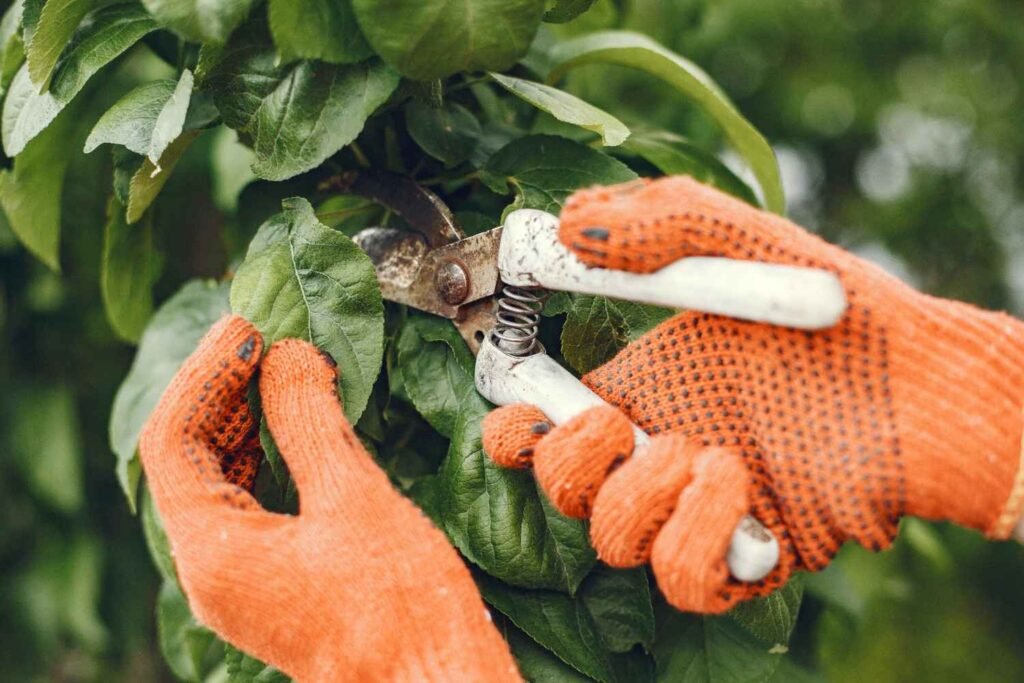
As the winter snow melts and the first signs of green begin to emerge, homeowners eagerly head out to their yards to begin spring cleanup. It is a time of renewal, and yard maintenance is high on the priority list. However, when it comes to tree care, one of the most frequent dilemmas involves the pruning shears. Is spring actually the right time to cut back your backyard branches, or are you doing more harm than good?
While the urge to tidy up your landscape is strong, timing is everything. Understanding the biological needs of your trees during this transitional season is essential for keeping your canopy vibrant, safe, and healthy.
The Science Behind Spring Growth
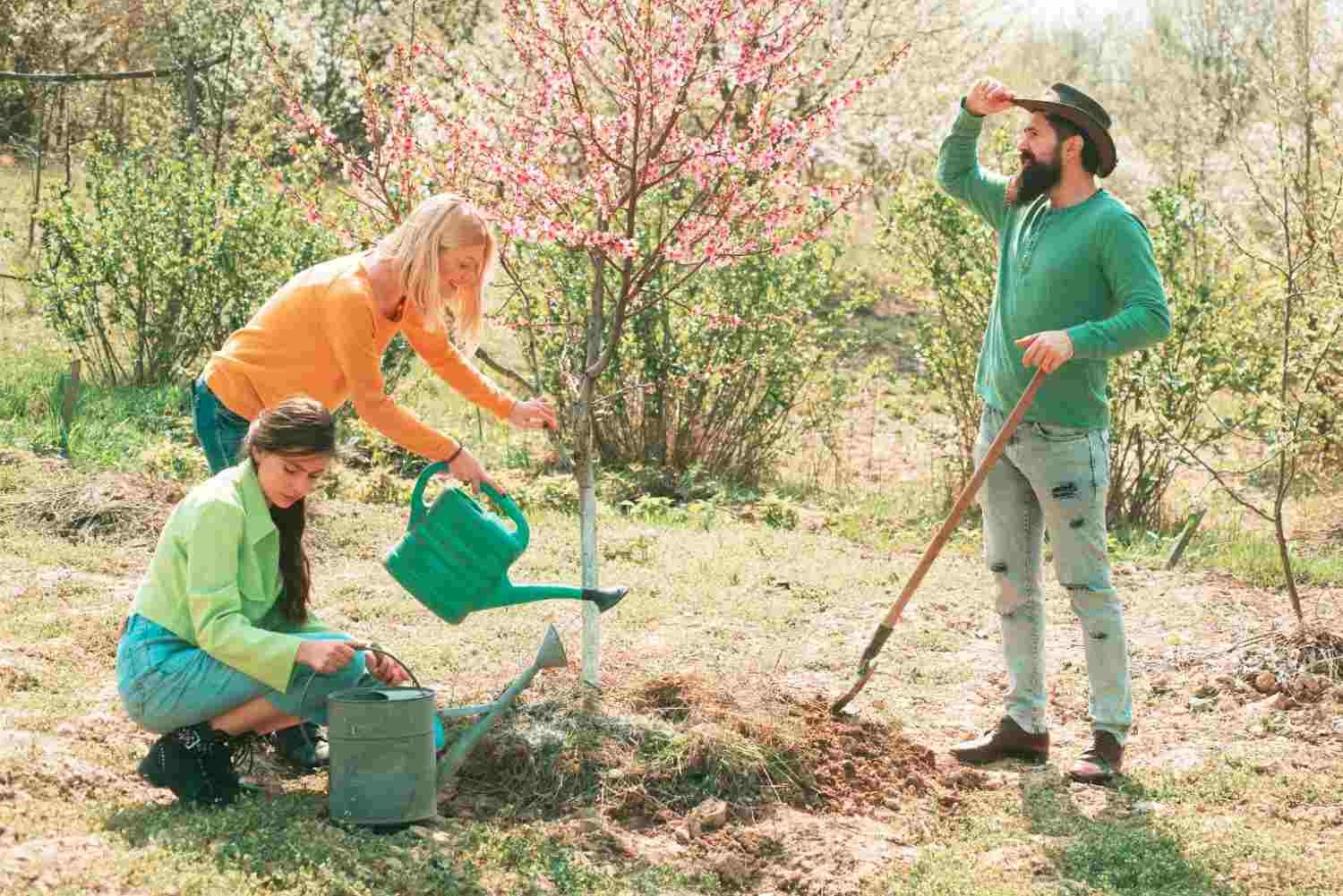
To determine whether you should trim your branches right now, it helps to understand what is happening inside the bark. During early spring, trees wake up from their winter dormancy. This transition triggers a massive surge of energy as sap flows upward from the roots to fuel the production of new leaves, buds, and flowers. Because the tree is directing all its resources toward growth, cutting major limbs at this time can cause significant stress.
Large wounds drain vital sap and force the plant to redirect its energy away from natural growth to heal the fresh cuts. This is also why spring care should focus more on gentle support, proper watering, and natural fertilizers for plants rather than aggressive pruning. Furthermore, the bark is particularly tender and susceptible to tearing in the spring, which can lead to larger injuries than intended.
When Spring Pruning Makes Sense
Despite the general rule to proceed with caution, there are several instances where spring trimming is not only acceptable but necessary, just as seasonal yard care sometimes calls for targeted pruning, cleanup, and natural ways to kill weeds before problems spread.
Removing the Three Ds: Dead, Damaged, and Diseased
Safety should always be your top priority. Winter storms often leave behind fractured limbs that hang precariously over roofs, driveways, or sidewalks. Removing these hazards immediately prevents injuries and property damage. Additionally, branches that died over the winter or show clear signs of disease should be cut away to stop the spread of pathogens to healthy parts of the plant.
Shaping Specific Flowering Varieties
The timing for pruning flowering trees depends entirely on when they bloom. Plants that bloom in the summer or autumn produce flowers on new wood grown during the current season. Pruning these varieties in early spring encourages fresh growth and results in more abundant blossoms later in the year.
Why Certain Trees Should Be Left Alone
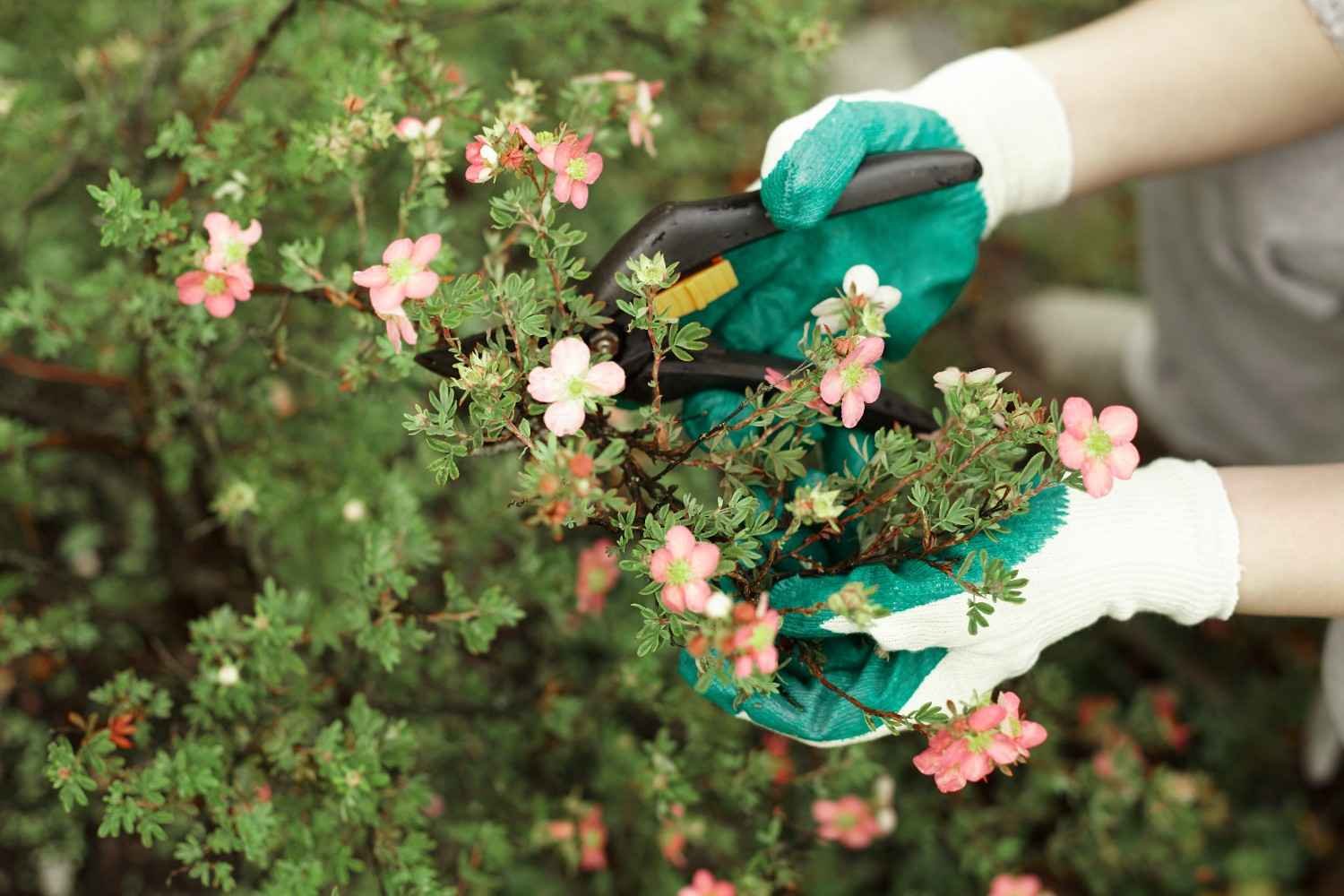
For many other species, spring is the worst possible time to introduce a blade. Homeowners must exercise restraint with specific types of vegetation to avoid long-term damage, especially when learning gardening basics for beginners and deciding which plants should be pruned, shaped, or left alone until the right season.
Spring-Blooming Trees
If your tree blossoms in April or May, it developed its flower buds during the previous autumn. Trimming these branches in the early spring means you are literally cutting off the upcoming floral display. Instead, wait until immediately after the flowers fade to shape these varieties.
Species Vulnerable to Pests and Diseases
Fresh cuts emit scents that attract insects, and open wounds provide a gateway for bacteria and fungi. For example, oak trees should never be pruned in the spring due to the risk of oak wilt, a devastating fungal disease spread by beetles that are highly active during warm spring days. Similarly, fruit trees like apples and pears are susceptible to fire blight if trimmed during their active growth phase.
Best Practices for Backyard Tree Maintenance
If you do decide to tackle some minor trimming this season, following proper techniques ensures the quick recovery of your plants.
Always use sharp, sterilized tools to make clean cuts, as jagged edges take longer to close. Avoid cutting flush against the main trunk; instead, leave the branch collar intact to facilitate natural healing. Finally, never remove more than ten to fifteen percent of a mature tree’s total canopy in a single season to prevent shocking the system.
For large limbs, tall structural work, or complex assessments, it is often wisest to enlist professional help. If you live in the Intermountain West, hiring a certified tree service in Utah ensures that local species receive the precise care they need to survive the region’s unique climate challenges. Professionals possess the proper safety equipment and biological expertise to manage complex canopies without jeopardizing the health of the organism.
The Verdict
So, should you prune your backyard trees right now? The answer depends on the specific goals and species in your yard. Limit your current spring efforts to removing immediate hazards, clearing away dead wood, and shaping summer-blooming varieties. For major structural changes or sensitive species, exercise patience and wait until the late autumn or deep winter dormancy to pick up the saws.