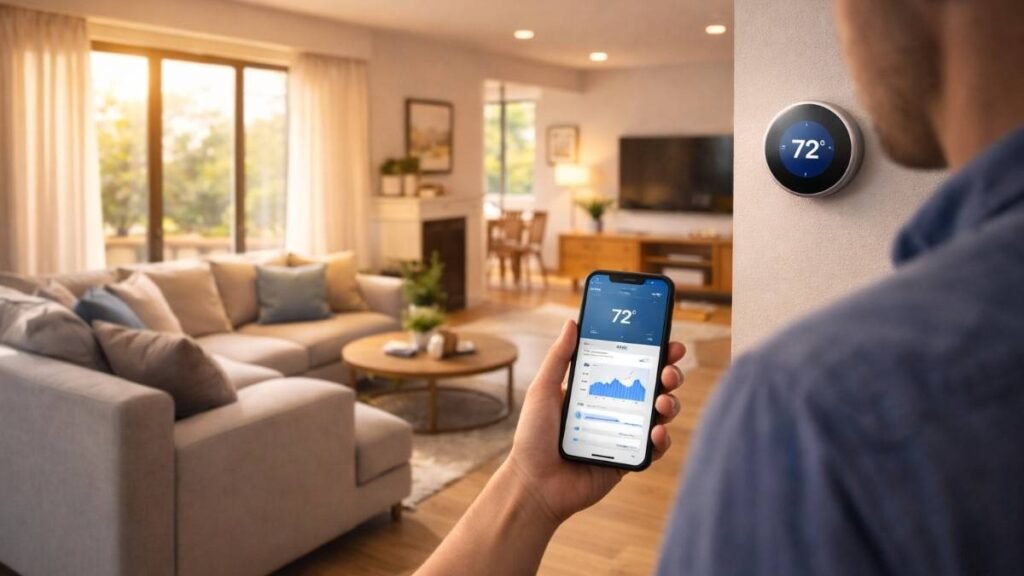
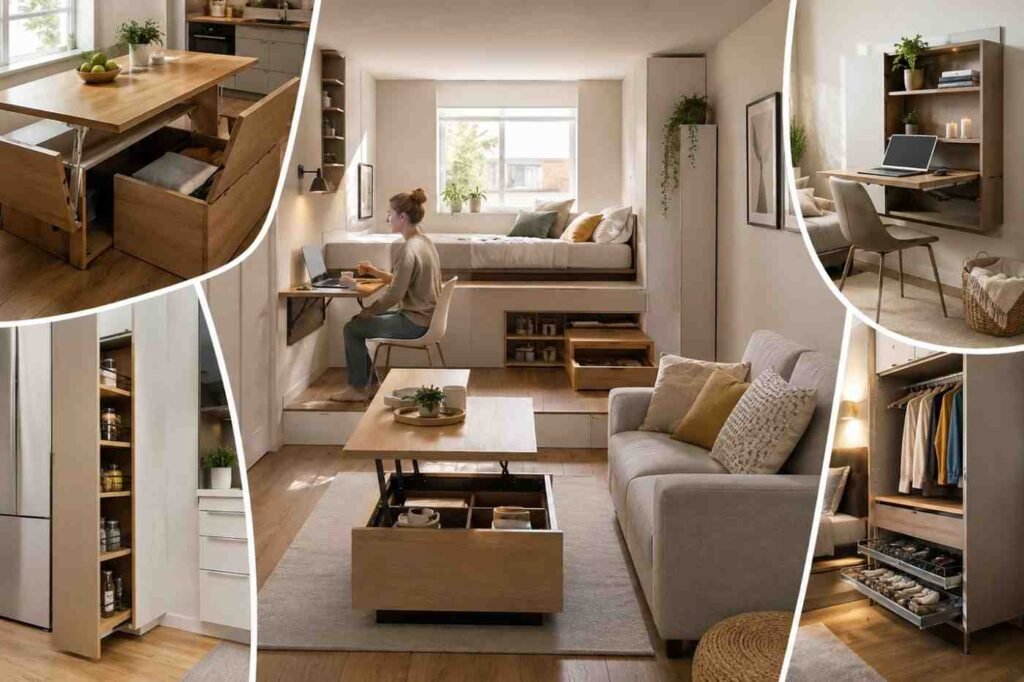
Whether you are navigating life in a compact urban apartment or a full-sized family home that is starting to feel a bit tight, the desire for more breathing room is universal. Fortunately, creating a spacious and functional environment does not always require a major renovation or moving to a new property. By applying thoughtful design strategies and innovative organization, you can unlock the hidden potential of your current home.
1. Declutter and Streamline
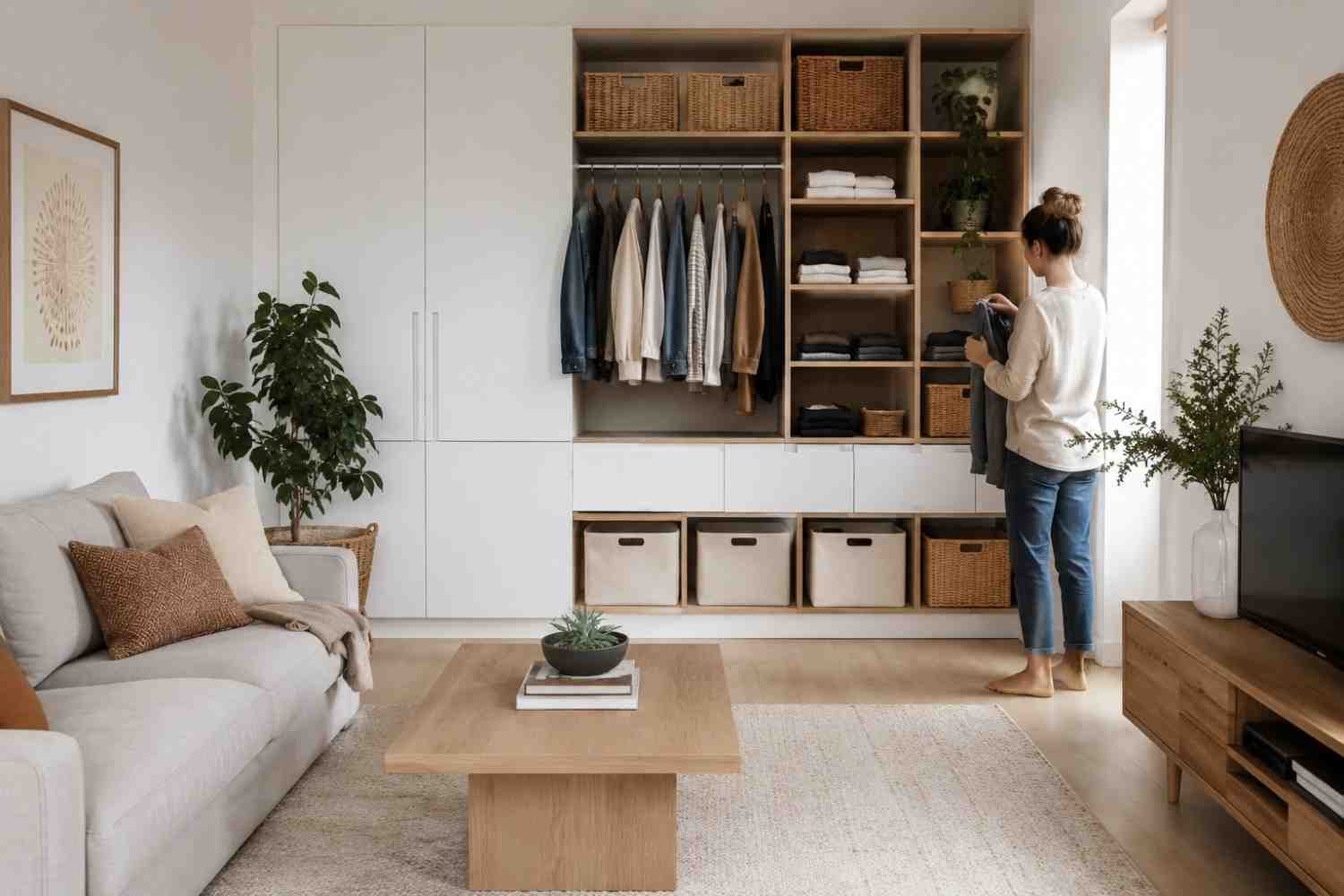
The foundation of a spacious home is the absence of unnecessary clutter. Begin by evaluating your belongings and removing items that no longer serve a purpose or bring you joy. Being ruthless about eliminating items you do not use creates more open surfaces and a calmer atmosphere. Once you have reduced your inventory, use storage baskets and bins to keep essential items tidy and out of sight.
2. Invest in Multi-Functional Furniture
Furniture that serves dual purposes is a game-changer for small-scale living. Look for pieces like storage ottomans, sofa beds, or dining tables that can be extended only when needed. These multi-functional items allow you to maintain comfort and style without overcrowding your rooms, ensuring that every piece of furniture earns its keep.
3. Utilize Vertical Space
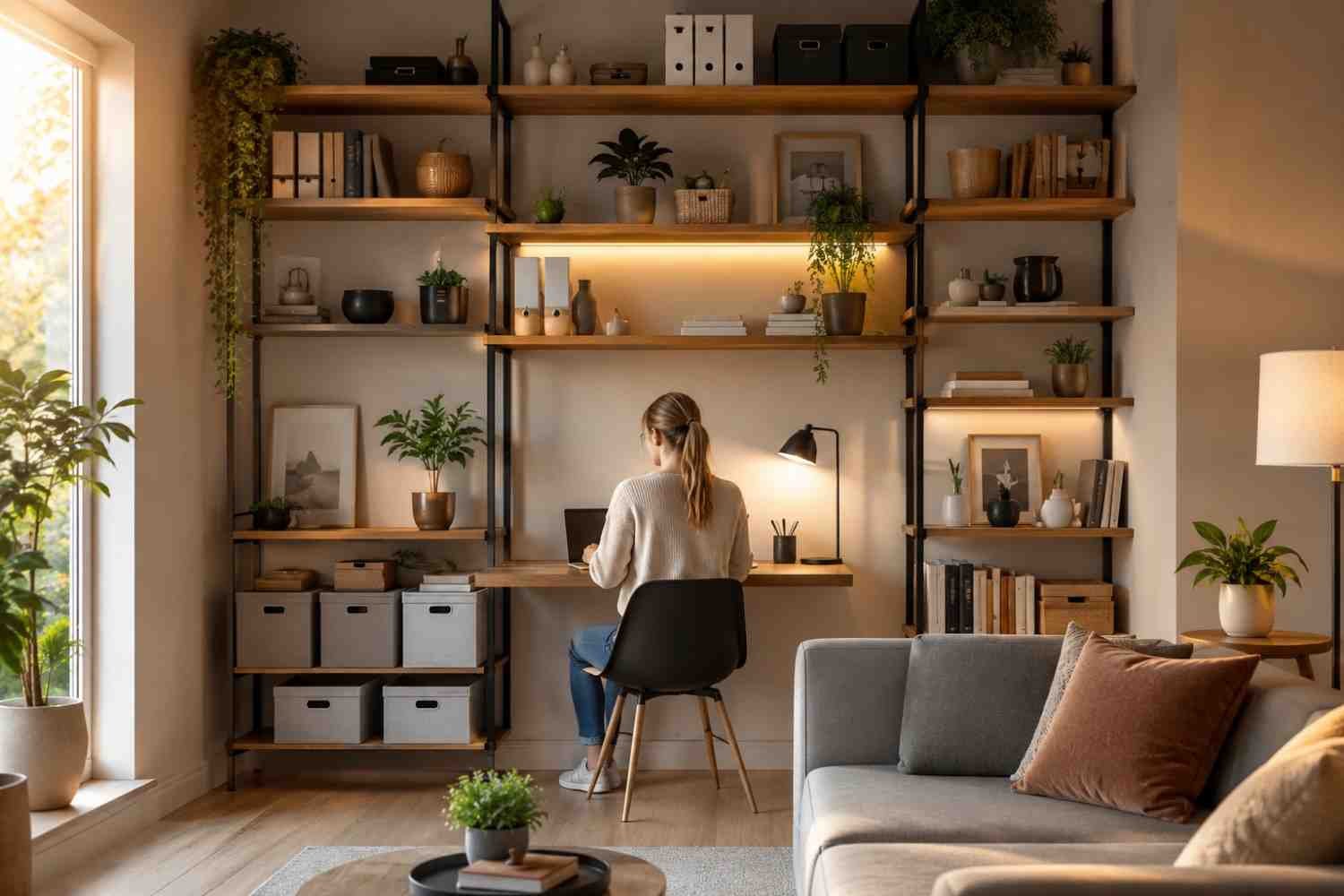
When floor space is at a premium, the best direction to go is up. Installing tall shelving units, hanging organizers, and wall-mounted cabinets allows you to store and display items without eating into your living area. In kitchens or laundry rooms, pegboards and vertical racks can keep essential tools accessible but off the counters.
4. Open Up Your Layout
A seamless flow between rooms can make a home feel significantly larger. If possible, consider removing non-structural walls to create an open floor plan that enhances light and connection. If wall removal isn’t an option, using partial openings or wide archways can achieve a similar effect by allowing sightlines to travel through the home.
5. Reimagine Underused Areas
Many homes have “forgotten” spots that hold untapped potential. The awkward space under a staircase can be converted into a reading nook or a mini home office. Similarly, wide hallways, attics, and basements can be transformed into functional zones like guest suites or family lounges with the right design and lighting.
6. Strategic Lighting and Color
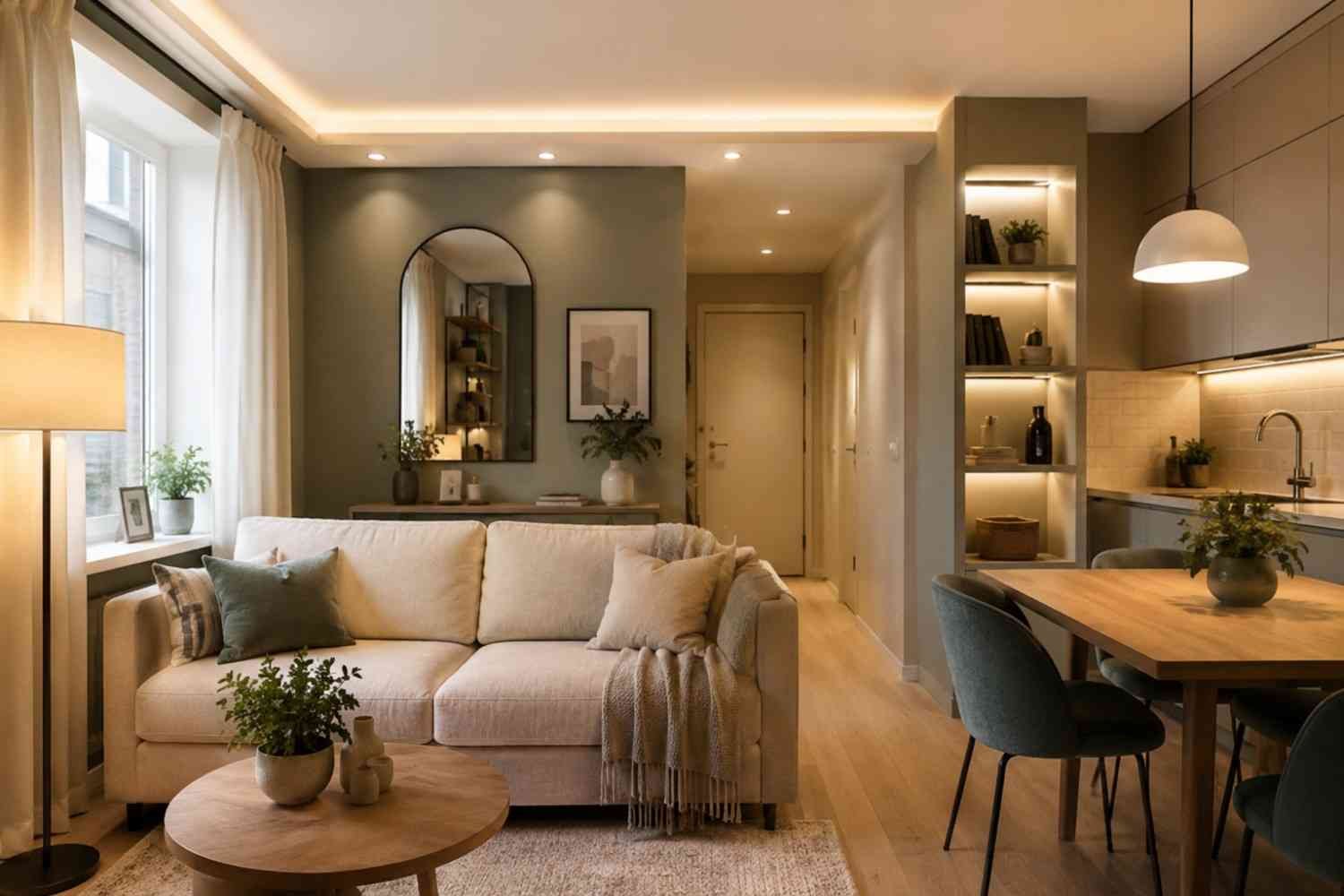
While it doesn’t change the physical dimensions, lighting and color drastically affect the perception of space. Light, neutral wall colors and reflective surfaces help bounce light around the room, creating an airy feel. Combine natural light from windows with a mix of ceiling fixtures and floor lamps to illuminate every corner and add depth to your rooms.
7. Optimize Storage with Built-Ins
Effective storage is the key to maintaining a clutter-free home. Custom built-in shelving and floor-to-ceiling cabinets maximize every inch of wall space while blending seamlessly with your home’s architecture. Utilizing hidden compartments in window seats or under-stair drawers can reclaim valuable square footage that would otherwise be wasted.
8. Expand into Outdoor Spaces
Maximize your home’s footprint by treating your outdoor areas as natural extensions of your living space. Decks, patios, and screened-in porches provide additional room for dining, working, or relaxing. These areas can also support renewable energy for home improvements, such as incorporating solar-powered lighting or planning for future energy-efficient upgrades. Using sliding glass doors can visually connect these areas, making your interior feel much more expansive than it truly is.
9. Create Functional Zones
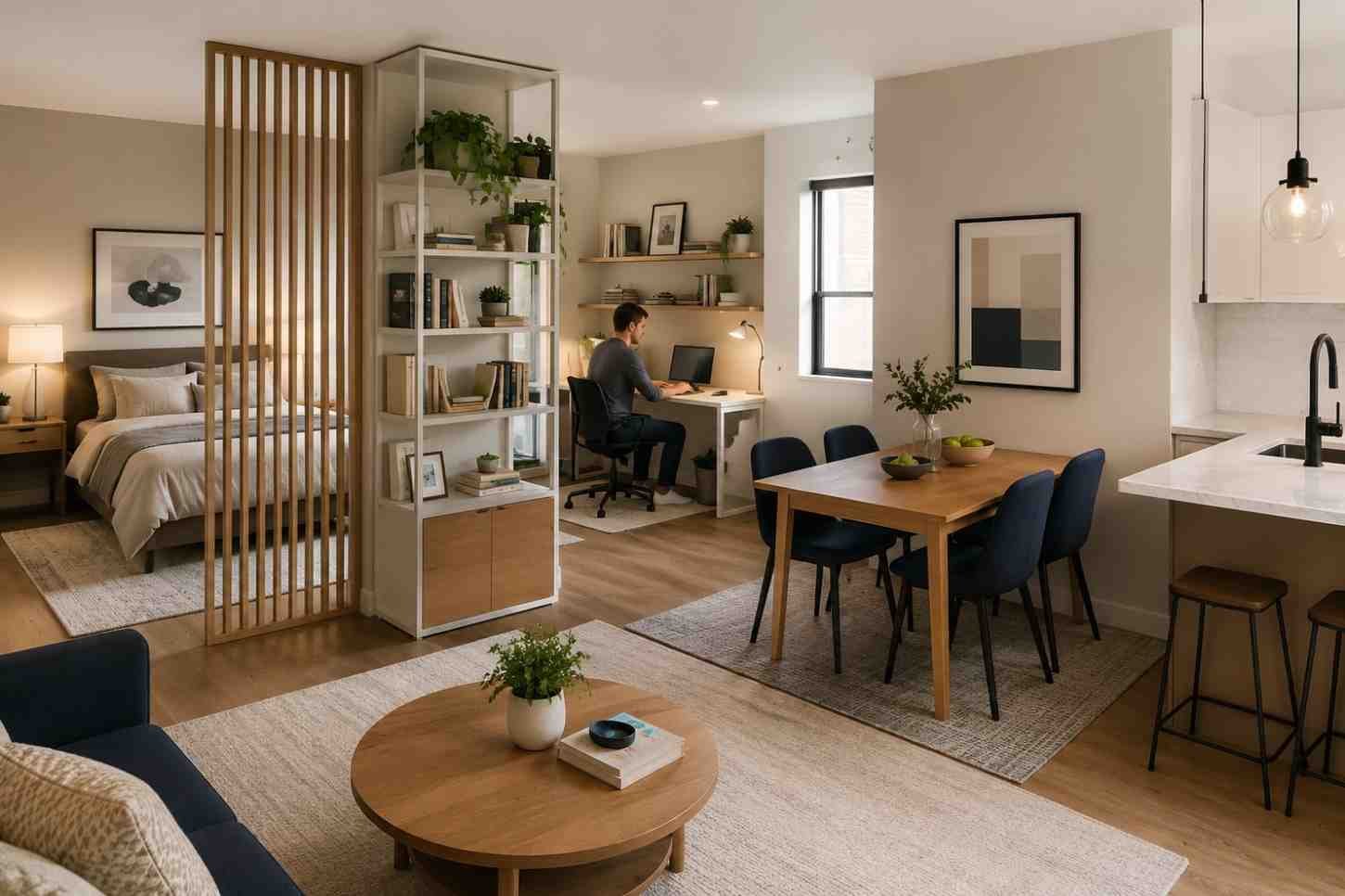
In shared or open-concept spaces, “zoning” ensures that each area feels purposeful. Use rugs, open shelving, or folding screens to visually separate a living room into distinct sections, such as a TV area and a quiet hobby corner. This strategy helps organize traffic flow and prevents a large room from feeling like one cluttered mess.
10. Maintain Flexibility
Finally, keep your rooms adaptable to your changing daily needs. A home office can easily double as a guest room with the right furniture choices. For instance, a murphy bed wall is an excellent solution for reclaiming floor space during the day while providing a comfortable sleeping area at night. Flexibility ensures your home continues to work for you regardless of how your lifestyle evolves.
Maximizing a limited living space is about more than just adding square footage—it is about creating a beautiful, organized, and functional environment. By rethinking your layout and embracing smart furniture, your home can feel larger and more enjoyable than ever before.