
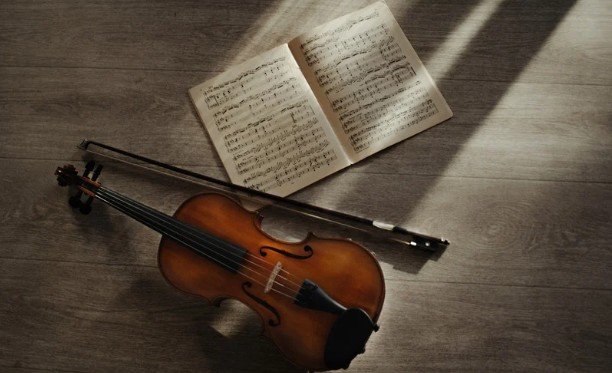
Most discussions of tone focus on the instrument itself – the material it is made of, the varnish, the age and the manufacturer. Nevertheless, when you are just beginning your career and talk about tone with a professional luthier or music teacher, one thing you might be very surprised to hear about- the thing which plays the most important part in producing good sound- is the bow.
Why the Bow Matters More Than Most Assume
It is worth remembering that the bow produces sound. The strings do not produce the sound they are asked to, but rather respond to the actions performed with the bow. The difference between two players with the same instrument can lie precisely in the properties of the bow held by each of the musicians, which are usually discussed in depth in buying guides found on the website.
There are several criteria determining bow performance:
- Weight and balance – If the bow is too heavy, it will be difficult to play with and produce even tone; if the bow is too light, it will be hard to produce a deep and full tone with it.
- Camber (stick curvature) – This affects flexibility and how the bow responds to fast bow strokes like spiccato or détaché.
- Material – Pernambuco is still the standard because of the combination of hardness and flexibility, while carbon fibre is commonly chosen for durability and consistent performance regardless of climate change.
- Horse hair quality and tension – Good-quality fresh hair will grip the string evenly, creating focused tones instead of a scratchy or airy sound.
The Sound Difference Explained Simply
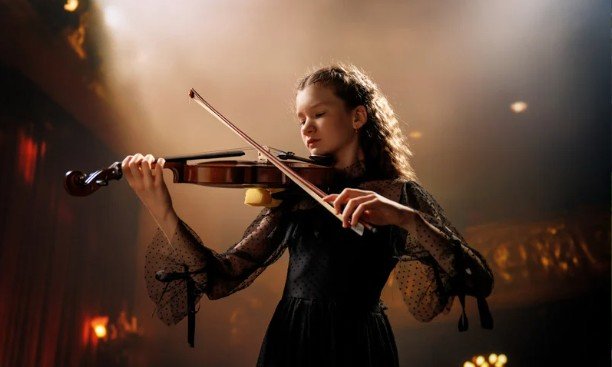
Imagine that the bow is the energy transferor and transmitter of the musical expression at the same time. When the hair grips the string evenly, the sound produced is steady and warm. When the hair skips, slides, or grips unevenly – most often because of poor-quality hair or bad rosining-the tone becomes thin and airy.
Commonly, teachers see how students say that the sound from their instruments sounds rough or weak, not realising that the problem is in the right hand. The only thing needed is either new hair, weight balance, or camber music change to fix the tone.
Common Signs a Bow Is Holding Back the Sound
Several red flags suggest the bow, not the instrument, needs attention:
- Sound feels scratchy near the frog or tip
- Difficulty producing a smooth legato line
- Bow bounces unintentionally during slow passages
- Tone sounds “flat” despite good posture and technique
- The hair is either shiny, thin, or unevenly worn.
Taking care of such problems at an early stage helps students avoid adopting bad habits like undue pressure or wrong arm positions.
Matching a Bow to Playing Style
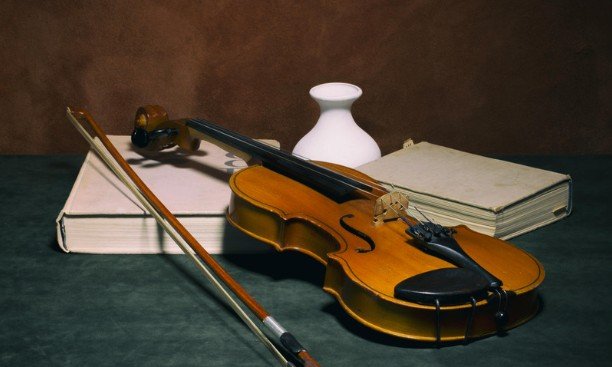
There’s no universal “best” bow — only an honest match for a given player and instrument. The soloist who is pursuing projection in a concert hall requires something different from a student who is learning his or her bow strokes for the first time. The orchestral musician wants control and blending, whereas the chamber musician wants warmth.
One way to solve the dilemma is to test various bows on one instrument. This reveals how tone, response, and comfort shift even when nothing else changes. Music shops and luthiers who specialise in stringed instruments typically encourage this kind of comparison rather than a quick, single-option purchase.
Maintenance That Protects Bow Performance
Bow quality isn’t only about the initial purchase; it depends on ongoing care:
- Loosen the hair after each practice session to preserve camber
- Rehair periodically, especially with heavy daily use
- Store the bow in a case slot that avoids pressure on the tip
- Avoid touching the hair directly, since natural oils affect grip
- Use small amounts of rosin evenly
These seemingly easy practices will make your bow last longer and will keep the tone consistent through years of playing.
A Small Piece With a Big Impact
One may easily forget about the bow being an essential part of producing sound from the instrument, but it’s the two that create a sound-producing system. Careful selection of the bow and subsequent care can sometimes bring out the sound characteristics that were previously unseen in the instrument, and this aspect is worth investigating using the available resources on the website.
This knowledge, once acquired by the student, parent, or even advanced musician, will make a difference in diagnosing and fixing sound issues in the future. In summary, the bow needs the same attention that is usually paid to the instrument.