Living in Central Texas gives you access to stunning natural beauty, warm evenings, and a vibrant outdoor lifestyle. But if you’ve ever tried maintaining a green lawn or building a patio on your own here, you already know that the local climate brings unique challenges. From thin-layer limestone in the Hill Country to thick clay east of Interstate 35, Central Texas soil isn’t always forgiving. Toss in long periods of heat, unpredictable winter freezes, and strict local water regulations, and creating an outdoor space can quickly feel overwhelming.
That’s where professional planning and expert craftsmanship make all the difference. When you’re ready to turn a plain backyard into a functional, gorgeous retreat, partnering with a full-service design-build team ensures your vision holds up against the Texas elements.
The Reality of Landscaping in Central Texas
Designing an outdoor space in the Austin area isn’t like designing a yard in the Midwest or the Pacific Northwest. Our regional environment demands specialized knowledge, thoughtful material selection, and deliberate engineering.
Extreme Weather Swings
Central Texas is famous for drastic weather shifts. Summer temperatures routinely climb well past 100 degrees for weeks at a time, baking soil and stressing plant life. Yet winter months can bring severe hard freezes that catch unprepared landscapes off guard. A resilient space must be built to handle both ends of the spectrum without requiring constant replacement of plants or hardscape repairs.
Diverse Soil and Topography
The geographic diversity across the metro region is dramatic. On the west side, you’ll encounter rolling hills with shallow, rocky soil resting right on top of solid limestone bedrock. On the east side, heavy Blackland Prairie clay swells when wet and shrinks when dry, creating immense structural pressure on foundations, retaining walls, and paved surfaces. Without proper site preparation and drainage engineering, patios crack, and soil washes away during sudden downpours.
Water Conservation and Municipal Guidelines
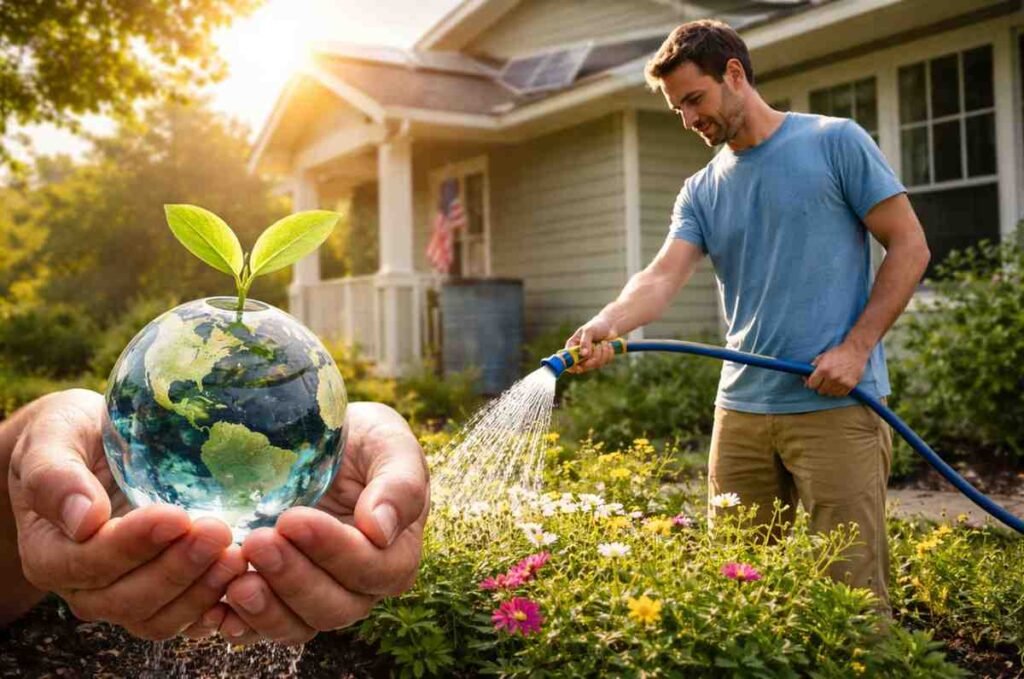
Water is one of our most precious regional resources. Local utility guidelines and city ordinances set clear rules on irrigation systems, plant selection, and drainage management. Designing a space that looks lush while remaining water-wise isn’t just good for the environment; it keeps your monthly water bills manageable and ensures compliance with local restrictions.
Why a Design-Build Firm Makes All the Difference
When homeowners decide to upgrade their outdoor spaces, they often start by hiring an independent landscape architect to draw plans, then bid those plans out to multiple individual trade contractors. While that traditional route might sound logical, it frequently leads to budget overruns, communication gaps, and delays.
A design-build firm combines design expertise and construction execution under one single roof. Here’s why that integrated approach works so well for local property owners.
1. Unified Accountability
When one company handles your project from the initial sketch to the final stone laid, there’s zero finger-pointing. If a structural detail on paper presents an unforeseen obstacle during excavation, the design team and build crew work together immediately to solve it. You won’t find yourself caught in the middle between an architect and a builder arguing over who pays for a design modification.
2. Realistic Budget Alignment
Architects who don’t directly handle construction often create stunning master plans that cost far more to build than expected. In a design-build environment, cost estimators and project managers evaluate material choices, labor demands, and site logistics during the design phase. That means the concept you fall in love with on paper stays aligned with your actual budget.
3. Streamlined Timeline and Communication
Coordinating separate masonry crews, irrigation specialists, planting teams, and carpenters can feel like a full-time job. A design-build firm manages all scheduling, permitting, inspections, and subcontractor oversight internally. You get a single point of contact who keeps you informed every step of the way, making the entire process stress-free.
Essential Elements of a High-Performing Local Landscape
A truly great outdoor living space balances aesthetic beauty with practical utility. If you want a yard that functions as an extension of your indoor living space while standing up to regional conditions, here are the key components to consider.
Native and Adapted Plantings
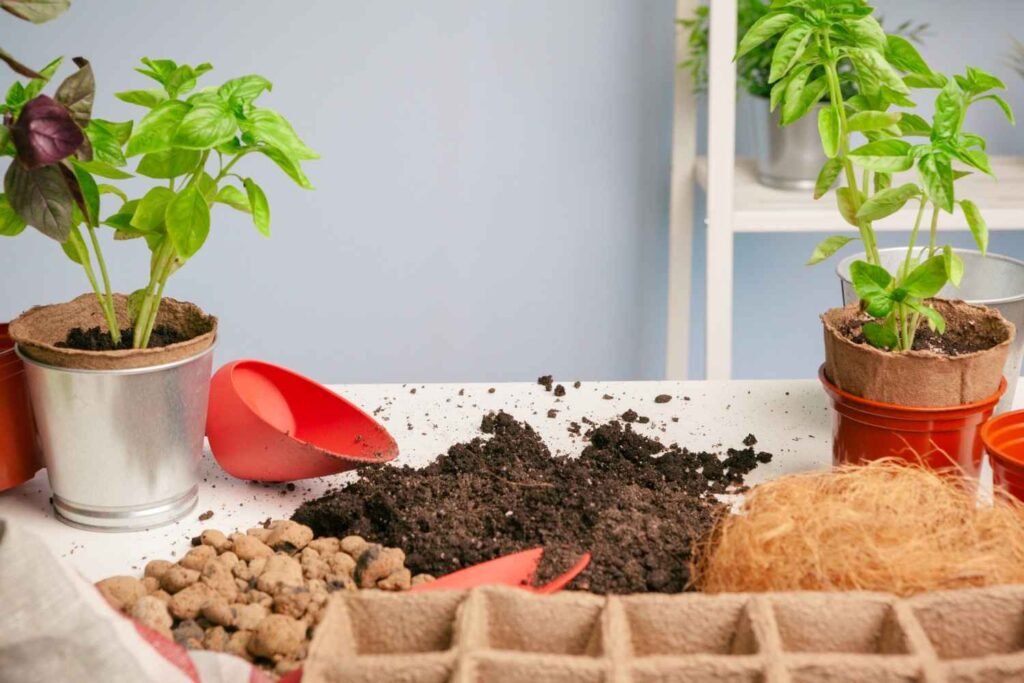
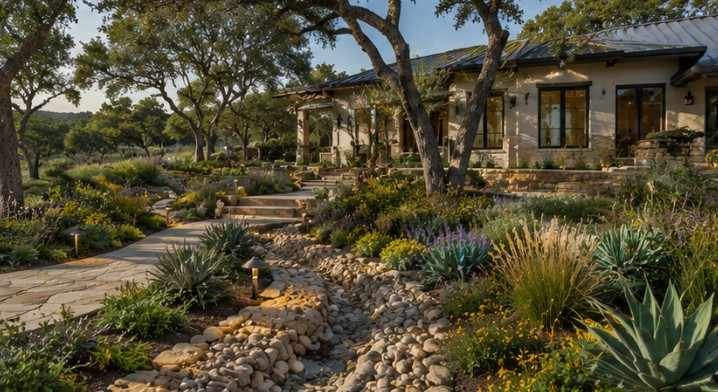
Plant selection is the cornerstone of any sustainable Texas landscape. Native plants have spent centuries adapting to local soil conditions, intense sun, and fluctuating rainfall. Incorporating native trees, shrubs, perennials, and ornamental grasses creates a vibrant ecosystem that naturally resists local pests and diseases.
Before picking plants at a big-box nursery, it helps to consult established botanical resources. Exploring the Lady Bird Johnson Wildflower Center Native Plant Database gives you an excellent look at species that thrive in our specific ecoregion, such as Texas Red Oak, Mexican Bush Sage, Black-Footed Daisy, and Flame Acanthus.
By blending native species with heat-tolerant adapted plants, you get year-round color, texture, and visual interest without spending every weekend hand-watering wilted flowerbeds.
Custom Hardscaping and Outdoor Living Structures
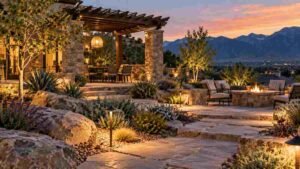
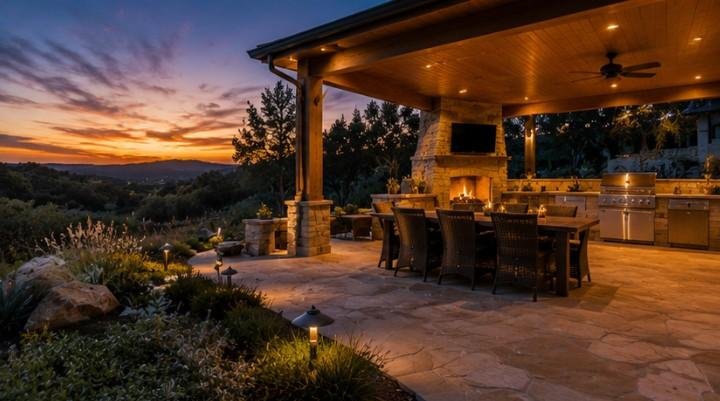
Your hardscape forms the structural backbone of your outdoor area. Whether you want a cozy gathering space or an expansive entertainment venue, high-quality stonework and structures turn raw land into usable square footage.
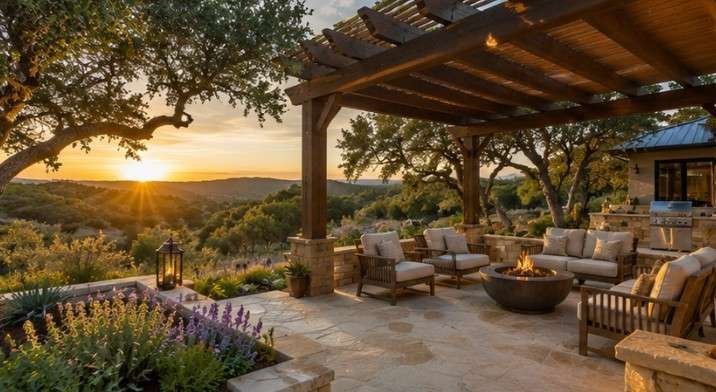
- Patios and Walkways: Natural Texas limestone, flagstone, and pavers are top choices for local patios. They absorb less heat than poured concrete and offer a timeless, earthy look that complements regional architecture.
- Retaining Walls: On sloped Hill Country lots, retaining walls are essential for stopping soil erosion, creating level lawn terraces, and building terraced gardens.
- Covered Structures and Pergolas: Shading your living space is vital during July and August. Custom cedar arbors, steel pergolas, or fully roofed patio extensions allow you to enjoy your yard comfortably even on bright summer afternoons.
- Outdoor Kitchens and Fire Features: From built-in gas grills and granite countertops to custom masonry fire pits and outdoor fireplaces, adding cooking and warmth keeps your outdoor space active across all four seasons.
Intelligent Irrigation and Water Management
An efficient irrigation system isn’t just about keeping grass green; it’s about delivering the exact amount of water your plants need right where they need it. Modern smart irrigation controllers adjust watering times based on real-time weather forecasts, preventing sprinklers from running during rainstorms.
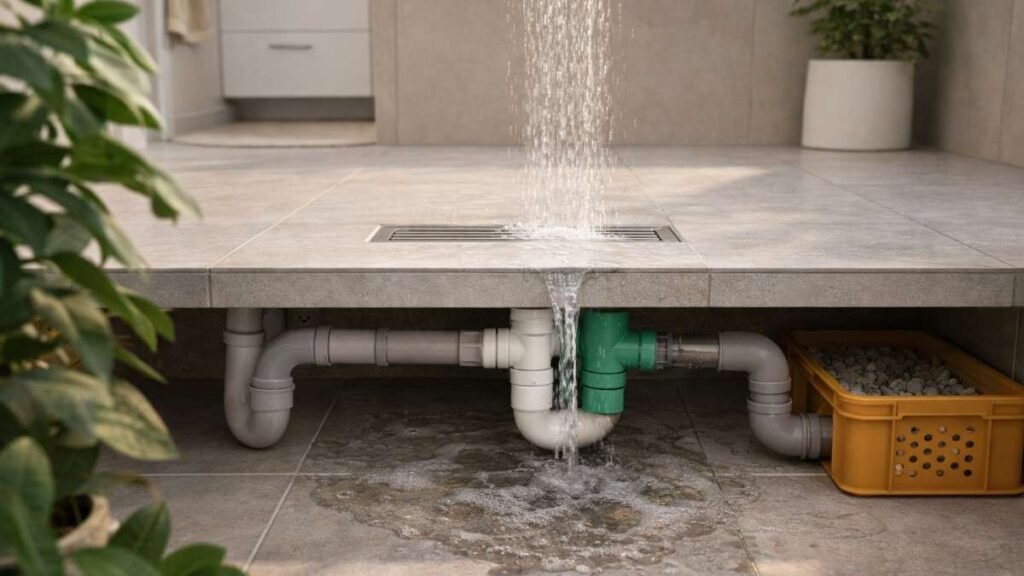
Drip irrigation systems deliver water directly to plant root zones beneath mulch layers, minimizing evaporative loss under the hot sun. Additionally, integrating grading techniques, dry creek beds, and French drains protects your home’s foundation by directing heavy stormwater runoff away from structures during sudden downpours.
Architectural Outdoor Lighting
A well-planned outdoor lighting scheme transforms your property after sunset. Low-voltage LED fixtures highlight focal trees, illuminate walkways for safety, and cast warm ambient light across patio walls and entertainment zones. Modern systems can be controlled directly from your smartphone, allowing you to dim lights or adjust schedules with a tap.
Understanding the Design-Build Journey
If you’ve never hired a professional team for a major outdoor project, you might wonder what the process looks like. A structured design-build workflow keeps everything organized, transparent, and predictable from start to finish.
Initial Discovery and Site Assessment:
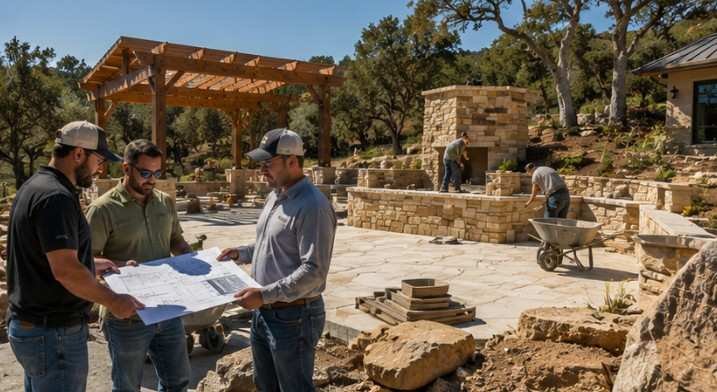
The journey begins with a thorough site analysis and conversation. Design professionals visit your property to evaluate existing soil, drainage patterns, tree canopy health, utility locations, and topography. During this meeting, you’ll discuss your goals, how you plan to use the space, your stylistic preferences, and your ideal investment level.
Conceptual Design and 3D Visualization:
Next, the design team translates your ideas into detailed spatial plans. Many homeowners struggle to visualize flat architectural drawings, so advanced 3D renderings are used to show exactly how materials, scale, lighting, and plant pairings will look in real life. You’ll see how sun and shade hit your proposed patio, how traffic flows from your back door to the pool, and how retaining walls integrate with your existing slope.
Material Selection and Plan Refinement:
Once you approve the overall layout, you’ll select specific materials. This includes choosing stone types, paver patterns, wood stains, lighting fixtures, and plant species. Having access to high-caliber landscape design services in Austin means working with experts who guide you toward materials that match your taste while offering long-term durability in our local climate.
Permitting and Construction:
Before ground breaks, your project management team secures any necessary municipal permits, coordinates utility locates, and submits plans to your Homeowners Association if required. Once clearance is granted, skilled craftsmen handle site preparation, drainage installation, masonry, carpentry, irrigation setup, and planting. Having dedicated site supervisors ensures work progresses safely, on schedule, and up to code.
Final Walkthrough and Maintenance Guidance:
After construction finishes and the site is fully cleaned, you’ll complete a walk-through with your project leader. They’ll show you how to operate your irrigation controller, share care instructions for your new plantings, and answer any questions. Many design-build firms also offer ongoing maintenance programs to ensure your new landscape matures beautifully over time.
How to Evaluate the Right Partner for Your Property
Choosing the right firm to transform your land is one of the most important home improvement decisions you’ll make. It will make your home look expensive. Here are key factors to consider when comparing local design-build companies:
Proven Local Track Record
Central Texas terrain requires hyper-local experience. Look for a team with years of hands-on experience navigating regional soil conditions, tree preservation rules, and drainage requirements. Review their portfolio to see if their previous projects showcase the quality and style you want for your own home.
In-House Capabilities
Some companies outsource nearly every aspect of construction to third-party laborers, leading to inconsistent quality control. Ask potential contractors how much of the work is performed by their own trained crew members versus outsourced labor, and how site management is handled day to day.
Comprehensive Warranties and Licensing
A reputable firm stands behind its work. Make sure the team carries full general liability and workers’ compensation insurance. Ask about structural warranties on hardscaping, warranties on plant survival, and guarantees on irrigation equipment.
Clear Communication Systems
A great finished product matters, but the experience along the way matters just as much. Choose a company that assigns a primary project manager, provides clear timelines, uses organized client portals, and communicates proactively about project milestones.
Ready to Create Your Outdoor Oasis?
Investing in a custom outdoor space does far more than boost your property’s curb appeal and market value. It expands your living space, connects your household with nature by reusing laundry water safely, and creates a welcoming backdrop for outdoor dinners, weekend gatherings, and quiet morning coffees.
Whether you’re starting with a blank slate on a newly built property or looking to completely renovate an aging backyard, working with an experienced design-build team removes the guesswork. With thoughtful planning, durable craftsmanship, and climate-adapted materials, your outdoor space will remain beautiful, functional, and enjoyable for decades to come.