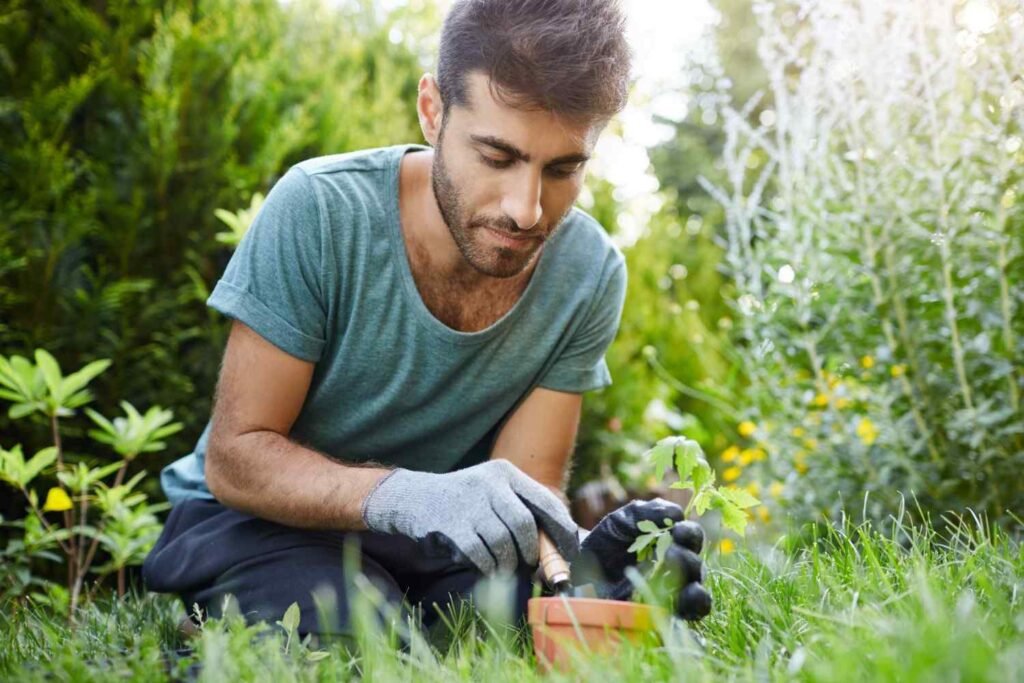
Every time I cleared my garden, it felt like progress… until the weeds came back like I hadn’t done anything at all.
At one point, I started wondering if I was doing something wrong—or if natural methods just didn’t work. I tried all the usual fixes, and while some gave quick results, nothing actually lasted.
That frustration led me to a surprising realization: weeds weren’t the real issue. My soil was.
Once I stopped focusing only on removing weeds and started fixing what was happening underneath, everything changed. The regrowth slowed down, my plants got stronger, and maintenance became much easier.
In this blog, I’ll break down the natural methods that truly work and show you how your soil might be the hidden factor keeping weeds in control—or letting them take over.
What Are the Most Effective Natural Ways to Kill Weeds?
The most effective natural ways to kill weeds combine immediate removal methods with long-term soil improvement.
From my experience, quick fixes like vinegar or boiling water only solve half the problem. If your soil conditions remain unchanged, weeds will return.
That’s why I follow a simple system:
I remove existing weeds, target their roots, and improve the soil so fewer weeds grow back.
Does Vinegar or Boiling Water Work for Killing Weeds?
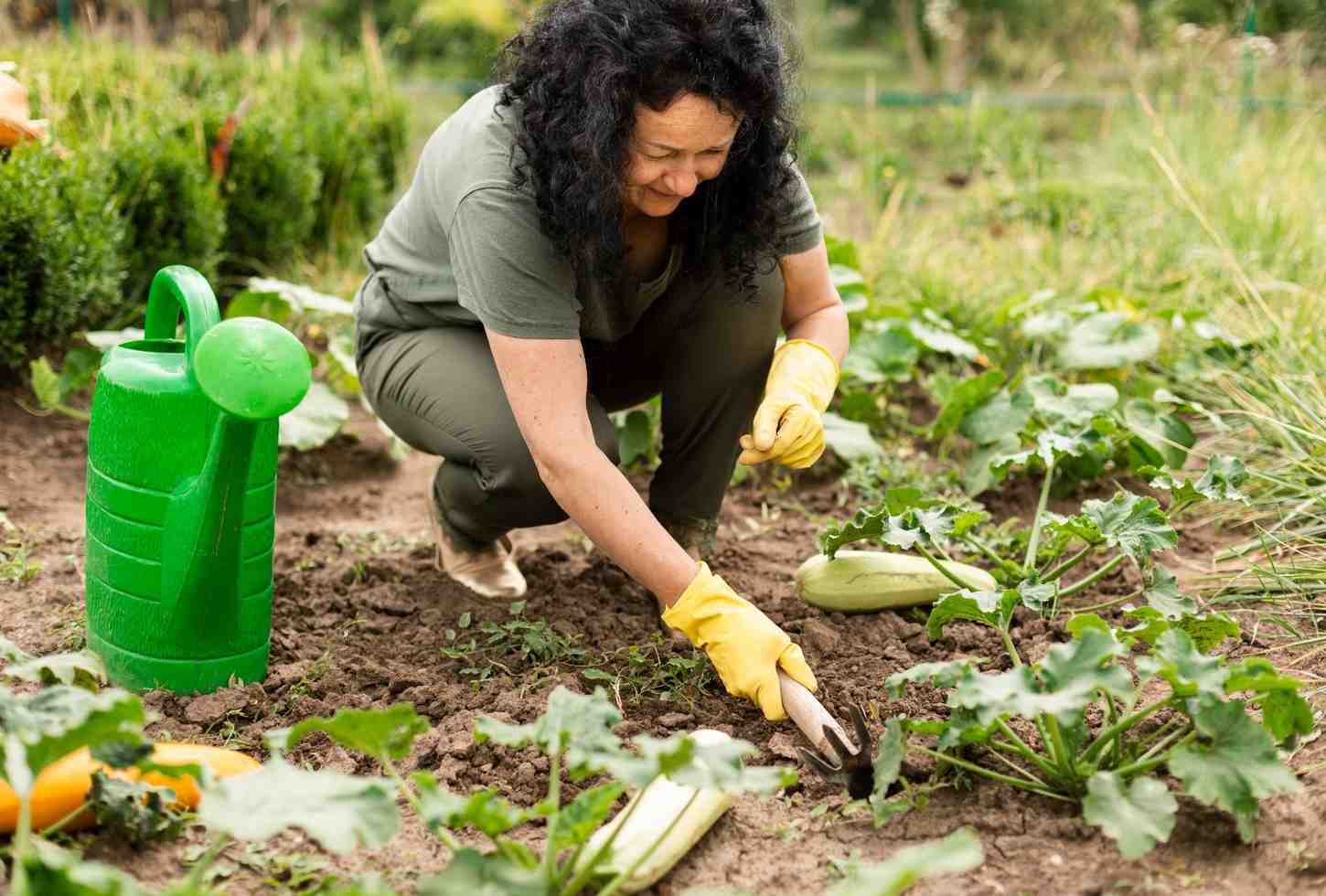
I’ve tested both methods extensively, and they do work—but with limitations.
Vinegar burns weed leaves quickly, especially on sunny days. However, it rarely kills deep roots. I found it works best in driveways, sidewalks, and gravel areas where regrowth isn’t a concern.
Boiling water is even simpler. It instantly damages plant tissue and works well on shallow weeds. I use it around patio edges and cracks, but like vinegar, it doesn’t always stop regrowth.
These methods are great for quick results, but they are not permanent solutions.
Why Soil Type Matters More Than Most People Realize
This is where most people go wrong.
Weeds don’t just appear randomly—they thrive in specific soil conditions. When I started paying attention to soil type, I realized why certain areas in my yard always had more weeds than others.
The ideal soil for most gardening is loam, a balanced mix of sand, silt, and clay. It drains well, holds nutrients, and supports healthy plant growth. But most gardens don’t start with perfect soil.
Understanding your soil type is the first step toward long-term weed control.
What Are the Main Soil Types and How Do They Affect Weed Growth?
Natural garden soil usually falls into six categories, and each one affects weed growth differently.
Loamy soil is considered the best because it balances moisture and nutrients. Plants grow strong here, which naturally reduces weed competition.
Sandy soil drains quickly but lacks nutrients. I noticed weeds grow fast here because desired plants struggle to compete.
Clay soil holds nutrients well but becomes compacted and waterlogged. This creates ideal conditions for stubborn weeds.
Silty soil feels smooth and retains moisture, but it compacts easily, allowing weeds to establish quickly.
Peaty soil is rich in organic matter and holds water, often encouraging dense weed growth if unmanaged.
Chalky soil is alkaline and free-draining, which can limit plant growth and give weeds an advantage.
Once I understood these differences, I stopped treating weeds as the problem and started treating the soil.
How to Identify Your Soil Type at Home
You don’t need lab testing to figure this out. I use simple methods that give quick insights.
When I squeeze moist soil in my hand, sandy soil falls apart, loamy soil holds shape but crumbles, and clay stays sticky and firm.
Rolling soil into a ribbon helps identify clay content. The longer the ribbon holds together, the more clay it contains.
For a clearer picture, I use the jar test. I fill a jar with soil and water, shake it, and let it settle. Sand settles first, then silt, and clay sits on top. This shows the composition clearly.
These simple tests helped me understand exactly what I was working with.
How Improving Soil Helps Eliminate Weeds Naturally
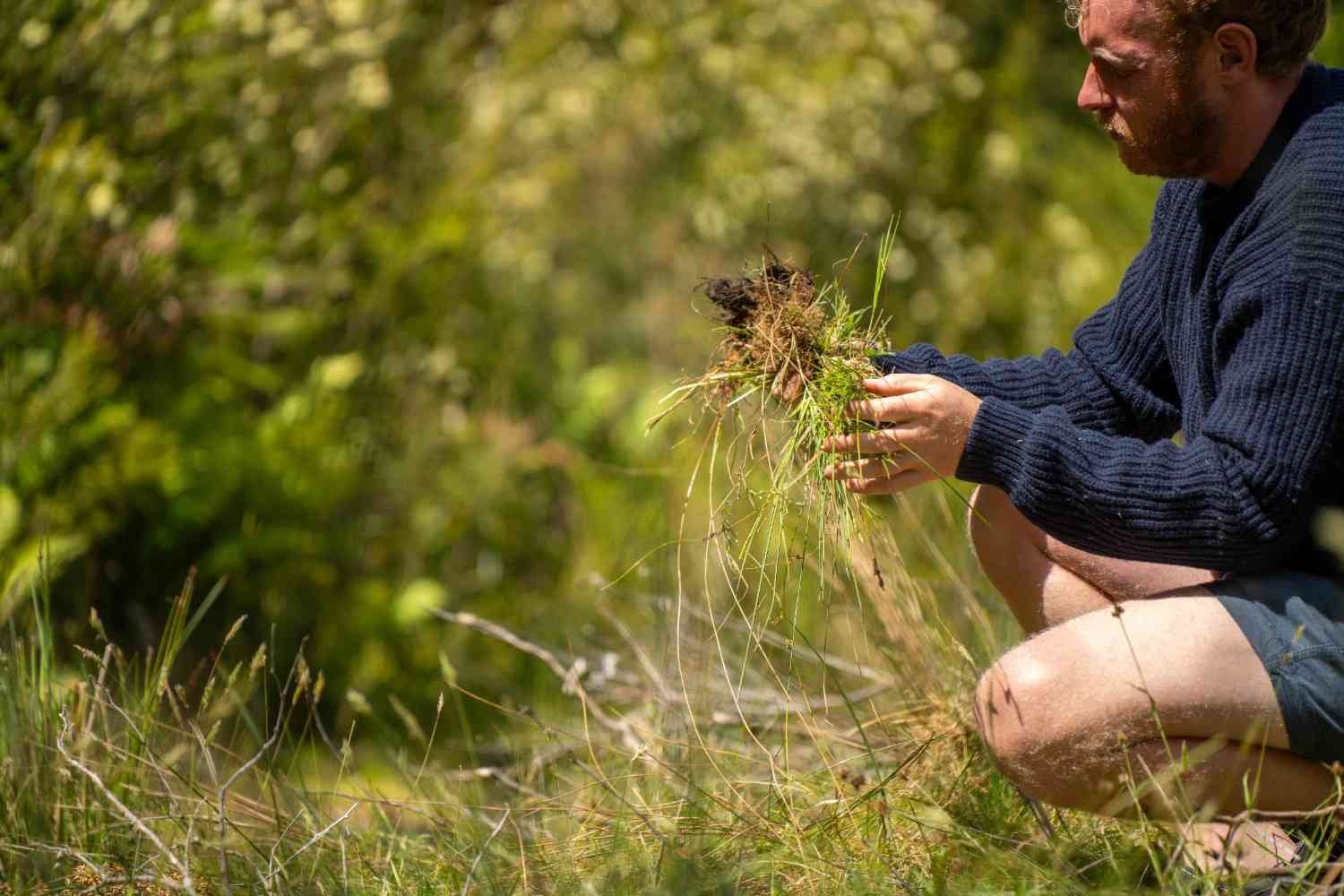
This is where everything connects.
Once I started improving soil, I noticed fewer weeds without increasing effort. Healthy soil supports strong plant growth, which naturally crowds out weeds.
I focused on adding organic matter like compost, improving drainage, and maintaining consistent moisture levels. Over time, the balance shifted in favor of my plants instead of weeds.
This approach turned weed control from a constant battle into a manageable routine.
What Natural Methods Actually Stop Weeds Long-Term?
Short-term fixes help, but long-term control comes from consistency.
When I remove weeds after watering, the roots come out more easily. This reduces regrowth significantly.
Mulching made the biggest difference. By covering soil, I blocked sunlight and prevented new weeds from sprouting.
In hotter months, I also used solarization by covering soil with clear plastic. The trapped heat kills weed seeds and roots over time.
These methods take more effort upfront but save time later.
How I Combine Natural Weed Control with Soil Improvement
This is the system that finally worked for me.
I start by removing visible weeds using boiling water or manual pulling. Then I improve the soil by adding organic matter and ensuring proper drainage.
After that, I cover the soil with mulch to prevent new weeds from growing.
This layered approach is what made natural ways to kill weeds actually sustainable for me.
Recommended Soil Products for Better Garden Results
When I needed faster improvements, I used ready-made soil mixes designed for gardening.
Options like organic potting soil blends with compost, cocopeat, and manure can help improve soil structure quickly. These mixes are especially useful for container gardening or starting new beds.
They don’t replace natural soil improvement completely, but they give you a strong starting point.
What Most People Get Wrong About Weed Control
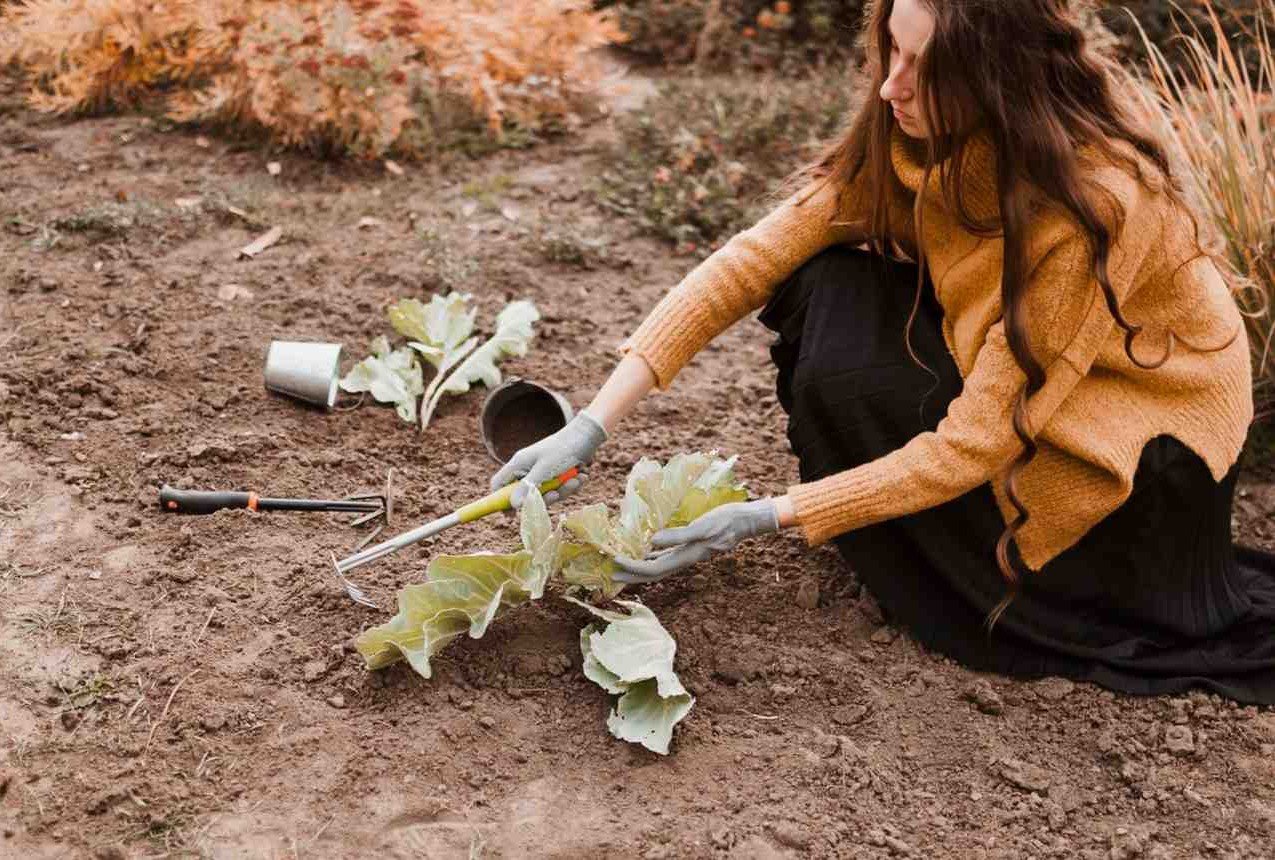
The biggest mistake I made was thinking weed control was a one-time fix.
It’s not.
Weeds return when conditions allow them to. Without improving soil and maintaining consistency, even the best natural solutions won’t last.
Once I shifted my focus from quick fixes to long-term soil health, everything changed.
Frequently Asked Questions (FAQs)
1. What are natural ways to kill weeds permanently?
There is no single permanent solution. Combining root removal, mulching, and improving soil conditions gives the best long-term results.
2. Which soil type grows the most weeds?
Clay and sandy soils often encourage weed growth because they either compact easily or lack nutrients for strong plant competition.
3. Does improving soil reduce weeds?
Yes. Healthy soil supports strong plants, which naturally crowd out weeds and reduce their growth over time.
4. Are natural weed killers safe for gardens?
Most methods are safe when used correctly, but vinegar and salt should be applied carefully to avoid damaging surrounding plants.
Final Thoughts That Actually Matter
If I had to simplify everything, I’d say this: weeds are a symptom, not the root problem.
Natural ways to kill weeds work best when combined with better soil management. Once you improve your soil and incorporate natural fertilizers for plants, you don’t just remove weeds—you prevent them from taking over again.
That’s when gardening becomes easier, more predictable, and far more rewarding.