I’ve been there—your plant looks weak, leaves are turning yellow, and your first instinct is to water it more. That exact mistake is what leads to the most common plant killer: overwatering.
If you’re searching for overwatering plant symptoms, here’s the direct answer: yellow, soft leaves, drooping despite wet soil, and a musty smell are the earliest warning signs that your plant is drowning—not thirsty.
In this guide, I’ll show you how I personally diagnose overwatering, how I fix it step by step, and how you can avoid killing your plants with too much care.
What Are the Most Accurate Overwatering Plants Symptoms?
From my experience and expert-backed research, the most reliable overwatering plants symptoms show up in patterns—not just one isolated sign.
The most common sign is yellowing leaves that feel soft and limp. This happens because waterlogged roots cannot absorb nutrients like nitrogen, which directly affects leaf color and health.
Another major sign is wilting even when the soil is still wet. At first, this confused me the most. But once I understood that roots need oxygen—not just water—it made perfect sense.
You may also notice stems becoming soft or unstable near the base. That usually indicates the early stages of rot spreading upward from the roots.
Leaf drop is another signal I never ignore. When both old and new leaves fall suddenly, it’s often a stress response caused by excess moisture.
In more advanced cases, I’ve seen edema—small blisters forming under leaves. This happens when the plant absorbs more water than its cells can handle.
And one of the most obvious signs? A sour, rotten smell from the soil. That’s usually a clear indicator that root decay has already begun.
Why Overwatered Plants Look “Thirsty” Even When Soil Is Wet
Here’s the deal: overwatering is not about too much water—it’s about lack of oxygen.
Healthy soil contains air bubbles that allow roots respiration. When soil becomes constantly saturated, those pockets disappear. The roots suffocate, stop functioning, and eventually rot.
That’s why your plant droops. It’s not dehydrated—it’s unable to absorb water at all.
Once I understood this, I stopped watering on a schedule and started observing the soil instead.
Overwatered vs Underwatered Plants: How I Tell Instantly
This comparison is one of the biggest ranking opportunities, and honestly, it’s what most people are really searching for.
| Symptom | Overwatered | Underwatered |
| Leaf Texture | Soft, limp, mushy | Dry, brittle, crispy |
| Leaf Color | Yellowing, brown spots with halos | Brown edges, fading |
| Soil Condition | Wet, soggy, may smell sour | Dry, cracked, pulling away |
| Root Health | Black, brown, mushy | White or dry and brittle |
I personally rely on two quick checks.
First, I touch the soil. If it’s still damp after a few days, I don’t water.
Second, I check the leaf texture. Soft leaves almost always mean overwatering, while crispy leaves point to underwatering.
How I Save an Overwatered Plant (Step-by-Step Recovery)
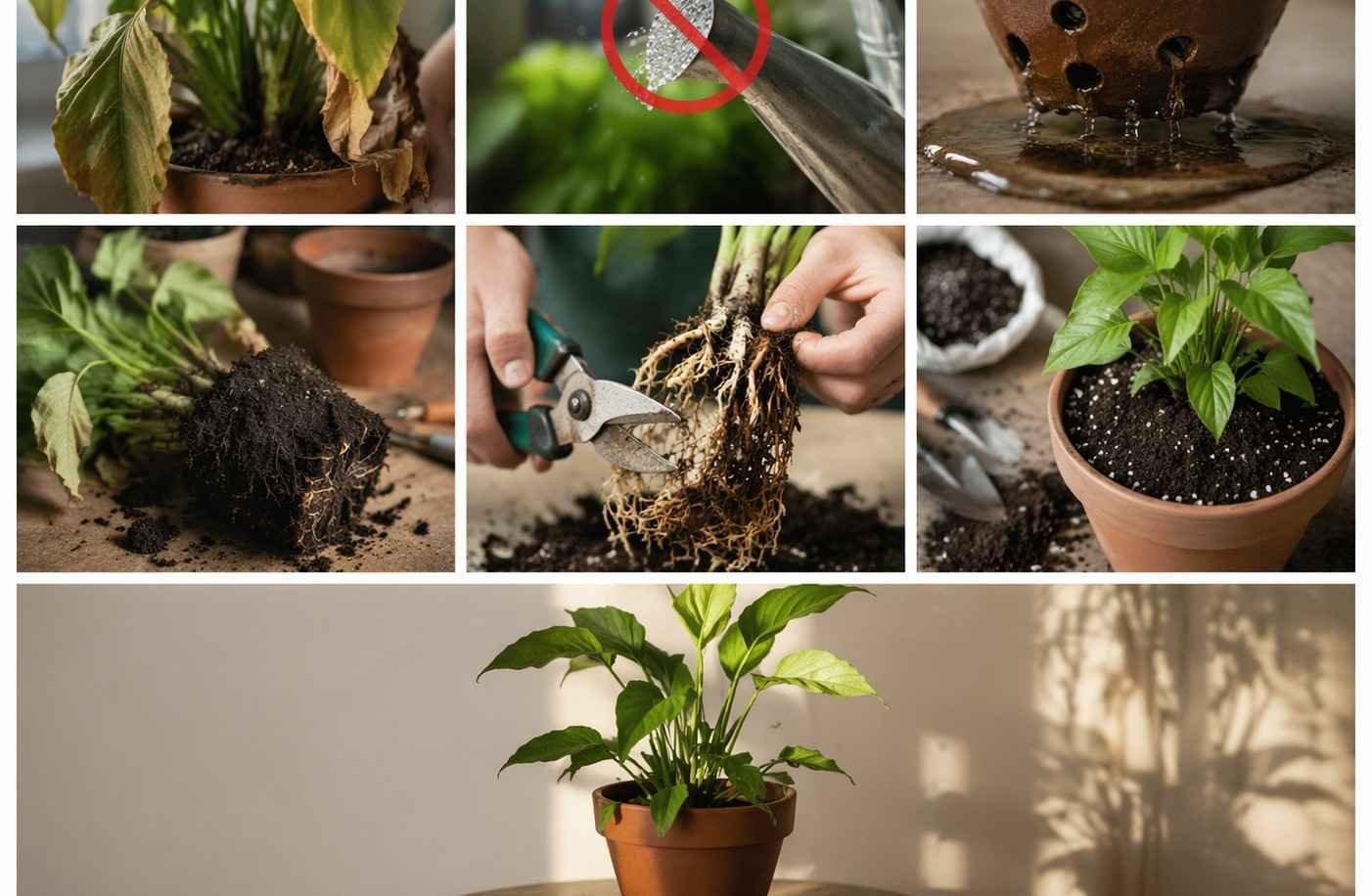
When I notice overwatering plant symptoms, I act quickly. Waiting only makes root rot worse.
I immediately stopped watering. This alone gives the roots a chance to recover.
Next, I check the drainage. If the pot doesn’t have holes or water is pooling, I fix that first.
If the plant still looks weak, I remove it from the pot and inspect the roots. Healthy roots are firm and white. Damaged ones are dark and mushy.
I trim the damaged roots carefully and repot the plant in fresh, well-draining soil.
After that, I place the plant in indirect sunlight with good airflow and avoid fertilizing until I see new growth.
This process has saved multiple plants for me, even ones I thought were beyond recovery.
How I Prevent Overwatering Plants Symptoms in Everyday Care
Prevention changed everything for me.
Instead of watering on a fixed schedule, I always check soil moisture first. I insert my finger about two inches deep. If it still feels damp, I wait.
For more accuracy, I sometimes use a moisture meter. It removes guesswork completely and helps maintain consistent watering habits.
I also switched to pots with proper drainage and started using lighter soil mixes that allow water to flow through easily.
Seasonal changes matter too. In winter, I water less. In summer, I monitor more closely because soil dries faster.
These small habits made a bigger difference than anything else.
Best Soil and Potting Strategy to Avoid Root Rot
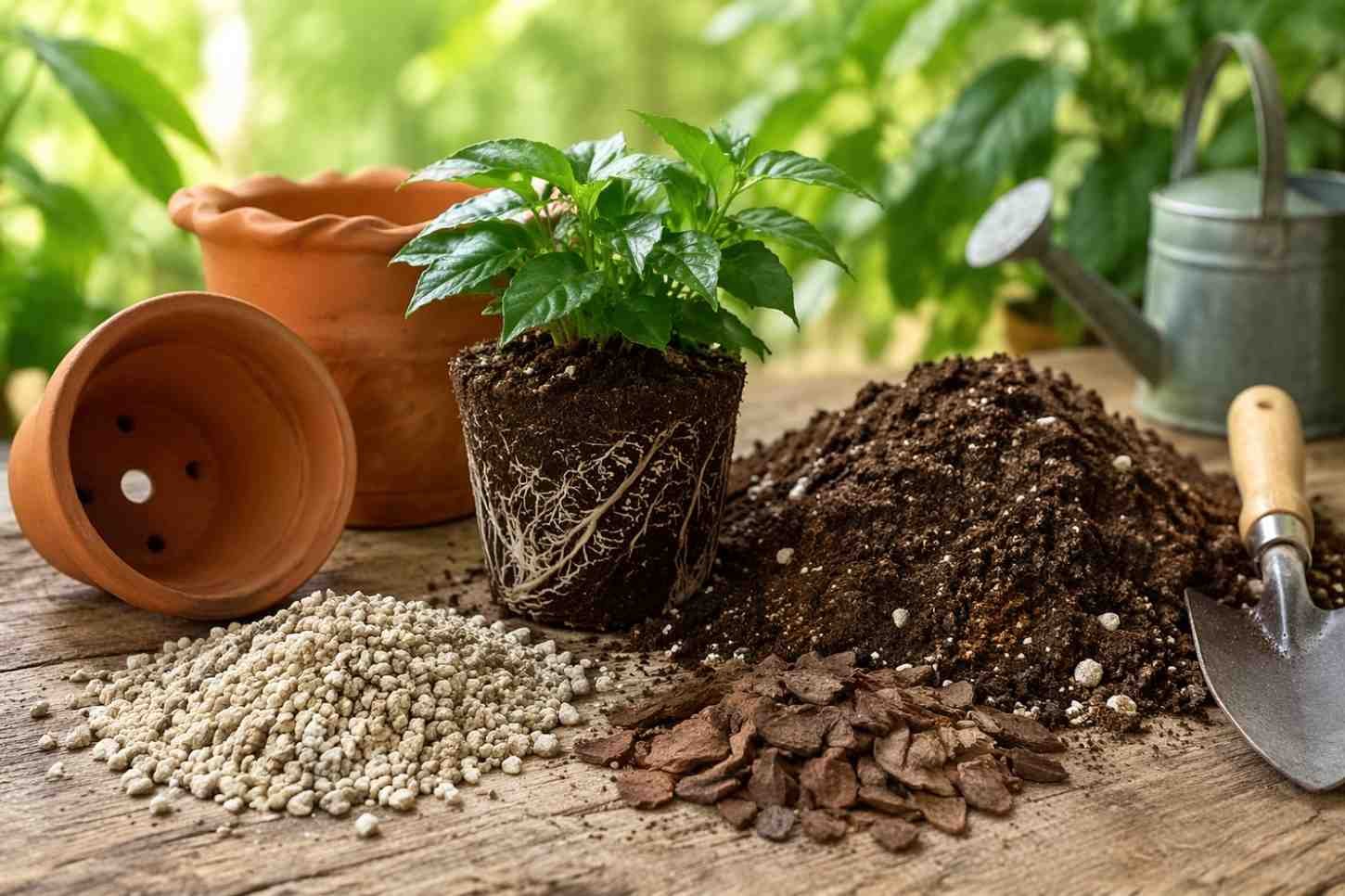
One thing I learned the hard way: soil can either protect your plant or destroy it.
I now use well-draining mixes that include perlite or bark. These materials create airflow and prevent water from sitting around the roots.
I also avoid oversized pots. Too much soil holds excess moisture, which increases the risk of overwatering.
Repotting regularly helps maintain soil structure and keeps roots healthy.
Frequently Asked Questions About Overwatering Plants Symptoms
1. What are the earliest overwatering plants symptoms?
The earliest signs include soft yellow leaves, drooping despite wet soil, and slow growth. These appear before root rot develops.
2. Can a plant fully recover from overwatering?
Yes, if you act early. Improving drainage and trimming damaged roots can restore plant health within a few weeks.
3. How do I confirm if my plant is overwatered?
Check the soil moisture 1–2 inches deep. If it remains damp for several days, overwatering is likely the issue.
4. Should I repot an overwatered plant immediately?
Only if roots are damaged. Otherwise, let the soil dry out first before taking further action.
What Changed Everything in My Plant Care Routine
If I had to simplify everything, it would be this: watering less often—but more intentionally—keeps plants healthier.
Once I stopped reacting to drooping leaves and started understanding what was happening beneath the soil, my plants became stronger, greener, and far easier to manage. Incorporating a drip irrigation system for garden helped me control water flow precisely, ensuring my plants got just the right amount, reducing stress on them.
If you’re dealing with overwatering plant symptoms, don’t panic. With the right approach, most plants can recover—and you’ll become a much better plant parent in the process.