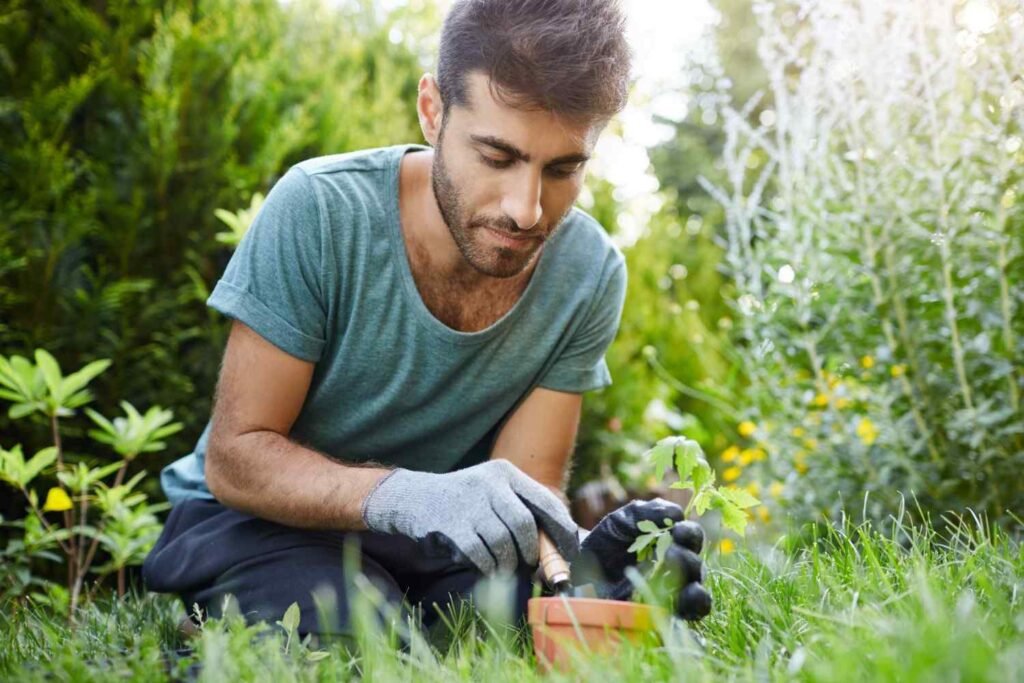
I thought my garden needed more water—but it actually needed smarter watering. No matter how often I watered, some plants thrived while others struggled, and my water bill kept creeping up. That’s when I switched to a drip irrigation system for the garden, and the difference was immediate.
Instead of guessing, I finally had control over how much water each plant received. In this blog, I’ll break down how a drip irrigation system for a garden works, why it’s one of the most efficient upgrades you can make, and how you can set it up quickly to get healthier plants with less effort.
What Is a Drip Irrigation System for a Garden and How Does It Work?
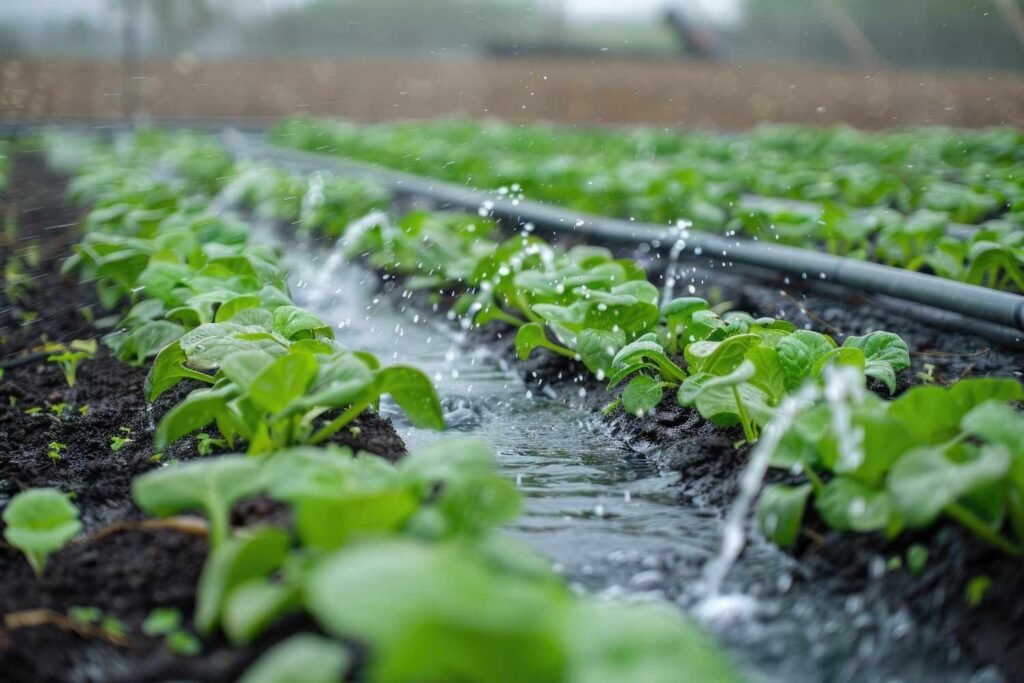
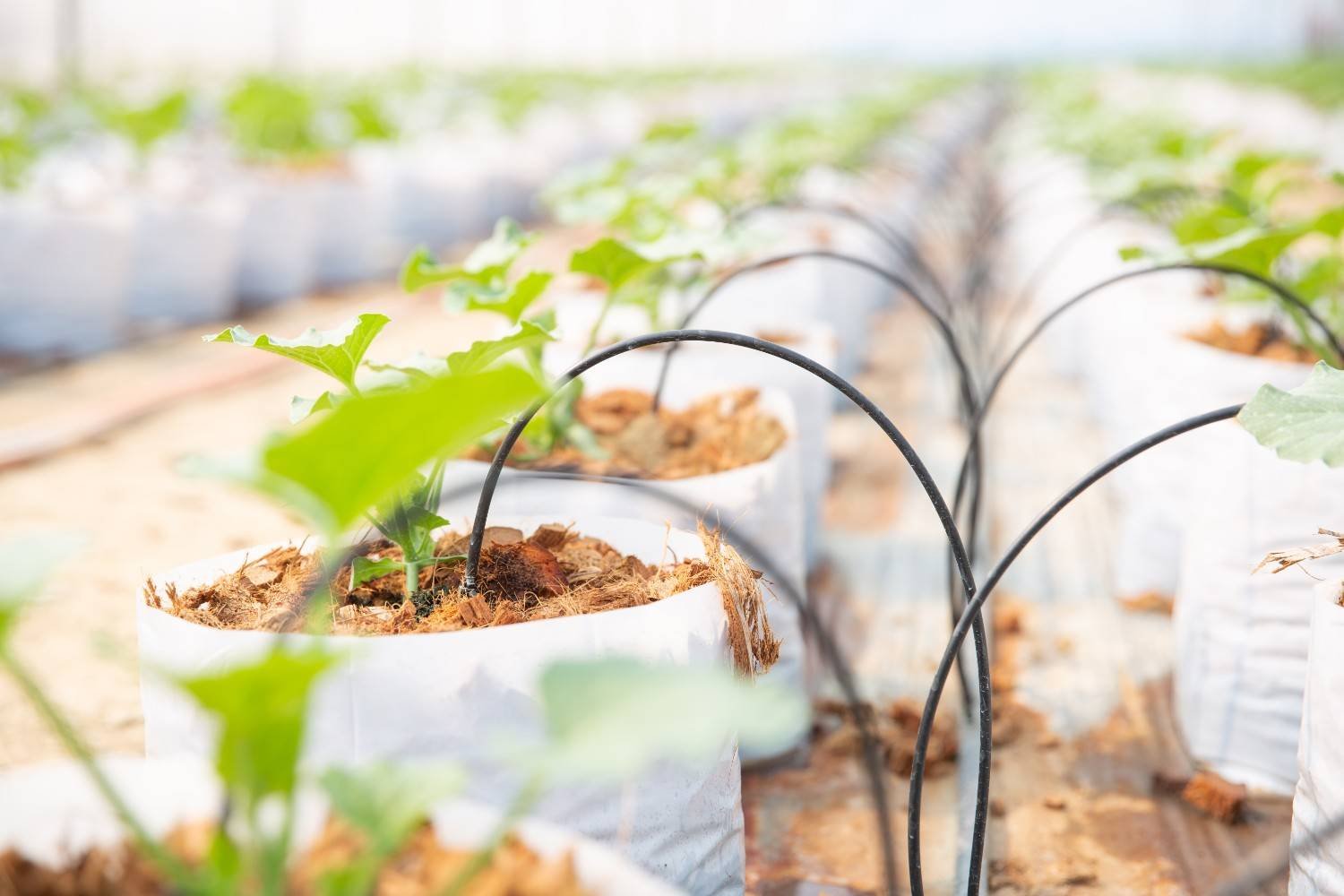
A drip irrigation system for gardens is a low-pressure watering setup that sends water directly to the root zone using pipes, valves, and emitters.
Instead of spraying water across your yard, it slowly releases water exactly where plants need it. From my experience, this precision is what makes the biggest difference. The soil stays evenly moist, and plants grow more consistently.
This system typically includes a water source, tubing network, pressure regulator, filter, and emitters that control flow in gallons per hour.
Why Is Drip Irrigation Better Than Traditional Watering?
When I switched from sprinklers, I immediately noticed three major improvements.
First, water conservation. Since water goes directly to the roots, you avoid evaporation losses. In many US regions facing water restrictions, this is a major advantage.
Second, healthier plants. Wet leaves often lead to fungal issues. Drip irrigation keeps foliage dry, reducing disease risk.
Third, fewer weeds. Since only the plant root zone is watered, surrounding soil stays dry, preventing unwanted growth.
The only downside? Initial setup takes some planning—but it pays off quickly.
What Are the Essential Components You Need?
Before installing my system, I made sure I understood each component. That saved me from costly mistakes later.
Every setup starts with a water source and timer, which connects to your outdoor faucet and automates watering schedules.
A backflow preventer is critical for safety. It ensures irrigation water doesn’t contaminate your home’s water supply.
A pressure regulator keeps water pressure between 10–25 PSI so tubing doesn’t burst. A filter prevents dirt from clogging emitters, which is one of the most common issues beginners face.
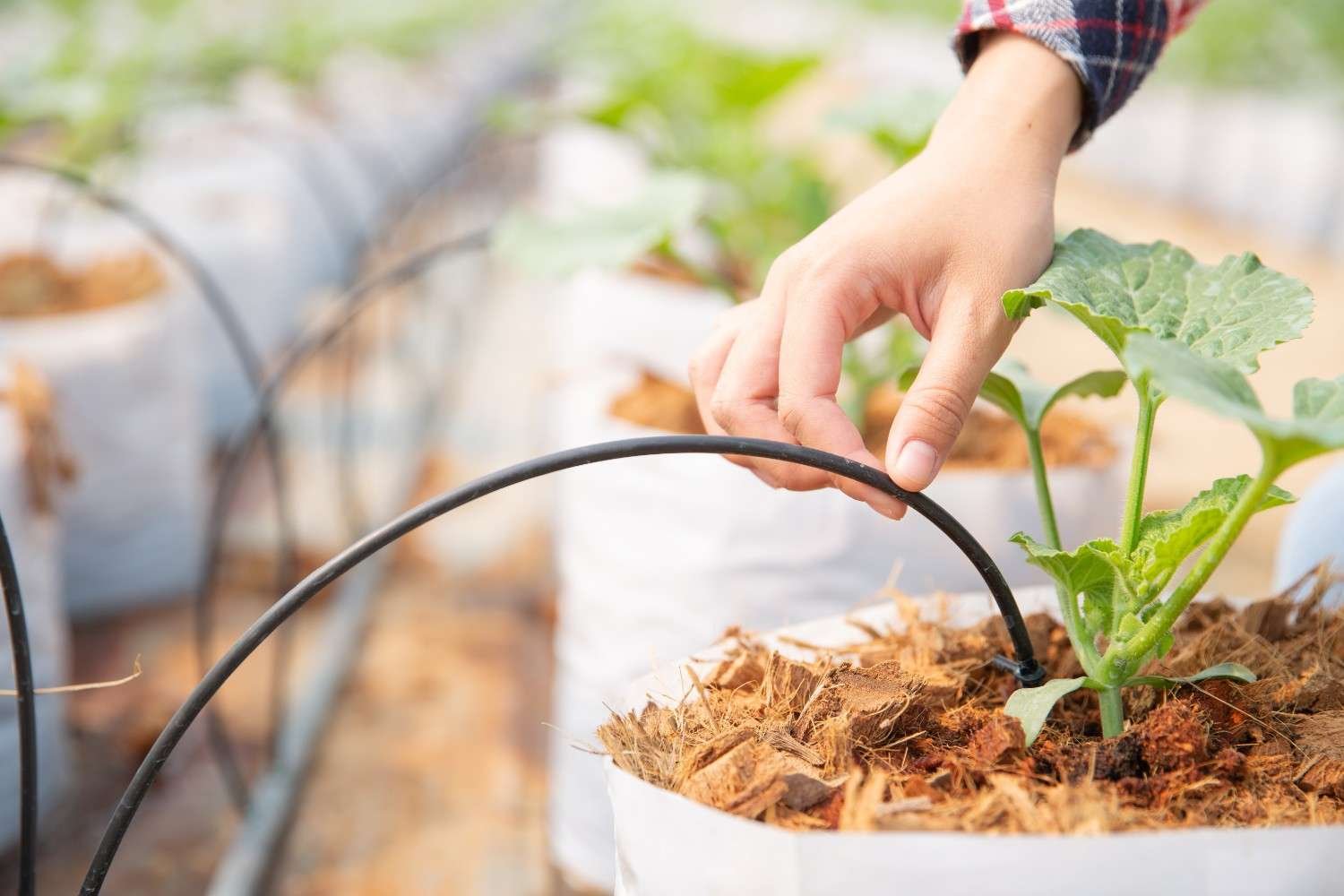
The tubing system includes a mainline (usually 1/2 inch) and smaller distribution lines (1/4 inch). Emitters or drippers control how much water each plant receives.
These components work together as one system, and skipping even one can cause long-term problems.
How Do You Plan the Perfect Drip Irrigation Layout?
Most beginners skip planning—and that’s where things go wrong.
I always start by grouping plants based on water needs. This helps avoid overwatering delicate plants while ensuring thirsty crops get enough moisture.
Next, I map out the tubing path. I keep the layout simple, avoiding sharp turns and unnecessary complexity.
If you’re working with raised beds, straight drip lines work best. For irregular garden shapes, flexible tubing with emitters gives more control.
Planning might take an extra hour, but it saves weeks of frustration later.
How to Install a Drip Irrigation System for Garden (Step-by-Step)
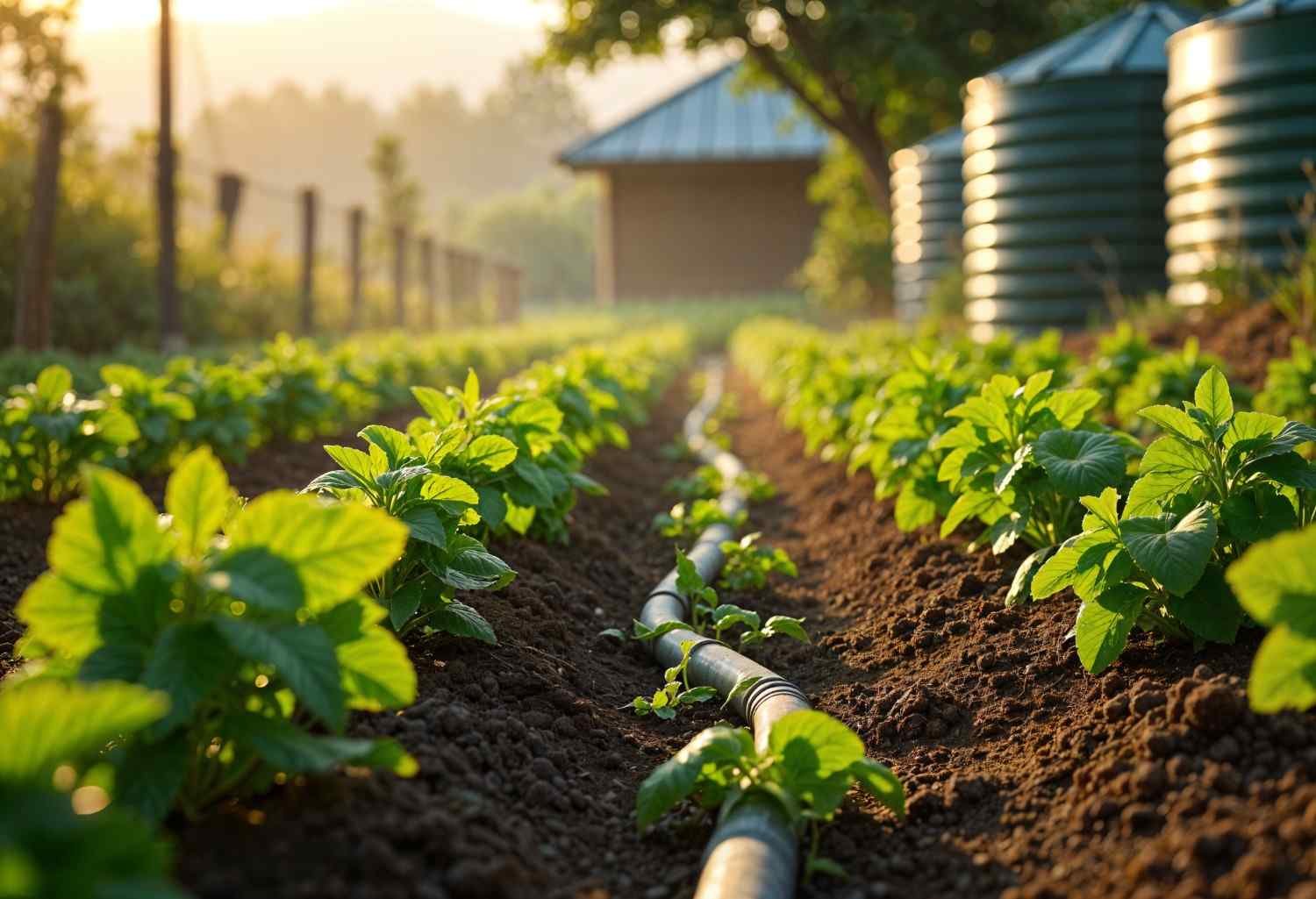
When I installed my first system, I expected a complicated process. But once I understood the flow, everything clicked.
I start by connecting the system to my faucet, attaching the backflow preventer, pressure regulator, and filter.
Then I lay out the main tubing along the garden beds and secure it with stakes.
After that, I punch holes and insert emitters or connect drip lines depending on plant placement.
Once everything is connected, I cap the tubing ends and test the system by turning on the water.
Finally, I adjust the emitters to ensure even distribution across all plants.
This simple process transformed how I manage my garden.
Which Drip Irrigation Kit Should You Choose?
Choosing the right kit depends on your garden size and setup.
For small gardens or container plants, budget-friendly kits work well. For larger setups, I recommend systems that include timers and adjustable emitters.
Premium kits offer better durability and precision, especially for long-term use in US climates with seasonal variation.
The key is not price—but compatibility with your garden layout.
How Do You Maintain a Drip Irrigation System?
Maintenance is simple if you stay consistent.
I check my system regularly for leaks and make sure water reaches every plant.
Every couple of weeks, I flush the lines to remove sediment buildup. This prevents clogging and keeps the system running efficiently.
At the start of each season, I clean or replace filters. If you live in colder US states, winterizing the system by draining water is essential to prevent freezing damage.
What Are Common Mistakes to Avoid?
I made mistakes early on, and they taught me what really matters.
Skipping the pressure regulator is a big one. High pressure can damage tubing quickly.
Another issue is poor emitter placement. If spacing is off, plants won’t get consistent watering.
Clogging is also common, especially without a proper filter.
Keeping your setup simple and well-maintained avoids most of these problems.
Is a Drip Irrigation System Worth It in the US?
From my experience, absolutely.
With rising water costs and increasing drought conditions across states like California and Arizona, efficient irrigation is no longer optional—it’s essential.
A drip irrigation system saves water, reduces effort, and improves plant growth. Over time, it pays for itself in both water savings and healthier yields.
Frequently Asked Questions (FAQs)
1. What is a drip irrigation system for a garden?
A drip irrigation system for gardens is a setup that delivers water directly to plant roots using tubing and emitters, improving efficiency and reducing waste.
2. How much water can drip irrigation save?
It can save up to 70% of water compared to traditional watering methods, depending on setup and usage.
3. Can I install a drip irrigation system myself?
Yes, most systems are DIY-friendly and can be installed in a few hours with basic tools.
4. How often should I run my drip irrigation system?
It depends on climate and soil, but most systems run between 20–40 minutes per session.
What Actually Matters When You Set This Up
Looking back, installing a drip irrigation system for the garden completely changed how I approach gardening. It gave me control, saved water, and removed daily stress.
If you’re starting today, keep it simple. Focus on the right components, plan your layout carefully, and don’t overcomplicate the setup. Pairing it with sustainable practices like composting at home can make your garden even more efficient and nutrient-rich.
Once you get it running, you’ll realize this isn’t just a watering system—it’s a long-term upgrade for your garden.