Electricity bills rising every year pushed a deeper look into switching to a solar energy system for home, and the more explored, the clearer it became that solar is no longer complicated or out of reach. It is a practical way to control energy costs, reduce reliance on the grid, and build long-term savings. This guide breaks everything down in a simple, real-world way so you can confidently decide what works best for your home.
What Is A Solar Energy System For Home?
A solar energy system for home is designed to convert sunlight into usable electricity that powers your appliances, lighting, and devices. Instead of depending fully on your utility provider, your home generates clean energy during the day and can even send excess power back to the grid.
These systems are now widely used across the U.S. because they reduce electricity costs and provide energy stability. With improving technology and better financing options, solar has become more accessible than ever for homeowners.
Core Components Of A Solar Energy System For Home
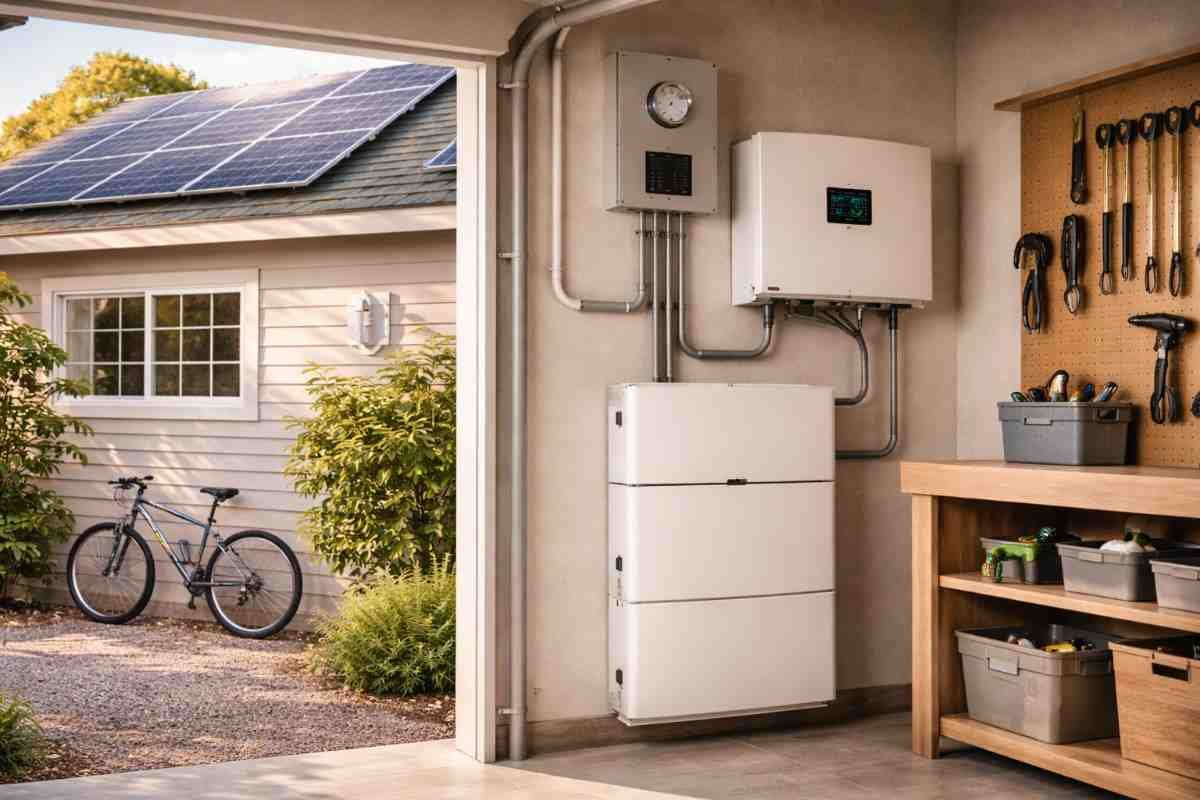
Each part plays a key role in making the system efficient. Solar panels are made of photovoltaic cells that capture sunlight and convert it into direct current electricity. The inverter then converts this into alternating current, which your home actually uses.
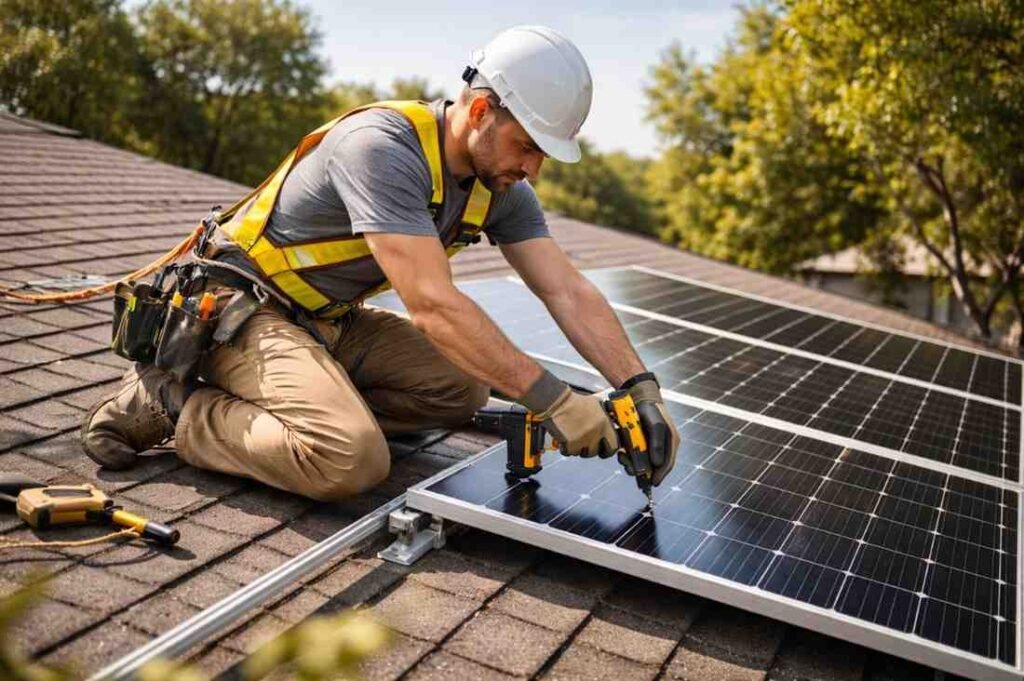
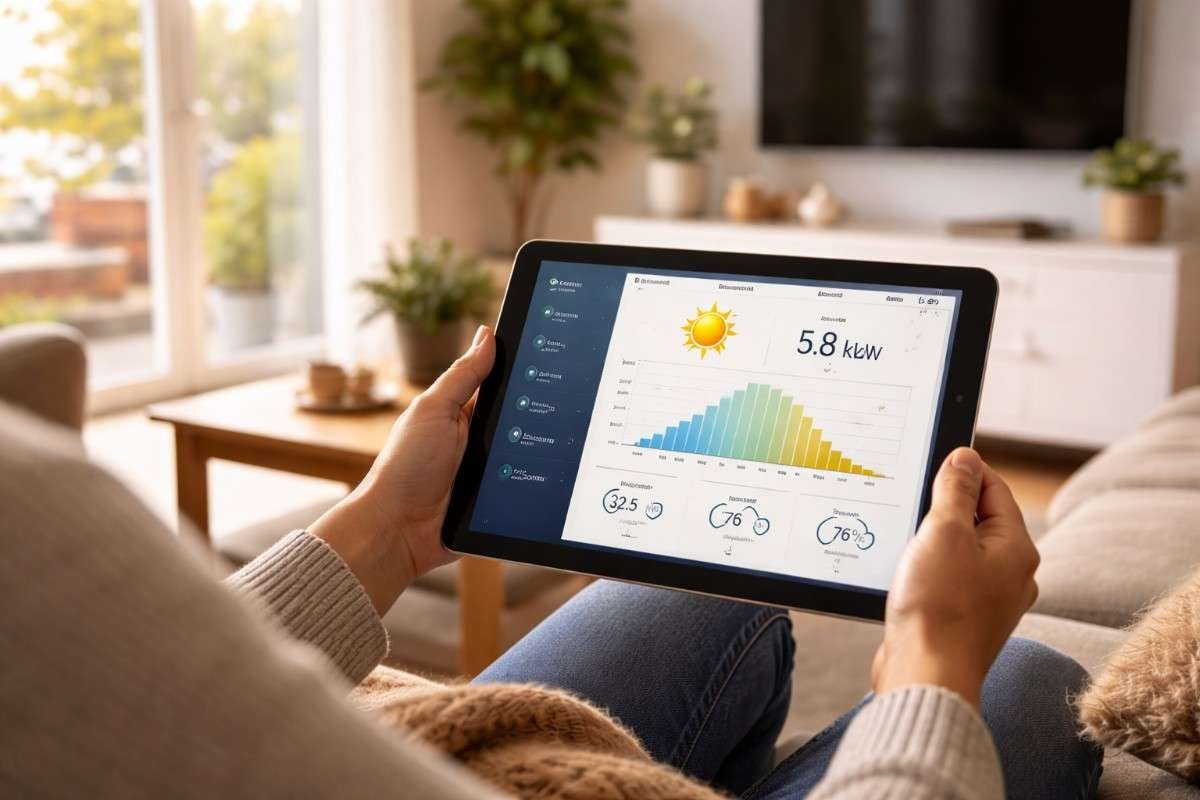
Racking and mounting systems secure the panels to your roof safely. Optional battery storage allows you to store extra energy for nighttime or outages, while monitoring systems help you track performance in real time.
Types Of Solar Energy Systems
Different setups serve different needs.
Grid-tied systems
These are the most common and allow you to stay connected to your utility provider while lowering your electricity bills. Hybrid systems include battery storage and provide backup power.
Off-grid systems
These too are completely independent and work best for remote locations but require higher investment and careful energy planning.
How To Choose A Solar Energy System For Home
Making the right choice depends on your home and goals.
Evaluate Your Energy Usage
Your electricity consumption determines system size. Review your past electricity bills to calculate your average monthly usage. Most U.S. homes need between 6 kW and 10 kW systems depending on energy demand and efficiency. Understanding this early prevents overspending or installing a system that does not meet your needs.
Check Roof Suitability And Sunlight
Your roof plays a big role in performance. South-facing roofs perform best in the U.S., but east and west orientations can still generate strong output. Shade from trees or buildings can reduce efficiency significantly. Roof condition is also important. Installing solar on an old roof can lead to extra costs later if repairs are needed.
Compare Ownership Options
How you pay matters just as much as what you install. Buying a system outright offers the best long-term savings. Loans allow ownership with smaller upfront costs. Leasing or PPAs reduce initial expense but shift tax benefits to providers.
In 2026, direct federal tax credits for purchased residential systems are no longer available for new installations, but lease and SPPA providers often pass savings through lower monthly payments.
How To Install A Solar Energy System For Home
The installation process is simpler than most expect.
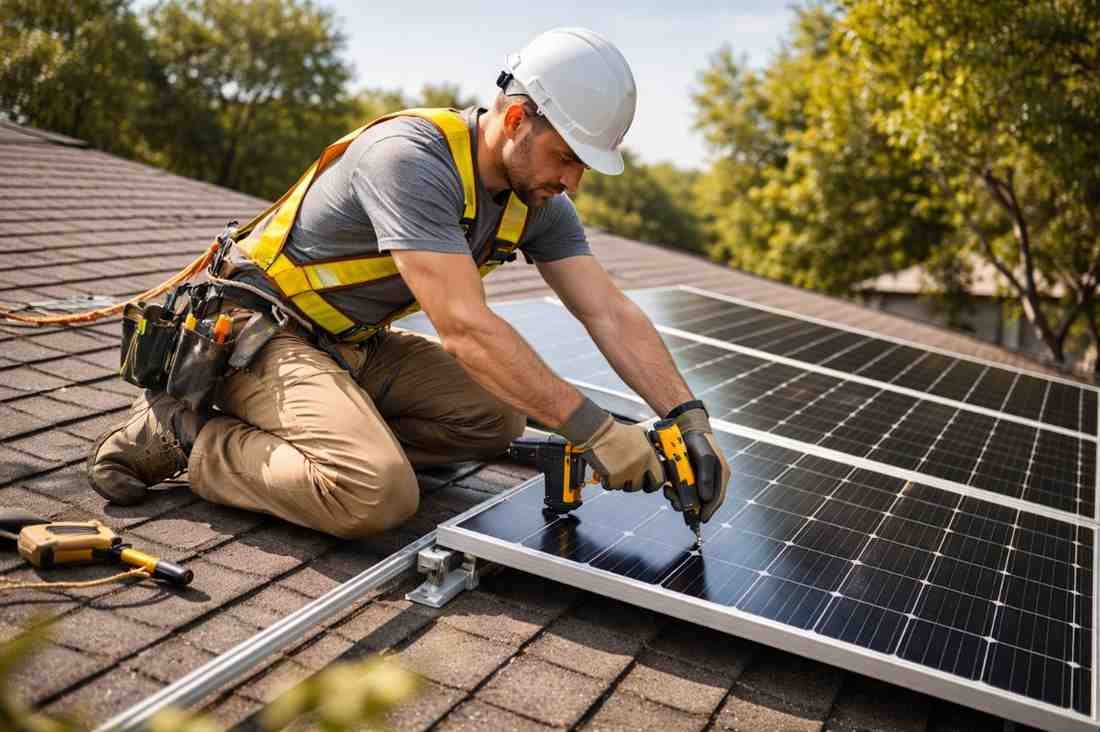
- Installing a solar energy system for home begins with a professional site assessment where experts evaluate your roof, energy usage, and sunlight exposure.
- Based on this, they design a system tailored to your needs and handle permits required by local authorities.
- Once approvals are complete, installation typically takes one to three days. Panels are mounted securely, electrical wiring is connected, and the inverter is installed.
- After inspection and utility approval, your system is activated and starts generating electricity for your home.
System Costs And Options For Solar Energy Systems
Understanding pricing helps you plan better. In 2026, a standard residential solar energy system typically costs between $15,000 and $36,000 before incentives. Pricing depends on system size, equipment quality, and location.
Systems are usually priced between $2.50 and $3.20 per watt. Larger systems cost more overall but often have a lower cost per watt, making them more efficient investments.
Cost Comparison Table
| System Type | Estimated Price Range | Best For |
| Grid-Tied | $15,000 – $25,000 | Homes wanting lower bills while staying connected to the grid |
| Hybrid (With Battery) | $25,000 – $45,000+ | Backup power and higher energy independence |
| Off-Grid Systems | $6,000 – $15,000 | Remote properties without utility access |
Some complete system kits are also available in the market, offering bundled panels, inverters, and batteries. These can be useful for specific setups but should always be evaluated based on your actual energy needs.
Long-Term Savings And Value
Solar is a long-term financial decision. Homeowners can save between $34,000 and $120,000 on electricity over 25 years depending on energy rates and system size. Solar installations can also increase property value and appeal to environmentally conscious buyers.
Maintenance is minimal and usually limited to occasional cleaning and system checks, making solar a low-effort investment after installation.
Benefits And Limitations
It is important to look at both sides before deciding.
Key Benefits
Solar offers more than just lower bills. It provides energy independence, predictable electricity costs, and protection against rising utility rates. Homes with solar systems often sell faster and at higher prices. It also contributes to reducing carbon emissions, making it an environmentally responsible choice.
Potential Limitations
Every system has tradeoffs to consider. Performance depends on sunlight availability, roof direction, and shading. Solar panels do not generate power at night unless paired with battery storage. The upfront cost can still be a barrier for some homeowners, especially without direct federal incentives for purchased systems.
Frequently Asked Questions
1. How much solar power do you need to run a house?
Most homes need a 6 to 10 kW system depending on energy usage, location, and efficiency.
2. What is the biggest downside to solar electricity?
The upfront cost and dependence on sunlight are the main challenges for most homeowners.
3. How much does a solar system cost for a 2000 sq ft house?
Typically between $18,000 and $30,000 depending on energy usage and system size.
4. Is the 30% solar tax credit going away?
For customer-owned residential systems, it expired for new projects starting in 2026, but lease and PPA options still include indirect benefits.
Power Your Home The Smarter Way
Switching to a solar energy system for home is one of the most practical decisions for long-term savings and reduce phantom energy at home. With the right system size, proper installation, and realistic expectations, solar can deliver consistent value for decades. It is not just about reducing bills but about building a more stable and sustainable future for your home.