
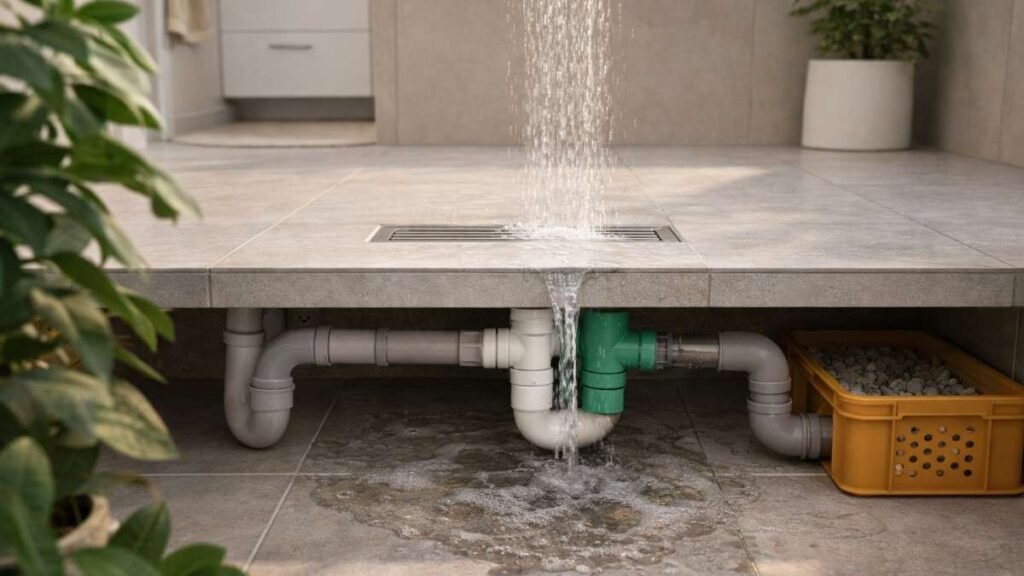
A few everyday habits at home can quietly waste more water than expected. That realization sparked a shift toward watering with greywater, turning routine activities like laundry and showers into a simple way to nourish the garden while conserving resources. It feels practical, efficient, and surprisingly easy to start once the basics are clear.
What Is Watering With Greywater
Understanding the concept is the first step toward using it safely and effectively.
What Counts As Greywater
Greywater refers to lightly used household wastewater from showers, baths, and laundry. It does not include toilet water, which is classified as blackwater and requires separate treatment. This type of water still contains small amounts of soap and organic matter, making it useful for irrigation when handled correctly.
Using greywater helps reduce freshwater demand and supports sustainable gardening practices. According to environmental research, it can significantly cut outdoor water use while maintaining healthy landscapes.
Why It Matters For Modern Homes
Water conservation is becoming essential, especially in regions facing shortages or rising utility costs. Reusing water that would otherwise go down the drain creates a more efficient household system.
Beyond saving money, greywater reuse contributes to environmental sustainability. It reduces strain on municipal water systems and promotes mindful consumption without requiring major lifestyle changes.
Core Rules For Safe Watering With Greywater
Following a few key principles ensures both plant health and safety.
Do Not Store Greywater
Greywater should be used within 24 hours to prevent bacterial growth and unpleasant odors. Fresh use keeps the water safe and effective for irrigation.
Storing greywater for longer periods can create hygiene risks and reduce its usability. A simple flow-through system works best for consistent results.
Avoid Contact With Edible Parts
Greywater should never be used on root vegetables or crops where the edible portion touches the water directly. This reduces the risk of contamination.
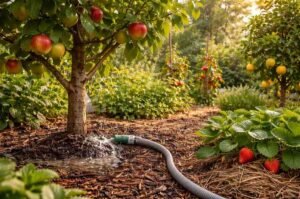
For edible gardening, it is safer to apply greywater only to fruit trees or plants where the edible part grows above ground and away from soil contact.
Apply Directly To Soil
Always apply greywater to the soil or mulch rather than spraying it. Surface irrigation prevents the spread of bacteria and improves water absorption. Avoid sprinklers or systems that create mist, as this can spread contaminants and reduce efficiency.
Benefits Of Watering With Greywater
This method offers both environmental and practical advantages.
Save Water And Reduce Bills
Reusing household water reduces dependence on freshwater sources. Many households notice a drop in water bills after adopting greywater systems.
Over time, even small changes can lead to substantial savings, especially in homes with gardens or outdoor sustainable landscaping.
Support Soil And Plant Health
Greywater contains trace nutrients that can benefit soil when used in moderation. It helps maintain moisture levels and supports plant growth.
However, balance is important. Rotating with freshwater occasionally helps prevent salt buildup and keeps soil structure healthy.
Choosing Plant Friendly Products
The products used at home directly affect how safe greywater is for plants.
Look For Low Sodium Options
High salt levels in detergents can damage soil and dehydrate plants. Choosing low-sodium products protects long-term soil health. Reading labels carefully can make a significant difference in how well your greywater system performs.
Avoid Boron And Harsh Chemicals
Boron is commonly found in cleaning products and can be toxic to plants even in small amounts. Similarly, bleach and strong chemicals should be avoided. Switching to gentle, plant-safe alternatives ensures that greywater remains beneficial rather than harmful.
Use Biodegradable Soaps
Biodegradable products break down naturally and reduce environmental impact. They are ideal for households practicing greywater reuse. These products also help maintain soil balance and support beneficial microorganisms.
Suitable Plants For Greywater Irrigation
Not all plants respond the same way to greywater, so choosing wisely is important.
Best Plants For Greywater Use
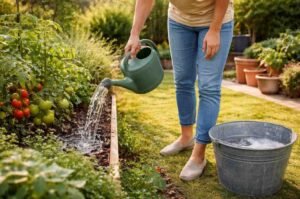
Large trees, fruit trees, shrubs, and established perennials are the most suitable. These plants are more resilient and can handle variations in water quality.
They also benefit from the consistent moisture that greywater provides, especially in dry climates.
Plants To Avoid
Sensitive plants like blueberries and azaleas may struggle due to the slightly alkaline nature of greywater. Seedlings and young plants are also too delicate for untreated greywater. Focusing on hardy, established plants ensures better results and fewer risks.
Common Systems For Watering With Greywater
Different systems allow you to adapt greywater use based on your home setup.
Manual Bucketing Method
This is the simplest approach, where water is collected manually from sinks or showers and used in the garden. It requires effort but no installation. It is a great starting point for beginners exploring greywater reuse.
Laundry To Landscape System
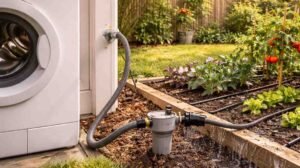
This popular system uses a washing machine pump to send water directly to outdoor areas. It is efficient and relatively easy to set up. It allows consistent irrigation without manual effort, making it ideal for regular use.
Branched Drain Systems
These systems use gravity to distribute greywater from sinks or showers into mulch basins around plants. They are low maintenance and effective for larger landscapes. They work best when designed properly to ensure even distribution and prevent pooling.
Follow These Step for Watering With Greywater
A simple step by step approach makes it easier to get started with confidence.
- Start by identifying a safe greywater source such as a shower or washing machine and ensure that only mild, biodegradable products are used.
- Set up a basic diversion system that directs water to your garden without storing it. Make sure the water flows directly into soil or mulch basins rather than collecting on the surface.
- Next, choose hardy plants like shrubs or fruit trees and begin applying greywater gradually. Observe how your soil responds and rotate with freshwater occasionally to prevent salt buildup.
- With time, refine your system by improving distribution and ensuring consistent flow, creating a sustainable and efficient irrigation routine.
Mistakes To Avoid In Watering With Greywater
Avoiding common errors helps maintain a healthy system.
Overusing One Area
Applying too much greywater in a single spot can damage soil and lead to waterlogging. Rotating watering areas helps maintain balance. Even distribution ensures that plants receive adequate moisture without negative effects.
Ignoring Maintenance
Greywater systems require occasional checks to ensure pipes, filters, and outlets remain clear. Neglecting maintenance can reduce efficiency. Simple inspections can keep the system running smoothly for years.
Using The Wrong Products
Harsh cleaning agents can undo the benefits of greywater use. Always prioritize plant-friendly options. Consistency in product choice is key to long-term success.
Frequently Asked Questions
1. Is it okay to water plants with gray water?
Yes, watering with greywater is safe for many plants when applied to soil and free from harsh chemicals.
2. Are there any downsides to using greywater?
Possible salt buildup and plant sensitivity if unsuitable detergents are used regularly.
3. Is grey water ok to drain on a yard?
Yes, as long as it is distributed properly and does not pool or create runoff issues.
4. Can you water your lawn with greywater?
Yes, established lawns can handle greywater if applied evenly and rotated with freshwater.
Wrapping Up With A Greener Perspective
Switching to watering with greywater is a practical step toward a more sustainable lifestyle. It reduces water waste, lowers bills, and supports healthier landscapes when done correctly. With mindful product choices and proper application, this simple habit can transform everyday water use into a long-term environmental benefit without adding complexity to daily routines.