
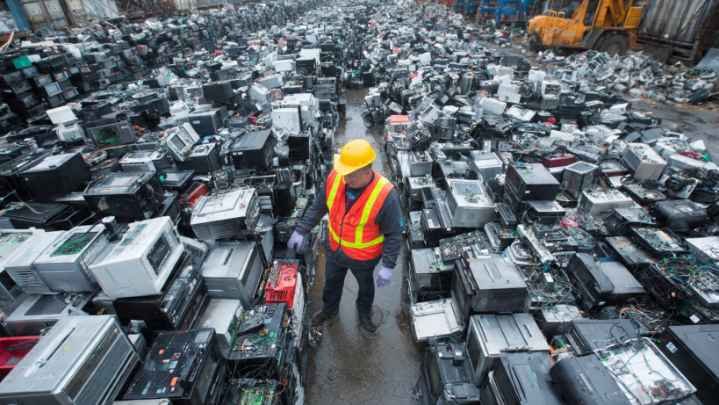
If you’re searching for where to dispose of electronic waste safely in the USA, you’re already taking an important step toward protecting both the environment and your personal data.
E-waste is one of the fastest-growing waste streams in the United States. Many people still donate or sell old electronics without checking proper recycling channels, but that can create serious risks. Devices often contain hazardous materials like lead, mercury, and cadmium, and improper disposal can also expose sensitive personal data if the device is not wiped correctly.
In this guide, I’ll walk you through exactly where you should dispose of e-waste safely in the USA, the most reliable programs available, and how to do it without risking the environment or your privacy.
Key Takeaways (Quick Summary)
- Always use certified e-waste recyclers or approved collection programs
- Avoid disposing electronics in regular trash or using informal scrap buyers
- Wipe or factory reset all devices before disposal to protect personal data
- Manufacturer take-back programs like Apple, Dell, HP, and Best Buy are reliable options
- Proper recycling helps prevent environmental pollution and data theft
Why Safe E-Waste Disposal in the USA Is Important
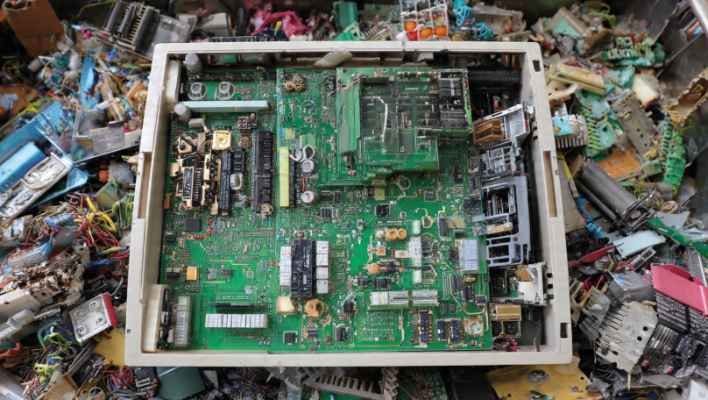
Electronic waste in the USA contains toxic materials that can severely harm the environment if not handled correctly. Items like lead, mercury, and flame retardants can leak into soil and water when dumped in landfills.
At the same time, electronic devices store sensitive data such as passwords, banking information, and personal files. If not properly erased, this data can be recovered and misused.
That’s why in the United States, federal and state regulations encourage recycling through certified programs rather than landfill disposal.
1. You Should Use Manufacturer Take-Back Programs
One of the safest and most reliable ways to dispose of electronic waste in the USA is through manufacturer take-back programs.
Many major brands follow Extended Producer Responsibility (EPR) guidelines and offer structured recycling options.
For example, Apple provides trade-in and recycling programs where you can return old iPhones, MacBooks, and accessories at Apple Stores or online. Dell offers free recycling for many of its products and even provides mail-back options. HP also runs recycling initiatives for printers and computers.
Retailers like Best Buy and Staples accept a wide range of electronics, including TVs, laptops, cables, and small appliances. These programs are convenient because they ensure your devices are processed in certified recycling facilities.
In my experience, manufacturer take-back programs are one of the most trustworthy and accessible disposal methods across the USA.
2. You Should Use Retail Drop-Off Recycling Programs
Another simple option is retail drop-off programs available across the country.
Best Buy is one of the largest e-waste recyclers in the USA, accepting items like laptops, printers, smartphones, and even large TVs. Staples also provides recycling services for electronics and office equipment.
Some stores may charge a small fee for certain items like monitors or televisions, but the process is straightforward and secure.
These retail programs are widely available and make it easy for households to dispose of electronics responsibly without needing specialized services.
3. You Should Book Certified E-Waste Pickup Services
If you have large or multiple electronics, you should consider certified pickup services.
Companies like ERI (Electronic Recyclers International), LoadUp, and Greentec provide doorstep pickup and certified recycling across many US states. These services are especially useful for offices, bulk disposal, or bulky appliances.
Many of these providers also issue certificates of data destruction, which is important for businesses handling sensitive information.
From my experience, pickup services are one of the most convenient ways to manage large-scale e-waste responsibly.
4. You Should Use Local Government E-Waste Collection Centers
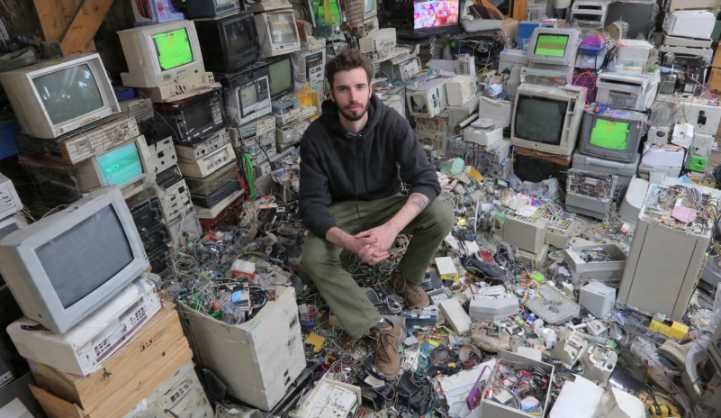
Most US states and cities have dedicated electronic waste collection centers or recycling events.
For example, California has strict e-waste laws and operates certified recycling centers statewide. Many counties also host periodic “E-Waste Collection Events” where residents can drop off electronics for free or low cost.
You can easily find nearby facilities using resources like Earth911 or your local city waste management website.
These centers ensure your electronics are dismantled and recycled according to environmental regulations.
5. You Should Participate in Community Recycling Events
Across the USA, many NGOs, local governments, and environmental organizations organize e-waste recycling drives.
These events are usually held in schools, community centers, or public spaces and are designed to encourage responsible recycling.
They are especially useful if you want a quick and free way to dispose of old electronics while supporting sustainability initiatives in your community.
6. You Should Avoid Unsafe Disposal Methods
Many people still make the mistake of throwing electronics in regular trash or selling them to informal recyclers.
In the USA, disposing of e-waste in household garbage is illegal in several states, including California, New York, and Washington. It can result in environmental fines and contamination issues.
You should also avoid unverified scrap buyers who may not follow proper recycling standards or data destruction procedures.
If you’re serious about safety, you should always stick to certified recyclers or authorized programs.
Common Types of E-Waste You Should Dispose of Properly
Electronic waste in the USA includes a wide range of devices.
You should properly dispose of smartphones, laptops, desktop computers, printers, tablets, televisions, gaming consoles, and household appliances like microwaves and refrigerators.
Even smaller items like chargers, headphones, and batteries are considered e-waste and should not be thrown in regular trash.
Understanding what qualifies as e-waste helps you make better disposal decisions.
Safety Tips You Should Follow Before Disposing of E-Waste
Before you dispose of any electronic device, you should take a few important precautions.
You should always back up and erase your data by performing a factory reset or using certified data-wiping software. For extra security, you can remove storage drives like SSDs or hard drives if possible.
You should also remove batteries when applicable, especially lithium-ion batteries, as they can pose fire risks if damaged.
Avoid dismantling devices yourself because internal components can be hazardous if handled incorrectly.
These simple steps help ensure both safety and data protection.
Environmental Benefits of Proper E-Waste Disposal in the USA
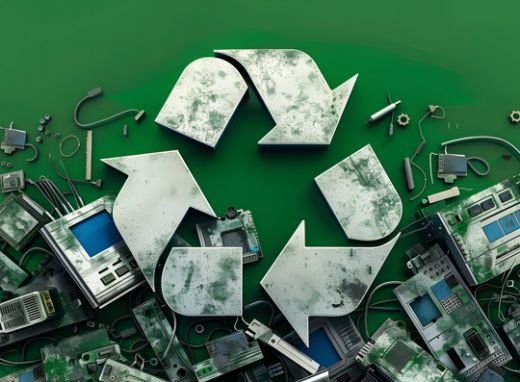
When you dispose of electronic waste correctly, you are contributing to a much larger environmental impact.
Proper recycling allows recovery of valuable materials like gold, silver, copper, and aluminum, which reduces the need for mining new resources. It also prevents toxic chemicals from entering landfills and water systems.
In addition, responsible e-waste management supports a circular economy where materials are reused instead of discarded.
Over time, this significantly reduces environmental pollution and resource depletion.
Frequently Asked Questions
1. Where should you dispose of electronic waste safely in the USA?
You should use certified recyclers, manufacturer take-back programs, or retail drop-off centers like Best Buy and Staples.
2. Can you throw electronics in the trash in the USA?
In many states, it is illegal to dispose of electronics in regular trash due to environmental regulations.
3. What is the safest way to prepare electronics for disposal?
You should wipe all personal data, perform a factory reset, and remove storage drives if possible.
4. Are Best Buy and Staples e-waste programs safe?
Yes, both companies use certified recycling partners that follow US environmental standards.
5. Why is e-waste dangerous in the USA?
It contains toxic materials and sensitive data that can harm the environment and compromise privacy if not handled properly.
Make Responsible E-Waste Disposal a Habit
Disposing of electronic waste safely in the USA is not complicated—it just requires awareness and the right choices.
You should always prefer certified recyclers, manufacturer programs, or retail drop-off services instead of unsafe disposal methods. By doing so, you protect both your personal data and the environment.
The goal is simple : best recycling practices for businesses responsible recycling today leads to a cleaner and safer tomorrow.