I still remember the first time I tried starting a garden. I bought seeds, picked a random corner in my backyard, watered everything daily… and watched most of it struggle. That’s when I realized I wasn’t missing effort—I was missing the right approach.
When I discovered organic gardening for beginners, everything shifted. Instead of forcing plants to grow, I learned how to support them naturally. The moment I focused on soil, sunlight, and simple systems, my garden stopped feeling like a guessing game and started working with me.
If you’re just getting started, this isn’t another complicated guide. This is the exact step-by-step process that helped me go from confusion to actually growing healthy, thriving plants—without chemicals, stress, or wasted time.
What Is Organic Gardening and Why Should Beginners Care?
Organic gardening is the practice of growing plants in harmony with nature by feeding the soil instead of relying on synthetic fertilizers or pesticides .
When I shifted to this method, I noticed something important. My plants didn’t just grow—they became stronger with less effort. Instead of constantly fixing problems, I built a system where the soil, plants, and environment supported each other.
For beginners, this approach removes stress. You don’t need constant intervention. You just need the right foundation.
How to Start Organic Gardening for Beginners at Home
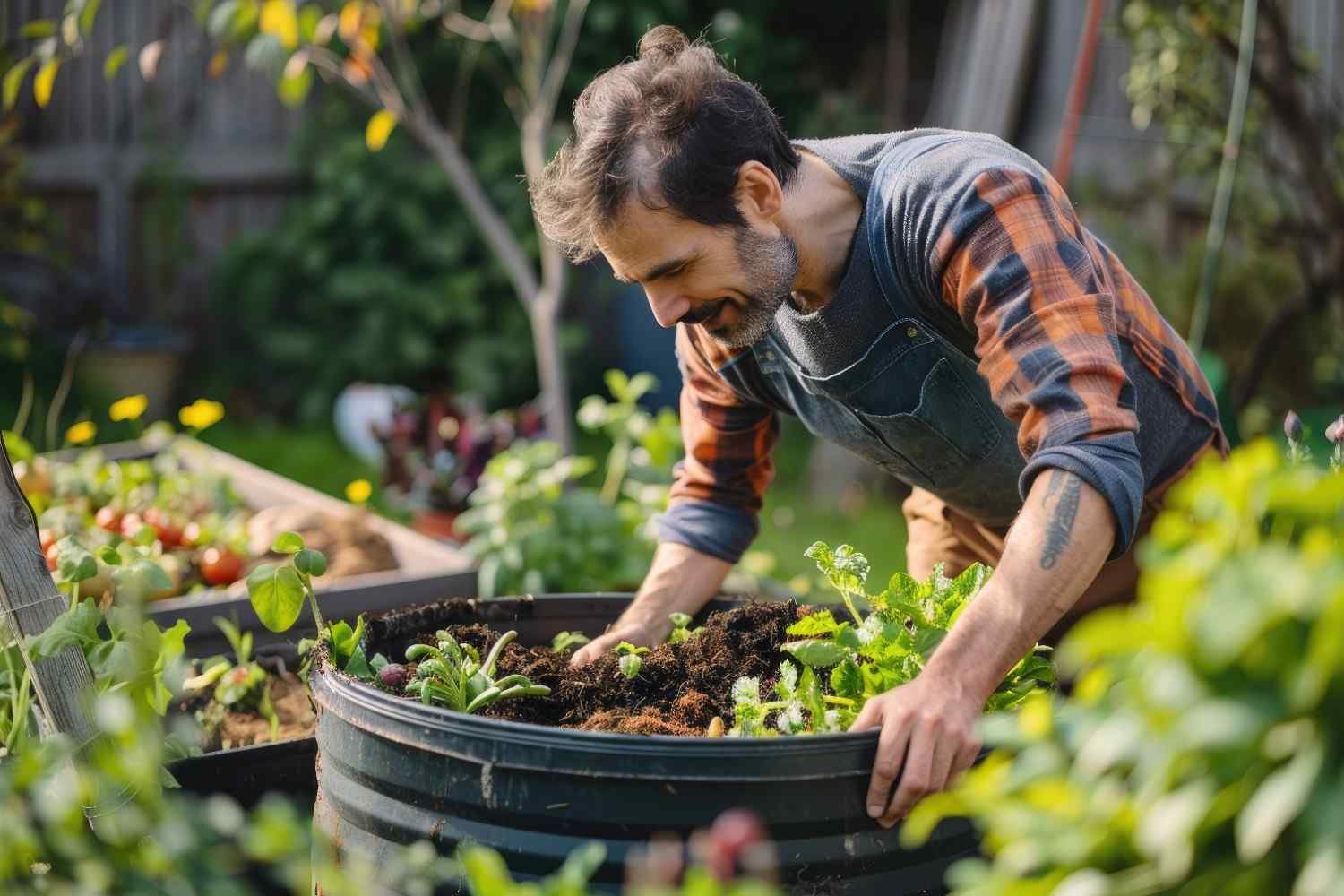
Starting felt overwhelming until I simplified everything into a few core steps. I focused on location, soil, and plant choice instead of trying to do everything at once.
First, I picked a spot that received at least six to eight hours of direct sunlight. Without proper sunlight, even the best soil won’t help.
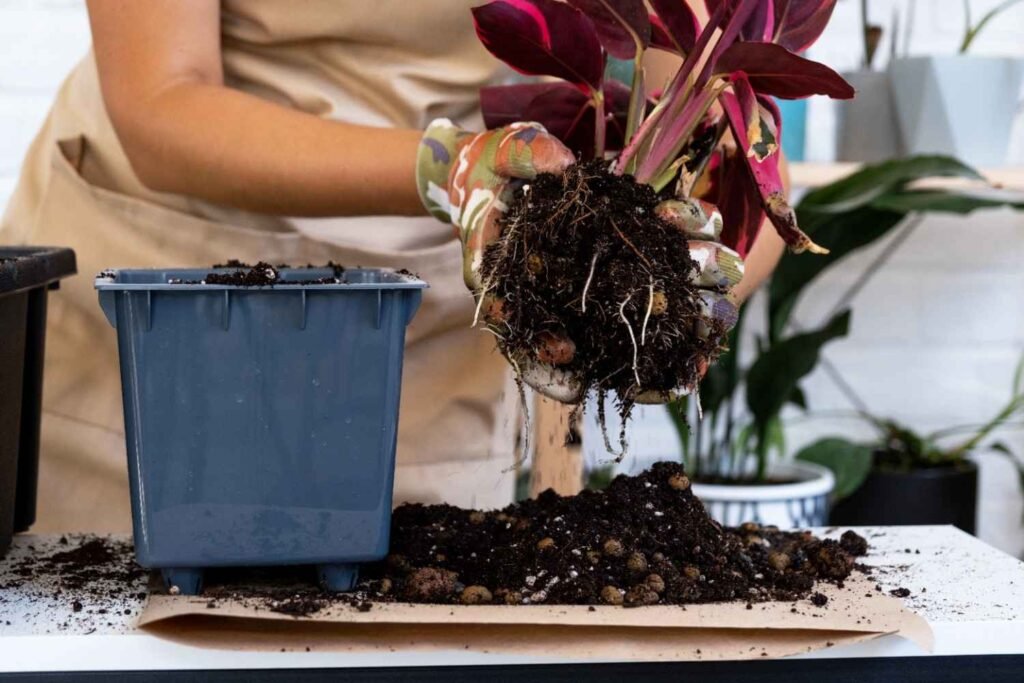
Then I tested and improved my soil. Ideally, soil pH should fall between 6.0 and 7.0. I used compost, aged manure, and organic matter to improve structure and fertility instead of synthetic inputs.
Raised beds made things easier for me because they offered better drainage and fewer weeds. If space is limited, container gardening works just as well.
Once I had these basics in place, everything else became manageable.
Why Soil Health Is the Most Important Factor in Organic Gardening
Soil is not just dirt—it’s a living system. That’s something I didn’t understand at first.
When I started adding compost and organic matter regularly, I saw better plant growth without needing fertilizers. Healthy soil holds moisture, supports beneficial microbes, and naturally feeds plants.
Testing soil through a local Extension Service helped me understand what my garden actually needed instead of guessing.
Once your soil improves, your garden becomes easier to maintain year after year.
How to Choose the Right Plants and Seeds for Beginners
Choosing the right plants made a bigger difference than I expected.
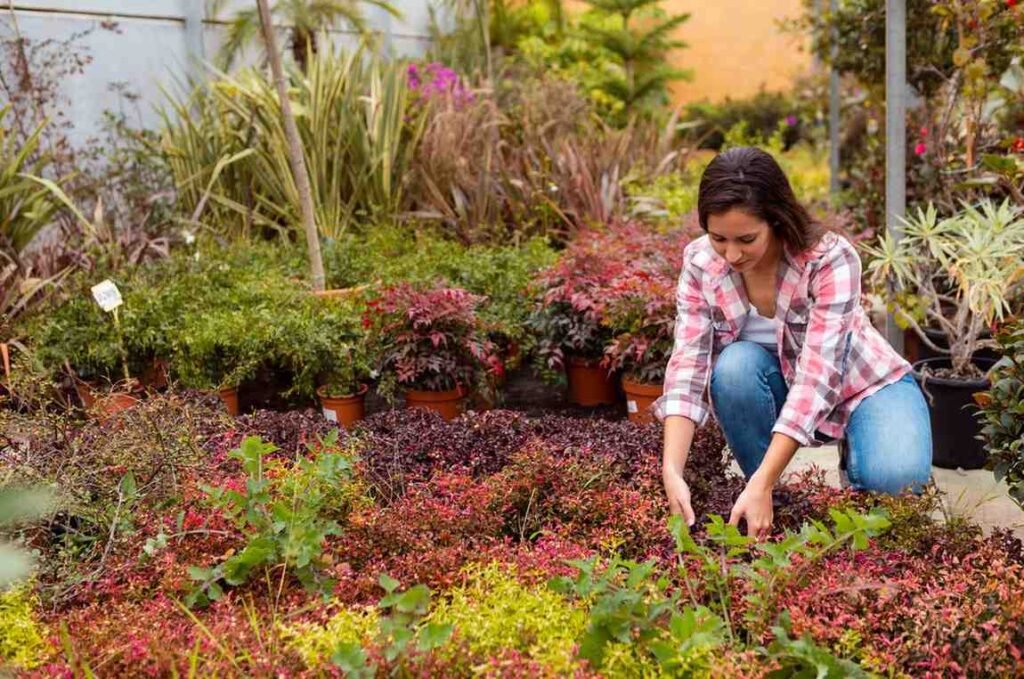
I started with USDA Certified Organic seeds to ensure they weren’t treated with synthetic chemicals . I also paid attention to my USDA Plant Hardiness Zone, which helped me select plants suited to my local climate.
For beginners, I found success with simple crops like lettuce, cherry tomatoes, cucumbers, radishes, and herbs such as basil and mint.
These plants grow quickly, which builds confidence and keeps you motivated to continue.
How Much Sunlight Does an Organic Garden Need?
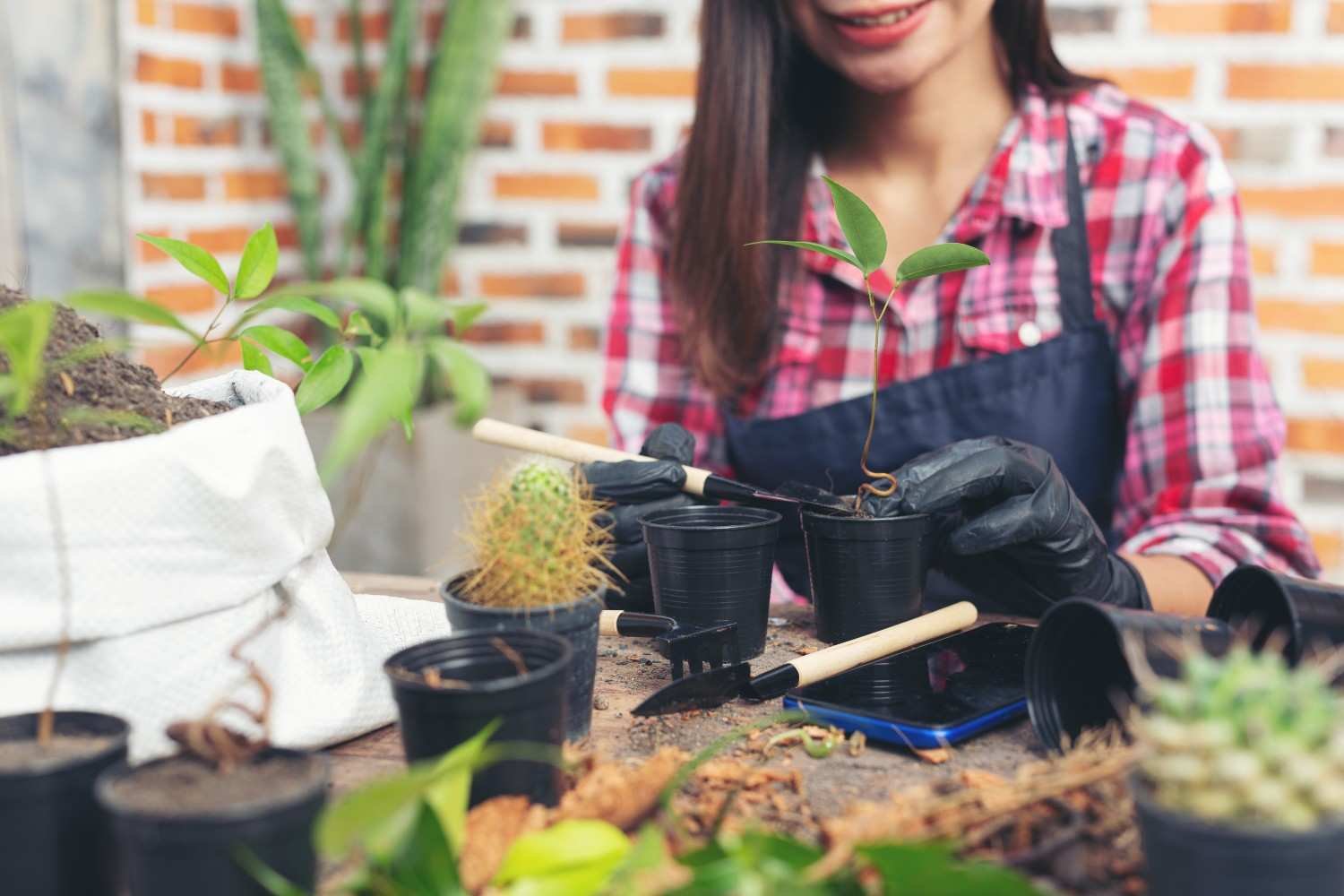
Most vegetables need at least six to eight hours of direct sunlight daily . I learned this the hard way when my first plants struggled in partial shade.
If you don’t have full sunlight, you can still grow herbs or leafy greens. Containers also give you flexibility to move plants based on light availability.
Sunlight directly impacts plant growth, yield, and overall health, so getting this right from the start saves a lot of frustration.
How to Maintain an Organic Garden Without Chemicals
Maintenance is where organic gardening becomes powerful. Instead of reacting to problems, I focused on prevention.
I watered deeply in the morning to encourage strong root growth and reduce fungal issues. Adding a two to three-inch layer of mulch helped retain moisture and suppress weeds.
For pest control, I relied on natural methods. Companion planting worked well—for example, planting marigolds near tomatoes helped deter pests. I also encouraged beneficial insects like ladybugs and lacewings, which naturally control harmful bugs.
Crop rotation became essential over time. By changing plant locations each season, I avoided soil depletion and reduced disease buildup.
These small habits made my garden more resilient without using chemicals.
What Tools Do Beginners Actually Need for Organic Gardening?
You don’t need a complicated setup to start. I began with just a few essential tools.
A hand trowel helped with planting and transplanting. A garden fork made it easier to turn soil without damaging its structure. Pruning shears allowed me to trim and harvest efficiently.
Gloves protected my hands, and a watering can with an adjustable nozzle helped control water flow.
Starting simple saved money and kept my focus on learning the process rather than buying equipment.
Common Organic Gardening Mistakes Beginners Should Avoid
One of the biggest mistakes I made was trying to do too much too soon. Starting small made everything easier to manage.
Ignoring soil quality is another common issue. Without healthy soil, plants struggle no matter what you do.
Overwatering plants can damage roots, while poor sunlight limits growth. Many beginners also expect instant results, but organic gardening improves gradually over time.
Once I focused on consistency instead of perfection, I started seeing real progress.
How Long Does It Take to See Results in Organic Gardening?
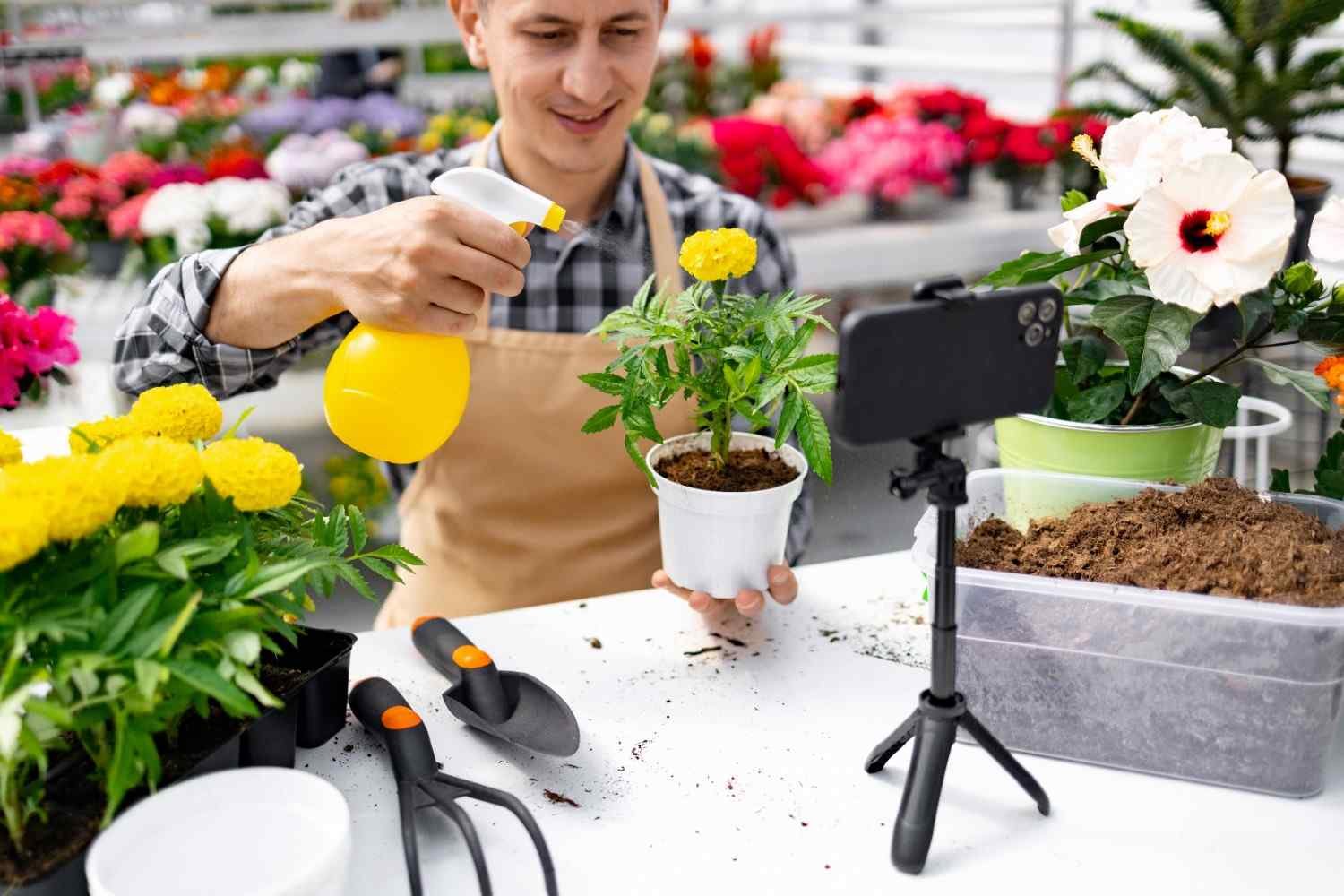
Organic gardening rewards patience.
Leafy greens can grow within weeks, while vegetables like tomatoes take longer. The real transformation happens over seasons as soil quality improves.
The more consistent you are, the more your garden begins to sustain itself.
FAQs About Organic Gardening for Beginners
1. What is the easiest way to start organic gardening for beginners?
Start with a sunny location, improve your soil using compost, and grow beginner-friendly plants like lettuce or herbs.
2. Do I need special soil for organic gardening?
Yes, organic gardening relies on nutrient-rich soil. Adding compost and maintaining proper pH levels is essential.
3. How do I control pests naturally in organic gardening?
Use companion planting, encourage beneficial insects, and apply natural solutions like neem oil when needed.
4. Can I do organic gardening in small spaces?
Yes, container gardening works well for beginners and allows flexibility in limited spaces.
Final Thoughts That Actually Matter
If I had to simplify everything about organic gardening for beginners, I would say this: focus on the basics, trust the process, and stay consistent.
You don’t need a perfect garden to start. You just need a simple system that works and the patience to let nature do its job.
Once your first harvest comes in, everything changes. Gardening stops feeling complicated and starts feeling natural.