
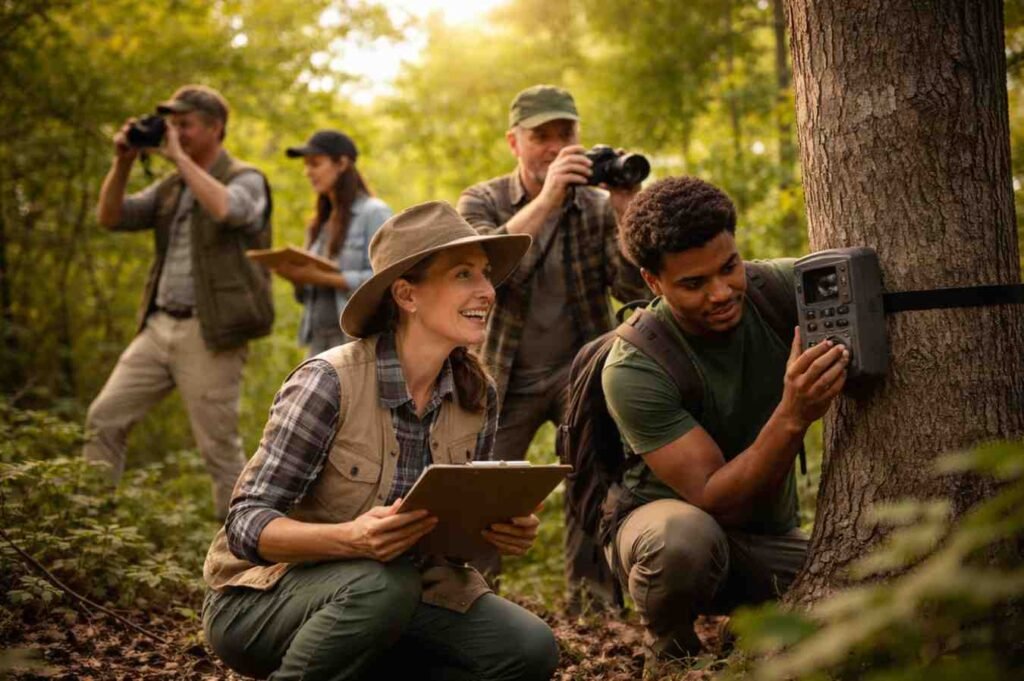
Wildlife conservation used to look very different. Protected areas were fenced, maps were drawn, and people were pushed out in the name of preservation. On paper, it seemed logical to remove human pressure, and nature would recover. But reality unfolded differently. Landscapes without local custodians often became vulnerable, underfunded, and disconnected from the people who knew them best.
Over time, conservationists began to recognize something fundamental: wildlife does not exist separately from human life. Ecosystems are lived-in spaces. Forest edges, grasslands, wetlands, and migration corridors are shared environments. And the people who live closest to wildlife are not obstacles to conservation; they are its most constant presence. That shift in understanding is why the role of local communities in wildlife conservation now sits at the center of modern biodiversity protection.
From Fortress Conservation To Community Stewardship
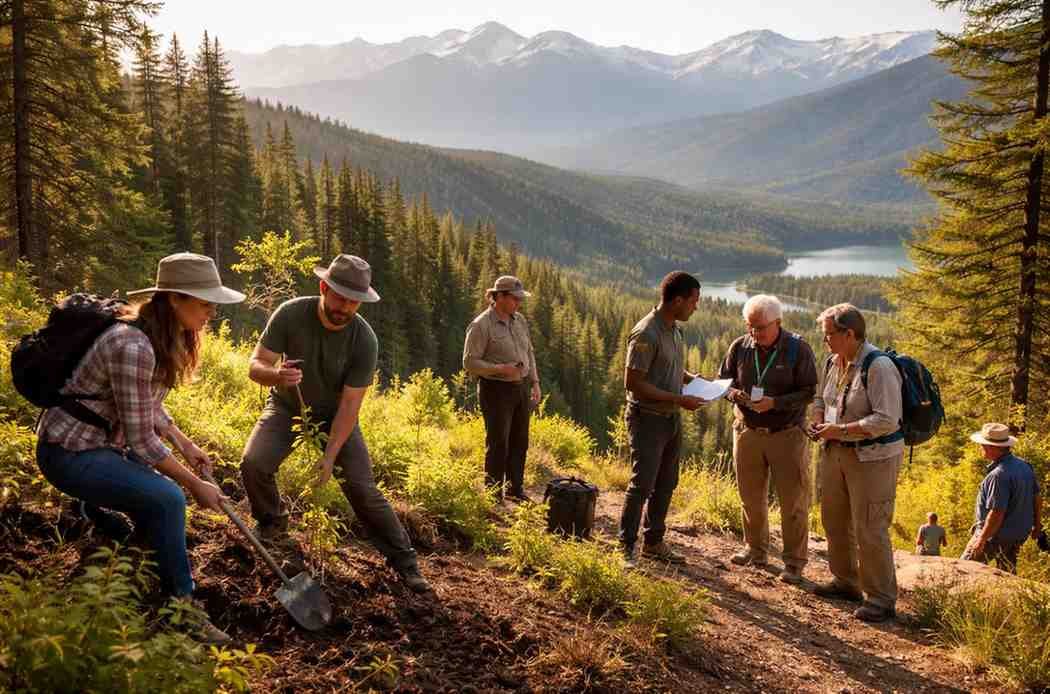
The older conservation model often treated people as external threats. Protected areas were governed remotely, and enforcement relied on outside agencies. While this approach did create protected landscapes, it also produced displacement, resentment, and weak long-term protection. Without local ownership, conservation became dependent on continuous external funding and enforcement.
Community-led conservation reframed this relationship. Instead of exclusion, it emphasized stewardship. Local councils, tribal leadership structures, and community groups began participating in land management decisions. Conservation moved from being imposed to being lived.
Today, many successful biodiversity programs operate through co-management and shared governance between conservation organizations and resident communities. This approach recognizes that sustainable protection rarely comes from isolation. It grows from belonging, responsibility, and continuity.
Local People Are The Frontline Guardians Of Wildlife
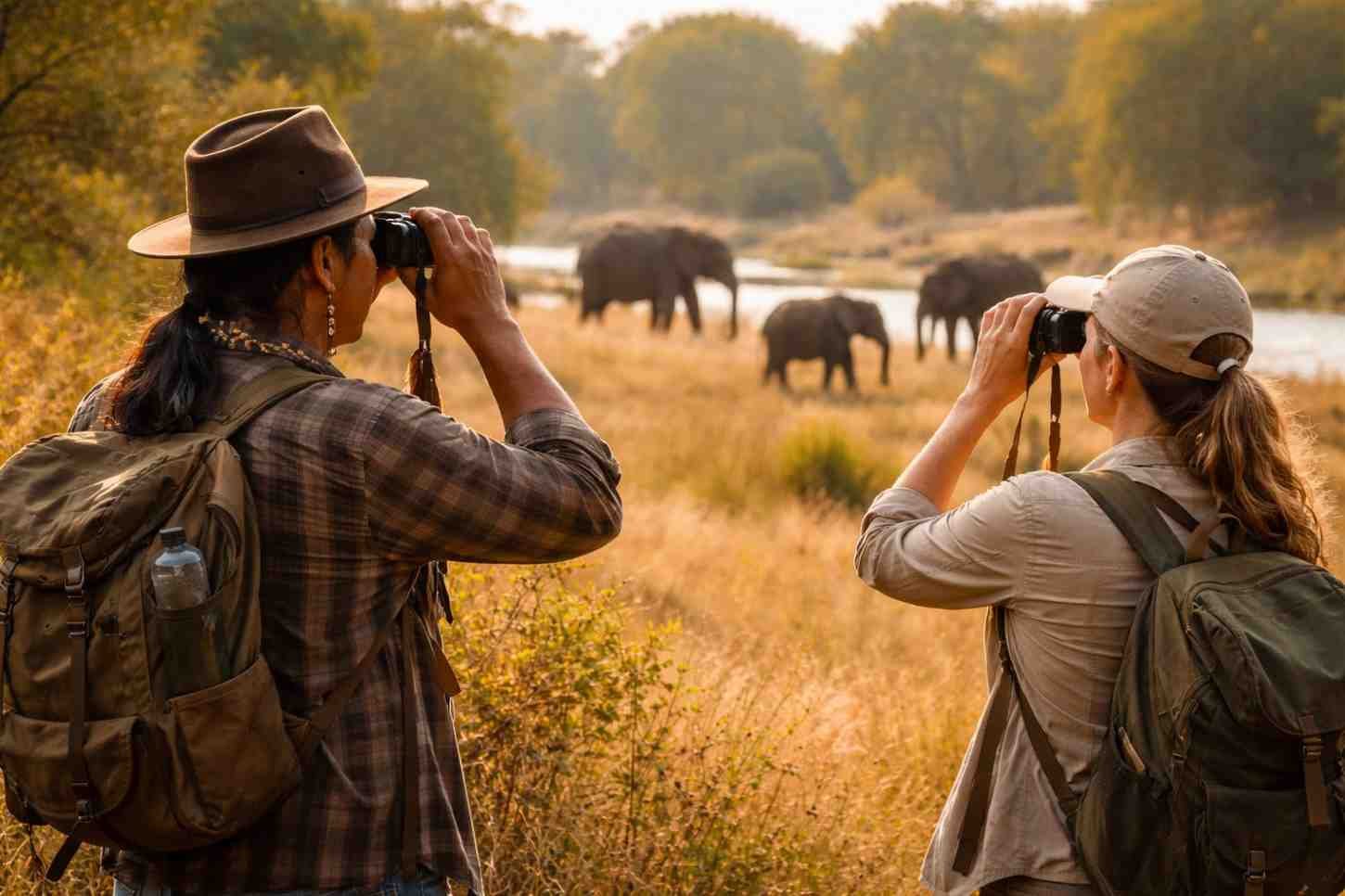
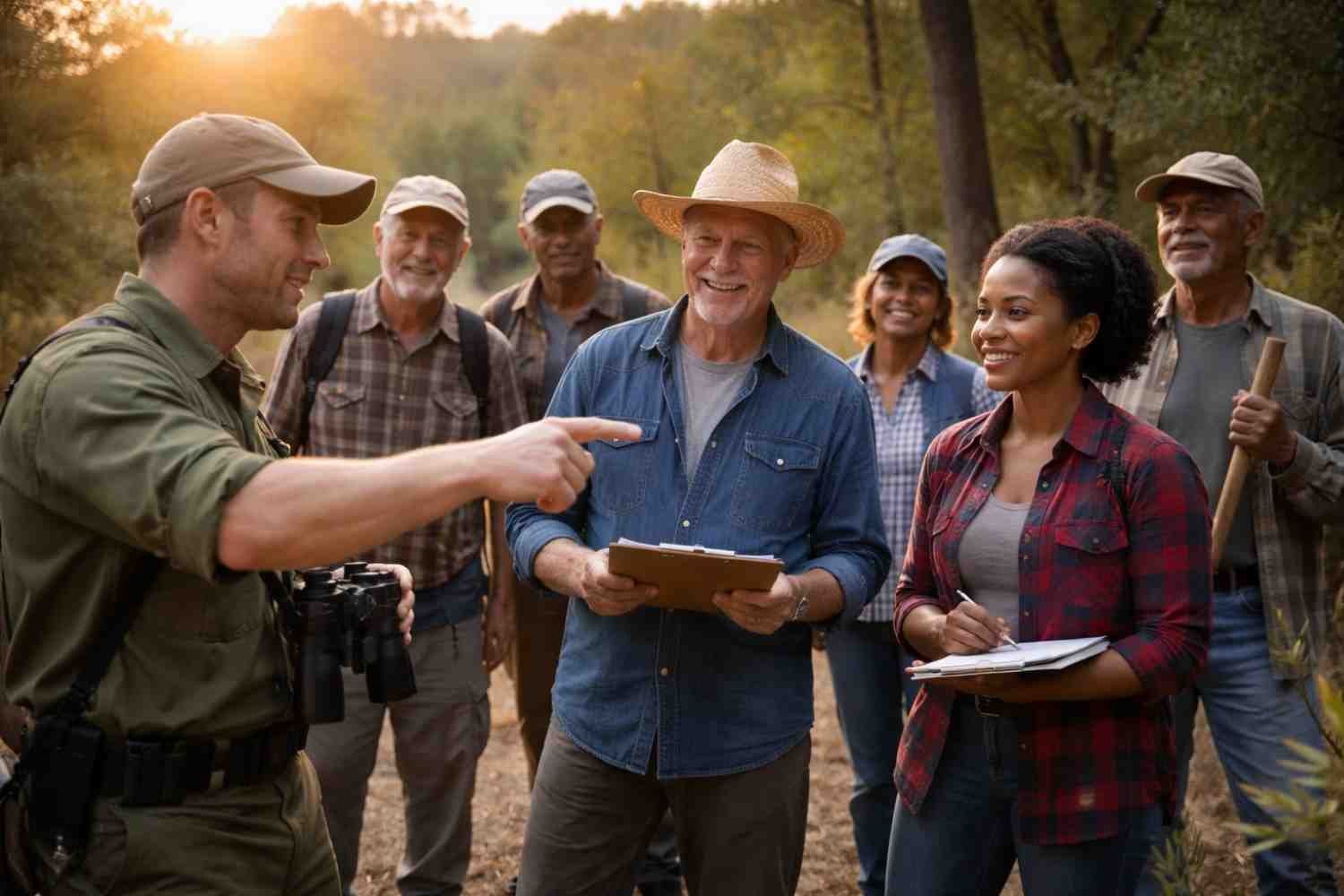
Conservation strategies and funding may originate elsewhere, but daily protection happens locally. Communities living near forests, savannas, or coastal ecosystems observe environmental change long before formal monitoring systems detect it. They notice migration timing shifts, unusual animal movement, water availability changes, and habitat disturbances.
Their role becomes especially clear in protection and monitoring:
- Local wildlife scouts track movements and threats more accurately because they know terrain patterns intimately
- Residents distinguish normal subsistence activity from suspicious intrusion
- Traditional ecological knowledge preserves seasonal and behavioral insights built over generations
Indigenous and long-resident communities often hold ecological knowledge that scientific studies later confirm, such as migration cycles, breeding seasons, fire ecology, and plant-animal relationships. This knowledge is not theoretical; it is experiential, accumulated through lived interaction with landscapes.
When conservation integrates this knowledge, monitoring becomes continuous rather than periodic. Wildlife protection stops being an occasional intervention and becomes a daily practice embedded in community life.
Reducing Human: Wildlife Conflict Through Shared Incentives
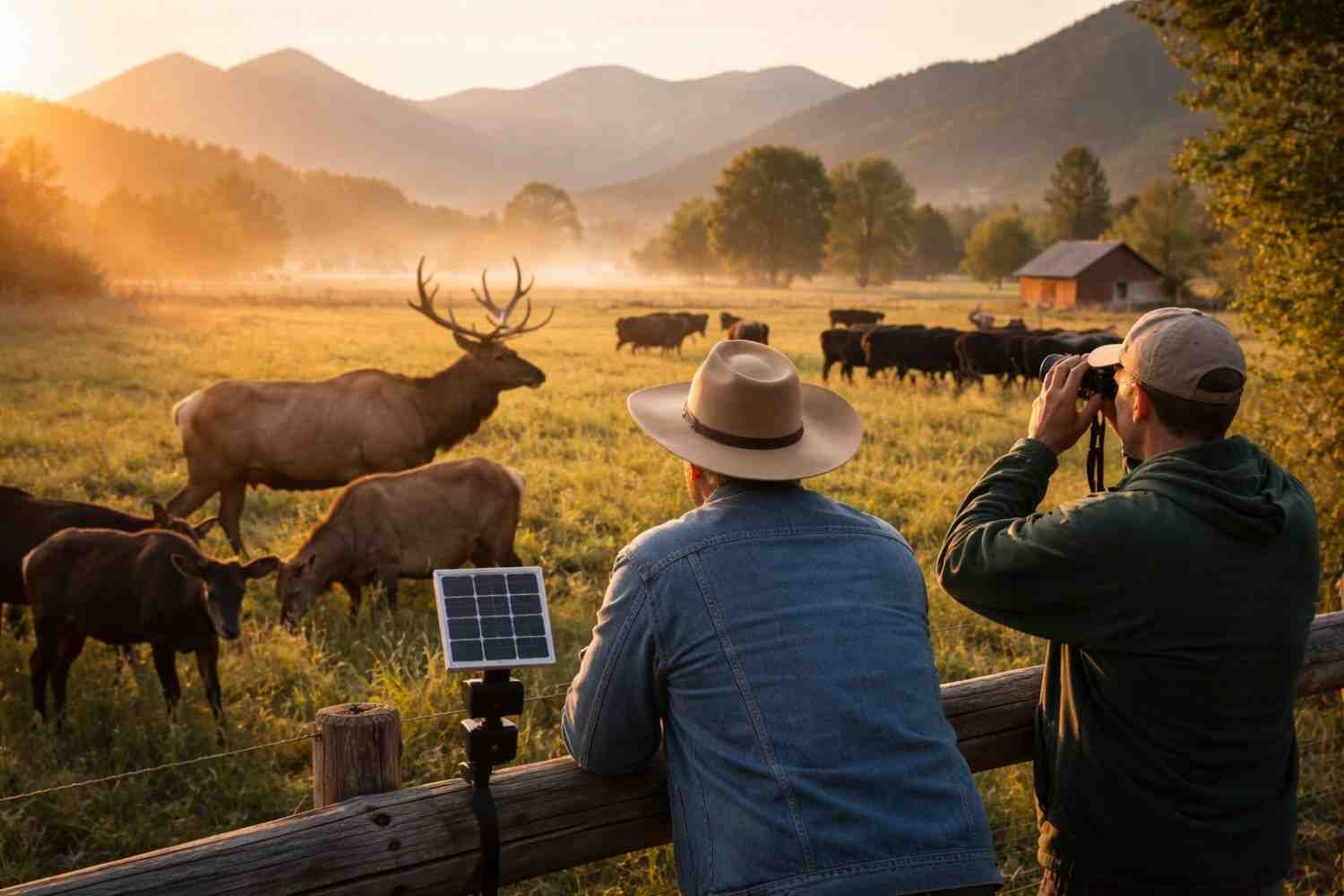
As settlements expand and habitats fragment, encounters between people and wildlife become more frequent. Crop damage, livestock predation, and safety risks create tension. If wildlife represents only loss, protection efforts face constant resistance.
Community-based conservation changes that perception by aligning ecological and economic value. When communities benefit from wildlife presence through tourism partnerships, habitat restoration employment, or conservation payments, animals shift from liability to a shared asset.
Local initiatives often provide the most durable coexistence strategies. Communities design and maintain solutions suited to their landscapes and livelihoods: predator-resistant enclosures, crop-selection buffers, seasonal grazing adjustments, or early-warning systems based on movement patterns. These measures persist because they are owned, maintained, and adapted locally rather than imposed externally.
This shift from conflict to coexistence is one of the strongest reasons the role of local communities in wildlife conservation has become indispensable.
Land Rights And Conservation Success Are Closely Linked
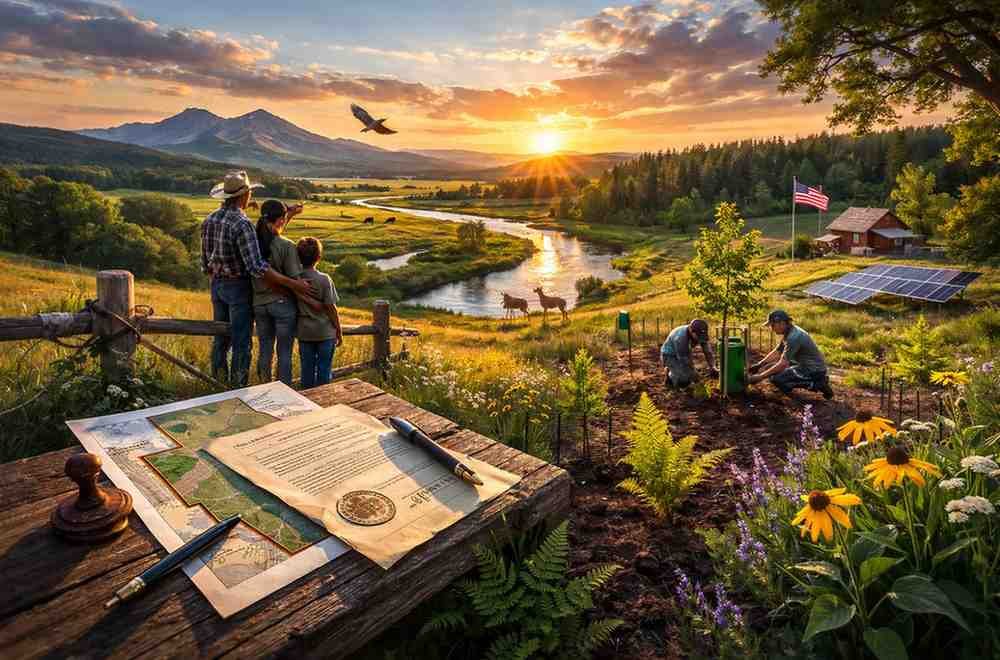
A large share of the remaining global biodiversity lies on lands traditionally managed by Indigenous and local populations. Where communities retain governance authority, the impact of habitat loss and ecosystems often remains intact through customary stewardship practices, rotational use, sacred protection zones, seasonal harvesting limits, and cultural taboos that regulate resource extraction.
The contrast between externally controlled conservation and community-led stewardship is stark:
| Aspect | Fortress Conservation | Community-Led Conservation |
| Authority | Central agencies | Local councils and elders |
| Social impact | Displacement, exclusion | Cultural continuity |
| Sustainability | Dependent on funding | Embedded in livelihoods |
| Conservation ownership | External | Local |
When land rights are recognized, conservation aligns with identity, culture, and livelihood. Protection becomes self-reinforcing rather than externally enforced.
Communities As The Strongest Barrier To Wildlife Crime
Illegal wildlife trade operates through networks that often target economically vulnerable rural regions. Where communities lack alternatives, poaching can become a survival strategy rather than organized crime participation.
Economic empowerment fundamentally changes this dynamic. When conservation generates income through tourism, restoration work, sustainable harvesting, or ecosystem services, wildlife survival directly supports community wellbeing. Incentives shift from extraction to protection.
In many conservation areas, local reporting and community ranger programs have proven more effective than external patrols alone. This illustrates how conservation success depends not only on regulation but on social alignment.
The Real Shift: Conservation As A Human Relationship
The most important change is philosophical. Conservation is no longer viewed only as protecting species or habitats. It is understood as shaping relationships between people and nature.
Where communities are excluded, conservation remains fragile. Where communities are engaged, it becomes resilient. Wildlife survival then connects to livelihood, culture, and identity rather than external enforcement.
This is the deeper reason the role of local communities in wildlife conservation has become central. Biodiversity protection is no longer separate from human systems. It is embedded within them.
FAQs: Why The Role Of Local Communities In Wildlife Conservation Is More Important Than Ever
1. Why are local communities important in wildlife conservation?
Local communities live closest to ecosystems and interact with wildlife daily. Their knowledge, monitoring presence, and stewardship practices provide continuous protection that external agencies cannot sustain alone.
2. How does community-based conservation reduce poaching?
When communities gain economic and social benefits from wildlife survival, incentives shift away from poaching. Residents then become active protectors and reporters of illegal activity.
3. What is traditional ecological knowledge in conservation?
Traditional ecological knowledge refers to environmental understanding developed through generations of lived interaction with landscapes. It includes species behavior, seasonal cycles, and sustainable resource use practices.
4. Does conservation work better with community involvement?
Yes. Evidence shows conservation outcomes improve when communities share governance, benefits, and responsibility. Local ownership increases long-term sustainability and compliance.
Final Thoughts
Wildlife conservation has gradually moved from fences and enforcement toward relationships and responsibility. The landscapes where biodiversity still thrives are rarely empty; they are inhabited, used, and culturally connected to people who understand them deeply. When conservation recognizes this reality, protection becomes continuous rather than episodic. Communities shift from being seen as pressures on ecosystems to being acknowledged as their most enduring custodians.
The future of biodiversity depends less on isolating nature and more on supporting those who live alongside it. Where communities thrive with wildlife, conservation endures.