The better cities were mostly about adding a few parks, planting more trees, and calling it progress. The more I studied how neighborhoods actually function, the more I realized real change comes from how people move, how buildings perform, how streets stay cool, and how public spaces support daily life. That is why The Future of Green Cities feels less like a trend to me and more like a practical blueprint for healthier, more resilient communities.
Why Green Cities Are Becoming the New Urban Standard
Cities are under pressure from rising heat, heavier rainfall, aging infrastructure, traffic congestion, and higher energy demand. A greener city responds to all of those challenges at once instead of treating them as separate problems. It blends cleaner transportation, efficient buildings, shaded public spaces, better drainage, and smarter land use into one connected system.
What matters most is that this shift is no longer just about environmental messaging. It is about comfort, safety, cost control, and long-term livability. When a city lowers street temperatures, improves transit access, and reduces energy waste in buildings, people feel the difference in everyday routines.
What Better Transportation Looks Like
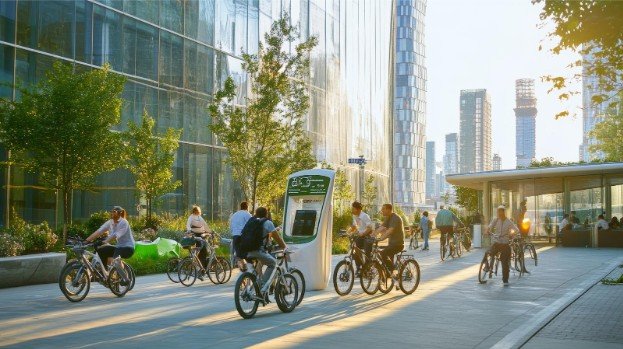
A greener city is easier to move through without depending on a car for every short trip. That usually means safer sidewalks, protected bike lanes, more reliable buses, stronger rail connections, and better last-mile options. Streets that support walking, biking, and transit tend to reduce congestion while making neighborhoods feel more connected.
I think this is one of the biggest changes ahead because transportation affects almost everything else. It shapes air quality, commute stress, fuel spending, and how much public space gets dedicated to parking instead of people. The strongest city plans now treat mobility as a quality-of-life issue, not just an engineering issue.
Transit, Electrification, and Daily Convenience
The next generation of city planning will likely focus on making low-emission travel feel easier, not harder. Electric buses, charging networks, cleaner fleets, and better route design all help. But convenience matters just as much as technology. If the trip is reliable, safe, and simple, people are far more willing to change habits.
How Buildings Will Carry More of the Load
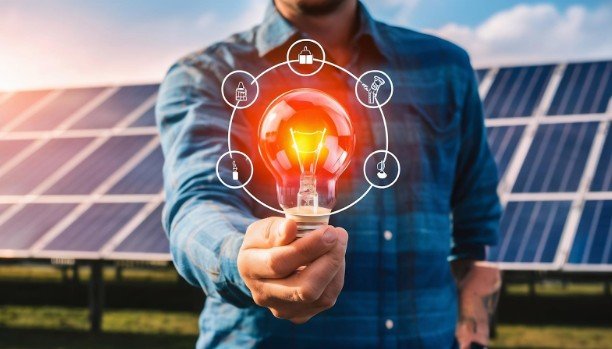
Buildings shape how much energy a city uses, how comfortable people feel indoors, and how well communities handle extreme weather. Efficient buildings can lower operating costs, improve comfort, and support a more reliable energy system when paired with smart controls and better design.
I have noticed that many people talk about green cities as if the conversation begins outside, but a lot of progress actually starts inside homes, schools, offices, and apartment buildings. Better insulation, efficient cooling systems, smarter lighting, and flexible energy use can quietly change how a city performs without changing its identity.
Why Trees, Shade, and Green Infrastructure Matter
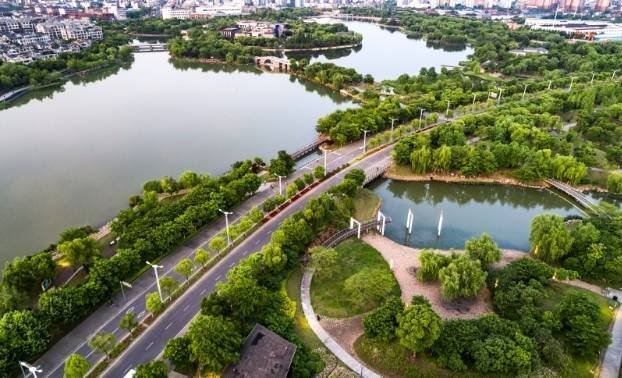
Some of the most valuable upgrades are also the most visible. Trees, green roofs, rain gardens, and planted corridors do more than make a place look attractive. They help cool surrounding areas, manage stormwater, improve neighborhood comfort, and support healthier public spaces.
This is where city design becomes personal. A shaded sidewalk invites walking. A cooler block feels safer during hot months. A park that doubles as stormwater relief becomes more than a nice feature, supporting eco-friendly commuting options in everyday life.
It becomes working infrastructure. In many ways, The Future of Green Cities depends on these visible systems because they show people that sustainability can improve daily life right away.
Why Equity Will Decide What Actually Works
A city cannot call itself green if the benefits only reach a few neighborhoods. Strong urban planning has to think about who gets the cleaner transit, who has access to shade, which areas flood first, and where energy burdens are highest. Without that lens, even smart projects can leave deeper problems untouched.
To me, this is where the conversation becomes more honest. The best city ideas are not only innovative. They are distributed fairly. They reach older neighborhoods, low income households, renters, and communities that have dealt with poor air quality or weak infrastructure for years.
How Daily Life Could Feel Different by 2035

The future city experience will probably feel less dramatic than many people expect. It may simply feel calmer and more efficient. Commutes could be shorter and less stressful. Streets may feel cooler because of shade and surface changes.
Buildings may cost less to run because they waste less energy. Public spaces may do more jobs at once, serving as gathering areas, cooling zones, and flood buffers. That is what makes this topic so compelling to me.
The goal is not to build a futuristic fantasy. The goal is to create neighborhoods that function better for ordinary life. When planners and communities focus on that, the results become easier to support and easier to scale.
Frequently Asked Questions
1. What is The Future of Green Cities really about?
It is about designing neighborhoods that use energy better, move people more efficiently, reduce heat, manage water smarter, and create healthier daily living conditions.
2. Do green cities only focus on parks and trees?
No. Parks and trees matter, but the bigger picture includes transit, building efficiency, stormwater design, street safety, housing access, and resilience planning.
3. Can older cities still become greener?
Yes. Many improvements can happen through retrofits, street redesign, zoning updates, building upgrades, and targeted neighborhood investments rather than full rebuilds.
Where This Shift Leads Next
I do not see greener cities as a far-off idea anymore. I see them as the next practical step in building places that work better for real people. When cleaner mobility, better buildings, cooler streets, and fairer planning come together, cities become easier to live in and stronger over time. That is the direction I believe matters most, and it is why this topic will only grow in importance.