By paying closer attention to my daily travel habits, I realized my commute shaped more than my schedule. It affected my budget, energy level, and even how stressed I felt before the workday began. Eco-Friendly Commuting Options are not just about lowering emissions.
They can also help you spend less on fuel, avoid wear on your car, and build a routine that feels healthier and easier to maintain. The good news is that you do not need a perfect setup to make meaningful changes. Even one or two smarter swaps each week can make a real difference.
Why Your Commute Matters More Than You Think
Your commute is one of the most repeated parts of your week, so small decisions add up quickly. A short drive done five days a week turns into hundreds of trips each year. That is why changing how you travel can have an outsized impact on your monthly spending and environmental footprint.
For me, the biggest mindset shift was realizing that a greener commute does not have to be extreme. It can be as simple as combining errands, driving less often, or mixing different travel methods depending on the day. That flexibility matters because not every schedule, neighborhood, or season supports the same option year-round.
Walking and Biking Are the Lowest-Cost Starting Point
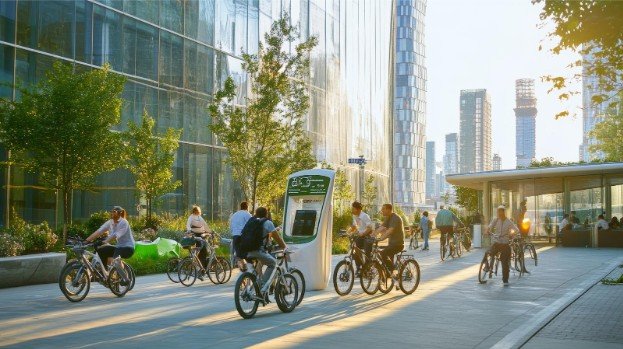
I like this option for short commutes because it feels immediate. You do not need to wait for a major life change. You just test a route, adjust your timing, and build from there. If your full trip is too long, you can still bike or walk part of it by combining it with transit or parking farther away.
How to Make Active Travel Easier
Start with one or two days a week instead of trying to change every day at once. Check whether your route has sidewalks, bike lanes, or safer side streets. If weather is a concern, keep a lightweight rain jacket, small towel, and backup shoes at work. A little preparation makes the habit much easier to keep.
Public Transit Works Best When You Use It Strategically

Public transit is one of the smartest choices for longer urban and suburban commutes when routes are reliable. It reduces the number of single-occupancy vehicle trips and often turns travel time into reading, planning, or quiet time instead of active driving.
What I have found most helpful is treating transit as a flexible tool instead of an all-or-nothing commitment. You might use it three days a week, combine it with walking, or take it only on the days when traffic is worst. That still counts as progress, and it still reduces the number of solo driving trips.
Carpooling Makes Sense for Suburban and Longer Routes
Some commutes are too far to bike and too awkward for transit. That is where carpooling becomes one of the most practical Eco-Friendly Commuting Options for real life. It splits fuel costs, reduces the number of cars on the road, and works especially well for people with similar schedules.
This option tends to work best when expectations are simple. Pick a clear meeting point, agree on timing, and keep communication easy. Even sharing rides two or three times a week can reduce costs without making your schedule feel rigid.
Electric Vehicles and E-Bikes Can Be Smart Upgrades
If you still need a personal vehicle, switching to a more efficient one can lower emissions compared with a typical gasoline car. Electric bike riding also opens the door for people who want the convenience of cycling without the strain of a traditional bike on longer or hillier routes.
I would not frame this as the first step for everyone because it costs more upfront. But if you are already replacing a car or looking for a practical commuting tool, these upgrades can make sense.
Remote and Hybrid Work Still Count

One of the most overlooked Eco-Friendly Commuting Options is simply not commuting every day. If your role allows even occasional remote work, that can cut weekly travel in a very measurable way.
I like this option because it does not require new gear, a new route, or a big lifestyle overhaul. It is one of the simplest ways to reduce your commuting impact without changing much else.
How I Would Choose the Best Option
If your commute is under a few miles, walking, biking, or an e-bike usually gives you the most value. If you live in a city with solid transit, buses or rail can save both money and mental energy.
If you have a long suburban route, carpooling or hybrid work may be the most realistic win. If driving is still necessary, a more efficient vehicle can make your routine cleaner over time. The best commuting plan is rarely the most dramatic one. It is the one you can repeat consistently.
Frequently Asked Questions
1. What are the best Eco-Friendly Commuting Options for beginners?
Walking, biking, transit, and carpooling are the easiest starting points because they do not require a full lifestyle reset. Most people can begin with one or two commute days a week.
2. Is public transit better than driving?
In many cases, yes. It can reduce the number of solo car trips, lower emissions per traveler, and cut personal driving stress, especially in dense areas.
3. Are e-bikes good for commuting?
Yes. They are especially useful for longer trips, hills, or people who want a lower-effort ride while still reducing car dependence.
4. Can remote work really make a difference?
Yes. Fewer commute days mean fewer vehicle trips, lower fuel use, and less traffic pressure over time.
Final Thoughts
I think the smartest commute is the one that fits your actual life instead of your ideal life. You do not need to walk everywhere, sell your car, or turn your week upside down to make progress. Start with the easiest swap. Test it. Keep what works. Over time, those small changes can lower your costs, reduce daily stress, and make your routine feel a lot more intentional.