When I first tried eating more plants, I made it harder than it needed to be. I thought I had to buy expensive ingredients, cook every meal from scratch, and change my whole routine overnight. That approach did not last. What finally worked for me was keeping things simple. I focused on a few repeat meals, a short grocery list, and small habits I could actually keep.
If you want a realistic way to eat better without turning your life upside down, this approach works. You do not need perfection. You need structure. Once I started building meals around beans, lentils, tofu, oats, potatoes, fruit, vegetables, nuts, and whole grains, everything felt easier. I spent less time guessing what to eat, and I stopped feeling like healthy eating had to be complicated.
What Plant-Based Living Really Means
Plant-Based Living does not require an all-or-nothing mindset. For me, it means building most meals around minimally processed plant foods and making that choice often enough that it becomes my default. It is less about labels and more about daily patterns.
That can look like oatmeal with fruit in the morning, a grain bowl for lunch, and a bean or tofu dinner that uses ingredients you already keep at home. The most practical version is the one you can repeat on busy days.
Why This Way of Eating Feels Easier Than Most Diets
The biggest difference for me was decision fatigue. Once I stopped chasing perfect meals and built a short rotation, I stopped falling off track. I knew what to buy, what to prepare, and how to mix ingredients into fast meals.
This style of eating can also be budget-friendly because staple food recipes like dried beans, lentils, rice, oats, potatoes, and frozen vegetables stretch well across the week. When you prep a few basics ahead of time, everything becomes faster and less stressful.
The Foods I Keep on Hand Every Week
My Core Staples
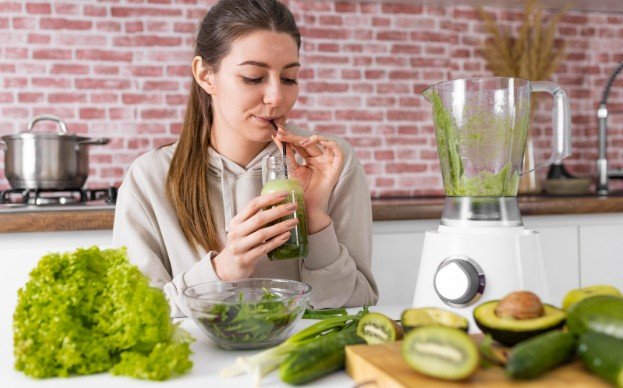
I keep my kitchen built around a short list: oats, rice, quinoa, pasta, potatoes, canned beans, lentils, chickpeas, tofu, peanut butter, nuts, seeds, frozen vegetables, leafy greens, bananas, berries, onions, garlic, and a few sauces.
That list gives me enough range to make breakfast bowls, soups, wraps, tacos, stir-fries, salads, chili, pasta, and quick snacks. The goal is not variety for the sake of it. The goal is flexibility. When your staples work in several meals, you waste less food, support a reduced electricity bill with sustainable habits, and spend less money.
My Fast Meal Formula
I usually follow a simple pattern: protein plus carb plus produce plus flavor. That means lentils with rice and roasted vegetables, tofu with noodles and greens, or chickpeas with potatoes and a simple sauce. This is what made Plant-Based Living feel sustainable instead of restrictive.
How I Make Sure My Meals Stay Balanced
A lot of beginners worry about protein first. I did too. That got easier once I realized protein shows up in more places than people think. Beans, lentils, tofu, tempeh, soy milk, nuts, seeds, peas, quinoa, and even oats all help.
The other nutrient I pay close attention to is vitamin B12. I do not treat that as a complicated issue. I treat it like basic planning, the same way I would plan groceries for the week.
How I Started Without Burning Out
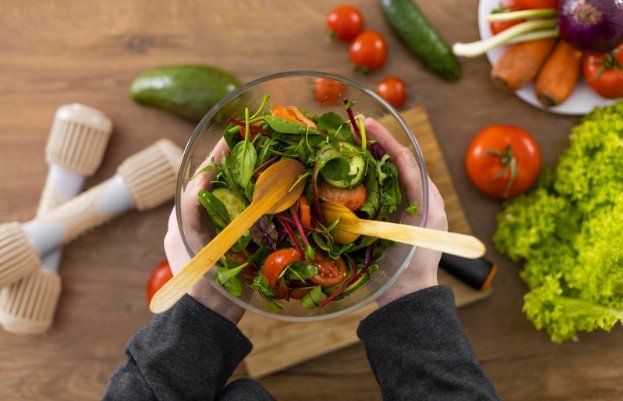
I did not overhaul everything in one weekend. I started with breakfast, then lunch, then a few repeat dinners. That pace helped me learn what I actually liked instead of copying someone else’s routine.
My Beginner Sequence
First, I picked three breakfasts I could rotate. Then I chose three lunches that packed well. After that, I built four easy dinners I could repeat without getting bored. This gave me a structure that felt calm and realistic.
My Grocery Rule
I also stopped buying random “healthy” products. If I could not imagine using an item in at least two meals, I left it on the shelf. That one habit saved money fast and kept my fridge from filling with good intentions that never turned into dinner.
Common Mistakes I Would Skip
One mistake is relying too much on specialty products. Some are fine, but they should not be the whole plan. Another mistake is ignoring satiety. If a meal is too light, you will be hungry an hour later. Adding beans, tofu, potatoes, grains, avocado, nuts, or seeds usually fixes that. I would also avoid chasing perfection. One balanced meal diet does more for your routine than a complicated plan you quit after four days.
Frequently Asked Questions
1. Is Plant-Based Living expensive for beginners?
Not if you center meals around basics like oats, beans, lentils, rice, potatoes, pasta, frozen vegetables, and fruit. Specialty items raise the bill faster than staples do.
2. How do I get enough protein without meat?
Build meals around tofu, lentils, beans, tempeh, soy milk, nuts, and seeds. Spread those foods across the day instead of trying to fit everything into one meal.
3. Do I need supplements right away?
Many people need a plan for vitamin B12 through fortified foods or supplements. It is smart to review your routine with a qualified professional if you are unsure.
4. What is the easiest first step to take today?
Pick one meal you already like and make the plant-based version of that first. Small wins are easier to repeat than dramatic changes.
Where This Shift Took Me
What changed most for me was not just my plate. It was the way I approached food. I stopped looking for a perfect system and started building a practical one. That gave me more consistency, less stress, and a routine I could keep even during busy weeks.
If I were starting again, I would do the same thing: keep a short grocery list, repeat simple meals, and focus on progress I can actually maintain. That is what turns healthy habits into something you can stick with long term.