
Cold air creeping through windows used to make evenings uncomfortable and energy bills frustratingly high. Learning how to insulate windows properly changed that completely. With a mix of simple DIY fixes and smarter long-term solutions, it became clear that you do not need expensive replacements to make a real difference. The right techniques can keep your home warmer, quieter, and far more energy-efficient.
Quick DIY and Temporary Solutions
These methods are affordable and ideal for seasonal insulation.
Window Film
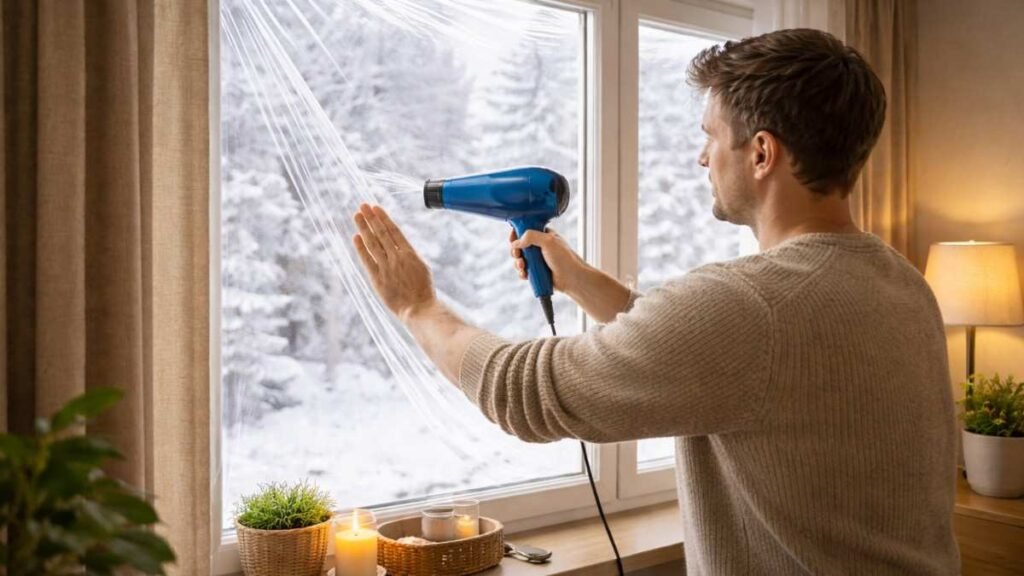
Window insulation film kits are one of the easiest ways to reduce heat loss. You apply a clear plastic sheet over the window frame using tape and shrink it tight with a hairdryer. This creates an airtight barrier that can significantly reduce drafts and improve indoor warmth.
From hands-on use, the biggest benefit is immediate comfort improvement. Rooms feel less drafty within hours, especially during windy nights. The key is proper installation, since even small wrinkles can reduce effectiveness.
Bubble Wrap Trick for Extra Insulation
A surprisingly effective low-cost hack. Applying bubble wrap directly to the glass using a light mist of water creates an insulating layer. While it blocks visibility, it works well in rarely used windows or storage spaces.
This method is not widely highlighted in competitor blogs, yet it performs well in extremely cold conditions. It is especially useful when you need a quick fix without spending much.
Draft Stoppers and Rope Caulk
Draft stoppers, often called draft snakes, are placed along the bottom of windows to block cold air from entering. Rope caulk, a soft and removable material, can be pressed into gaps and removed later without damage.
These solutions are best used alongside other methods. On their own, they help, but combined with sealing techniques, they significantly improve insulation.
Semi Permanent and Permanent Sealing Methods
These methods focus on fixing and detecting structural air leaks.
Caulking Gaps Around Frames
Seal the areas that should not move. Caulking is one of the most effective long-term solutions for sealing cracks between the window frame and the wall. Silicone caulk works best because it is durable and weather-resistant.
A practical insight often missed is that even tiny cracks can let in a surprising amount of cold air. Sealing them properly creates a noticeable improvement in comfort and energy efficiency.
Weatherstripping for Insulation

Keep windows functional while blocking drafts. Weatherstripping is applied to movable parts of the window to create a tight seal when closed. Materials like foam, rubber, or felt are commonly used.
This method stands out because it allows windows to open and close normally. In real use, focusing on the meeting rails and edges delivers the best results since those areas tend to leak the most air.
Expanding Foam for Larger Gaps
Handle deeper insulation issues effectively. For larger gaps between the window frame and wall structure, low-expansion spray foam is highly effective. It fills hidden cavities and prevents airflow that basic air sealing methods cannot reach.
This approach is often overlooked but provides long-term insulation benefits. It is especially useful in older homes where gaps may be larger than expected.
Insulating Window Treatments That Work Year Round
These options add comfort without structural changes.
Cellular Shades for Better Efficiency
Designed to trap air and reduce heat transfer. Cellular or honeycomb shades contain air pockets that act as insulation layers. They help keep heat inside during winter and block excess heat during summer.
From experience, these are one of the best long-term upgrades without replacing windows. They balance comfort, aesthetics, and energy savings effectively.
Thermal Curtains

A simple upgrade with immediate impact. Thermal insulated curtains use thick, lined fabrics to block drafts and reflect heat back into the room. They also improve privacy and reduce outside noise.
They work best when fully covering the window and reaching the floor. Pairing them with sealed gaps creates a strong insulation system.
Interior Storm Windows and Inserts
High performance without full replacement. Interior window inserts act like an additional pane of glass. They fit inside the existing frame and improve insulation significantly.
These are ideal for homeowners who want near double-glazing performance without replacing entire windows. They are especially effective in extreme climates.
How to Insulate Windows Step by Step
Follow this structured approach for the best results.
Step 1 Identify Air Leaks
Start by locating the source of drafts. Use a candle or your hand to detect airflow around window edges. This helps you focus on the areas that need attention instead of guessing.
Step 2 Seal All Gaps Properly
Fix leaks before adding insulation layers. Apply caulk to fixed gaps and weatherstripping to movable parts. This step is crucial because insulation alone will not work if air leaks remain.
Step 3 Add Insulation Layers
Improve heat retention after sealing. Use window film, curtains, or shades to create additional barriers. Layering methods delivers better results than relying on one solution.
Step 4 Test and Improve
Evaluate performance and adjust if needed. After installation, check for remaining drafts. If needed, combine multiple methods to enhance effectiveness and comfort.
3 Tips on How to Insulate Windows Effectively
These insights help you get better results with less effort.

1) Focus on Gaps Before Glass
Sealing leaks gives the biggest improvement. Most heat loss comes from gaps, not just the glass. Addressing these areas first ensures your insulation methods work efficiently.
2) Layer Multiple Methods
Combination strategies outperform single fixes. Using weatherstripping with curtains or film provides better insulation than any single method alone. This approach mimics professional insulation systems.
3) Choose Solutions Based on Your Needs
Match the method to your living situation. Renters benefit from temporary fixes like film and rope caulk, while homeowners can invest in permanent sealing and window treatments for long-term savings.
Common Mistakes to Avoid
Avoid these to save time and money.
Ignoring Small Drafts
Even minor leaks can affect comfort. Small gaps often go unnoticed but contribute significantly to heat loss. Addressing them improves overall insulation performance.
Using Only One Method
Single solutions rarely solve the problem fully. Layering different techniques creates a more effective barrier against cold air.
Blocking Necessary Ventilation
Balance insulation with airflow. Sealing everything too tightly can cause condensation issues. Proper ventilation is still important for indoor air quality.
Frequently Asked Questions
1. How do you insulate windows to keep cold out?
Seal gaps using caulk or weatherstripping, then add insulation like window film or thermal curtains to block cold air effectively.
2. What can you put on your windows to keep the cold air out?
You can use window insulation film, thermal curtains, cellular shades, or draft stoppers to reduce cold airflow.
3. How to insulate a window and still be able to open it?
Use weatherstripping or removable insulation film. Avoid sealing movable parts with permanent materials like caulk.
4. How to winterize old drafty windows?
Seal cracks, add weatherstripping, and use thermal curtains or window inserts to improve insulation and reduce heat loss.
Stay Warm and Save Smart
Mastering how to insulate windows is one of the simplest ways to improve home comfort without major renovations. By combining quick DIY fixes with more durable solutions, you can reduce drafts, lower energy bills, and create a more comfortable indoor environment. Start with sealing gaps, layer your insulation methods, and build a system that works for your space and lifestyle.