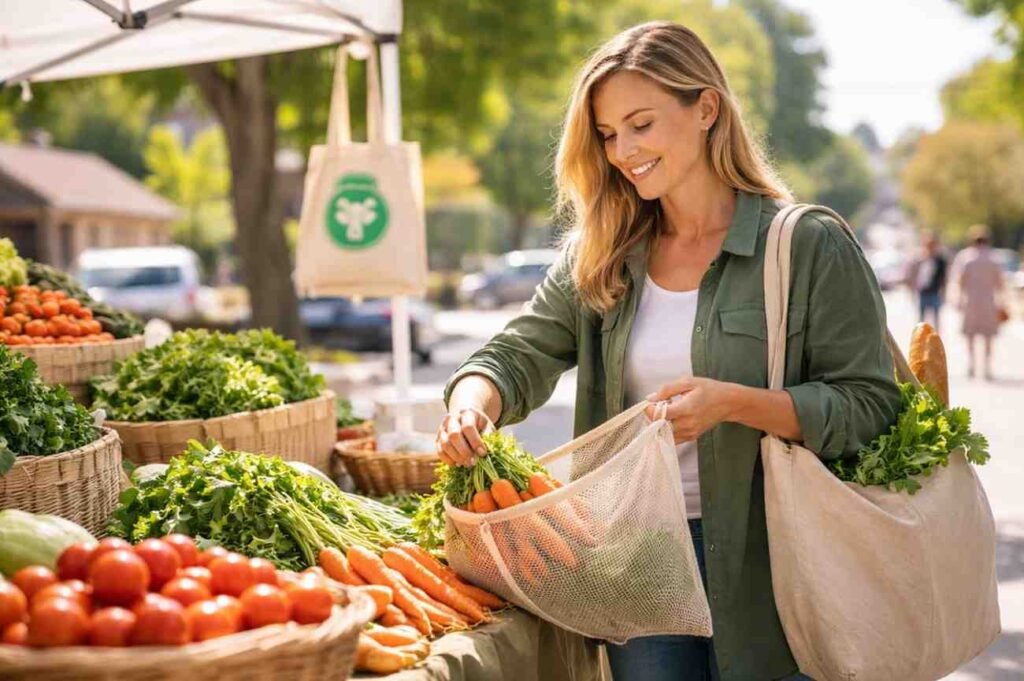
You can feel the shift without even trying. A few years ago, sustainability felt like something distant, something governments and large companies talked about. Now, it shows up in small, everyday decisions. The kind of groceries you pick, how often you order things online, and even how you think about waste.
I started noticing it in subtle ways. Carrying a reusable bottle stopped feeling like an effort. Choosing products with less packaging became almost automatic. That’s when it becomes clear environmental sustainability trends aren’t just concepts anymore. They’re quietly reshaping how people live day to day.
The Shift From Convenience to Conscious Living
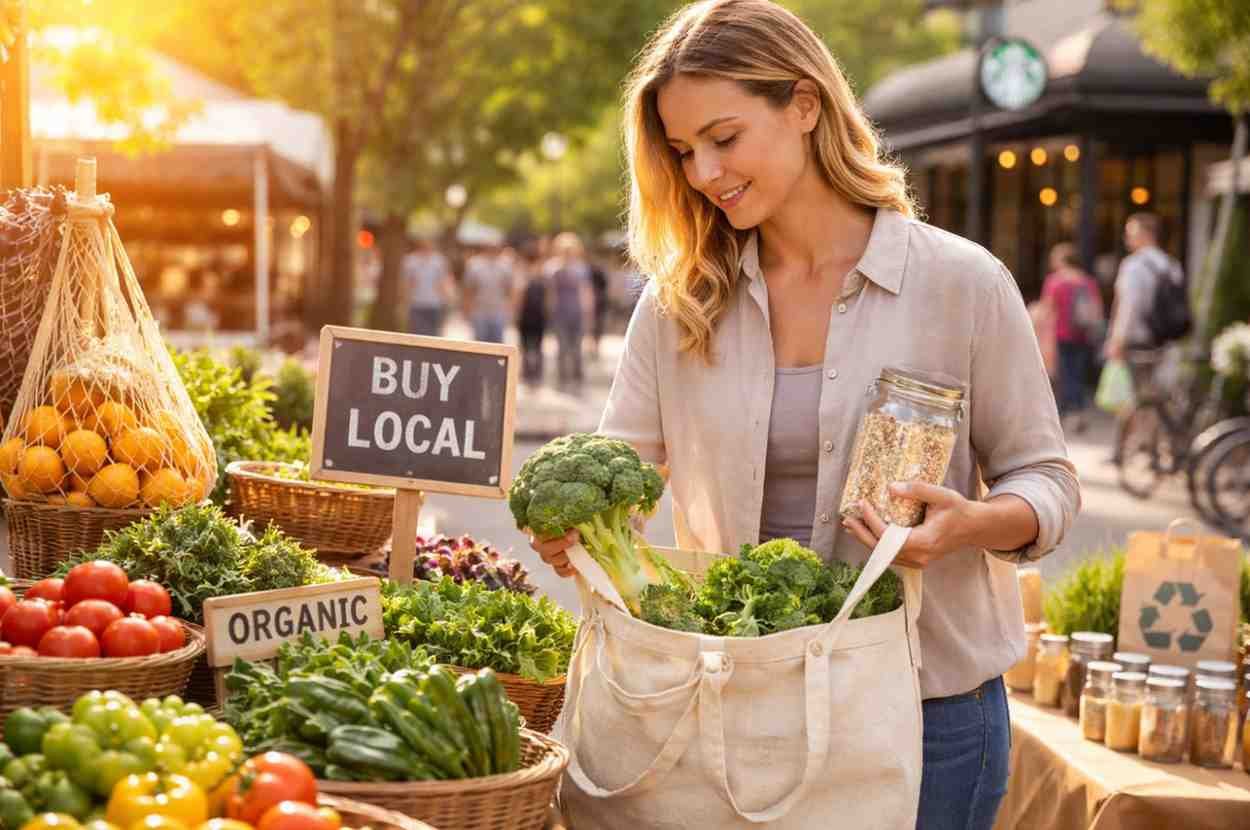
For a long time, convenience drove most decisions. Fast fashion, disposable products, quick deliveries, it all made life easier, but at a cost people didn’t fully think about.
Now, that mindset is changing.
The idea of a circular economy is becoming more common. Instead of using and discarding, people are rethinking how things are used, reused, and extended over time. The focus has moved from “buy more” to “use better.”
This is where simple changes like following recycling tips at home start becoming part of a larger mindset rather than a one-off effort.
Conscious Consumption Is Becoming the Default
One of the biggest environmental sustainability trends is how people shop.
It’s no longer just about price or appearance. There’s a growing awareness around:
- Where products come from
- How long do they last
- What happens after they’re used
People are buying fewer things but choosing better ones. Fast fashion is losing its grip as more individuals shift toward durable clothing, second-hand options, and minimal wardrobes.
Even packaging is being questioned. Products wrapped in layers of plastic feel unnecessary now. Many are actively choosing brands that reduce waste or use biodegradable materials.
This isn’t about perfection; it’s about being more aware with every purchase.
Food Choices Are Becoming More Intentional
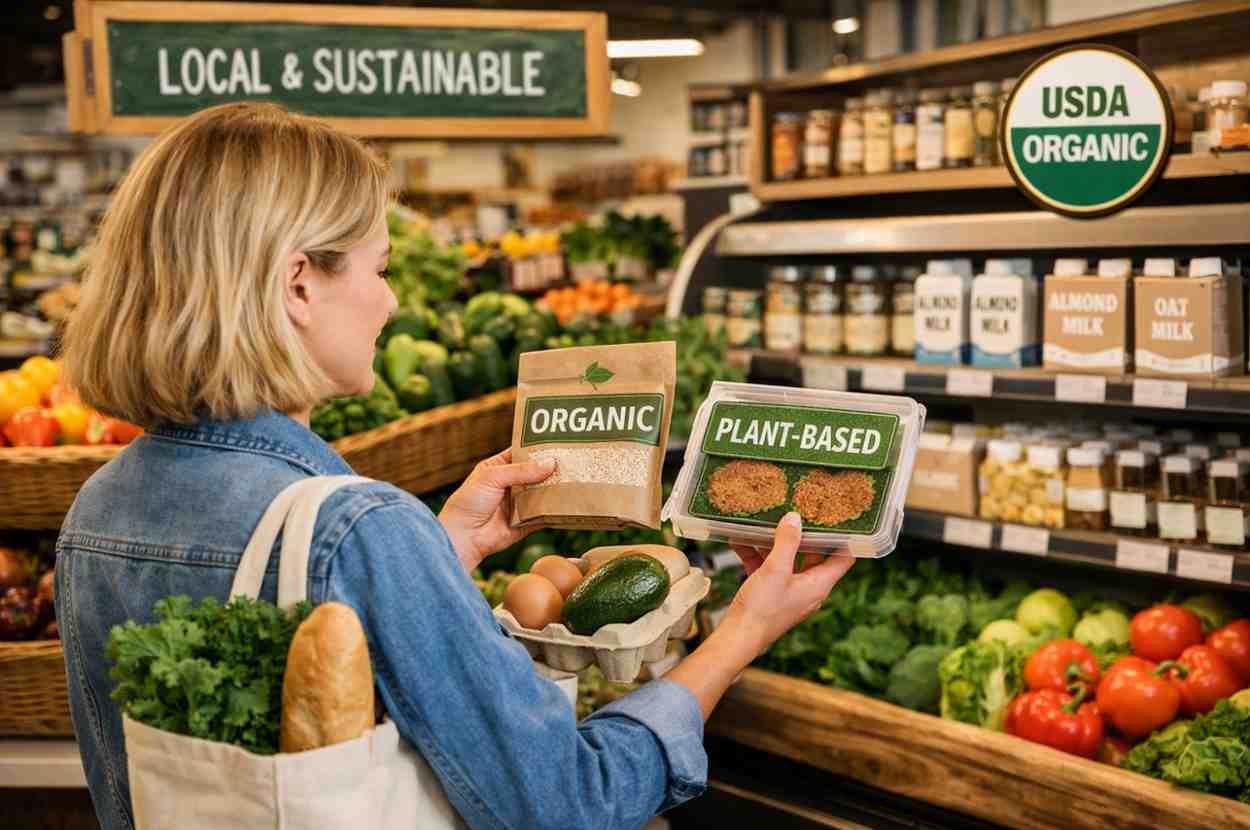
What people eat has become a major part of sustainability.
There’s a noticeable shift toward plant-based diets, not necessarily fully vegan, but more balanced. Reducing high-impact foods while increasing plant-based options has become a practical step many are taking.
At the same time, local and seasonal eating is gaining attention. Food that travels less not only stays fresher but also reduces environmental impact.
Food waste is another area where habits are changing. People are planning meals better, storing food properly, and using composting as a way to reduce waste output.
These aren’t extreme changes. They’re small adjustments that add up over time.
Transportation Choices Are Evolving
Daily travel habits are also shifting.
People are becoming more open to alternatives like walking, cycling, or using public transportation when possible. It’s not always about replacing everything; it’s about reducing unnecessary use.
Electric vehicles are becoming more accessible, and interest continues to grow as infrastructure improves. At the same time, there’s a noticeable trend toward living closer to work or choosing locations that reduce daily travel.
These changes reflect a broader awareness of how you move affects more than just your schedule.
Homes Are Getting Smarter and More Efficient
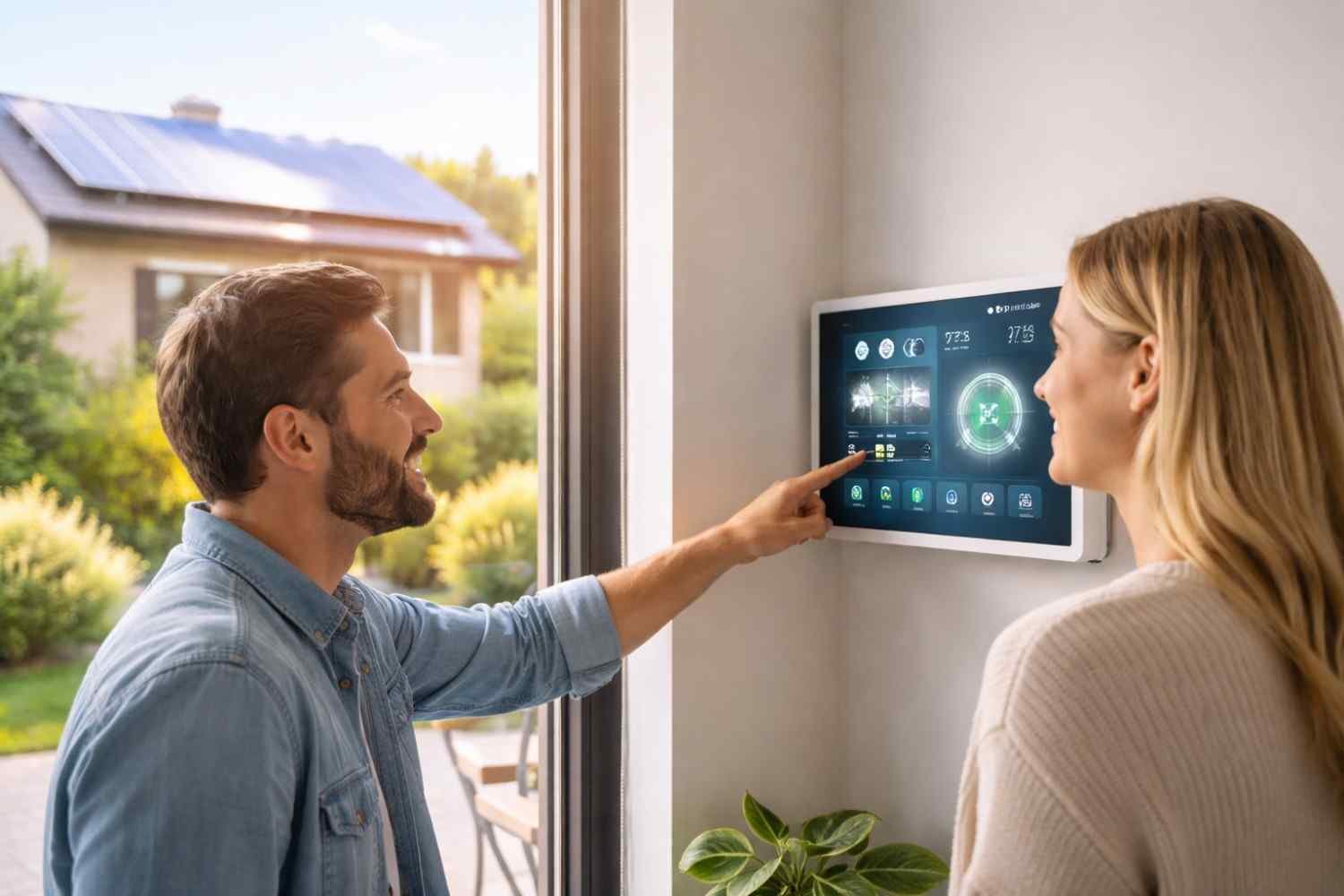
Inside homes, sustainability is becoming more practical.
Energy-efficient appliances, LED lighting, and smart systems are now common upgrades. These changes reduce both energy usage and monthly expenses, making them easier to adopt.
There’s also a growing focus on repairing instead of replacing. The idea of fixing something before discarding it is gaining traction again. It’s a simple shift, but it challenges the long-standing habit of throwing things away too quickly.
Waste reduction at home is becoming more intentional, too. People are not just consuming less; they’re thinking more about what they bring into their space.
Sustainability Is Reaching Financial and Digital Choices
Another interesting shift is happening beyond physical products.
People are starting to think about where their money goes. Ethical investing and responsible banking are becoming part of the conversation. Supporting businesses that align with sustainability values is no longer rare; it’s expected.
Digital tools are also playing a role. Apps that track carbon footprint or encourage eco-friendly habits are making sustainability more measurable. Instead of guessing, people can now see the impact of their actions.
This makes the entire concept feel more real and actionable.
Why These Trends Feel Different This Time?
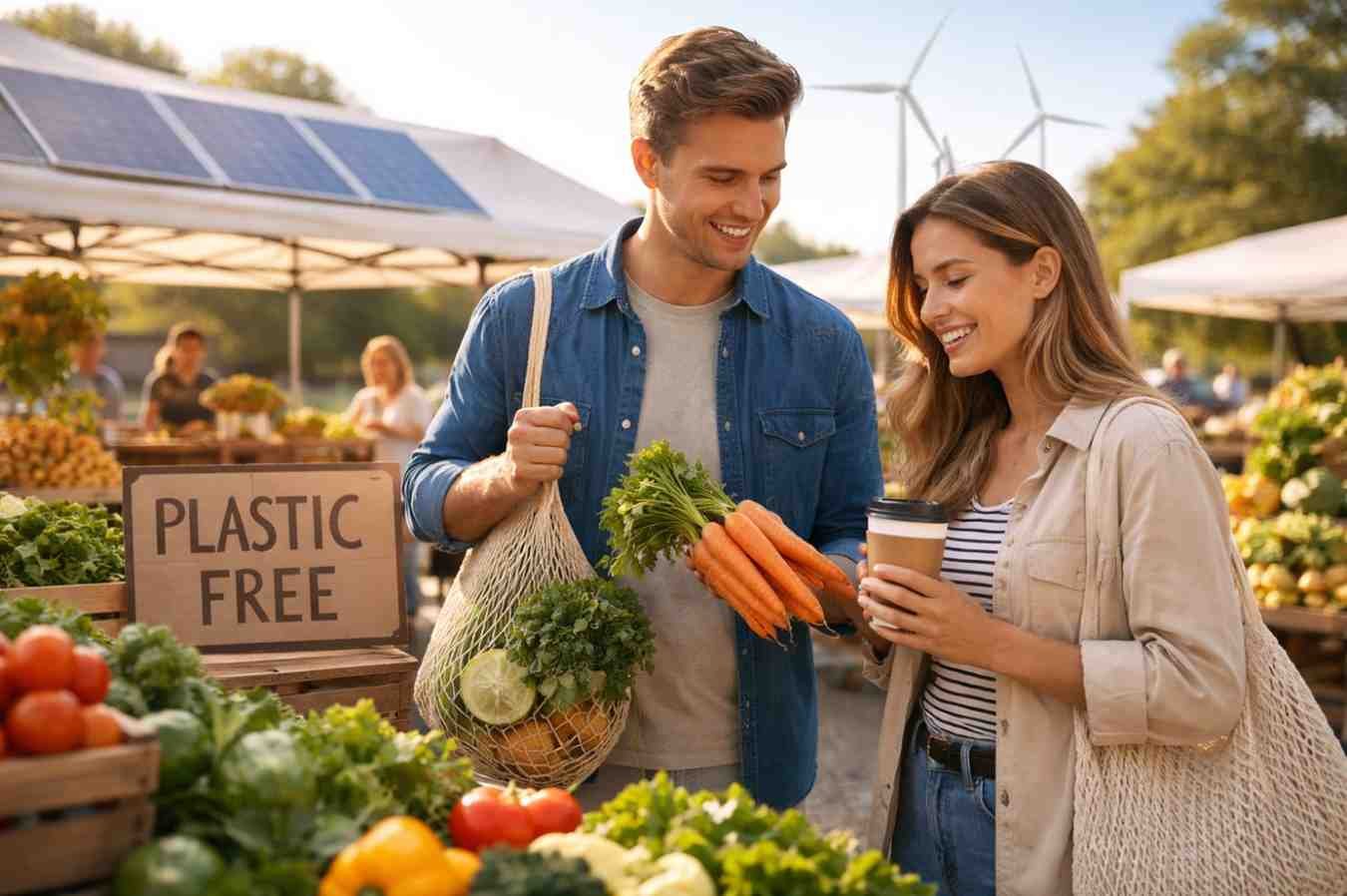
Sustainability used to feel like a niche interest. Something that only a small group of people is focused on.
That’s no longer the case.
These trends are now driven by everyday experiences, rising costs, visible waste, and a growing awareness of long-term impact. People aren’t just reacting to information; they’re responding to what they see in their daily lives.
This is why the shift feels more permanent. It’s not about trends coming and going. It’s about habits evolving.
And this evolution naturally leads people toward deeper concepts like sustainable living for families, where long-term decisions are made with both lifestyle and future impact in mind.
Small Changes That Reflect Bigger Shifts
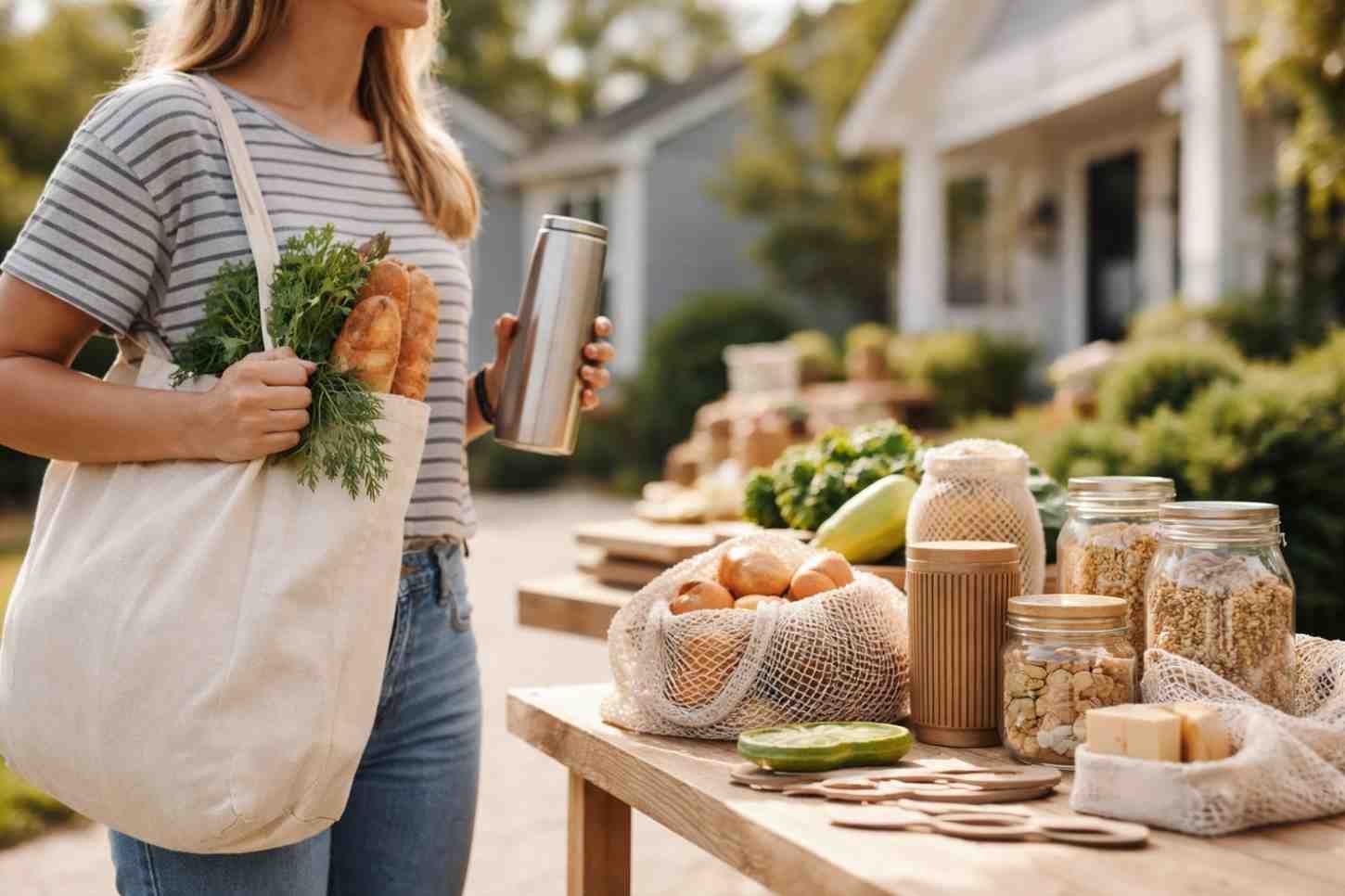
Most people don’t wake up and completely change their lifestyle overnight. The shift happens gradually.
It looks like:
- Choosing reusable over disposable
- Buying fewer but better-quality items
- Reducing unnecessary consumption
- Being more mindful of waste
These small decisions might not feel significant individually, but together they create a ripple effect.
That’s how environmental sustainability trends actually work, not through big declarations, but through consistent, everyday choices.
Frequently Asked Questions: How Environmental Sustainability Trends Are Reshaping Everyday Choices?
1. What are environmental sustainability trends?
They are shifts in behavior, technology, and lifestyle that focus on reducing environmental impact and promoting long-term resource efficiency.
2. Why are sustainability trends becoming more popular?
Growing awareness, rising costs, and visible environmental impact are pushing people to make more conscious daily decisions.
3. How do sustainability trends affect daily life?
They influence how people shop, eat, travel, and manage resources at home, making everyday choices more intentional.
4. Can individuals really make a difference in sustainability?
Yes. Collective small actions create a significant impact over time, especially when adopted by large groups of people.
Final Thoughts
Environmental sustainability trends are no longer abstract ideas or distant goals. They’ve become part of how people think, act, and make decisions every day. The shift is subtle but consistent, and it’s happening across different areas of life at the same time.
What makes this change powerful is that it doesn’t rely on drastic action. It builds through awareness and small adjustments that feel natural over time. And once those changes become habits, they don’t feel like effort anymore; they just feel like the right way to live.