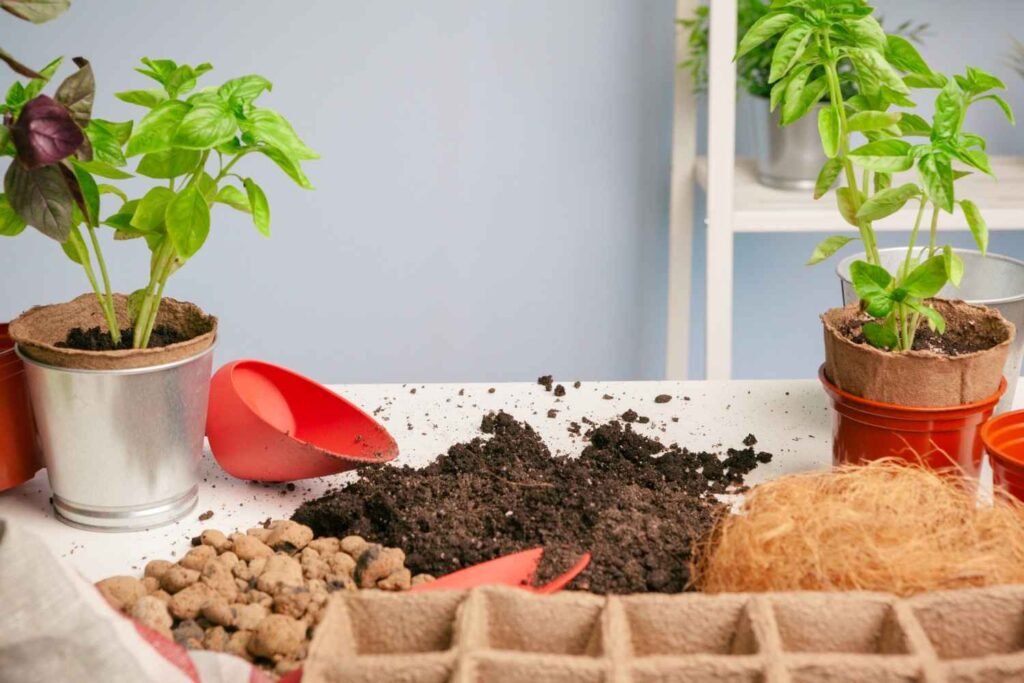
For the longest time, I kept trying to fix my plants.
If something looked weak, I watered more. If growth slowed, I added fertilizer. I kept adjusting everything—except the one thing that actually mattered.
The soil.
It wasn’t obvious at first, but once I paid attention to how my soil behaved—whether it drained too fast, stayed too wet, or lacked structure—I finally understood why my plants struggled.
That one shift changed everything. My garden became easier to manage, problems became predictable, and results improved without extra effort.
In this guide, I’ll show you exactly how I approach soil types, how I figure out what I’m working with, and what I do to turn even poor soil into something plants can actually thrive in.
What Are the Main Soil Types for Gardening?
Most gardens fall into six main soil categories. Each one behaves differently, and once I understood these differences, it became much easier to grow the right plants.
Loam Soil (The Ideal Choice)
Loam is what I aim for in every garden bed. It feels slightly damp, crumbly, and easy to work with.
It drains well but still holds enough moisture for roots. I’ve grown almost everything successfully in loam, from vegetables to perennials.
Sandy Soil
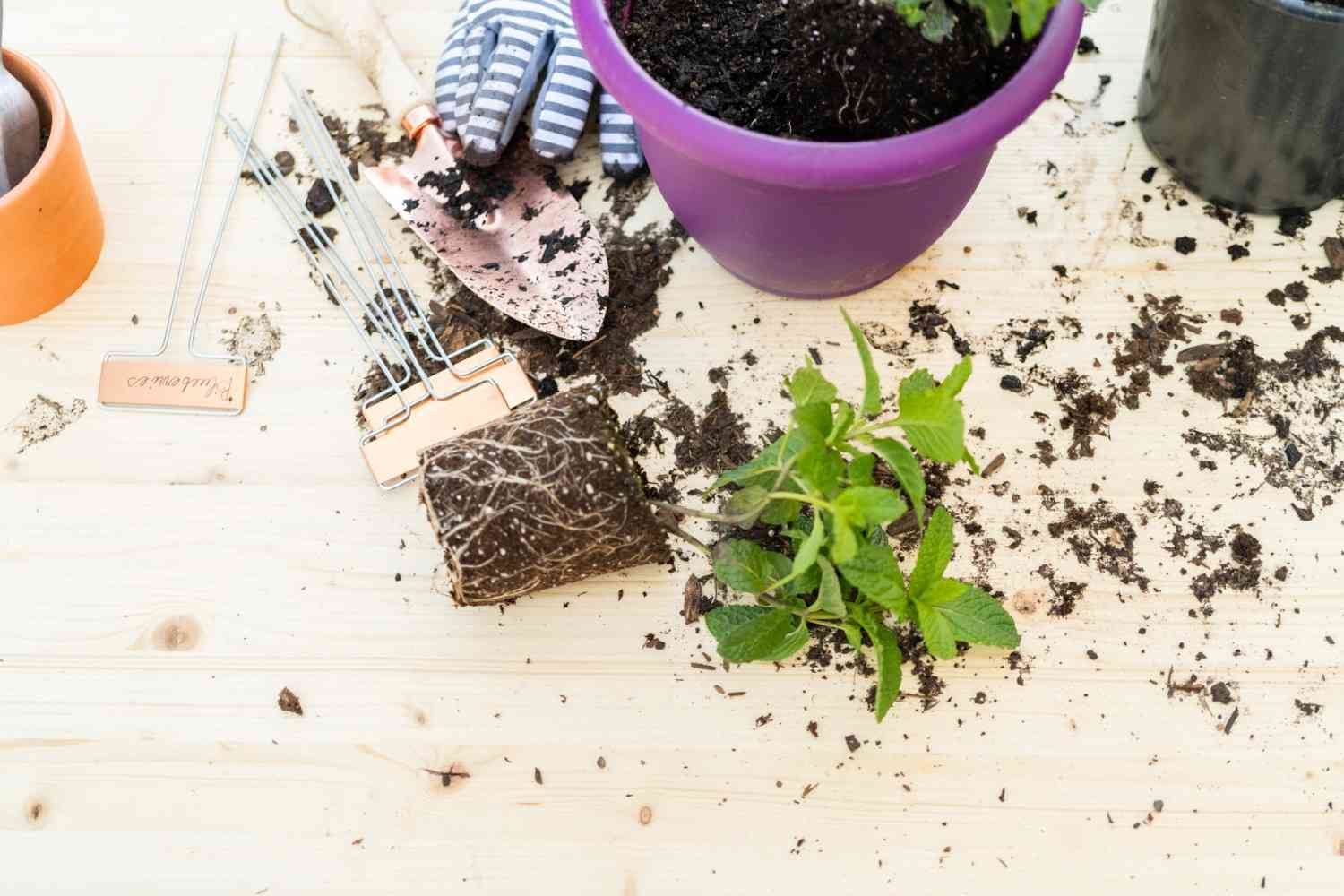
Sandy soil feels gritty and loose. Water drains through it quickly, which means nutrients don’t stay long.
When I worked with sandy soil, I had to water more often and constantly add compost to keep plants healthy.
Clay Soil
Clay soil feels sticky when wet and hard when dry. It holds nutrients well, but it also traps water.
I learned the hard way that poor drainage in clay soil can suffocate roots if I don’t improve its structure.
Silty Soil
Silty soil feels smooth and soft, almost like powder when dry. It holds moisture better than sandy soil.
I’ve found it fertile but prone to compaction if I don’t keep it aerated.
Peaty Soil
Peaty soil is dark, spongy, and rich in organic matter. It holds a lot of water and tends to be acidic.
When I use peat-rich soil, I always check pH levels before planting.
Chalky Soil
Chalky soil contains stones and feels dry. It drains quickly but often lacks essential nutrients.
In my experience, adding organic matter is the best way to improve it.
How Do I Identify My Soil Type at Home?
This is where most guides stop short, but this is what actually helped me.
The Squeeze Test I Use Every Time
I take a handful of slightly moist soil and press it in my hand.
If it falls apart easily, it’s sandy. If it holds shape but breaks when poked, it’s loam. If it stays sticky and firm, it’s clay.
This quick test gives me instant clarity.
The Ribbon Test for Clay Content
I roll the soil into a small sausage shape and try to flatten it.
If it forms a long ribbon without breaking, I know there’s a high clay content.
The Jar Test That Shows Everything
I fill a clear jar with soil and water, shake it well, and let it sit for a day.
The layers settle in order—sand at the bottom, then silt, then clay. This helps me see the exact composition of my soil.
Why Soil Type Matters More Than Fertilizer
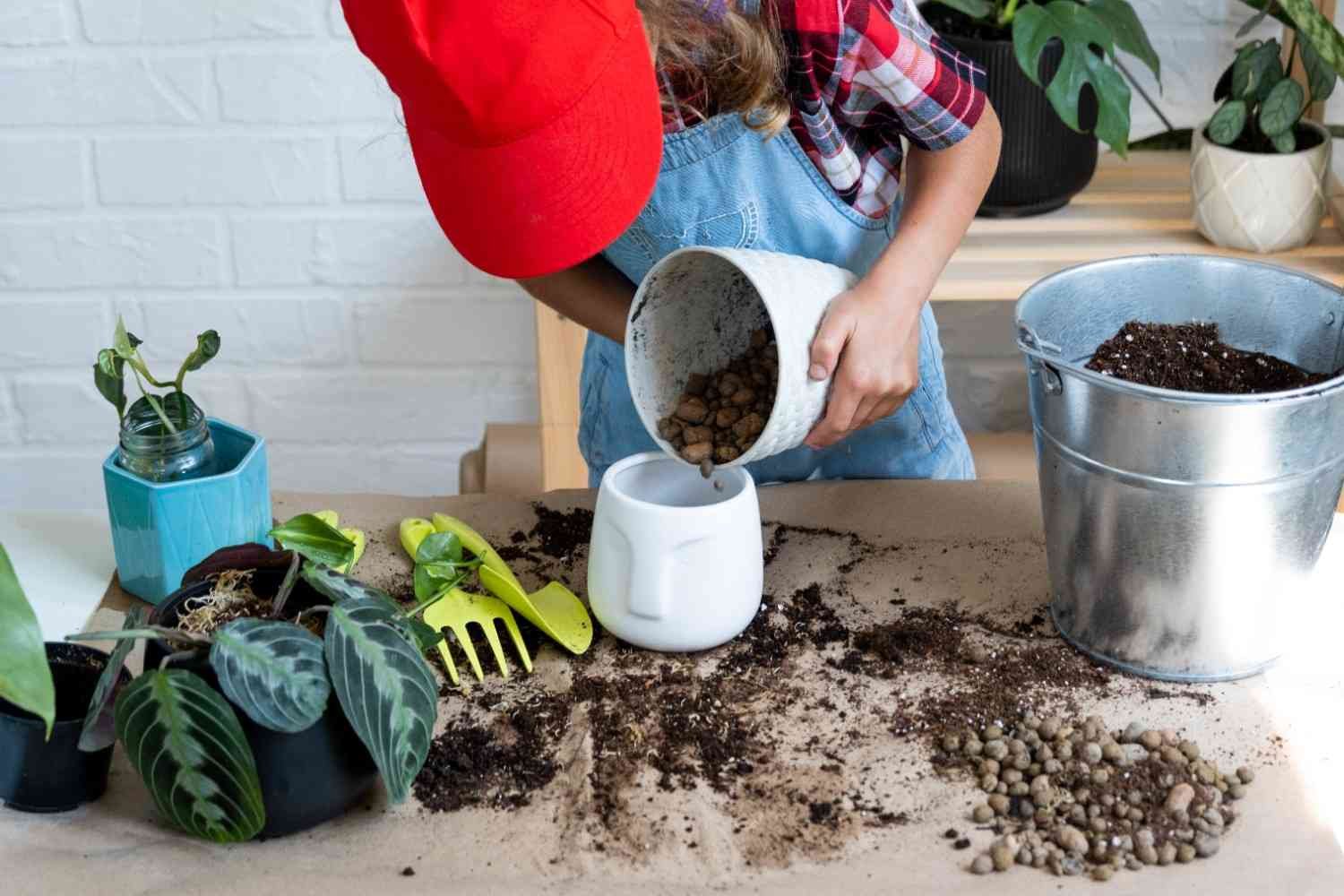
I used to think fertilizers would fix everything. But if the soil structure is poor, nutrients don’t get absorbed properly.
Soil controls water flow, root growth, and nutrient availability. Once I focused on improving soil instead of just feeding plants, I saw faster and more consistent growth.
Which Soil Type Is Best for Gardening in the US?
From my experience, loam is the most reliable option across different regions.
But here’s what I’ve learned—perfect soil is rarely natural.
Most home gardens require improvement. Whether I’m dealing with sandy soil in warmer states or clay-heavy soil in other regions, building better soil is always part of the process.
How I Improve Any Soil Type for Better Results
No matter what soil I start with, I’ve learned that I can always improve it.
Building Better Soil With Organic Matter
Adding compost has been the single most effective step for me.
It improves structure, boosts nutrients, and helps both sandy and clay soils perform better.
Fixing Drainage Issues
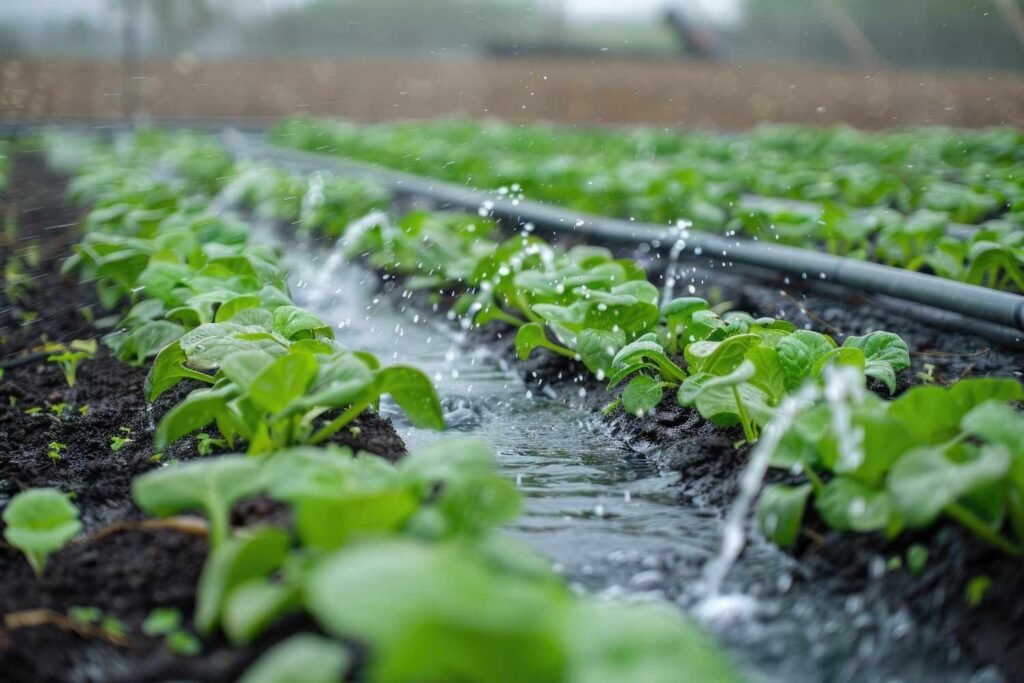
If water sits too long, I loosen the soil and add organic material to improve airflow.
If water drains too fast, I increase organic content to help retain moisture.
Adjusting Soil Conditions for Plant Growth
Some plants struggle because the soil environment isn’t balanced.
I test occasionally and make small adjustments so plants can absorb nutrients more effectively.
How Soil Types for Gardening Affect Plant Choices
Different plants thrive in different soil conditions.
Root vegetables prefer loose soil, herbs often tolerate drier conditions, and moisture-loving plants do better in soil that retains water.
When I match plants to soil—or improve soil for the plants I want—I get far better results.
Common Mistakes I Made (And How You Can Avoid Them)
Early on, I ignored soil texture and focused only on watering and fertilizers.
I overwatered clay soil without realizing drainage was the issue. I also underestimated how quickly sandy soil loses nutrients.
Once I corrected these mistakes, gardening became much easier and more predictable.
Frequently Asked Questions About Soil Types for Gardening
1. What is the best soil for gardening?
Loam is generally the best because it balances drainage, moisture retention, and nutrients.
2. How do I quickly improve garden soil?
Adding compost is the fastest and most effective method to improve structure and fertility.
3. Can I garden successfully with poor soil?
Yes. With consistent improvements, even challenging soil types can support healthy plant growth.
4. Why are soil types for gardening important?
Understanding soil types for gardening helps you choose the right plants, improve growth, and avoid common issues like poor drainage and nutrient loss.
Final Thoughts That Actually Matter
If I could go back and give myself one piece of advice, it would be this—focus on your soil first.
Once I understood how soil works, everything else became easier. My plants grew stronger, my results improved, and gardening became something I genuinely enjoyed. By incorporating organic gardening for beginners into my approach, I learned how to nurture the soil naturally, which made all the difference.
You don’t need perfect soil to start. You just need to understand it—and improve it step by step.