The first time I tried composting at home, I didn’t start with a plan—I started with a question: “Can I really turn my kitchen waste into something useful?” What surprised me wasn’t just that it worked, but how simple it became once I understood the basics.
Instead of throwing away food scraps, I started creating something valuable right at home. Composting stopped feeling like a chore and started feeling like a smart, everyday habit that quietly transforms waste into something your plants will love.
What Is Composting and Why It Matters in Everyday Life
Composting at home is one of the easiest ways I’ve found to reduce food waste while creating something valuable. Nearly 30% of household trash in the U.S. can be composted instead of sent to landfills. That means less methane emissions and healthier soil for gardens and plants.
At its core, composting is a natural process where organic materials break down into a dark, crumbly substance often called “black gold.” This finished compost improves soil structure, boosts nutrients, and helps retain moisture.
How I Started Composting Without Overcomplicating It
When I began composting at home, I focused on keeping things simple. I chose a small outdoor spot with partial shade and good drainage. If you don’t have a yard, indoor options like bins or worm composting work just as well.
I didn’t invest in expensive equipment. A basic bin or even a simple pile works if you maintain airflow and moisture. What made the biggest difference was understanding the right mix of materials.
The Core Recipe: Greens vs Browns Explained Clearly
The turning point for me was learning the balance between greens and browns. A healthy compost pile typically needs about two to three parts browns for every one part greens.
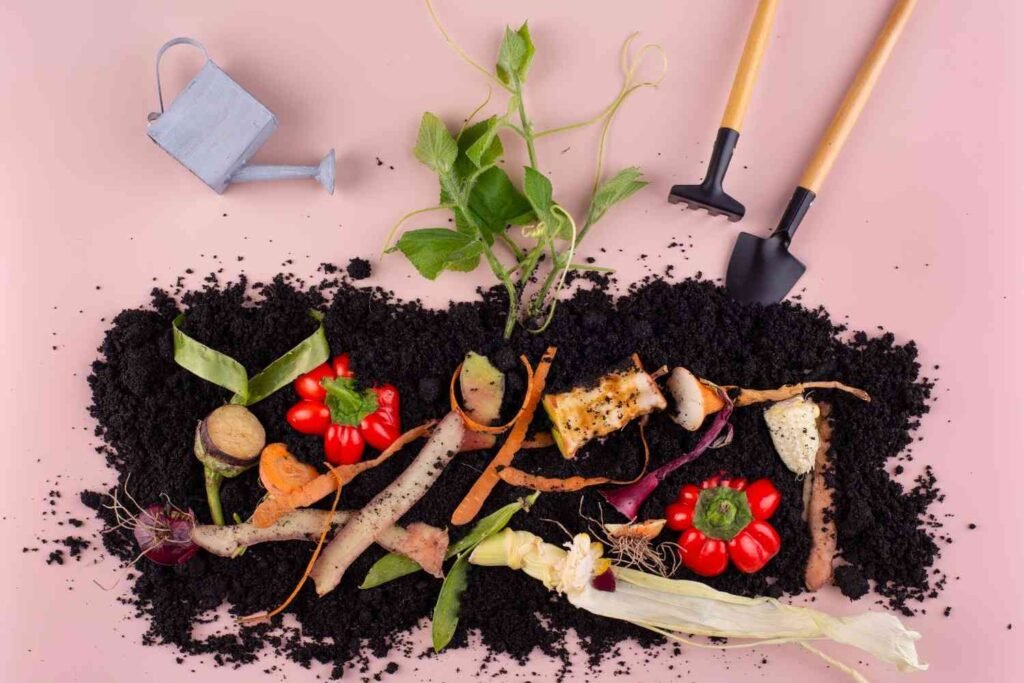
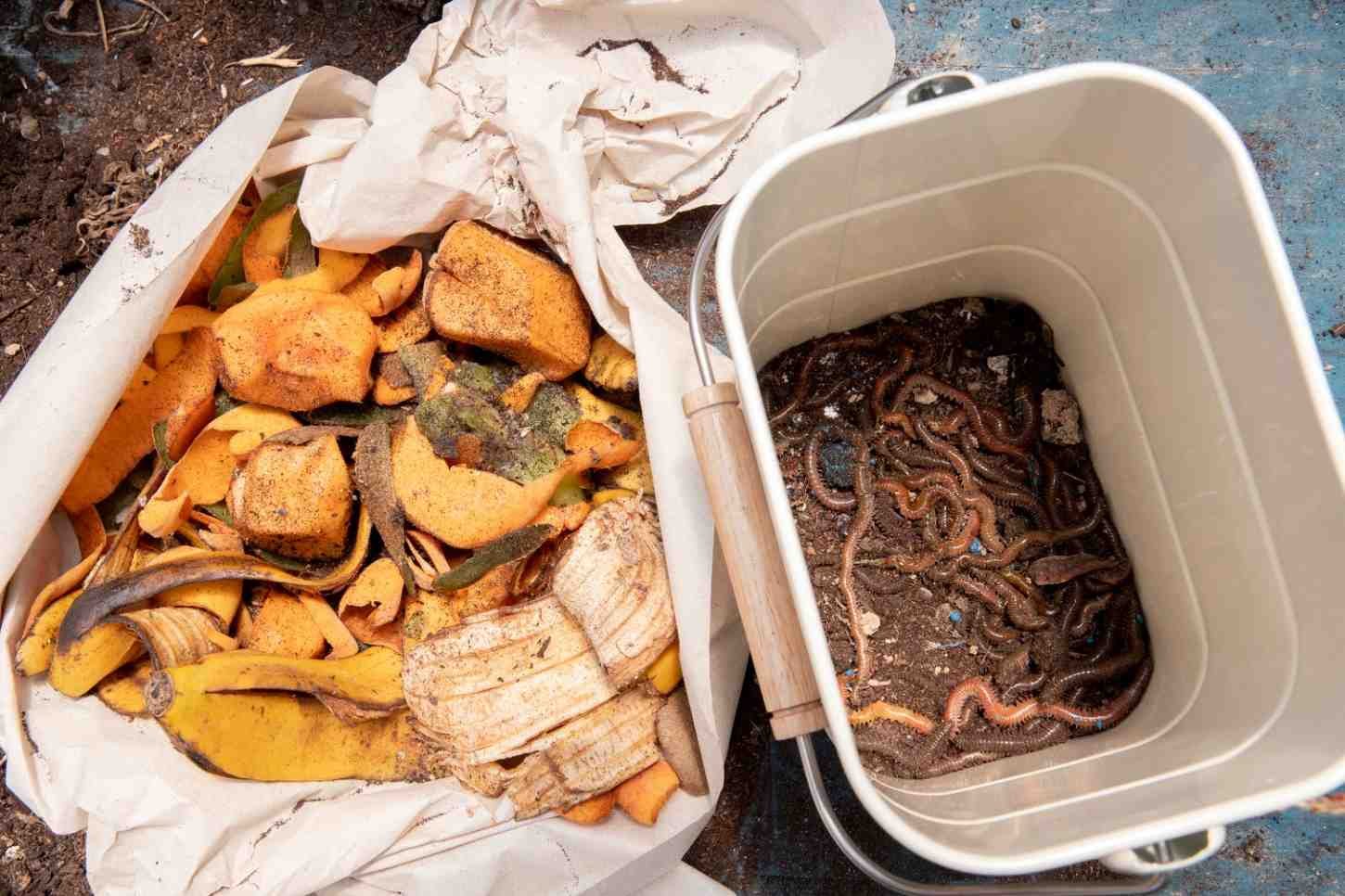
Greens are nitrogen-rich materials like fruit scraps, vegetable peels, coffee grounds, and fresh grass clippings. These materials feed microbes and help generate heat.
Browns are carbon-rich materials such as dry leaves, shredded cardboard, paper, and small twigs. These provide energy and prevent excess moisture.
Once I followed this ratio, I noticed fewer odors and faster decomposition. It stopped feeling like guesswork and started working like a system.
What You Can Compost (And What I Avoided Early On)
I kept my compost simple in the beginning by focusing on safe materials. Kitchen scraps like fruits, vegetables, eggshells, and coffee grounds worked consistently well. Yard waste like leaves and grass clippings added balance.
I avoided adding meat, dairy, oily foods, and pet waste because they attract pests and create strong odors. Diseased plants were also something I learned to keep out.
Sticking to these basics helped me avoid most beginner mistakes.
Composting Methods That Work for Every Home Setup
One thing I didn’t realize at first is how flexible composting can be depending on your space.
For outdoor spaces, I found backyard bins or simple piles to be the easiest. Rotating tumblers made turning quicker but weren’t necessary.
For smaller spaces, vermicomposting with red wiggler worms worked surprisingly well. It allowed me to compost indoors without odor issues.
I also experimented with trench composting, where I buried scraps directly in the soil. It required no maintenance and worked quietly in the background.
Another option I explored was Bokashi composting, which uses fermentation and can handle foods like meat and dairy. It’s especially useful for indoor setups.
How I Maintain My Compost Without It Becoming a Chore
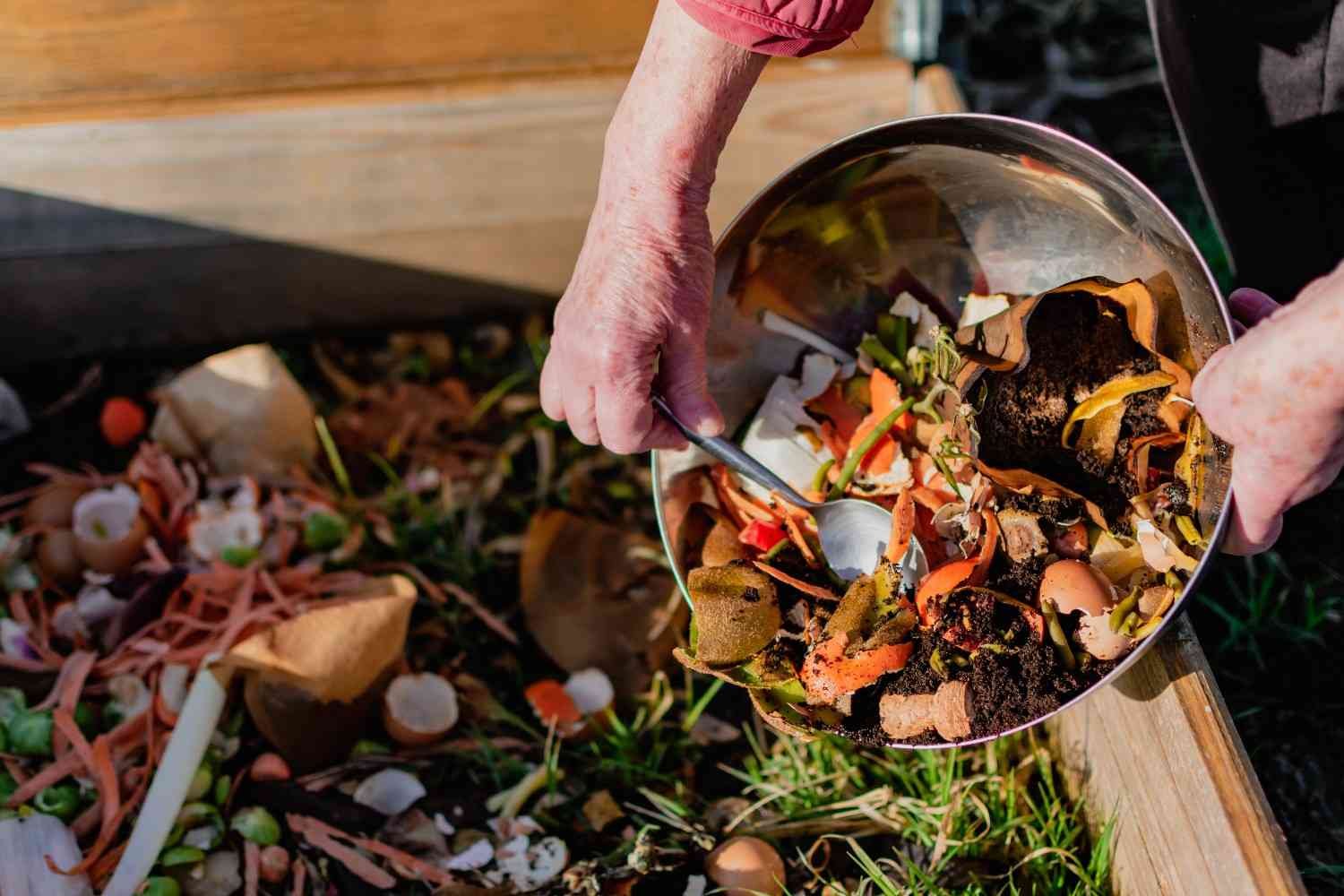
Maintenance felt overwhelming at first, but once I built a simple routine, it became effortless.
I turn the pile every one to two weeks to introduce oxygen and speed up decomposition. This step makes a noticeable difference in how quickly materials break down.
Moisture is something I monitor regularly. The compost should feel like a wrung-out sponge. If it gets too dry, I add water. If it becomes soggy, I mix in more browns.
Odor is the easiest way to diagnose problems. If it smells like rotten eggs, the pile is too wet. If it smells like ammonia, there’s too much nitrogen. Adjusting the balance fixes both issues quickly.
How Long Composting Takes and What to Expect
When I first started composting at home, it took several months to get usable compost. Over time, I learned that turning the pile, maintaining moisture, and keeping the right ratio speeds things up.
Depending on the method, compost can take anywhere from three months to a year. Faster systems require more attention, while slower ones work with minimal effort.
How I Know My Compost Is Ready to Use
The first time I saw finished compost, I knew immediately. It was dark, crumbly, and smelled like fresh earth.
There were no visible food scraps, and the texture felt rich and soft. That’s when I started using it in my garden and potted plants.
The results were noticeable. Plants looked healthier, soil retained moisture better, and overall growth improved.
Simple Ways I Use Compost for Better Plant Growth
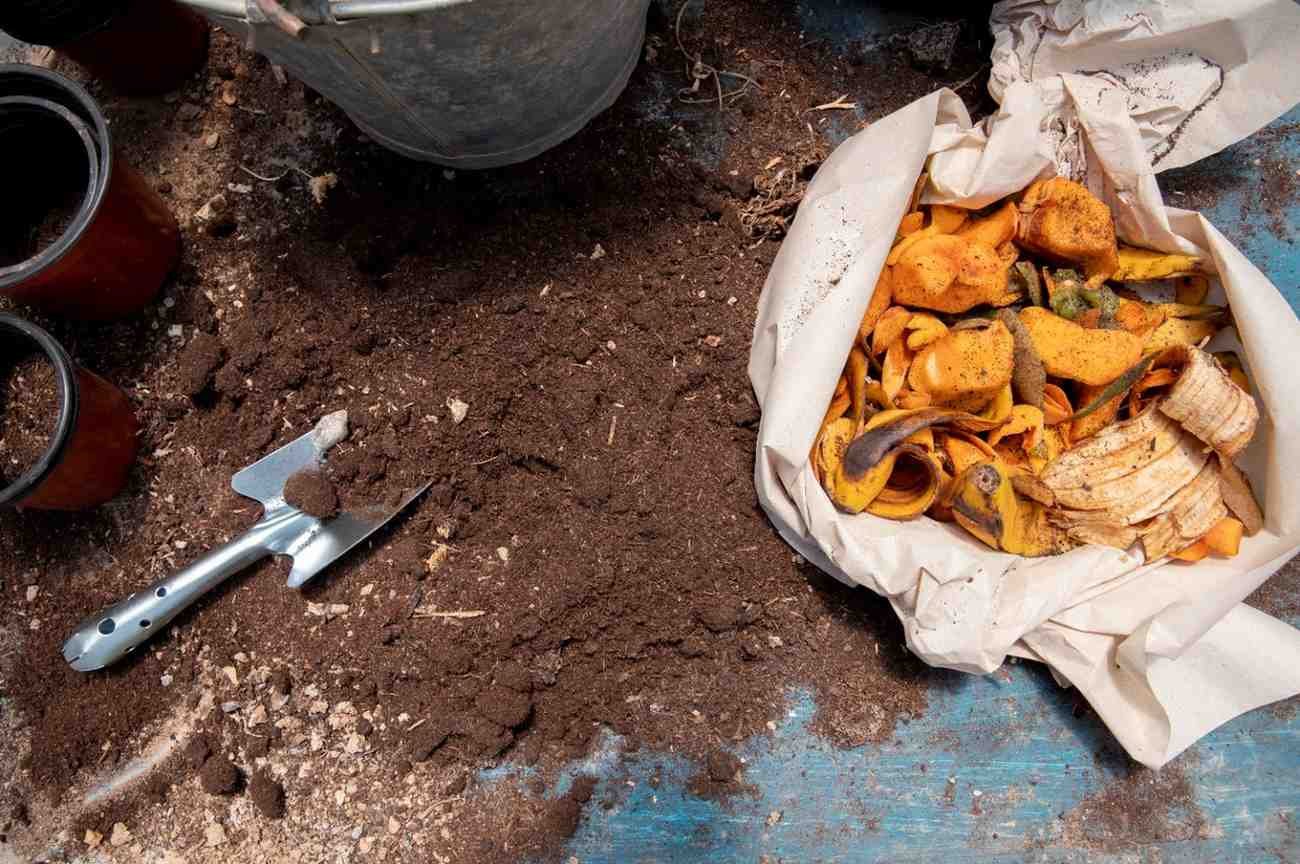
I usually mix compost into garden soil before planting. For potted plants, I blend it with potting soil to boost nutrients.
Sometimes I use it as a top layer around plants to retain moisture and improve soil quality over time. This step completes the entire cycle and shows the real impact of composting.
FAQs About Composting at Home
1. Is composting at home difficult for beginners?
No, it becomes simple once you understand the balance between greens, browns, air, and water.
2. Does composting smell bad indoors or outdoors?
It shouldn’t. Odors usually mean imbalance. Adjusting moisture or adding browns solves the issue.
3. Can I compost in an apartment in the U.S.?
Yes, indoor composting methods like worm bins or Bokashi systems work well in small spaces.
4. What is the ideal greens to browns ratio?
A ratio of about 2–3 parts browns to 1 part greens keeps the compost balanced and odor-free.