Rising electricity bills and frequent power concerns have made renewable energy for home a much more practical idea than it used to be. Exploring cleaner energy options not only helps reduce monthly expenses but also creates a more reliable and sustainable way to power everyday life without depending entirely on traditional utility grids.
Why Is Renewable Energy For Home Worth It?
Switching to renewable energy brings noticeable savings over time. Many homeowners see their electricity bills drop significantly, sometimes by 50 to 90 percent depending on system size and usage. With energy prices continuing to rise, locking in a stable source of power feels like a smart financial move.
Another major advantage is energy independence. Generating your own electricity reduces reliance on the grid, which is especially helpful during outages. It also supports a cleaner environment by lowering carbon emissions and reducing dependence on fossil fuels.
Core Renewable Technologies For Homes
Knowing your options helps you choose the right fit for your lifestyle.
Solar Power Systems
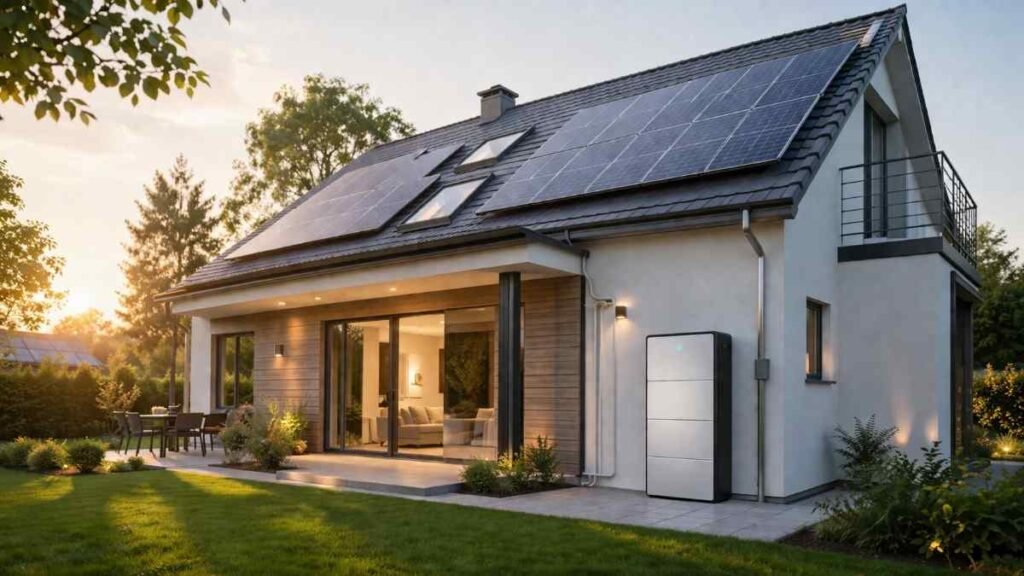
Solar energy remains the most popular form of renewable energy for home use. Photovoltaic panels convert sunlight directly into electricity and work efficiently on most rooftops. These systems can also be paired with home batteries to store excess energy for nighttime or outages.
Solar setups are highly scalable. You can start small and expand later depending on your energy needs. Their adaptability makes them ideal for both urban and suburban homes.
Geothermal Heating And Cooling
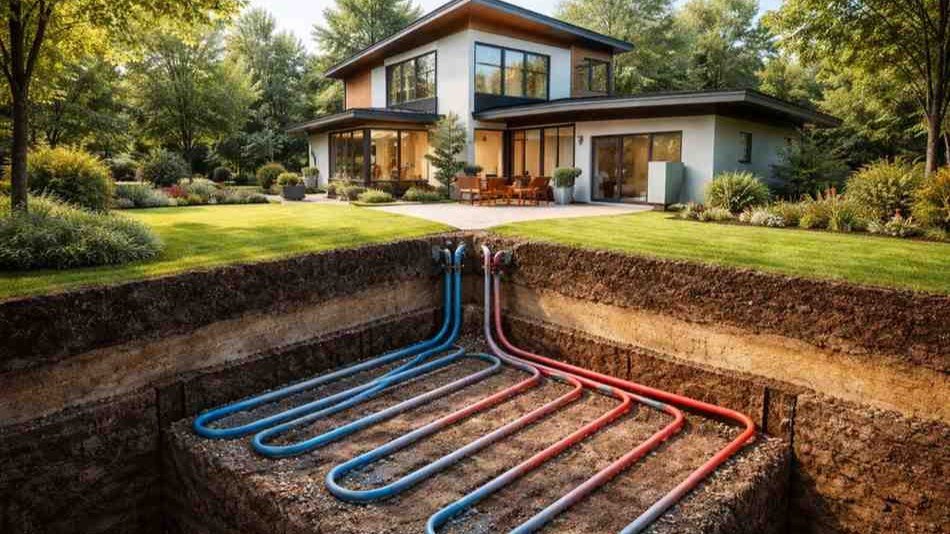
Geothermal systems use stable underground temperatures to regulate indoor heating and cooling. While installation involves drilling and higher upfront costs, the efficiency and long-term savings are impressive.
This system works quietly in the background and significantly reduces heating and cooling expenses, which are often the largest part of energy bills.
Wind Energy Systems
Small wind turbines are suitable for rural areas with consistent wind flow. They require more space and specific zoning conditions, making them less common in cities. When conditions are right, wind energy can complement solar systems and increase overall energy production.
Solar Water Heating And Micro Hydropower
Solar water heaters use sunlight to heat water directly, reducing electricity or gas usage. They are simple and cost-effective additions to a renewable setup.
Micro hydropower is a niche option that works only if your property has flowing water with enough elevation drop. Though rare, it can generate consistent energy when available.
How To Using Start Renewable Energy For Home
Getting started becomes easier when you follow a practical, real-world approach.
- The first step is understanding your current energy usage. A home energy assessment helps identify where electricity is being used and where efficiency improvements can be made. Improving insulation and sealing leaks often reduces the size of the renewable system needed.
- Next, evaluate your property. Roof direction, sunlight exposure, available land, and local climate all influence the type of system that will work best. Solar energy systems are usually the easiest to install, but hybrid systems can offer better performance in certain conditions.
- After choosing a system, explore available incentives such as federal tax credits and state rebates. These can reduce installation costs significantly. Once installed, most systems connect to the grid through net metering, allowing excess energy to be sent back and credited to your account.
Costs, Savings & Return On Investment
Understanding the financial side helps you plan with confidence.
Installation Costs And Incentives
A typical residential solar system averages around a mid-range investment after applying federal incentives. The Federal Clean Energy Tax Credit can cover up to 30 percent of installation costs, making renewable energy more accessible.
Other systems like geothermal or wind may have higher upfront costs, but they also offer strong long-term efficiency benefits.
Savings And Property Value
Homeowners often experience substantial reductions in electricity bills. Over time, these savings add up and can even exceed the initial investment.
Properties equipped with renewable energy systems also tend to see an increase in market value. Buyers are increasingly interested in energy-efficient homes with lower operating costs.
Long-Term ROI
Most systems pay for themselves within several years depending on usage and incentives. After that point, energy generation becomes significantly more affordable, providing long-term financial stability.
Available Home Systems
Here are some commonly used renewable setups for residential use.
| Product | Key Features |
| Nature’s Generator MyGrid 10K | High output system, expandable battery, suitable for whole-home use |
| Eco-Worthy Off-Grid System | Complete off-grid setup with large battery storage |
| Lithium 7200W Combo | Compact system with solar panels included |
| Powerhouse Gold WE | Hybrid solar and wind system for flexible energy generation |
Choosing The Right Renewable Energy For Home Setup
The right choice depends on your home, goals, and budget.
Location And Climate
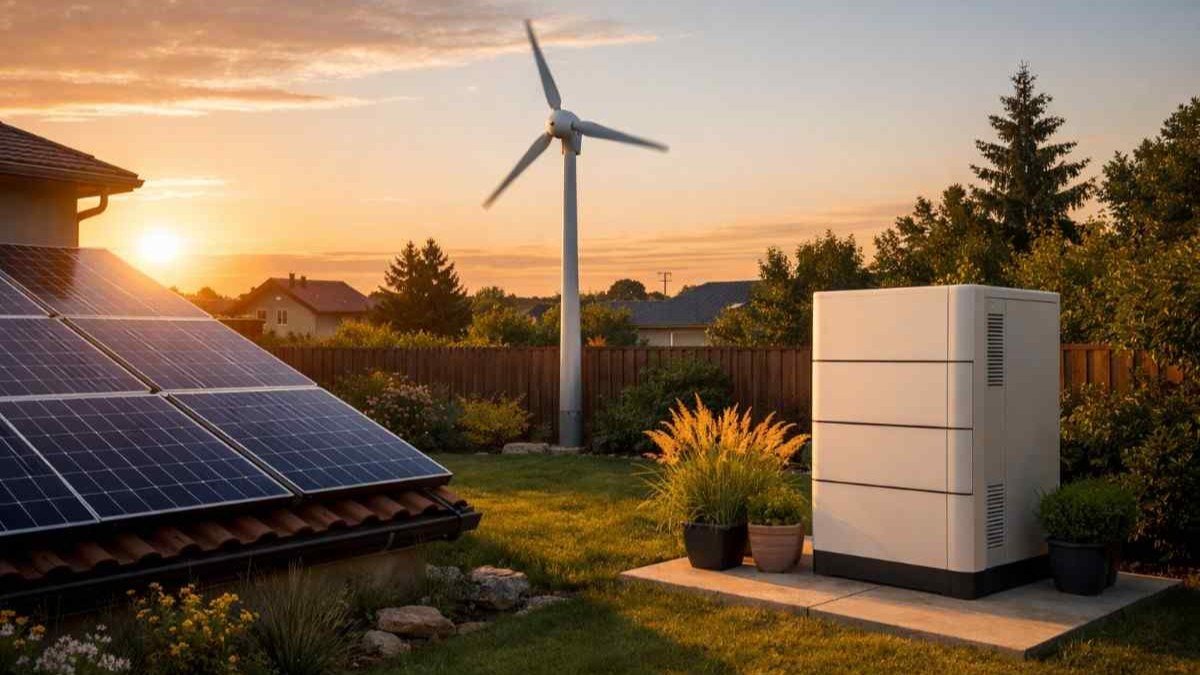
Sunny regions benefit the most from solar systems, while windy areas can take advantage of turbines. Climate plays a major role in efficiency and output. Understanding local weather patterns helps in selecting the most effective renewable solution.
Home Size And Energy Needs
Larger homes typically require bigger systems, while smaller homes or apartments can use compact or plug-in solar options. Matching system size with actual usage avoids unnecessary costs.
Budget And Expansion Plans
Starting with a smaller system and expanding over time can make the transition more manageable. Modular systems allow flexibility without heavy upfront investment.
Smart Tips Most Guides Miss
These insights can help you get better results than standard approaches.
Improve Efficiency First
Reducing energy consumption before installing renewable systems lowers overall costs. Simple upgrades like better insulation and energy-efficient appliances make a noticeable difference.
Explore Local Incentives Deeply
Many homeowners overlook state-level benefits. Local programs often provide additional rebates or credits that significantly reduce expenses.
Combine Systems For Better Results
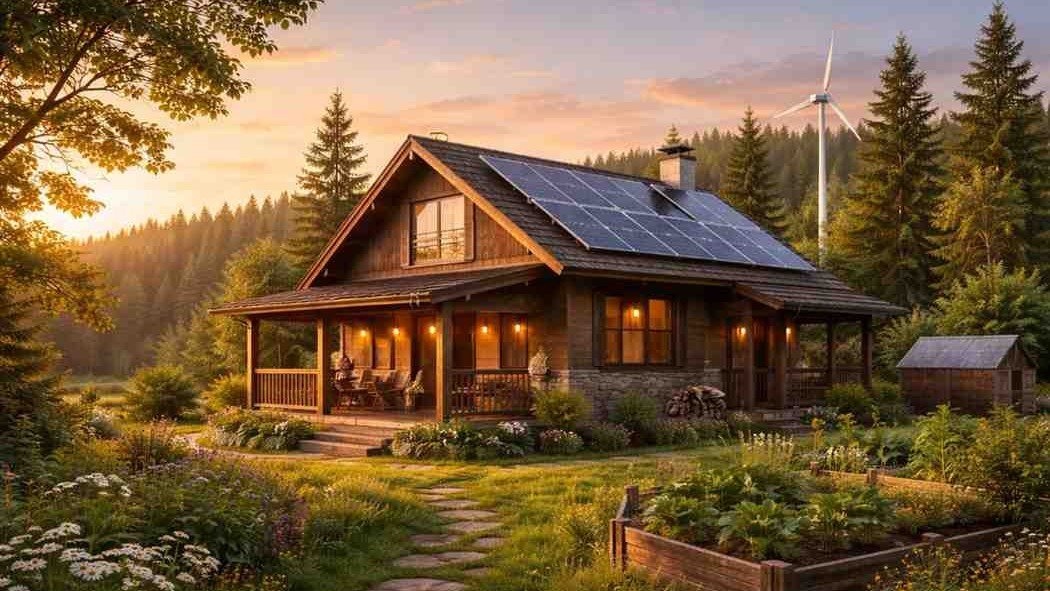
Hybrid setups that combine solar, battery storage, and even wind can maximize efficiency and reliability. This approach ensures consistent energy supply in different conditions.
Frequently Asked Questions
1. What is the best renewable energy source for a house?
Solar energy is the most practical option for most homes due to its affordability, flexibility, and ease of installation.
2. How much do plug-in solar panels cost?
Plug-in solar panels usually cost between a few hundred to a couple of thousand dollars depending on size and capacity.
3. Can I generate my own electricity for my house?
Yes, homeowners can generate electricity using solar panels, wind turbines, or hybrid systems connected to or independent from the grid.
4. Is it possible to live 100% off-grid?
Yes, but it requires a well-planned system with solar panels, battery storage, and efficient energy usage to ensure consistent power supply.
Power Into a Sustainable Future
Renewable energy for home is no longer just an eco-friendly idea but a practical solution for modern living. With the right system, proper planning, and available incentives, it is possible to reduce energy costs, increase independence, and contribute to a cleaner environment. Taking even a small step toward renewable energy today can create lasting benefits for years to come.