
Chilly evenings near drafty windows can quickly ruin the comfort of a cozy home, especially during colder months. That’s where thermal insulated curtains make a noticeable difference, helping maintain warmth while reducing energy waste. After trying different window treatments over time, these curtains stood out as one of the simplest upgrades that actually deliver both comfort and savings.
What Are Thermal Insulated Curtains?
Thermal insulated curtains are heavy-duty window treatments designed to improve your home’s energy efficiency by acting as a barrier against heat transfer. Unlike standard curtains that are mostly decorative, these are engineered with specialized layers that physically block air movement and radiant heat.
They are widely used in homes where temperature control is important, especially in regions with extreme winters or hot summers. Their ability to regulate indoor climate makes them both functional and cost-effective.
How Do They Work?
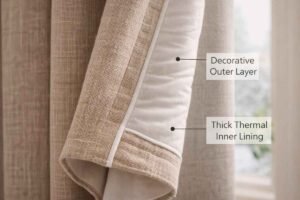
Most thermal insulated curtains rely on a multi-layered construction that traps air and reduces heat exchange. The outer surface layer is typically made from decorative fabrics like polyester, linen, or velvet, allowing them to blend seamlessly with your home décor.
The middle layer is where the real insulation happens. This layer often includes dense black yarn or thermal foam that blocks light and heat. The backing layer, usually light-colored or reflective, faces the window and helps repel UV rays while preventing heat from escaping or entering.
Common Materials Used
Different materials affect both performance and aesthetics. Polyester and microfiber are the most common due to affordability and durability, often used in triple-weave designs that combine style with function.
Velvet is another excellent choice because of its natural thickness and luxurious appearance. Faux linen options provide a lighter, textured look while still incorporating a thermal backing layer for insulation.
3 Benefits Of Thermal Insulated Curtains
These curtains offer more than just temperature control.
1. Better Temperature Control
Thermal insulated curtains for winter are highly effective at maintaining indoor warmth. They trap a layer of air between the window and the room, reducing heat loss during colder months.
During summer, they work in reverse by blocking heat from entering. This dual functionality makes them useful year-round, not just in winter.
2. Energy Savings And Efficiency
By reducing heat transfer, these curtains help lower the workload on heating and cooling systems. Many homeowners notice a reduction in energy bills over time, sometimes by up to 25 percent depending on usage and home insulation. This makes them a practical investment for long-term savings rather than just a decorative upgrade.
3. Light, Noise, And Protection
Because of their dense construction, thermal insulated curtains naturally block light, making them ideal for bedrooms. They also help reduce outside noise by absorbing sound, creating a quieter indoor environment. Additionally, they protect furniture, flooring, and artwork from UV damage, preserving the quality of your interiors.
Choosing Thermal Insulated Curtains
Choosing the right curtains ensures you get maximum benefits.
Measure And Fit Properly
Accurate measurements are essential for performance. Curtains should extend beyond the window frame on all sides to prevent air gaps that reduce insulation. Floor-length curtains work best as they block airflow from below, improving overall efficiency.
Choose The Right Fabric
Heavier fabrics generally provide better insulation. Velvet and triple-weave polyester are popular options for those looking for maximum performance.
For spaces like living rooms, you can balance style and function by choosing materials that look elegant while still offering thermal backing.
Match The Room Type
Thermal insulated curtains for living room areas should allow some flexibility with light while maintaining insulation. Bedrooms benefit more from blackout styles for improved sleep quality. Selecting curtains based on room function ensures both comfort and practicality.

How To Install Thermal Insulated Curtains
Proper installation is essential to maximize the effectiveness of thermal insulated curtains.

Start by mounting the curtain rod higher than the window frame to reduce heat loss from the top. Extend the rod beyond the window width so the curtains fully cover the sides. This prevents cold air from entering through gaps.
Using a wrap-around curtain rod is highly recommended because it allows the fabric to curve back toward the wall, sealing side gaps effectively. Ensure the curtains touch the floor or slightly puddle to block airflow from below, creating a complete insulating barrier.
Real Performance Of Thermal Insulated Curtains
Understanding real-world performance helps set realistic expectations.
Temperature Improvements
Homes using thermal insulated curtains often experience a noticeable improvement in room temperature. While they may not replace heating systems, they reduce heat loss enough to make rooms feel warmer and more comfortable. This is especially beneficial for older homes with less efficient insulation.
Energy Savings Over Time
Consistent use leads to measurable energy savings. By minimizing heat transfer, these curtains reduce the need for excessive heating or cooling, which reflects in lower utility bills over time. The impact becomes more noticeable during extreme weather conditions.
Best Areas To Use Them
They perform best in rooms with large windows or direct exposure to outdoor temperatures. Bedrooms, living rooms, and home offices benefit the most from their insulating properties.
Thermal insulated curtains for winter are particularly effective in spaces that experience drafts or temperature fluctuations.
Common Mistakes To Avoid
Avoiding simple mistakes can significantly improve performance.
Ignoring Installation Details
Even the best curtains won’t work well if installed incorrectly. Gaps around the edges allow air to pass through, reducing their effectiveness. Proper placement and full coverage are key to achieving the desired results.
Choosing Style Over Function
While aesthetics matter, choosing thin or purely decorative curtains defeats the purpose. Always prioritize insulation features when selecting thermal curtains. Balancing design with functionality ensures you get both comfort and visual appeal.
Inconsistent Usage
Leaving curtains open during cold nights reduces their effectiveness. Consistent use, especially during extreme temperatures, is necessary to maximize benefits. Making it a habit to close them at the right time can make a noticeable difference.
Frequently Asked Questions
1. Do Thermal Insulating Curtains Work?
Yes, thermal insulated curtains reduce heat transfer, helping maintain indoor temperatures and improve energy efficiency.
2. What Is A Thermal Insulated Curtain?
It is a multi-layered curtain designed to block heat, cold air, and light, improving insulation and comfort inside a room.
3. Do Thermal Curtains Keep A Room Warmer?
Yes, they trap heat inside during winter, making rooms feel warmer and reducing the need for extra heating.
4. Which Thermal Curtains Are Best?
The best thermal insulated curtains are made from heavy fabrics like velvet or triple-weave polyester with a proper thermal backing.
Stay Warmed Up
Thermal insulated curtains are a practical and effective way to improve home comfort while reducing energy costs. Their multi-layer design helps regulate temperature, block noise, and protect interiors from damage. With the right selection and proper installation, thermal insulated curtains can transform any space into a more comfortable and energy-efficient environment, one that is free of phantom energy throughout the year.