
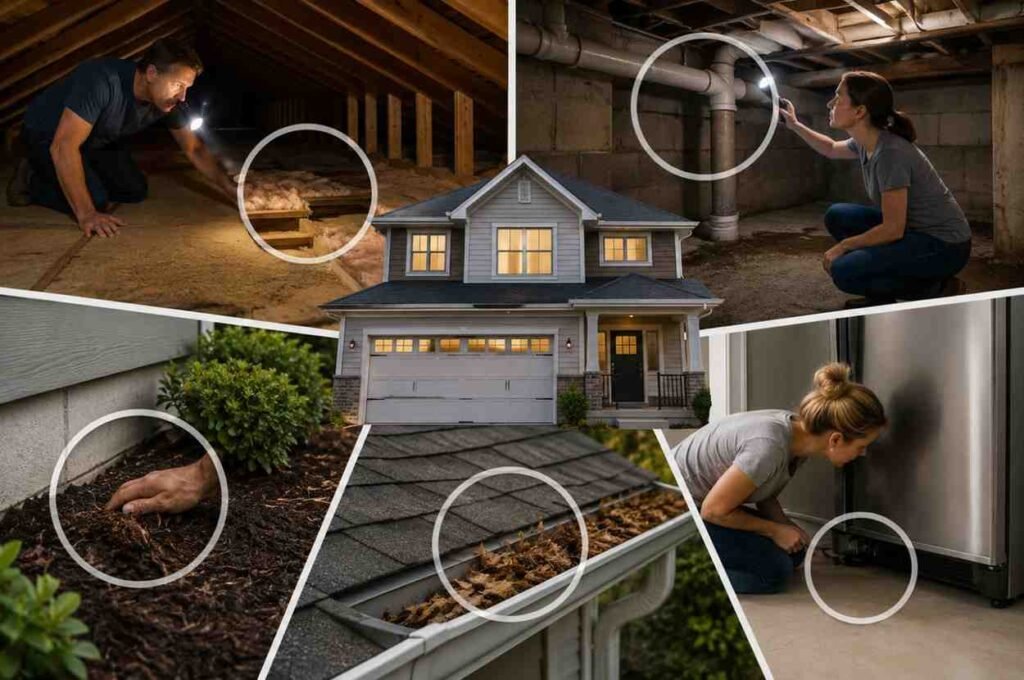
Owning a home comes with an extensive, never-ending list of responsibilities. Most property owners are highly diligent about maintaining the spaces they interact with every single day. We wipe down kitchen counters, vacuum living room carpets, mow the front lawn, and scrub the bathroom tiles. Because these areas are always in plain sight, keeping them clean and functional feels completely natural.
However, a house is a complex, multi-layered structure with dozens of hidden compartments and utility zones that exist entirely out of sight. Over time, these forgotten spaces can quietly develop serious structural issues, slow plumbing leaks, or pest vulnerabilities.
By the time the symptoms of these hidden problems finally surface in your main living areas, the damage is often extensive and incredibly expensive to fix. To protect your investment, here are five places homeowners rarely check that deserve a closer look.
1. The Deep Recesses of the Crawl Space or Unfinished Basement
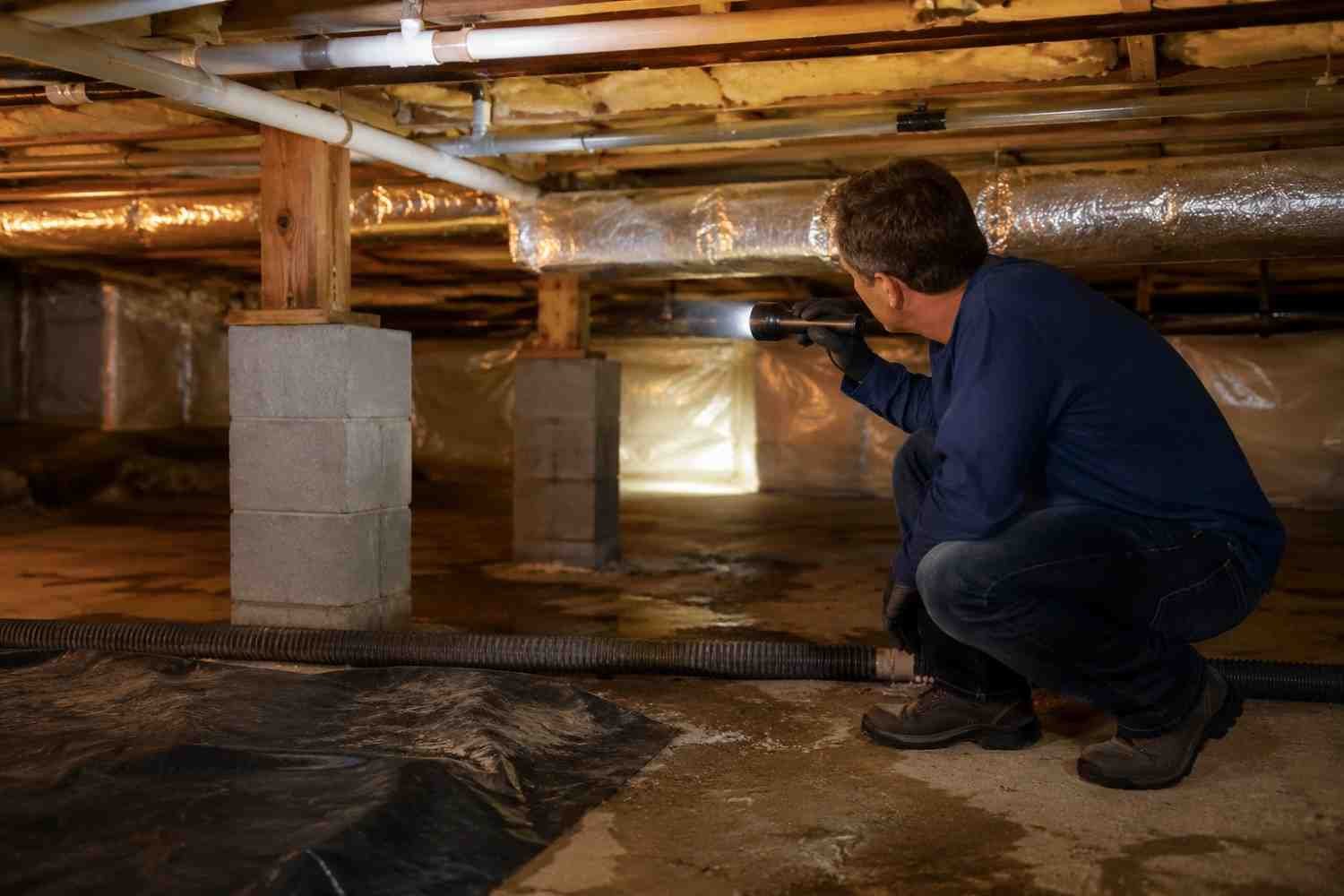
For many homeowners, the crawl space or unfinished basement is a dark, intimidating zone reserved strictly for seasonal storage or housing the water heater. Because it is uncomfortable to navigate, it is rarely inspected unless a catastrophic failure occurs.
This neglect makes it the perfect breeding ground for hidden structural trouble. Standing water from poor outdoor grading can pool silently on the dirt floor, rotting the wooden floor joists above and encouraging toxic mold growth. Furthermore, the dark, damp, and undisturbed environment of a crawl space is exactly what destructive insects look for when expanding their colonies. If you live in an area prone to wood-boring pests, ignoring these low-clearance zones can lead to severe structural hollows. Scheduling an inspection or securing a proactive termitetreatment in Kansas City can stop these silent destroyers before they compromise the structural beams holding up your living room.
2. The Attic Insulation and Roof Underside
Unless you are retrieving holiday decorations, chances are you haven’t climbed up into your attic in months, or even years. The attic acts as your home’s buffer zone against the elements, regulating temperature and moisture.
When you fail to check the attic, you miss the early warning signs of a failing roof. Small pinhole leaks can slowly saturate attic insulation, rendering it useless and driving up your monthly heating and cooling bills. Additionally, the attic is a preferred destination for wildlife seeking a warm winter nesting spot. Birds, squirrels, and raccoons can tear through roof vents and chew through vital electrical wiring, creating major fire hazards completely unnoticed.
3. The Condensation Trays and Coils Behind Large Appliances
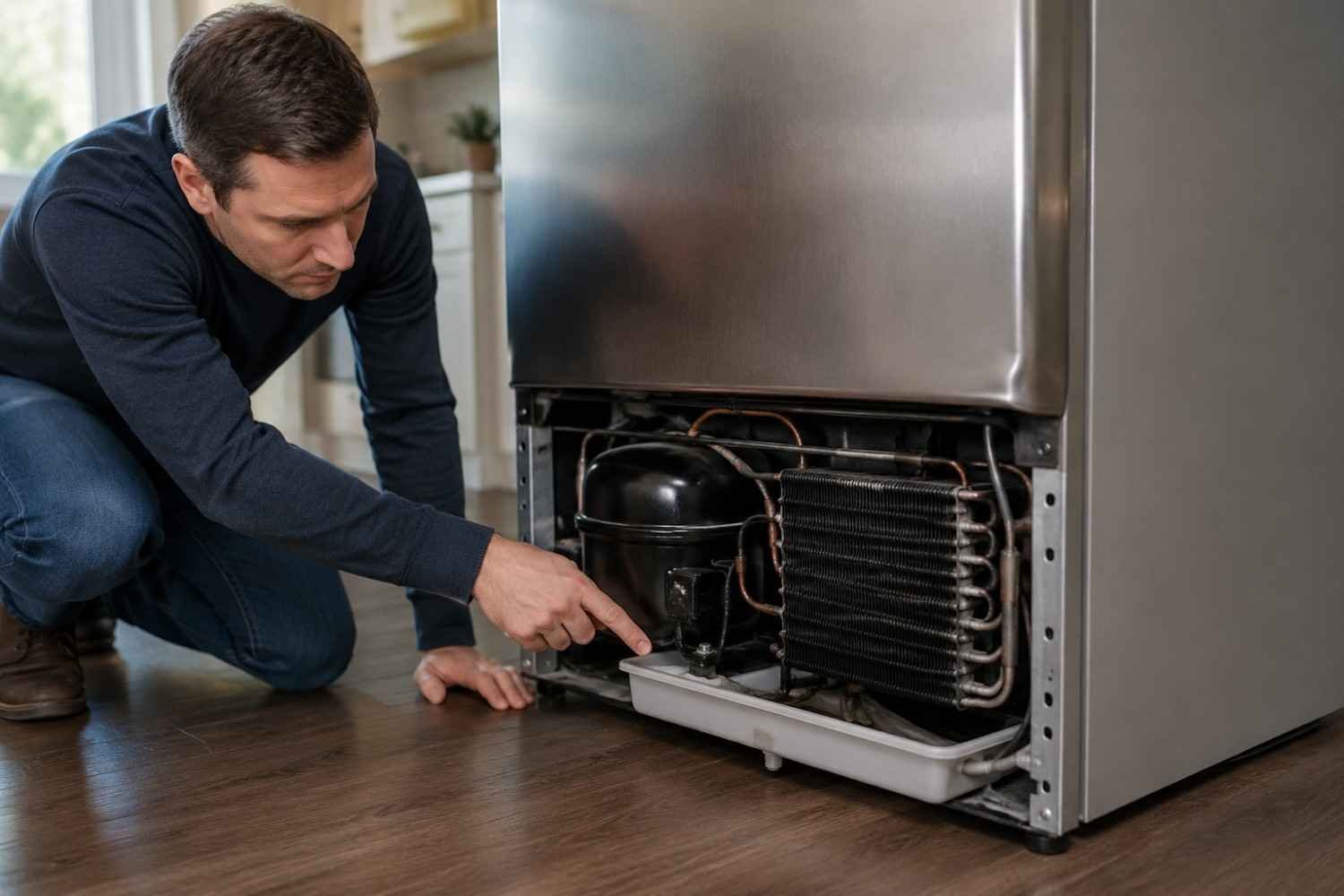
We use our refrigerators, dishwashers, and washing machines multiple times a day, but we rarely look behind or underneath them. These large appliances handle a massive volume of water and electricity, and they slowly accumulate dust and grime in the tight spaces between the appliance and the drywall.
Over several years, the condensation trays under refrigerators can overflow or crack, leaking small amounts of water onto the subfloor. Because the leak is hidden, the wood slowly rots, leading to soft spots in your kitchen flooring. Pulling these heavy appliances away from the wall at least once a year allows you to clean caked-on dust from mechanical coils, saving energy and catching slow water drips before they ruin your subfloor.
4. Gutter Downspout Extensions and Foundation Gradients
While many homeowners are diligent about clearing leaves out of their gutters every autumn, they rarely look at where that water actually goes once it hits the ground. The entire purpose of a gutter system is to direct massive volumes of rainwater completely away from your home’s foundation. Regular exterior maintenance like this also supports sustainable living for families by helping prevent costly repairs, reducing material waste, and extending the lifespan of the home.
If your downspout extensions have cracked, fallen off, or terminated right at the base of your foundation wall, all that roof water dumps directly into the soil next to your basement. Over time, this concentrated moisture creates immense hydrostatic pressure against the concrete. This pressure causes the foundation walls to bow inward, crack, and leak, transforming a simple missing plastic pipe extension into a multi-thousand-dollar foundation repair project.
5. The Interior of the Dryer Vent Line
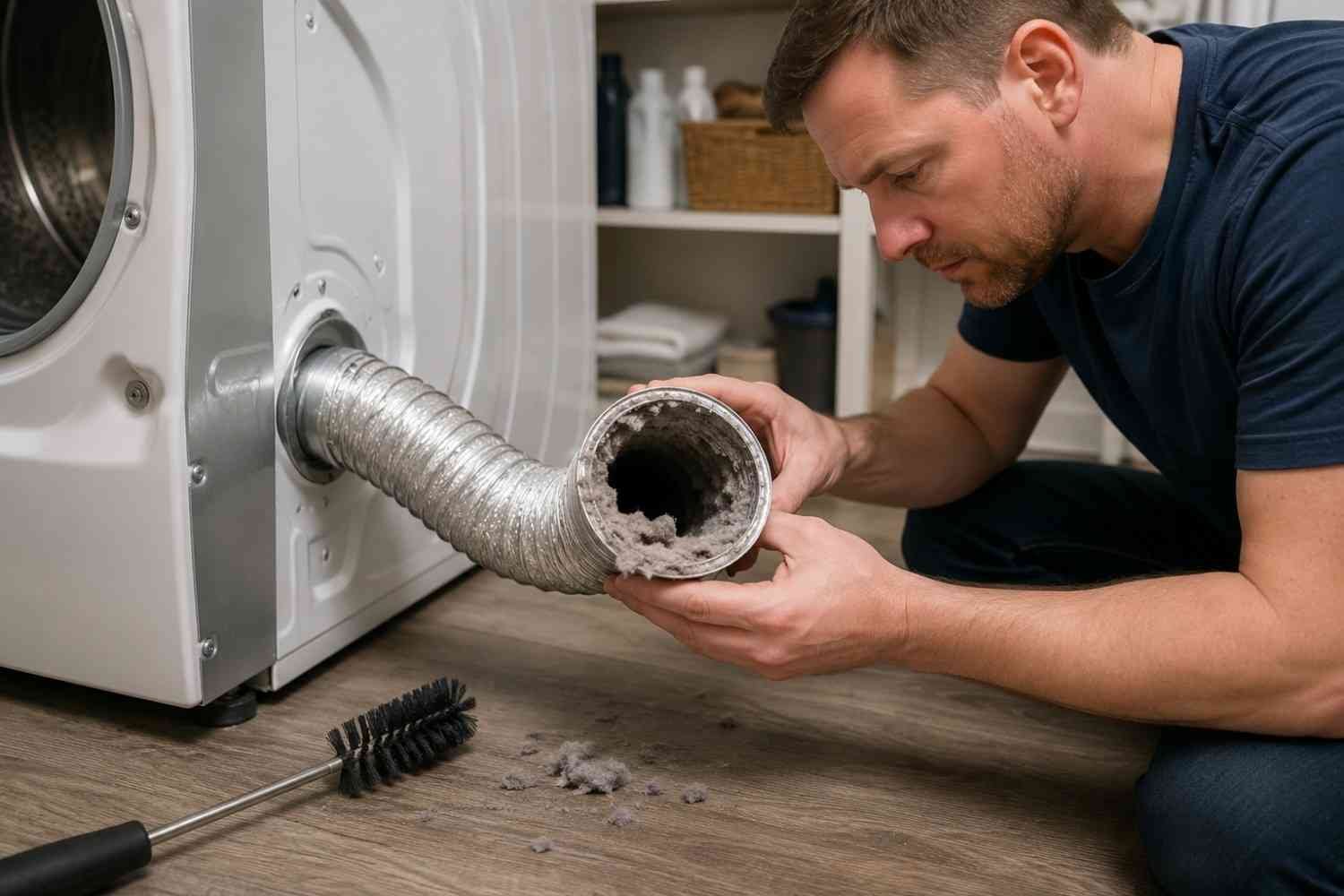
Cleaning out the lint trap after every load of laundry is a habit passed down through generations. However, the lint trap only catches a percentage of the debris generated by your clothes. The rest travels into the flexible ductwork that routes the hot air out through the side of your house or roof line.
Over time, heavy, damp lint accumulates inside this hidden pipe, restricting airflow. This restriction forces your dryer to run hotter and longer to dry a single load, spiking your electric bill. More importantly, packed dryer lint is highly flammable. When the appliance overheats due to restricted airflow, the trapped lint can easily ignite, making uncleaned dryer vents one of the leading causes of preventable house fires.
Conclusion
The secret to maintaining a resilient, low-cost home lies in the spaces you cannot see from your couch. Dedicating time to inspect your attic, crawl space, appliance backings, drainage lines, and dryer vents transforms home maintenance from a reactive panic into a controlled, proactive routine. By shining a light into these five overlooked areas, you can catch minor issues while they are still cheap to fix, ensuring your sanctuary remains secure and sturdy from the inside out.